
Beauty Unlocked
What Is the Hime Cut? History, Styling Tips, & More
Jun
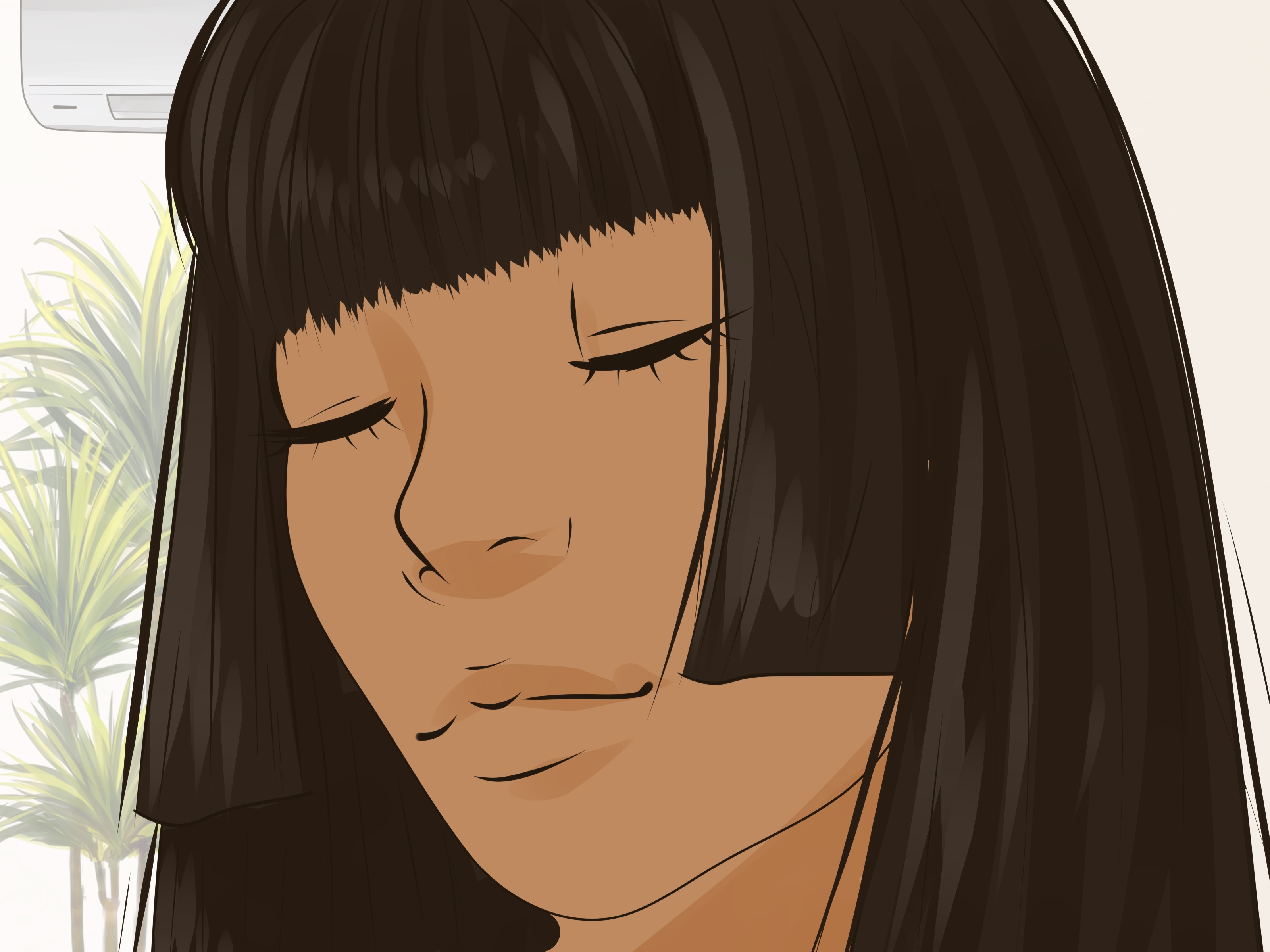
The hime cut is not your average “just a little trim” hairstyle. It is sharp, graphic, dramatic, and somehow both ancient and extremely internet. One minute it looks like something worn by a refined Japanese court lady; the next, it looks like it belongs on a K-pop idol, anime heroine, runway model, or your coolest friend who owns sunglasses too intimidating for indoor use.
At its core, the hime cut is a Japanese-inspired hairstyle featuring blunt, face-framing side locks, usually paired with long, straight hair and sometimes a straight fringe. “Hime” means “princess” in Japanese, which explains why the style is often called the princess cut. But do not let the royal nickname fool you. This haircut can look elegant, edgy, gothic, futuristic, soft, or rebellious depending on how it is cut and styled.
In this guide, we will explore what the hime cut is, where it came from, who it suits, how to style it, and what to know before asking your stylist to give you cheekbone-level side panels sharp enough to slice through small talk.
What Is the Hime Cut?
The hime cut is a structured hairstyle built around contrast. The most recognizable version includes long hair in the back, blunt bangs across the forehead, and shorter straight sections on each side of the face. These side pieces are usually cut around cheekbone, cheek, jaw, or chin length. The rest of the hair stays longer, creating a striking “short in front, long in back” silhouette.
Unlike a shag, wolf cut, or butterfly cut, the hime cut does not rely on blended layers. Its beauty comes from the visible separation between the shorter side locks and the longer back length. That intentional disconnect is what makes it feel architectural. Think less “accidental layers from a questionable DIY haircut” and more “precise beauty decision with a historical résumé.”
Key Features of a Classic Hime Cut
A traditional hime haircut often includes three main elements:
- Blunt side locks: Straight, face-framing sections cut around the cheeks or jaw.
- Long back length: Hair behind the side pieces remains long, sleek, and usually straight.
- Fringe or bangs: Many versions include blunt bangs, though modern hime cuts may use curtain bangs, wispy bangs, or no bangs at all.
The cut is most famous on straight hair because the clean horizontal lines show clearly. However, modern stylists have adapted the hime cut for waves, soft curls, layered textures, and shorter lengths. The modern hime is less about copying one exact look and more about keeping the signature face-framing contrast.
The History of the Hime Cut
The hime cut has roots in Japan’s Heian period, which lasted from 794 to 1185. During this era, noblewomen were often associated with extremely long, straight, glossy black hair. Long hair was considered a marker of refinement, beauty, and status. The longer and smoother the hair, the more it projected elegance and aristocratic grace.
The style is linked to traditional Japanese hair customs, including amasogi and binsogi. Amasogi referred to a blunt, shoulder-length cut, while binsogi involved cutting side locks during a coming-of-age ceremony. Over time, the combination of long straight hair and shorter side sections became associated with noblewomen and, later, with the idea of a “princess” hairstyle.
The name “hime cut” became attached to the look because “hime” means princess. While today’s version is worn for fashion, personality, and self-expression, the historical inspiration gives it a depth that many trendy haircuts simply do not have. No offense to the messy bun, but it did not come with a thousand-year backstory.
Why the Hime Cut Is Trending Again
The hime cut has never fully disappeared, but it has returned to global beauty conversations thanks to anime, J-pop, K-pop, TikTok, celebrity styling, and high-fashion runways. Its graphic shape photographs beautifully, which makes it perfect for social media. A hime cut is instantly recognizable from the front, side, and even a slightly blurry mirror selfie.
Modern celebrities and performers have also helped revive interest in the style. The cut has been seen in music, fashion editorials, street style, and red-carpet interpretations. Some people confuse it with the jellyfish haircut, another disconnected cut with short upper layers and long lower layers. The difference is that the hime cut is typically more structured and face-framing, while the jellyfish cut often has a rounded bob-like top section with longer hair underneath.
Hime Cut vs. Jellyfish Cut: What Is the Difference?
The hime cut and jellyfish cut are close cousins, but they are not identical twins. The hime cut focuses on blunt side panels near the face while keeping the rest of the hair long. It often looks sleek, symmetrical, and princess-like. The jellyfish cut, by contrast, usually has a more obvious two-tier shape: a short bob or bowl-like top layer with longer hair beneath it.
Here is the easiest way to remember it: the hime cut frames the face; the jellyfish cut frames the whole head. The hime cut says, “I am elegant and mysterious.” The jellyfish cut says, “I am experimental and possibly know a very cool underground DJ.” Both can be beautiful, but they create different visual effects.
Who Does the Hime Cut Suit Best?
The hime cut can be adapted for many face shapes, but it especially flatters people who want to highlight their cheekbones, jawline, eyes, or lips. Because the side pieces act like built-in contour lines, they can visually shape the face without a drop of bronzer.
Best Face Shapes for a Hime Cut
Oval faces can usually wear nearly any hime variation. Heart-shaped faces may benefit from cheek-length or jaw-length side pieces that balance the forehead and chin. Long faces often look great with bangs because the fringe visually shortens the face. Round faces can wear the hime cut too, but the side locks may look best when cut slightly below the cheekbones or around the jaw to create length.
The most important factor is customization. A cheekbone-length hime cut may look dramatic on one person and too severe on another. A good stylist will adjust the length, thickness, and angle of the side panels to match your features and hair texture.
Best Hair Types for the Hime Cut
The classic hime cut works most easily on straight or naturally smooth hair because the sharp lines stay visible. Thick hair can hold the shape well, especially if the side panels are meant to look bold. Fine hair can also wear the cut, but the side sections may need a softer approach so they do not look sparse.
Wavy hair can create a romantic version of the hime cut, especially when the side pieces are slightly longer. Curly hair requires more planning because curls shrink and change the final length. If you have curls, ask your stylist to cut the hime pieces dry or at least account for shrinkage. Otherwise, your chic cheekbone pieces may bounce up into surprise micro-sideburns, and nobody enjoys a plot twist in the salon chair.
Popular Types of Hime Cuts
Classic Hime Cut
The classic version includes long straight hair, blunt bangs, and cheek-length side locks. This is the most traditional and dramatic style. It works best for people who enjoy sleek styling and do not mind regular maintenance.
Soft Hime Cut
The soft hime cut keeps the face-framing shape but uses lighter, thinner, or slightly feathered side pieces. It is a great option if you want the vibe without looking like you are about to rule a moon kingdom.
Hime Cut Without Bangs
Not everyone wants a full fringe, and that is perfectly fine. A no-bangs hime cut uses side panels with a center or side part. This version feels more modern and wearable for people who prefer an open forehead.
Short Hime Cut
A short hime cut may be paired with a bob or lob. Instead of long hair down the back, the main length sits around the shoulders or above. This creates a bold, fashion-forward shape that is easier to manage than the ultra-long version.
Layered Hime Cut
The layered hime cut blends some of the harshness while keeping the signature short side pieces. This is one of the most wearable versions because it gives movement and softness without completely losing the hime identity.
Curly or Wavy Hime Cut
A curly hime cut is less traditional but very expressive. The side pieces may be cut longer to account for curl shrinkage, and the result can feel playful, romantic, and artistic. It is best handled by a stylist experienced with textured hair.
How to Ask Your Stylist for a Hime Cut
When asking for a hime cut, bring reference photos. Do not simply say, “Give me the princess cut,” unless your stylist is also a mind reader with a minor in Japanese beauty history. Show examples of the side-lock length, bang style, and overall shape you want.
Be specific about these details:
- Where the side pieces should fall: cheekbone, cheek, jaw, or chin.
- Whether you want blunt bangs, wispy bangs, curtain bangs, or no bangs.
- How thick the side panels should be.
- Whether the back length should stay blunt, layered, or softly shaped.
- How much daily styling you are willing to do.
A professional consultation matters because the hime cut is simple in theory but precise in execution. A few centimeters can make the difference between “fashion editorial” and “I lost a fight with kitchen scissors.”
How to Style a Hime Cut at Home
The hime cut looks best when the lines are intentional. That does not always mean pin-straight hair, but it does mean the side pieces should be shaped and controlled.
1. Start With the Bangs and Side Pieces
If your hime cut includes bangs, dry them first. Bangs dry quickly and tend to choose chaos if left unsupervised. Use a blow-dryer and a small round brush or paddle brush to guide them into place. Then style the side locks so they sit cleanly against the face.
2. Use a Flat Iron for a Sleek Finish
For the classic hime look, use a heat protectant and a flat iron to smooth the side panels and longer hair. Keep the side pieces crisp and straight. A small amount of shine serum can help create that glossy, polished effect associated with the style.
3. Try Flipped Ends for a Retro Look
If you want a playful twist, use a round brush or curling iron to flip the side pieces slightly outward. This gives the hime cut a retro 1960s feeling. It is less severe than the sleek version and works well with soft makeup and vintage-inspired outfits.
4. Add Texture for a Modern Finish
Not every hime cut needs to be glass-straight. A light texture spray can make a layered or wavy hime cut feel more casual. The key is to keep the face-framing pieces visible, even if the rest of the hair has movement.
Maintenance: Is the Hime Cut High-Maintenance?
Yes, the hime cut can be high-maintenance, especially if you choose a blunt version with bangs. The side pieces need regular trims to keep their shape. Bangs may need trimming every few weeks, while the side locks can often go slightly longer depending on how fast your hair grows.
If you have naturally straight hair, the daily styling routine may be manageable. If your hair is wavy, curly, frizz-prone, or humidity-sensitive, expect to spend more time smoothing and shaping the cut. The hime cut is gorgeous, but it is not always a “roll out of bed and spiritually hope for the best” hairstyle.
How to Grow Out a Hime Cut
Growing out a hime cut takes patience because the side pieces are intentionally shorter than the rest of the hair. During the awkward phase, you can pin the side locks back, tuck them behind the ears, curl them into face-framing layers, or blend them gradually into a shag, butterfly cut, or long layered style.
Regular micro-trims can help the shorter pieces blend into the rest of your haircut over time. Hair accessories also become your best friends. Clips, barrettes, headbands, and small braids can make the grow-out process feel intentional instead of “I am currently negotiating with my haircut.”
Hime Cut Styling Ideas for Different Aesthetics
Elegant Princess
Choose long, glossy hair, blunt bangs, and cheek-length side locks. Pair it with soft makeup, pearl accessories, and smooth styling for a refined look.
Gothic or Alternative
Go for jet-black hair, sharp bangs, and dramatic side panels. This version works beautifully with dark lipstick, bold eyeliner, and statement fashion.
K-Pop Inspired
Try softer side pieces, airy bangs, and a polished blowout. Add subtle highlights or a rich brunette shade for a fresh, idol-inspired finish.
Anime-Inspired
Keep the lines strong and symmetrical. This version is bold, graphic, and instantly recognizable. It works especially well with vivid color or ultra-dark hair.
Everyday Minimalist
Choose longer chin-length side pieces and skip the heavy bangs. This gives a wearable hime effect that still looks stylish but requires less dramatic styling.
Common Mistakes to Avoid
The first mistake is cutting the side pieces too thick without considering your hair density. Thick panels can look powerful, but they may feel heavy or difficult to style. The second mistake is cutting the pieces too short on wavy or curly hair. Shrinkage is real, and it does not care about your Pinterest board.
Another common issue is skipping heat protection. Because many hime styles require smoothing tools, protecting the hair from heat damage is essential. Finally, do not forget that the hime cut is a commitment. It can be softened, grown out, and transformed, but the initial shape is bold. Make sure you want a haircut with a personality, not just a haircut that politely attends meetings.
Personal Experience: What It Feels Like to Try the Hime Cut
Trying a hime cut for the first time can feel like stepping into a new character arc. Before the cut, long hair may feel familiar, safe, and easy to hide behind. After the cut, the face suddenly has a frame. The cheekbones look more noticeable. The jawline gets attention. Even a plain T-shirt can look more styled because the haircut itself is doing half the fashion work.
The biggest surprise is how much the side pieces change your expression. When they are sleek and straight, the look feels polished and slightly mysterious. When they are flipped out, the same haircut becomes playful and retro. When the rest of the hair is tied back, the hime pieces remain in front like built-in accessories. It is a haircut that refuses to disappear into the background.
There is also a learning curve. The first few mornings may involve negotiating with the side locks. One side may behave like royalty while the other side acts like it has joined a rebellion. A blow-dryer, brush, and flat iron can quickly become part of the routine. The good news is that once you understand how your hair responds, styling becomes faster and more predictable.
The hime cut also teaches you the value of precision. With a soft layered haircut, a little unevenness may not matter. With a hime cut, the lines are the point. That means trims matter. A grown-out hime cut can still look cute, but it loses some of its graphic power when the side pieces become too long or uneven. Regular salon visits help keep the haircut looking intentional.
Another real-life lesson: people will notice. Some will love it immediately. Some will ask if it is inspired by anime, K-pop, Japanese fashion, or a celebrity. Some may not know what to call it but will say, “Your hair looks different,” which is often code for “My brain is processing this fabulous geometry.” The hime cut is not invisible, so it suits people who enjoy a little attention or at least do not mind being asked about their hair in grocery store lighting.
For anyone nervous about going full hime, a softer version is a smart starting point. Longer side pieces around the chin are easier to blend later. Wispy bangs are less demanding than a heavy blunt fringe. You can also test the look with clip-in pieces or a temporary styled section before committing. The hime cut should feel exciting, not like a royal decree you cannot escape.
Overall, the hime cut is best experienced as both a hairstyle and a style statement. It has history, structure, and personality. It can be elegant, edgy, cute, dramatic, or surprisingly wearable. The trick is to tailor it to your face, your hair texture, and your actual morning routine. Because while princess hair sounds glamorous, even princesses probably had days when the humidity won.
Conclusion
The hime cut is a rare hairstyle that blends ancient Japanese beauty traditions with modern fashion energy. Its blunt side locks, long back length, and optional bangs create a memorable shape that can be customized for different faces, textures, and aesthetics. Whether you want a sleek princess cut, a softer K-pop-inspired version, or a bold alternative look, the hime cut offers plenty of room for self-expression.
Before getting the cut, consider your hair texture, maintenance habits, and styling comfort level. Bring reference photos, talk through the side-lock length, and choose a stylist who understands precision cutting. When done well, the hime cut is not just trendy. It is timeless with an edge, historical with a wink, and dramatic in the best possible way.

