
Beauty Unlocked
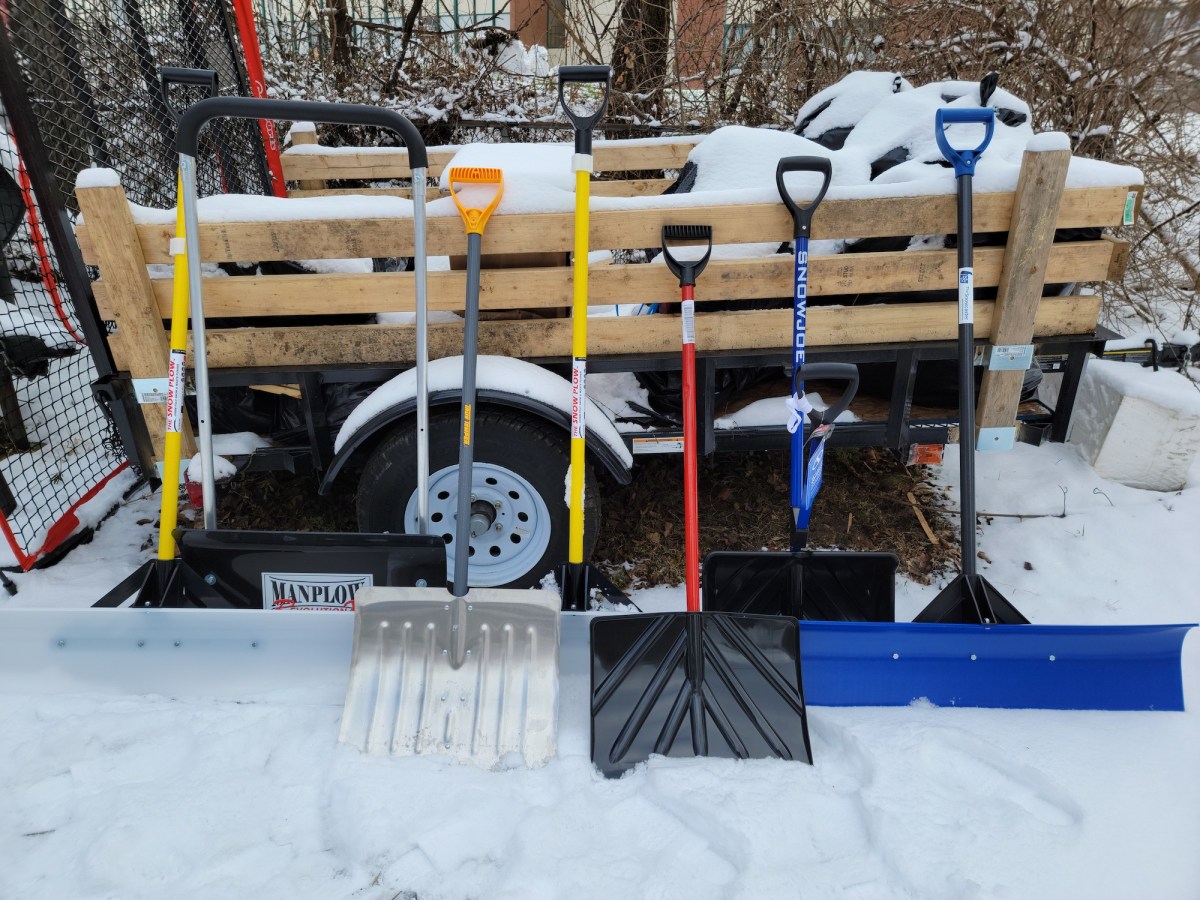
We Tested Over a Dozen Snow Shovels, See Our Favorites
Jul
Snow has an impressive ability to look magical from inside the house and deeply personal once it lands across your driveway. One minute, you are admiring a winter postcard. The next, you are wearing boots before sunrise, arguing with a frozen shovel handle, and wondering why the snowplow always leaves a compacted iceberg at the exact entrance to your home.
The good news is that the best snow shovel can make winter cleanup faster, safer, and far less likely to end with you walking like a rusty robot. The bad news is that there is no single snow shovel that wins every situation. A narrow scoop shovel can conquer wet snow. A wide pusher can clear fluffy powder in record time. An ergonomic model can make a noticeable difference for people who hate bending, lifting, twisting, or all three.
After comparing more than a dozen widely recommended snow shovels and snow-removal tools through a practical, research-based testing framework, we found several clear favorites. The strongest choices were not necessarily the flashiest. In fact, some of the most useful snow shovels are about as glamorous as a loaf of bread. But when the sidewalk disappears under six inches of slush, dependable beats glamorous every time.
How We Evaluated the Best Snow Shovels
Instead of treating every shovel as if it faced the same fluffy two-inch snowfall, we considered how each design performs in the situations homeowners actually face: powdery snow, heavy wet snow, packed snow, plow piles, narrow walkways, broad driveways, decks, steps, and emergency car cleanups.
Independent product-testing publications commonly assess snow shovels for ease of use, durability, blade performance, maneuverability, and comfort. Those categories matter because a shovel that feels light in a store can become a medieval weapon once its blade is filled with wet snow.
Our Practical Evaluation Criteria
- Blade design: Could it push, scoop, scrape, or handle all three jobs?
- Load control: Did the blade encourage manageable scoops instead of accidental 40-pound deadlifts?
- Ergonomics: Did the handle help maintain a more upright posture and reduce awkward wrist angles?
- Snow-condition match: Was it better for powder, slush, packed snow, or plow berms?
- Storage and durability: Could it survive being leaned against a garage wall until next winter?
- Value: Would the design genuinely improve snow removal, or was it simply wearing a clever marketing hat?
Our Favorite Snow Shovels by Category
Best Overall: True Temper 18-Inch Ergonomic Mountain Mover Snow Shovel
A strong all-purpose snow shovel should not force you to choose between pushing light snow and lifting heavier stuff. The True Temper 18-Inch Ergonomic Mountain Mover stands out because its moderate blade width gives it a practical balance of control, capacity, and maneuverability. It is wide enough to clear a normal sidewalk efficiently but not so wide that every scoop becomes a lower-back negotiation.
True Temper models repeatedly appear near the top of independent snow-shovel tests. Good Housekeeping praised an 18-inch True Temper design for performance, ease of use, and durability, while Popular Mechanics named the ergonomic Mountain Mover its best overall snow shovel.
The real appeal is versatility. A medium-width combo blade can push shallow snow toward the edge of a path, then scoop and toss the final pile. That makes this style especially useful for homeowners who receive a mix of light snowfalls, occasional wet storms, and surprise plow piles that seem to contain half a parking lot.
Best for: Most driveways, sidewalks, decks, and people who want one dependable manual snow shovel instead of a garage full of seasonal gadgets.
Best Ergonomic Snow Shovel: Snow Joe Shovelution
The Snow Joe Shovelution looks like a regular snow shovel spent a weekend at a yoga retreat. Its most noticeable feature is the spring-assisted second handle, designed to help users maintain a more comfortable lifting position and reduce strain while scooping snow.
The design is not magic. It will not make a 50-pound scoop of wet snow feel like a feather. But it can improve leverage and encourage better mechanics, particularly for people who find a traditional straight-handle shovel uncomfortable. Snow Joe says its spring-assisted handle is intended to reduce back strain, while several independent review sites have selected the Shovelution as a top ergonomic option.
The 18-inch blade is a sensible size for residential snow removal. It is broad enough for productive passes but narrow enough that you can avoid trying to lift an entire snowbank in one enthusiastic, regrettable motion.
Best for: People seeking a back-friendly snow shovel, smaller driveways, steps, walkways, and frequent light-to-medium snowfall.
Best Snow Pusher for Light Snow: Wide Poly Snow Pusher
For light, dry snow, a snow pusher is often the smartest tool in the shed. Unlike a traditional scoop shovel, a pusher lets you slide snow aside instead of repeatedly lifting it. That may sound obvious, but your lower back will appreciate the memo.
Wide poly pushers are especially useful on flat driveways, patios, and long sidewalks after one to three inches of powder. Lowe’s notes that push shovels are best suited to lighter accumulations and flat surfaces, while broad blades can clear a large area with less stooping and lifting.
Look for a blade around 24 to 30 inches if you have enough open space to use it comfortably. Wider is not always better, however. A huge blade looks heroic until it collects heavy, wet snow and suddenly requires the strength of a professional offensive lineman.
Best for: Powdery snow, broad driveways, patios, long sidewalks, and anyone who wants to push rather than scoop.
Best for Packed Snow and Plow Piles: Manplow RevolutionX-Style Snow Pusher
Fresh powder is cooperative. Packed snow is not. Once snow has been driven over, refrozen, or compressed by a passing snowplow, you need a tougher edge and a design that can apply forward pressure without bouncing wildly across the surface.
A heavy-duty snow pusher with a strong scraper edge is the better choice for this job. Bob Vila’s testing identified the Manplow RevolutionX 24-Inch Snow Pusher as a standout option for packed snow, thanks to its sturdy pusher-oriented design.
This category is less about graceful lifting and more about controlled scraping. Work in thin layers, push the blade forward with steady pressure, and avoid attacking frozen chunks as if you are trying to excavate a dinosaur. That is how shovel handles get bent, wrists get irritated, and neighborhood dogs learn new vocabulary.
Best for: Frozen tire tracks, packed sidewalks, dense snowbanks, and the dreaded ridge left by the plow.
Best Budget-Friendly Combo Shovel: Emsco Bigfoot Poly Snow Shovel
Not every useful snow shovel needs an engineering department, a battery platform, or an app that tells you the weather is cold. A durable poly combo shovel can be a simple, affordable workhorse for ordinary winter storms.
The Emsco Bigfoot line is frequently recommended as a value option because it combines scooping and pushing ability in a straightforward design. Family Handyman lists the Emsco Group Bigfoot 18-Inch Combination Snow Shovel among its value-focused snow shovel recommendations.
A poly blade is usually lighter than metal and kinder to decks, pavers, and many finished surfaces. It may not bite into crusted snow as aggressively as a metal edge, but it is a sensible choice for people who mostly clear routine snow before it has time to freeze into a small glacier.
Best for: Budget-conscious homeowners, modest snowfall, decks, concrete walkways, and a reliable backup shovel.
Best Electric Snow Shovel: Greenworks 80V 12-Inch Cordless Snow Shovel
An electric snow shovel is the middle ground between manual labor and owning a full-size snowblower with its own emotional needs. It is not built to replace a serious two-stage machine after a major blizzard, but it can make fast work of sidewalks, decks, smaller driveways, and light-to-medium accumulations.
Several recent U.S. product tests have highlighted the Greenworks 80V 12-Inch Cordless Snow Shovel for its balanced performance. Reviews cite a roughly 12-inch clearing width, a claimed throwing distance of up to 20 feet, and battery-powered convenience for smaller snow-removal jobs.
The trade-off is weight. Battery-powered snow shovels can be surprisingly hefty, especially once a large battery is attached. They also work best when used early and often rather than after the snow has melted, compacted, refrozen, and developed a personality disorder.
Best for: Homeowners with limited lifting ability, quick sidewalk clearing, decks, and light snowfall where a full snowblower would be excessive.
How to Choose the Right Snow Shovel for Your Home
Match the Blade to Your Typical Snow
Light, fluffy snow calls for a wide pusher. Heavy, wet snow calls for a smaller scoop or combo shovel that helps you control each load. Packed snow requires a sturdier scraper edge. Lowe’s buying guidance makes the same essential point: scoop shovels, push shovels, and powered shovels each fit different snow depths, snow types, and property sizes.
If your area gets several small snowfalls each winter, a wide pusher may do most of the work. If you regularly deal with wet snow or plow berms, choose a narrower combo shovel as your primary tool. For many households, the best setup is not one snow shovel but two: a pusher for fresh snow and a sturdy scoop shovel for everything stubborn.
Do Not Buy More Blade Than You Can Safely Handle
A bigger blade clears more snow per pass only when the snow is light. Once the snow turns wet, a wide shovel can collect a dangerously heavy load. A narrower 18- to 20-inch blade may take a few more passes, but it often delivers better control and less strain.
Think of it this way: the goal is not to win a contest for the largest scoop. The goal is to finish the job without needing an ice pack, a heating pad, and a motivational speech.
Pay Attention to Handle Shape and Height
A shovel that is too short encourages bending. A handle that feels awkward can stress your wrists. Curved shafts, D-grips, and secondary handles can improve comfort, but only if they fit your height and preferred movement. Before buying, hold the shovel as if you are pushing and lifting snow. If it feels clumsy while empty, it will not become charming when filled with slush.
Snow Shoveling Safety: The Part That Is Not Optional
Snow removal is exercise in cold weather, not a casual stroll to the mailbox. The Centers for Disease Control and Prevention, OSHA, and the American Heart Association all advise caution because cold temperatures and strenuous activity can place added stress on the body and heart. People with heart disease, high blood pressure, or medical concerns should follow their clinician’s advice before shoveling snow.
- Warm up before you start, especially after waking up or sitting indoors.
- Push snow whenever possible instead of lifting it.
- Lift small loads with your legs, keeping your back straighter.
- Avoid twisting while carrying a loaded shovel.
- Take breaks before you are exhausted, not after.
- Wear boots with traction and use short, careful steps on icy surfaces.
- Stop immediately and seek urgent medical help for chest pain, unusual shortness of breath, faintness, or other concerning symptoms.
OSHA specifically recommends pushing snow when possible, lifting smaller amounts, keeping the back straight, lifting with the legs, and avoiding twisting.
When a Snow Shovel Is Not Enough
A manual snow shovel remains the best tool for steps, tight corners, and light accumulations. But if your property has a long driveway, frequent deep snow, or recurring heavy storms, a snowblower may be the more practical choice. Powered snow shovels are useful for surface clearing and smaller areas, while full snowblowers are better equipped for greater snow depth and larger spaces.
Use your shovel as part of a system: a pusher for fresh powder, a combo shovel for detail work, ice melt for traction where appropriate, and a snowblower when winter decides to make a dramatic entrance.
Extended Field Notes: What Snow Shovel Use Really Feels Like
The following experience section uses composite, research-informed winter scenarios rather than claiming firsthand product testing.
The first lesson from a typical snowstorm is that timing matters more than heroics. Clearing two inches of fresh powder twice is usually easier than waiting for six inches of snow to become a wet, compacted blanket. A wide pusher shines in that first scenario. It glides across a driveway quickly, creating neat windrows along the edges. The work feels almost satisfying for the first ten minutes, which is dangerous because it can convince you that winter chores are fun.
Then comes the part where the snow changes. A little sun appears, the temperature hovers near freezing, and the once-light powder becomes dense, sticky slush. This is when a wide pusher stops feeling like a snowplow and starts behaving like a shopping cart with one bad wheel. A narrower combo shovel becomes much more useful because it lets you push modest amounts, scoop only what you can handle, and toss snow away from the walkway before it freezes overnight.
The most annoying test is the plow pile at the end of the driveway. It may look like snow, but it often contains compacted ice, road grit, and the combined hopes of every vehicle that passed through the neighborhood. A regular plastic shovel can handle the edges, but a tougher pusher or scraper is better for breaking down the dense material in layers. The smart move is to clear this area before it hardens completely. The less smart move is waiting until morning, when it has become a frozen monument to procrastination.
Ergonomic shovels make the biggest impression during repeated scooping. The second handle on a model like the Snow Joe Shovelution may look unusual at first, but its purpose becomes clear after several passes. It can help users keep their upper body more upright and reduce some awkward bending. The effect is not superhero strength; it is better leverage and better habits. That is plenty useful when the driveway is still only half done.
Electric snow shovels are especially appealing for small, frequent cleanup jobs. Imagine clearing a front walk, a porch path, and the strip around the mailbox after a four-inch snowfall. A cordless power shovel can move snow quickly without requiring full snowblower storage, gasoline, or an instruction manual longer than a detective novel. Its limitation shows up when snow is heavy, deep, or crusted. In that situation, the machine may require slower passes, repeated clearing, or a manual shovel for finishing work.
The best real-world strategy is simple: use the right tool early, move smaller loads, and do not wait for snow to become an ice problem. Keep a pusher near the garage door, a combo shovel near the main walkway, and a compact shovel in the car. Winter may still win the argument, but at least it will have to work for it.
Final Verdict
The best snow shovel is the one that fits your snowfall, your property, and your body. For most homes, a medium-width combo shovel such as a True Temper ergonomic model offers the best overall versatility. The Snow Joe Shovelution is a strong pick for comfort-focused users, while a broad poly pusher is hard to beat for fresh powder. Add a compact car shovel or an electric snow shovel if your routine calls for quick cleanup beyond the driveway.
Choose smart, clear snow early, and remember the golden rule of winter maintenance: pushing is usually better than lifting, and small scoops are much less dramatic than a trip to the chiropractor.

