
Makeup
Red Blood Cells: Structure, Functions, and Importance
Jun
Red blood cells may be tiny, but they are the body’s most dependable delivery drivers. No headlights, no coffee breaks, no dramatic honking in trafficjust nonstop oxygen transportation through arteries, veins, and capillaries. These microscopic cells, also called erythrocytes or RBCs, help every part of the body do its job, from the brain solving math problems to the toes surviving a cold bathroom floor in January.
Understanding red blood cells is more than a biology-class memory exercise. Their structure explains how the body breathes at the cellular level. Their function reveals why fatigue, shortness of breath, dizziness, pale skin, and weakness can appear when blood health is off balance. Their importance shows up in everyday medicine, from complete blood count tests to blood donation, anemia treatment, kidney disease care, and emergency transfusions.
This guide breaks down the structure, functions, and importance of red blood cells in clear, practical American Englishno lab coat required, though a curious brain is highly encouraged.
What Are Red Blood Cells?
Red blood cells are the most abundant cells in the blood. Their main job is to carry oxygen from the lungs to tissues throughout the body and help return carbon dioxide from tissues back to the lungs for exhalation. In simple terms, RBCs keep the body’s energy system supplied. Without enough healthy red blood cells, cells struggle to get the oxygen they need to produce energy efficiently.
Blood contains four major components: plasma, red blood cells, white blood cells, and platelets. Plasma is the liquid transport medium, white blood cells help fight infection, platelets help form clots, and red blood cells handle the bulk of oxygen delivery. If blood were a city, plasma would be the roads, white blood cells would be security, platelets would be the repair crew, and red blood cells would be the fleet of delivery vans bringing oxygen to every neighborhood.
The Structure of Red Blood Cells
A Biconcave Shape Built for Efficiency
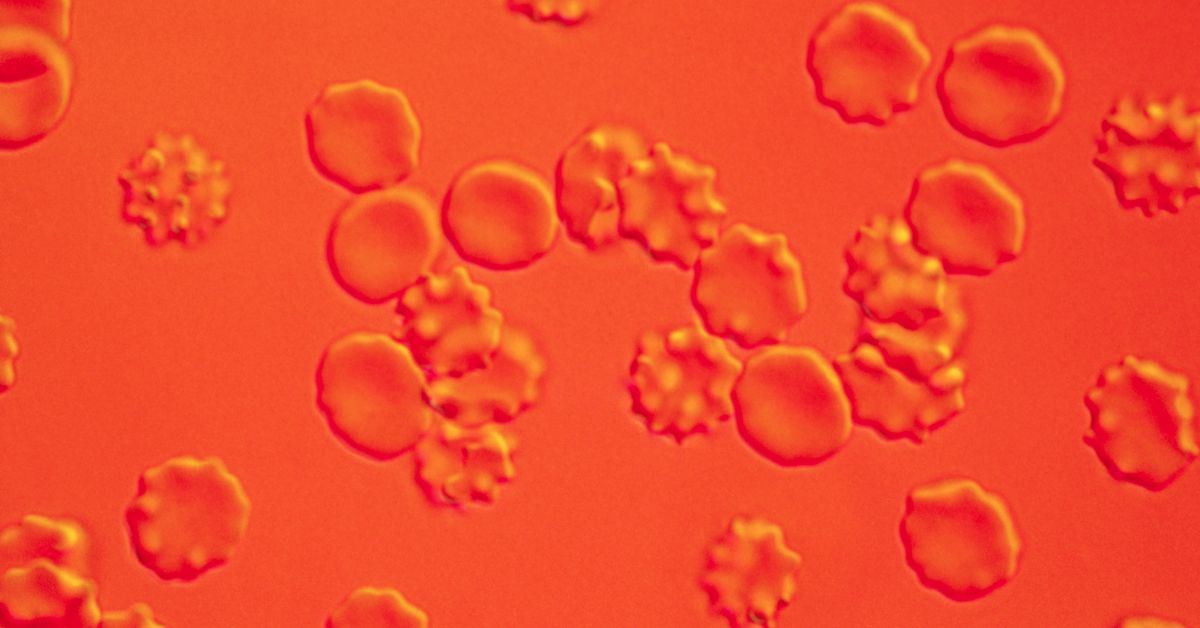
The classic red blood cell has a biconcave disc shape. Picture a doughnut that forgot to get a hole punched all the way through. This flattened, indented shape gives the cell a larger surface area relative to its volume, making gas exchange more efficient. Oxygen can move in and out quickly, which is exactly what the body needs during every heartbeat.
The shape also helps red blood cells bend and squeeze through narrow capillaries. Some capillaries are so tiny that RBCs must pass through almost single file. A stiff, bulky cell would get stuck like a couch in a narrow stairwell. A healthy red blood cell flexes, folds, and slides through with impressive microscopic elegance.
No Nucleus, More Room for Hemoglobin
Mature human red blood cells do not have a nucleus. That may sound like a design flaw at first because most cells need a nucleus to store genetic instructions. But in RBCs, losing the nucleus creates more room for hemoglobin, the iron-rich protein that binds oxygen.
This is a brilliant biological trade-off. Red blood cells give up the ability to repair and reproduce themselves, but they gain maximum carrying capacity. They become specialized oxygen haulerslean, flexible, and packed with hemoglobin. It is basically the cellular version of removing the back seats from a car to make more cargo space.
Hemoglobin: The Red Blood Cell’s Star Player
Hemoglobin gives red blood cells their color and their purpose. It contains iron, which helps bind oxygen in the lungs. When hemoglobin is loaded with oxygen, blood appears bright red. When it has released oxygen and is carrying more carbon dioxide back toward the lungs, blood looks darker red.
Each hemoglobin molecule can bind oxygen, carry it through the bloodstream, and release it where oxygen levels are lower. This oxygen pickup-and-drop-off system works with remarkable timing. In the lungs, oxygen is abundant, so hemoglobin loads up. In active tissues, where cells are using oxygen and producing carbon dioxide, hemoglobin lets oxygen go.
How Red Blood Cells Are Made
Red blood cells are produced in bone marrow, the soft, spongy tissue inside bones. The process is called erythropoiesis. It begins with blood-forming stem cells that mature through several stages before becoming fully developed red blood cells.
The kidneys help regulate RBC production by making erythropoietin, often shortened to EPO. When oxygen levels in the blood are low, the kidneys release more EPO. This hormone signals the bone marrow to make more red blood cells. When oxygen levels are adequate, EPO production decreases. The system works like a thermostat, except instead of adjusting room temperature, it adjusts oxygen-carrying capacity.
To make healthy red blood cells, the body needs several nutrients, especially iron, vitamin B12, and folate. Iron is necessary for hemoglobin. Vitamin B12 and folate help support proper cell production. When these nutrients are lacking, red blood cell production can suffer, and anemia may develop.
How Long Do Red Blood Cells Live?
Red blood cells usually circulate for about 120 days. After months of squeezing through blood vessels, delivering oxygen, and surviving the physical stress of circulation, older RBCs become less flexible. The spleen, liver, and bone marrow help remove worn-out cells from circulation and recycle useful components, including iron.
This recycling process is one reason the body is so efficient. It does not simply throw away red blood cells like used tissues after a sad movie. Instead, it breaks them down, reuses important materials, and builds new cells. Every day, the body replaces aging red blood cells with fresh ones from the bone marrow.
Main Functions of Red Blood Cells
1. Carrying Oxygen
The primary function of red blood cells is oxygen transport. Oxygen enters the lungs when you breathe in. From there, it crosses into the blood and binds to hemoglobin inside RBCs. The heart pumps this oxygen-rich blood throughout the body so organs, muscles, and tissues can produce energy.
Oxygen is essential for cellular respiration, the process cells use to turn nutrients into usable energy. Without enough oxygen, the body may feel tired, weak, foggy, or short of breath. This is why red blood cell disorders can affect daily life so noticeably. When the delivery trucks slow down, the whole city feels it.
2. Helping Remove Carbon Dioxide
Red blood cells also help remove carbon dioxide, a waste product created when cells use oxygen. Some carbon dioxide binds to hemoglobin, while much of it travels in the blood in other forms. Eventually, carbon dioxide reaches the lungs and leaves the body when you exhale.
This exchange keeps the body’s chemistry balanced. Oxygen goes in, carbon dioxide comes out, and the respiratory and circulatory systems perform their ongoing duet. It is not glamorous, but it is life-supporting choreography at its finest.
3. Supporting Acid-Base Balance
Red blood cells help maintain the body’s acid-base balance, also known as pH balance. Hemoglobin can bind certain hydrogen ions, and RBCs contain enzymes that help carbon dioxide convert into bicarbonate, an important buffer in the blood. This helps prevent the blood from becoming too acidic or too alkaline.
Stable blood pH is essential because enzymes, organs, and cells work best within a narrow range. Even small disruptions can affect normal body function. Red blood cells quietly help keep that balance steady while also handling oxygen delivery.
4. Influencing Blood Type and Transfusion Compatibility
The surface of red blood cells carries markers called antigens. The ABO blood group system depends on whether A and B antigens are present or absent on RBC surfaces. The Rh factor is another important marker. Together, these create common blood types such as A positive, O negative, AB positive, and others.
Blood type matters during transfusions because incompatible blood can trigger dangerous immune reactions. In emergencies, blood banks and hospitals rely on careful testing to match donor and recipient blood. Red blood cells may be small, but their surface markers carry big medical consequences.
Why Red Blood Cells Are So Important
They Keep Organs Working
Every organ depends on oxygen. The brain needs oxygen for thinking, memory, mood, and movement. The heart needs oxygen to pump effectively. Muscles need oxygen for strength and endurance. Even the digestive system needs oxygen to process nutrients and maintain healthy tissues.
When red blood cells are healthy and plentiful, oxygen delivery runs smoothly. When RBCs are too few, poorly formed, or unable to carry hemoglobin properly, organs may not receive enough oxygen. That is why red blood cell health is closely tied to overall energy, performance, and wellness.
They Reveal Clues About Health
Doctors often evaluate red blood cells through a complete blood count, or CBC. This common blood test may include red blood cell count, hemoglobin, hematocrit, and red blood cell indices such as mean corpuscular volume. These measurements help healthcare providers detect anemia, dehydration, inflammation, blood loss, nutritional deficiencies, kidney disease, bone marrow problems, and other conditions.
A low RBC count may suggest anemia or blood loss. A high RBC count may be related to dehydration, low oxygen levels, certain lung or heart conditions, or other causes. Hemoglobin and hematocrit help show how much oxygen-carrying capacity the blood has. These numbers are not meant to be interpreted alone, but together they give valuable insight into what is happening inside the body.
They Matter in Exercise and Endurance
Red blood cells play a major role in physical performance. During exercise, muscles demand more oxygen. The heart beats faster, breathing increases, and RBCs deliver oxygen to working tissues. Athletes often pay attention to iron status and hemoglobin because low levels can reduce endurance and make workouts feel unusually difficult.
This does not mean more red blood cells are always better. Too many RBCs can make blood thicker and may increase health risks. The goal is balance: enough healthy red blood cells to transport oxygen efficiently without pushing the system into unsafe territory.
Common Red Blood Cell Problems
Anemia
Anemia happens when the body does not have enough healthy red blood cells or hemoglobin to carry adequate oxygen to tissues. Symptoms may include fatigue, weakness, shortness of breath, dizziness, cold hands and feet, headaches, pale skin, and a fast heartbeat.
There are many types of anemia. Iron-deficiency anemia is common and may result from low iron intake, poor absorption, blood loss, or increased needs such as pregnancy. Vitamin-deficiency anemia can happen when vitamin B12 or folate levels are too low. Anemia of chronic disease may occur with long-term inflammation, kidney disease, cancer, or autoimmune conditions. Hemolytic anemia happens when red blood cells are destroyed faster than the body can replace them.
Sickle Cell Disease
Sickle cell disease is an inherited condition involving abnormal hemoglobin. Instead of remaining flexible and disc-shaped, some red blood cells become rigid and crescent-shaped. These cells can break down early and may block small blood vessels, causing pain, organ complications, and chronic anemia.
Sickle cell disease shows how structure and function are deeply connected. A change in hemoglobin can change the shape of the cell, and a change in shape can change how blood flows through the body.
Red Blood Cell Shape Disorders
Some inherited conditions affect the red blood cell membrane. For example, hereditary spherocytosis causes RBCs to become more sphere-like instead of biconcave. These rounder cells are less flexible and may be destroyed too quickly by the spleen, leading to hemolytic anemia.
Under a microscope, red blood cell shape can provide important clues. Cells that are too small, too large, pale, fragmented, sickled, or unusually shaped can point healthcare providers toward specific diagnoses.
How to Support Healthy Red Blood Cells
Eat Nutrients That Support Blood Production
A balanced diet helps the body make healthy red blood cells. Iron-rich foods include lean meats, seafood, beans, lentils, spinach, fortified cereals, and tofu. Vitamin B12 is found in animal products such as fish, meat, poultry, eggs, and dairy, as well as fortified foods. Folate is found in leafy greens, beans, citrus fruits, and fortified grains.
Vitamin C can help the body absorb non-heme iron from plant foods. Pairing beans with peppers, spinach with citrus, or fortified cereal with berries can support iron absorption. Yes, your breakfast can have a strategy. It does not need a clipboard, but it helps.
Do Not Ignore Symptoms
Persistent fatigue, shortness of breath, dizziness, chest discomfort, unusual paleness, rapid heartbeat, or unexplained weakness should not be brushed off as “just being busy.” These symptoms can have many causes, but red blood cell problems are one possibility. A healthcare provider can use blood tests to look for anemia and determine the underlying cause.
Understand Blood Donation
Blood donation depends heavily on red blood cells. Donated blood may be separated into components, including red cells, plasma, and platelets, so one donation can help different patients. Red blood cells are especially important for people with major blood loss, certain surgeries, cancer treatment, severe anemia, trauma, and inherited blood disorders.
Knowing your blood type can also be useful. Blood type is determined by antigens on red blood cells and the presence or absence of the Rh factor. In emergencies, compatible blood saves time and reduces risk.
Experience-Based Perspective: What Red Blood Cells Teach Us in Everyday Life
Red blood cells are easy to ignore because they do their job silently. Nobody wakes up in the morning and says, “Great work, erythrocytes. Five stars.” Yet people often notice when RBC function slips. The experience may begin as ordinary tiredness. A person climbs stairs and feels unusually winded. A student has trouble concentrating during class. A runner who normally enjoys a three-mile jog suddenly feels like their sneakers are filled with wet cement. These everyday moments can be the body’s quiet way of saying, “Please check the oxygen delivery department.”
Consider someone who has been feeling exhausted for weeks. They blame work, poor sleep, and the general chaos of being a modern human with passwords to remember. Eventually, a routine CBC shows low hemoglobin and low iron stores. With medical guidance, they address iron deficiency, improve nutrition, and investigate the cause. Over time, energy returns. The lesson is not that every tired person has anemia; it is that red blood cells are deeply connected to how alive and alert people feel.
Another common experience involves blood donation. Many first-time donors are surprised to learn how carefully donation centers screen hemoglobin levels before collecting blood. That quick finger-stick test is not random medical theater. It helps protect the donor by making sure they have enough hemoglobin to donate safely. It also helps ensure the collected blood can be useful for patients. Suddenly, red blood cells become more than textbook diagramsthey become part of community care.
Exercise offers another practical example. When training feels harder than usual, people often look at shoes, playlists, weather, or motivation. Those matter, of course. A terrible playlist can turn a workout into a slow-motion tragedy. But oxygen delivery matters too. Low iron, low hemoglobin, poor sleep, dehydration, or illness can affect performance. Healthy red blood cells help muscles receive oxygen efficiently, which is why blood health is part of endurance, recovery, and overall fitness.
Medical appointments also become less mysterious when people understand RBC basics. Terms like hematocrit, hemoglobin, MCV, anemia, iron deficiency, and erythropoietin sound less intimidating when you know they all connect to red blood cell number, size, production, or oxygen-carrying ability. Instead of staring at lab results like they were written by a bored wizard, patients can ask better questions: Is my hemoglobin normal? Are my red cells too small or too large? Could iron, B12, folate, kidney function, or inflammation be involved?
The biggest real-world lesson is that red blood cells reward balance. Too few can reduce oxygen delivery. Too many may make blood thicker or signal another condition. Cells that are misshapen may not travel well. Hemoglobin that is abnormal may not carry oxygen properly. The body does not need dramatic extremes; it needs a steady, well-regulated system.
So while red blood cells may never get celebrity status, they deserve respect. They are tireless, flexible, specialized, and essential. They carry oxygen to the brain that reads these words, the eyes that scan the screen, and the hand that reaches for coffee afterward. Tiny? Absolutely. Important? More than they let on.
Conclusion
Red blood cells are one of the most elegant examples of structure matching function in the human body. Their biconcave shape improves gas exchange. Their lack of a nucleus creates more room for hemoglobin. Their flexibility lets them squeeze through the narrowest blood vessels. Their hemoglobin carries oxygen from the lungs to tissues and helps return carbon dioxide for exhalation.
These cells are also central to medical testing, blood donation, anemia diagnosis, exercise performance, kidney-related blood production, and transfusion safety. When red blood cells are healthy, the body’s oxygen delivery system runs smoothly. When they are too few, damaged, misshapen, or low in hemoglobin, the effects can show up throughout daily life.
Note: This article is for educational publishing purposes and does not replace medical advice. Anyone with symptoms such as persistent fatigue, shortness of breath, chest pain, fainting, or unexplained weakness should seek guidance from a qualified healthcare professional.

