
Hair Care
Hey Pandas, Send Me A Cursed Image Of Something
Jun
Every corner of the internet has its own local wildlife. Facebook has distant relatives arguing under casserole recipes. TikTok has people explaining global economics while cutting a cucumber into ribbons. Reddit has a committee for everything, including whether your chair looks haunted. And then there is the strange, sticky little kingdom of cursed images: photos that are not exactly scary, not exactly funny, and definitely not something you want to see right before going to sleep.
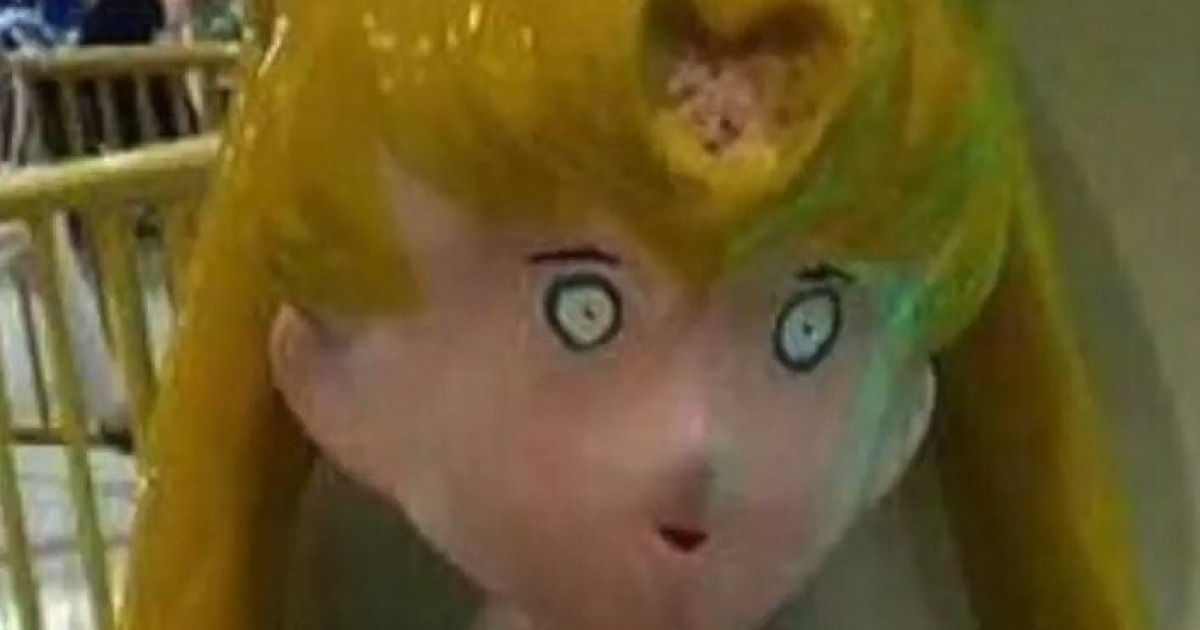
The phrase “Hey Pandas, send me a cursed image of something” sounds like a casual community prompt, but it taps into a much bigger internet habit. People love sharing weird pictures that make the brain pause and whisper, “I do not understand this, and yet I must continue looking.” A cursed image might be a suspiciously human-looking doll in a dentist’s chair, a microwave sitting alone in a forest, a cake shaped like a realistic foot, or a cat staring from inside a cereal box with the solemn energy of a Victorian ghost.
What makes these images so irresistible is not gore or shock value. In fact, the best cursed pictures are often harmless. Their power comes from confusion. They break the small rules of everyday life. They place familiar objects in the wrong context. They turn normal scenes into tiny mysteries. They make us laugh, cringe, and forward the photo to a friend with no explanation except, “Please suffer with me.”
In this article, we will explore what cursed images are, why communities like Bored Panda love them, how they became part of meme culture, and how to share them without becoming the villain of the group chat.
What Is a Cursed Image?
A cursed image is a photo that feels unsettling, confusing, awkward, or strangely wrong. It does not need to show anything dangerous. In fact, the classic cursed image is usually ordinary at first glance. The longer you look, the more your brain begins filing complaints.
Think of a plastic lawn chair placed in the middle of an empty swimming pool. A mannequin wearing a wedding dress in a gas station bathroom. A plate of spaghetti served in a shoe. A room full of dolls facing one corner like they are attending a very serious meeting. These images are cursed because they seem to have a backstory, but the backstory is missing, and your imagination is forced to clock in for unpaid overtime.
The Main Ingredients of a Cursed Image
Most cursed images share a few common traits. They are usually low-context, meaning there is no helpful explanation. They often look amateur or accidental, which makes them feel more “found” than staged. They include a familiar object, animal, person, or location behaving in an unfamiliar way. And most importantly, they create emotional static: part laughter, part discomfort, part “Who allowed this?”
A cursed image is different from a horror image. Horror tries to scare you. A cursed image tries to confuse your soul. It is not a monster jumping out of a closet. It is a single hot dog sitting on a velvet pillow under museum lighting. Nobody is harmed, but everyone is spiritually inconvenienced.
Why the Internet Loves Cursed Images
Cursed images became popular because they are built for modern scrolling. They work instantly. You do not need to read a long setup, understand a complicated joke, or know the lore of a celebrity feud. You see the picture, your brain glitches, and the reaction arrives in one second.
That speed matters. Social media rewards content that creates immediate emotion. Funny, shocking, adorable, confusing, and strangely beautiful posts tend to travel farther because people want to share the reaction. Cursed images sit in a sweet spot between humor and discomfort. They are weird enough to be memorable but usually safe enough to send to friends, coworkers, or that one cousin who only replies with skull emojis.
The Power of “Wrong But Not Dangerous”
Humans are wired to notice things that do not fit. A shoe belongs on a foot, not filled with soup. A toilet belongs in a bathroom, not in the middle of a carpeted living room with a lamp next to it. When an image violates a normal pattern, our attention snaps toward it. We want to solve the scene.
That is why cursed images are so sticky. They create questions without answers. Why is there a chair on the roof? Why is the birthday cake shaped like a raw chicken? Why does that plush toy have teeth? Why is the family portrait being photobombed by a goat wearing sunglasses? The lack of explanation becomes the joke.
How “Cursed” Became an Internet Language
The word “cursed” once mostly referred to magic, misfortune, or something doomed. Online, it evolved into a flexible description for anything that feels deeply off. A cursed image is not necessarily cursed by a witch. It is cursed because it creates the emotional sensation of stepping into a room and immediately wanting to step back out.
The cursed image genre gained momentum in the 2010s through Tumblr, Twitter, Reddit, Instagram, and other visual platforms. Early cursed-image accounts often posted photos without captions, letting the silence do the damage. That minimal style became part of the appeal. The image simply appeared in your feed like an artifact from a parallel universe where furniture has bad intentions.
Over time, “cursed” expanded beyond photos. People now use it for cursed comments, cursed food combinations, cursed design choices, cursed AI images, cursed toys, cursed architecture, and cursed screenshots. If something looks technically possible but morally suspicious, the internet will probably call it cursed.
Why “Hey Pandas” Prompts Work So Well
Community prompts like “Hey Pandas, send me a cursed image of something” work because they invite people to become part of the entertainment. Instead of passively reading a list, users can contribute their own finds, stories, and reactions. That turns the post into a digital potluck, except instead of casseroles, everyone brings one photo that looks like it was discovered in a haunted storage unit.
Bored Panda-style prompts thrive on participation. They are simple, playful, and open-ended. Anyone can join because the barrier is low. You do not need professional photography skills to share a cursed image. In fact, if the photo is too polished, it may lose some cursed power. The best submissions often look like they were taken quickly, in bad lighting, by someone who whispered, “Nobody will believe me unless I document this.”
Community Makes the Weirdness Better
A cursed image becomes funnier when people react together. One person sees a chair with doll legs and says, “No.” Another replies, “This is what my sleep paralysis demon sits on.” Someone else asks where to buy it, which is more concerning than the chair itself. The comments turn confusion into comedy.
That is the magic of community-driven meme culture. The image starts the joke, but the audience completes it. Every comment adds another layer. The result is not just a photo gallery; it is a shared emotional event, like group therapy conducted inside a broken vending machine.
Types of Cursed Images People Love to Share
Not every weird picture is cursed in the same way. Some are funny, some are eerie, some are accidentally artistic, and some make you question whether furniture should have rights. Here are the most common categories.
1. Cursed Food
Cursed food is a classic. It includes meals that are technically edible but emotionally illegal. Examples might include a pizza topped with candy corn, a sandwich with spaghetti as the filling, a gelatin mold containing hot dogs, or a birthday cake that looks exactly like a raw steak.
The humor comes from betrayal. Food is supposed to comfort us. Cursed food looks at comfort and says, “What if mayonnaise had a plot twist?”
2. Cursed Interior Design
Some homes contain design choices that feel like riddles. A carpeted bathroom. A staircase leading into a wall. A toilet installed with a perfect view of the kitchen. A bed placed under a chandelier that looks ready to file a lawsuit. These images are popular because they reveal human decision-making at its most mysterious.
Cursed interiors make us wonder what problem the designer thought they were solving. Sometimes the answer is budget. Sometimes the answer is confidence. Often, the answer is simply “chaos with a mortgage.”
3. Cursed Animals
Animals can become cursed without doing anything wrong. A cat photographed mid-sneeze. A dog sitting like a tired accountant. A raccoon standing under porch light like it came to discuss rent. A bird staring directly into the camera with the intensity of a tiny prosecutor.
These images are usually funny because animals are already unpredictable. Add bad timing, strange posture, or eerie lighting, and suddenly your pet looks like it knows your browser history.
4. Cursed Objects
Some objects should not exist, yet they do. A doll with realistic teeth. A chair shaped like a hand. A toothbrush holder that looks like it is screaming. A plush toy with eyes placed slightly too far apart. Cursed objects are popular because they feel manufactured by someone who had a vision, a glue gun, and no trusted friends to intervene.
5. Cursed Public Places
Public spaces create excellent cursed images because they combine normal life with unexpected absurdity. A vending machine selling only pickles. A restaurant sign with a deeply confusing slogan. A mannequin in a parking lot. A playground slide ending directly in front of a brick wall. These photos feel like side quests in a video game nobody remembers downloading.
What Makes a Cursed Image Shareable?
A cursed image becomes shareable when it produces a strong reaction quickly. The best ones have a clear focal point. Viewers should understand what they are looking at, even if they do not understand why it exists. If the image is too busy, the curse gets diluted. If it needs three paragraphs of explanation, it becomes homework.
Strong cursed images also balance weirdness with safety. A picture can be unsettling without being cruel, graphic, or harmful. The ideal cursed image makes people laugh and squint, not regret opening the link.
Good Cursed vs. Bad Cursed
A good cursed image is strange in a playful way. It invites jokes, theories, and harmless confusion. A bad cursed image relies on humiliation, injury, private information, or disturbing shock. The difference matters. Internet humor is best when it does not turn real people into targets.
Before sharing a cursed image, ask a few quick questions: Is anyone being mocked unfairly? Is there personal information visible? Is the image graphic or upsetting? Could it embarrass someone who did not consent to being posted? If the answer is yes, choose a different image. There are plenty of haunted lamps in the world. We do not need to ruin anyone’s day.
The Psychology Behind Cursed Images
Cursed images work because they activate curiosity. People are drawn to unusual, ambiguous, and mildly unsettling things. When something looks wrong but not immediately dangerous, the brain wants to investigate. It is the same reason people slow down to inspect a weird roadside statue or stare at a thrift-store painting of a horse with suspiciously human eyes.
There is also a social element. Sharing a cursed image says something about your sense of humor. It tells your friends, “I saw this bizarre thing and knew exactly who needed to be emotionally inconvenienced by it.” That act of sharing can strengthen bonds because everyone participates in the same tiny absurd experience.
Humor as a Coping Tool
Memes often help people process stress, boredom, and uncertainty. Cursed images do this in a particularly odd way. They take discomfort and shrink it into something manageable. Instead of dealing with the entire chaos of modern life, you can focus on one photo of a toaster wearing sunglasses in a bathtub and think, “Yes, this captures the mood.”
That is why cursed content often thrives during stressful times. It gives people a silly container for uneasy feelings. The world may be complicated, but at least everyone can agree that a doll collection arranged around a single banana is deeply unnecessary.
How to Take Your Own Cursed Image
You do not need special equipment to create a cursed image. In fact, a professional studio setup may make the image feel too intentional. Cursed photography loves bad lighting, awkward angles, and unexplained context. Your phone camera is more than enough.
Look for Everyday Weirdness
The best cursed images are often hiding in plain sight. Check thrift stores, garage sales, old diners, motel lobbies, flea markets, basements, office break rooms, and family storage closets. These places are museums of accidental strangeness. Somewhere out there is a ceramic frog holding a tiny briefcase, and it is waiting for its moment.
Use Composition Wisely
Even cursed images benefit from basic composition. Make sure the strange subject is visible. Avoid excessive blur unless the blur adds to the mystery. Do not over-edit. Heavy filters can make the image feel fake. A natural, slightly awkward photo usually works better.
Let the Image Breathe
Do not explain too much. A caption like “found this in my aunt’s hallway” may be enough. The more you explain, the less room viewers have to imagine. Cursed images live in the gap between evidence and explanation. Protect the gap. It is where the goblins work.
How to Share Cursed Images Responsibly
Because cursed images spread easily, it is worth sharing them thoughtfully. Avoid posting images of strangers in vulnerable situations. Blur identifying details like addresses, license plates, school names, and medical information. Do not share images that involve injury, cruelty, or private grief. A picture can be weird without being mean.
Accessibility also matters. Memes and visual jokes can exclude people who use screen readers if there is no useful description. When posting a cursed image, consider adding alt text or a short description. For example: “A plastic baby doll is sitting in a shopping cart wearing sunglasses and holding a single onion.” That description preserves the humor and lets more people join the joke.
Examples of Cursed Image Prompts for Your Community
If you want to start a fun comment thread, try prompts that are specific enough to inspire people but broad enough to welcome surprises. Here are a few examples:
- Send me the most cursed thing you saw in a thrift store.
- Show me a cursed food combination that should be illegal but technically is not.
- Post a picture of an object in your house that feels haunted for no clear reason.
- Share the weirdest design choice you have ever seen in a public bathroom.
- Send a cursed pet photo that makes your animal look like a small tax auditor.
- Show me a cursed holiday decoration that stayed up way too long.
These prompts work because they give people a mission. They also encourage storytelling. A cursed image becomes even better when someone explains that the terrifying clown lamp has been in their grandmother’s guest room since 1987 and nobody is brave enough to move it.
Why Cursed Images Feel So Modern
Cursed images fit the mood of the internet because they are fast, visual, ironic, and emotionally mixed. They do not ask us to choose between funny and unsettling. They are both. That blend feels familiar in a world where people often process serious things through jokes, screenshots, reaction images, and group chats.
They also remind us that the internet is not only polished influencers, perfect kitchens, and carefully staged vacation photos. It is also crooked mannequins, suspicious casseroles, chaotic thrift-store art, and signs that say things no sign should ever say. Cursed images restore balance. For every perfect smoothie bowl, there must be one photo of a banana taped to a ceiling fan. Nature demands it.
Personal Experiences With Cursed Images: The Joy of Digital Goblin Energy
Everyone who spends enough time online eventually develops a small internal museum of cursed images. Mine includes the kind of pictures that do not seem impressive when described out loud but become unforgettable once seen. A plastic chair alone in an elevator. A grocery-store cake with a printed face stretched so badly it looked like a witness protection program failed. A dog wearing a raincoat while standing upright in a doorway, radiating the energy of a landlord arriving for inspection.
The strange thing about these images is how quickly they become social currency. You do not share them because they are beautiful. You share them because they create a reaction that words cannot manage. Sending a cursed image to a friend is like saying, “I found this tiny disaster and immediately thought of you.” Somehow, that is affectionate. Slightly threatening, but affectionate.
In group chats, cursed images often appear at the exact moment conversation slows down. Someone drops in a photo of a suspicious doll, a badly repaired statue, or a sandwich that looks like it has legal problems. Suddenly the chat wakes up. People begin asking questions nobody can answer. Where did this come from? Who made it? Why does it look wet? Is it looking at me? Should we call someone? The picture becomes a campfire, and everyone gathers around to roast marshmallows over pure confusion.
One of the funniest experiences with cursed images is seeing how differently people react. Some friends are immune. They look at a photo of a mannequin head inside a refrigerator and say, “Nice.” Others treat every cursed image like a personal attack. They respond with “Delete this,” which, in internet language, usually means “This is horrible, and I will now save it.” A few become detectives. They zoom in, inspect the background, identify the brand of wallpaper, and build a full theory about the household responsible.
Cursed images also make ordinary life more interesting. Once you understand the genre, you start noticing small absurdities everywhere. A lonely shoe on a bus stop bench. A restaurant mascot with one eye slightly lower than the other. A holiday decoration still standing proudly in April. A vending machine stocked with a single mysterious item. These moments used to be forgettable. Now they feel like rare collectibles. The world becomes a scavenger hunt for harmless visual nonsense.
There is also comfort in the silliness. Not every day needs a grand lesson. Sometimes the best thing the internet can offer is a picture of a cat sitting inside a mixing bowl with the expression of someone who has seen the future and disliked the service. Cursed images give people permission to be unserious for a minute. They remind us that humor does not always need a punchline. Sometimes it only needs bad lighting, poor decisions, and a ceramic clown found in a basement.
That is why a prompt like “Hey Pandas, send me a cursed image of something” feels so inviting. It is not asking for perfection. It is asking for participation. It says, “Bring us your weirdest harmless discovery. Bring us the photo that made you pause. Bring us the object that should not exist but does, unfortunately, with confidence.” In a polished online world, cursed images are delightfully messy. They are digital goblin energy, and honestly, the goblins are doing important cultural work.
Conclusion
Cursed images are one of the internet’s strangest and most enduring forms of visual humor. They turn everyday objects, awkward spaces, odd animals, and confusing design choices into tiny mysteries that people cannot stop sharing. Their appeal comes from a mix of curiosity, discomfort, humor, and community reaction. They are funny because they feel wrong, but they are memorable because they leave room for imagination.
A great cursed image does not need gore, cruelty, or shock. It only needs the right combination of familiar and bizarre. A suspicious chair. A haunted cake. A pet caught at the wrong angle. A room that seems designed by someone who lost a bet with gravity. When shared responsibly, these images become harmless little sparks of group laughter.
So yes, Pandas, send the cursed image. Send the thrift-store lamp with emotional baggage. Send the sandwich that looks like a cryptid. Send the public bathroom design that raises more questions than it answers. Just keep it kind, keep it safe, and remember: the best cursed images do not ruin your day. They merely stare at your day from across the room until your day becomes uncomfortable.

