
Beauty Unlocked
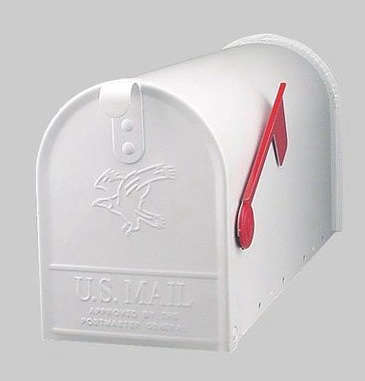
Large Steel Rural Mailbox
Jun
A large steel rural mailbox may not be the flashiest thing in the yard, but it is one of those small household upgrades that quietly does a heroic amount of work. It waits in the rain, bakes in the sun, survives snowplows, guards birthday cards, catches utility bills, and somehow becomes the first thing delivery drivers, neighbors, and passing cyclists notice. In other words, it is not just a box. It is the tiny front desk of your home.
For rural homes, farms, long driveways, country properties, and suburban houses with curbside delivery, choosing the right mailbox matters more than many homeowners realize. A small, flimsy mailbox can become a daily annoyance when magazines bend, padded envelopes stick out, or packages end up balanced on top like a nervous circus act. A large steel rural mailbox solves many of those problems with extra capacity, stronger construction, and better weather resistance.
This guide explains what makes a large steel rural mailbox worth buying, how to choose one, what USPS-friendly installation looks like, and which practical features make everyday mail delivery easier. We will also cover real-life experience, maintenance tips, security considerations, and a few curb appeal ideas that do not require turning your mailbox post into a miniature theme park.
What Is a Large Steel Rural Mailbox?
A large steel rural mailbox is a curbside, post-mounted mailbox designed to hold more mail than a standard residential box. It is typically made from galvanized steel, powder-coated steel, or heavy-gauge steel, and it is commonly used for roadside delivery on rural routes, highway contract routes, and neighborhoods where the mail carrier delivers from a vehicle.
The word “large” usually means the mailbox has a wider or taller interior than traditional models. That extra room is useful for catalogs, magazines, small parcels, prescription deliveries, padded mailers, seed packets, replacement phone chargers, and the mysterious boxes we all swear we did not order at midnight.
Steel is popular because it offers a practical balance of strength, affordability, and durability. Galvanized steel is treated to resist rust, while powder-coated finishes add another protective layer against rain, snow, sun, and daily wear. Compared with lightweight plastic boxes, steel tends to feel sturdier. Compared with premium cast aluminum or stainless steel models, it is often more budget-friendly.
Why Rural Homes Benefit from a Larger Mailbox
Rural mail delivery often works differently from city door delivery. The mailbox may sit far from the house, exposed to open weather and roadside dust. Homeowners may not check mail every single day, especially during storms, long workdays, vacations, or harvest season. A larger mailbox gives mail more breathing room and helps prevent bending, cramming, and overflow.
More Room for Modern Mail
Mail has changed. Yes, letters still exist, but many households now receive padded envelopes, small e-commerce packages, medication shipments, legal documents, catalogs, and subscription boxes. A large capacity mailbox can handle these items better than a narrow traditional box. The result is fewer crushed envelopes and fewer packages left exposed outside the box.
Better Protection from Weather
On a rural road, a mailbox may face wind-driven rain, blowing snow, mud splashes, and intense sunlight. A roomy steel mailbox keeps more items fully inside the box, which helps protect them from moisture and fading. When mail sticks halfway out, it becomes an invitation for rain to do its worst. Nobody wants a water-wrinkled tax form or a soggy birthday card that looks like it survived a canoe trip.
Convenience for Busy Households
A larger rural mailbox is especially useful for families, remote workers, small business owners, hobby farmers, and anyone who orders supplies online. If you receive several days of mail at once, the extra space can prevent overflow. It also gives the carrier a better chance of placing items safely inside rather than leaving them near the post.
Key Features to Look For
Not all large steel rural mailboxes are equal. Some are simple and affordable. Others focus on security, package capacity, or decorative style. Before buying, it helps to understand the features that actually matter.
USPS Approval
For curbside delivery, look for a mailbox that is marked as USPS approved or Postmaster General approved. This matters because curbside boxes need to meet standards for carrier access, size, flag design, door operation, and safe delivery. A mailbox can be beautiful enough to make the neighbors whisper, but if it causes delivery problems, beauty will not save it.
Galvanized Steel Construction
Galvanized steel is steel coated with a protective zinc layer to reduce rust. It is a common material for outdoor mailboxes because it handles weather better than untreated metal. For rural properties, galvanized steel is a smart baseline feature because the box may sit outdoors for years with limited shelter.
Powder-Coated Finish
A powder-coated finish helps protect the surface from scratches, chips, and corrosion. It also gives the mailbox a cleaner appearance. Black, white, bronze, gray, and green are common colors. Dark finishes look classic and hide dirt well, while lighter colors can stay cooler in direct sun and may stand out better against landscaping.
Large or Extra-Large Capacity
Check the interior size, not just the marketing label. A “large” mailbox should comfortably fit magazines without folding and should handle small padded mailers. Extra-large models may fit multiple small parcels, depending on the door opening and interior height. If your household gets frequent deliveries, capacity should be one of your top priorities.
Strong Door and Latch
The door should open smoothly and close securely. A weak latch can pop open during wind or vibration from traffic. A magnetic catch, reinforced latch, or snug mechanical closure helps keep the door shut. In rural areas, where wind can be rude enough to rearrange patio furniture, a secure door is not a luxury.
Visible Red Signal Flag
The outgoing mail flag should be easy for the carrier to see from the road. Most rural mailboxes include a red metal or plastic flag. Make sure it moves easily and stays upright when raised. A floppy flag is the mailbox equivalent of a shrug.
Locking Compartment
If mail theft is a concern, consider a large locking steel rural mailbox. These models usually have a mail slot or delivery door and a locked retrieval compartment. They are useful for checks, documents, prescriptions, and personal mail. However, confirm that the slot is large enough for your usual mail volume. Some locking boxes trade capacity for security.
Large Steel Rural Mailbox vs. Standard Mailbox
A standard rural mailbox may be enough for a household that mostly receives letters and checks mail daily. However, a large steel rural mailbox is better for homes that receive frequent packages, magazines, catalogs, or several days of mail at a time.
The biggest advantage is capacity. Standard boxes can quickly become crowded. Once the box is full, mail may bend, jam, or stick out. Large boxes reduce that problem. Steel construction also gives the mailbox a more solid feel, which is helpful where road vibration, weather, and accidental bumps are common.
The tradeoff is size and weight. A large steel box needs a strong, properly installed post. If the post is old, leaning, or damaged, the new mailbox may expose the weakness immediately. It is a bit like putting new boots on a wobbly chair: technically possible, but not wise.
Installation Basics for Rural Mailboxes
Correct installation is just as important as choosing the box. A properly placed mailbox helps the mail carrier deliver safely and consistently. In general, curbside mailboxes should be installed at a carrier-friendly height and set back from the road or curb so the carrier can reach the box from the vehicle.
USPS guidance commonly places the bottom of the mailbox or point of mail entry about 41 to 45 inches above the road surface, with the mailbox set about 6 to 8 inches back from the curb. If there is no raised curb, homeowners should contact the local postmaster for guidance. Rural routes can vary, and local road conditions matter.
Choose the Right Side of the Road
On many rural and contract delivery routes, mailboxes are placed on the right-hand side of the road in the carrier’s direction of travel. This helps carriers deliver without crossing traffic. Before moving a mailbox, replacing a post, or changing the location, check with your local post office. A five-minute call can prevent a surprisingly annoying delivery problem later.
Use a Safe, Stable Post
A mailbox post should be sturdy enough to support the box but not so rigid that it creates a roadside hazard. Many homeowners use wood posts or approved metal posts. Avoid turning the mailbox base into a concrete fortress unless local rules allow it. The mailbox should be stable, but it should not be built like it expects battle.
Add Clear Address Numbers
Large, reflective address numbers are a small upgrade with a big payoff. They help mail carriers, delivery drivers, emergency responders, and guests find the property. Place numbers on the mailbox or post where they are visible from the road. If the mailbox sits on a different street from the house, include the full street address.
Security: When a Locking Steel Mailbox Makes Sense
A locking rural mailbox is not necessary for every home, but it can be valuable in areas with mail theft, long driveways, vacation homes, or frequent deliveries of sensitive documents. Heavy-gauge steel locking mailboxes often include anti-pry doors, reinforced compartments, and secure retrieval access.
The key is matching security to your mail habits. If you mostly receive letters, statements, and small envelopes, a locking mailbox can work well. If you receive many packages, make sure the mailbox is designed for larger parcel drops. Some extra-large locking mailboxes include package-friendly bins, while others only accept thin envelopes through a slot.
For homeowners who travel often, a locking large steel rural mailbox can reduce stress. It does not replace vacation mail hold services for long trips, but it can protect ordinary daily mail until you return from work or a weekend away.
Weather Resistance and Maintenance
Steel mailboxes are durable, but they still need occasional care. Outdoor metal faces moisture, road salt, UV exposure, dust, insects, and the occasional bird with suspiciously accurate aim. A little maintenance keeps the box looking better and lasting longer.
Inspect for Scratches
Scratches can expose bare metal. If you notice chips or worn spots, clean the area and use exterior metal touch-up paint. This is especially important in snowy regions where road salt can speed up corrosion.
Clean the Door and Hinges
Wipe down the mailbox a few times a year with mild soap and water. Check the hinge, latch, and flag for smooth operation. If the hinge squeaks, use a small amount of outdoor-safe lubricant. Your mailbox should not sound like a haunted barn every time the carrier opens it.
Watch for Post Movement
Freeze-thaw cycles, soft soil, mower bumps, and roadside vibration can loosen a post over time. If the mailbox leans, fix it early. A tilted mailbox can make delivery awkward and may allow rain to enter more easily.
Curb Appeal: Making a Steel Mailbox Look Good
A large steel rural mailbox is functional first, but that does not mean it has to look boring. In fact, because the mailbox often sits at the road, it plays a bigger role in curb appeal than many homeowners expect.
For a farmhouse look, pair a black or galvanized steel mailbox with a simple wood post and clean address numbers. For a modern home, choose a sleek powder-coated finish and minimal hardware. For a cottage-style property, add low-maintenance flowers around the base, but keep plants trimmed so they do not block the door, flag, or address numbers.
Avoid decorations that interfere with delivery. Oversized planters, dangling signs, vines, and seasonal props can look charming until the mail carrier has to wrestle a catalog past a plastic pumpkin. Keep the area neat, visible, and easy to access.
Best Uses for a Large Steel Rural Mailbox
A large steel rural mailbox is ideal for several common situations. It works well for rural homes with long driveways, households that receive frequent online orders, properties where mail is checked every few days, and homes exposed to harsh weather. It is also practical for small businesses that receive documents, product samples, invoices, and shipping supplies by mail.
Gardeners may appreciate the extra room for seed catalogs and plant orders. Home mechanics may receive small replacement parts. Homeschooling families may get books and learning materials. Remote workers may receive business documents. In each case, the larger mailbox reduces the chance of bent, jammed, or exposed mail.
Common Mistakes to Avoid
The first mistake is buying based only on looks. A mailbox can look handsome online and still be too small, too flimsy, or awkward to install. Always check size, material, door opening, mounting compatibility, and USPS approval.
The second mistake is ignoring the post. A large steel mailbox needs solid support. If the old post is cracked, leaning, or rotted, replace it. Installing a heavy new box on a weak old post is like putting a new roof on a shed with three walls.
The third mistake is placing the mailbox without checking local guidance. Rural road shoulders, snowplow paths, drainage ditches, and carrier routes can affect placement. When in doubt, ask the local post office before digging.
The fourth mistake is forgetting maintenance. Even a durable steel mailbox benefits from occasional cleaning, rust prevention, and hinge care. Five minutes twice a year can add years of service.
Buying Checklist for a Large Steel Rural Mailbox
Before choosing a mailbox, ask a few practical questions. Is it USPS approved for curbside delivery? Is it made from galvanized steel or heavy-gauge powder-coated steel? Is the door large enough for your typical packages? Does it need a lock? Will it fit your current post, or do you need a new post kit? Are the address numbers easy to see at night? Does the finish match your home’s exterior?
For most homeowners, the best choice is a USPS-approved large galvanized steel mailbox with a powder-coated finish, sturdy latch, visible flag, and enough interior space for several days of mail. For higher-security needs, a locking steel model with a reinforced door and package-friendly design may be worth the extra cost.
Experience: Living With a Large Steel Rural Mailbox
The biggest difference you notice after switching to a large steel rural mailbox is not dramatic. There is no parade. The mailbox does not play a tiny trumpet. But daily life becomes smoother in small, satisfying ways. Magazines arrive flat. Padded envelopes fit without being folded into strange origami. Small boxes are more likely to stay protected from rain. The carrier has more room to work, and the homeowner has fewer little annoyances waiting at the end of the driveway.
One of the most useful experiences comes during bad weather. With a small mailbox, rain can soak mail that sticks out of the door. In windy areas, the door may blow open if the latch is weak. A larger steel box with a secure latch handles those situations better. The extra space allows mail to sit fully inside, while the stronger door helps keep the contents protected. This is especially noticeable in rural areas where the mailbox may be exposed with no trees, porch, or nearby structure to block the weather.
Another practical benefit appears during busy weeks. Many people do not check the mail every afternoon. Maybe the driveway is long. Maybe the weather is miserable. Maybe life gets busy and the mailbox becomes tomorrow’s problem. A large capacity mailbox gives you more forgiveness. Instead of opening the door and finding a jammed pile of catalogs, envelopes, and one determined package, you usually find everything sitting with a little more order.
For households that order online, the experience is even better. A large steel rural mailbox will not replace a full parcel box for big deliveries, but it can handle many small items that would otherwise be left outside. Phone cables, books, vitamins, craft supplies, hardware packets, small tools, and padded envelopes often fit easily. That means fewer deliveries sitting in the open and fewer trips to retrieve items from the porch, especially when the mailbox is closer to the road than the house.
Installation also teaches a valuable lesson: the post matters as much as the mailbox. A heavy steel box feels secure only when the post is straight, stable, and properly positioned. If the post wobbles, the entire setup feels cheap, even if the mailbox itself is excellent. Many homeowners upgrading from a smaller box discover that replacing the post at the same time is worth it. A fresh post, clear numbers, and a level mailbox can make the whole roadside area look cleaner.
Maintenance is simple but important. Wiping the box clean, checking the latch, tightening hardware, and touching up scratches can prevent rust and keep the mailbox looking sharp. In snowy areas, it is smart to inspect the box after winter because road salt and snowplow spray can be rough on metal finishes. In sunny regions, a quality powder-coated finish helps preserve color, but occasional cleaning still keeps dust and pollen from building up.
From a curb appeal perspective, a large steel rural mailbox has a surprisingly strong effect. It gives the entrance to the property a more finished look. A dented, leaning mailbox can make even a beautiful property feel neglected. A clean, oversized steel mailbox with readable numbers sends the opposite message: this place is cared for, deliveries are welcome, and yes, the homeowners probably own a level.
The best experience comes from choosing a mailbox based on real habits. If you check mail daily and rarely receive packages, a simple large steel model may be perfect. If you travel, receive checks, or worry about theft, choose a locking version. If you receive frequent small parcels, prioritize door size and interior volume. The right mailbox is not always the most expensive one; it is the one that fits your road, weather, mail volume, and patience level.
In the end, a large steel rural mailbox is one of those practical upgrades that feels boring until you have it. Then it becomes quietly indispensable. It protects mail, improves roadside appearance, supports easier delivery, and reduces the tiny frustrations that come from a too-small box. It is not glamorous, but neither is a good roof, a reliable shovel, or a coffee maker that works before sunrise. Some household heroes simply do their job without applause.
Conclusion
A large steel rural mailbox is a smart upgrade for homeowners who want more capacity, better durability, stronger weather protection, and improved curb appeal. Whether you live on a country road, manage a small farm, run a home office, or simply receive more packages than your old mailbox can handle, a large galvanized or powder-coated steel mailbox can make daily mail delivery easier and cleaner.
The best choice is USPS approved, properly installed, easy for the carrier to access, large enough for your mail habits, and strong enough to handle outdoor conditions. Add clear address numbers, maintain the finish, keep the area accessible, and your mailbox will serve as a reliable roadside workhorse for years. It may not be the most exciting purchase you make this year, but it might be one of the most useful. And unlike half the gadgets in the garage, it will not need a software update.

