
Body Care
Recipe: Sweet Potato Chips with Guacamole
Jun
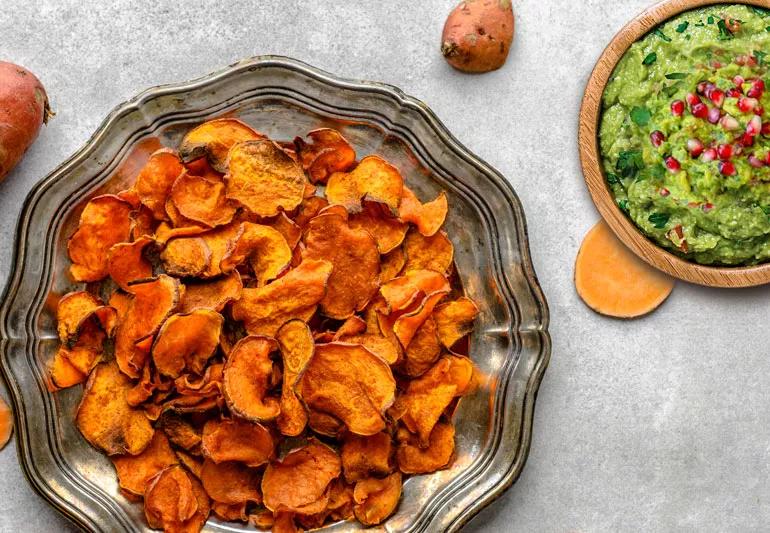
There are snacks, and then there are snacks that mysteriously disappear before they reach the table. These sweet potato chips with guacamole belong firmly in the second category. The chips are thin, lightly seasoned, crisp around the edges, and naturally sweet, while the guacamole is creamy, citrusy, salty, and just spicy enough to keep everyone reaching for another scoop.
This homemade snack is also refreshingly simple. You do not need a deep fryer, a restaurant kitchen, or a complicated ingredient list. A couple of sweet potatoes, several ripe avocados, a sharp slicing tool, and some patient oven time are enough to create an appetizer that looks far more ambitious than it really is.
The recipe below uses the oven, which makes it easier to control the amount of oil while avoiding the bubbling drama of deep-frying. The secret is not a mysterious chef trick. It is careful slicing, proper spacing, and resisting the urge to pull every chip from the oven at exactly the same moment.
Why Sweet Potato Chips and Guacamole Work So Well
Sweet potatoes and avocados are a natural flavor partnership. The earthy sweetness of the chips balances the richness of avocado, while fresh lime juice and jalapeño prevent the dip from feeling heavy. Add a little smoked paprika and cumin to the chips, and the whole combination begins leaning into warm Southwestern flavors without becoming overly complicated.
Texture is equally important. A good chip should be crisp enough to scoop the guacamole without folding like a tiny orange napkin. Meanwhile, the guacamole should be creamy but not completely smooth. Leaving a few avocado chunks creates a more interesting bite and helps the dip cling to the chips rather than sliding off at the worst possible moment.
Sweet potatoes also bring more personality than standard tortilla chips. Their color makes the platter look lively, and their subtle sweetness creates room for bold seasonings such as chili powder, chipotle, garlic, cayenne, or lime zest.
Ingredients for Sweet Potato Chips with Guacamole
Preparation time: 20 minutes
Cooking time: 30 to 40 minutes
Total time: About 1 hour
Yield: 4 appetizer servings
For the Sweet Potato Chips
- 2 medium sweet potatoes, preferably long and evenly shaped
- 1 1/2 tablespoons avocado oil or olive oil
- 1 teaspoon cornstarch
- 1/2 teaspoon smoked paprika
- 1/4 teaspoon ground cumin
- 1/4 teaspoon garlic powder
- 1/2 teaspoon kosher salt, plus more for finishing
- Freshly ground black pepper, to taste
- Finely grated lime zest, optional
For the Fresh Guacamole
- 3 ripe Hass avocados
- 2 tablespoons fresh lime juice, plus more to taste
- 1/4 cup finely diced red or white onion
- 1 small jalapeño, seeded and finely minced
- 1/4 cup chopped fresh cilantro
- 1 small garlic clove, finely grated or minced
- 1/2 teaspoon kosher salt, plus more to taste
- 1 small Roma tomato, seeded and diced, optional
- Pinch of ground cumin, optional
Essential Equipment
A mandoline slicer is the most useful tool for this recipe because it creates evenly thin slices. Uniformity matters: a thick slice may remain soft while the slice beside it becomes a crunchy little fossil. Set the mandoline to approximately 1/16 inch if possible, and always use the hand guard or a cut-resistant glove.
A sharp chef’s knife can also work, although slicing will take longer. You will also need two large baking sheets, parchment paper, mixing bowls, a flexible spatula or tongs, and a fork or potato masher for the guacamole.
How to Make Crispy Baked Sweet Potato Chips
Step 1: Preheat and Prepare
Preheat the oven to 300°F. Line two large baking sheets with parchment paper. A moderately low temperature helps remove moisture gradually, giving the chips time to crisp before their natural sugars become too dark.
Scrub the sweet potatoes thoroughly and dry them. The skin can stay on for additional texture and less kitchen waste. Trim the narrow ends so the potatoes sit steadily against the mandoline.
Step 2: Slice the Sweet Potatoes Evenly
Slice the sweet potatoes into very thin rounds, approximately 1/16 inch thick. Try to keep every piece as uniform as possible. If you are using a knife, work slowly and aim for slices thin enough to appear slightly flexible.
Pat the slices with a clean kitchen towel or paper towels. Removing surface moisture encourages browning and helps the oil coat the potatoes instead of forming watery patches.
Step 3: Add Oil and Seasonings
Place the slices in a large bowl. Add the oil and toss until every slice has a very light coating. The goal is a sheen, not an oil bath. Too much oil can make baked chips greasy and slow down crisping.
In a small bowl, combine the cornstarch, smoked paprika, cumin, garlic powder, salt, and black pepper. Sprinkle the mixture evenly over the potatoes and toss again. Cornstarch helps create a drier exterior, but use it lightly. Too much can leave a powdery coating.
Step 4: Arrange in a Single Layer
Spread the slices across the prepared baking sheets in one layer. The edges should not overlap. Crowding traps steam, and steam is the sworn enemy of a crisp chip.
If the slices do not fit comfortably, bake them in batches. An overcrowded pan may appear efficient, but it usually produces a committee of soft potato circles rather than actual chips.
Step 5: Bake, Flip, and Watch Closely
Bake for 15 minutes. Remove the pans, carefully flip each slice, and rotate the baking sheets from front to back. Continue baking for 10 to 20 minutes.
Begin checking frequently after the first 10 minutes of the second baking period. Smaller and thinner pieces will finish first. Remove individual chips when their edges are dry, curled, and lightly browned. Leave paler or softer slices in the oven for a few additional minutes.
The chips may still feel slightly flexible when hot. They will become firmer as they cool, so avoid baking them until every slice feels completely rigid in the oven.
Step 6: Cool Completely
Transfer finished chips to a wire rack or a cool sheet of parchment. Let them rest for at least 10 minutes. Cooling is not merely a polite pause before eating; it is part of the crisping process.
Finish with a small pinch of salt and optional lime zest. Taste before adding more seasoning because the flavors become more concentrated as the chips dry.
How to Make Chunky Homemade Guacamole
Step 1: Build the Flavor Base
Place the diced onion, jalapeño, garlic, half of the cilantro, and salt in a medium bowl. Press and mash the mixture with the back of a fork for about 30 seconds. This releases moisture and aromatic oils, helping the seasonings spread through the avocado more evenly.
Step 2: Add the Avocados
Cut the avocados lengthwise and remove the pits carefully. Scoop the flesh into the bowl. Add the lime juice and mash gently with a fork or potato masher.
Stop while visible chunks remain. Guacamole continues to soften as it is stirred, so it is better to begin slightly chunkier than you think you want.
Step 3: Fold and Season
Fold in the remaining cilantro and the optional tomato. Add a pinch of cumin when you want a warmer, earthier flavor. Taste the guacamole with an actual sweet potato chip rather than a spoon because the seasoning on the chip will affect how the dip tastes.
Add more salt, lime juice, or jalapeño as needed. The finished dip should taste rich at first, followed quickly by acidity, salt, fresh herbs, and mild chile heat.
How to Choose Ripe Avocados
Great guacamole begins at the grocery store. A ripe Hass avocado should feel firm but yield slightly when gently pressed in the palm. Avoid squeezing with your fingertips, which can bruise the flesh.
Rock-hard avocados need more time. Place them in a paper bag at room temperature, optionally with an apple or banana, and check them daily. Very soft avocados may still work for guacamole, but inspect the flesh for extensive brown areas or an unpleasant smell.
If your avocados are ready before you are, move them to the refrigerator. Chilling slows further ripening and gives you a little more control over the schedule.
Tips for Extra-Crispy Sweet Potato Chips
Keep the Slices Uniform
Thickness determines cooking time. Even slices cook at nearly the same rate, reducing the number of burned edges and soft centers. A mandoline is especially valuable when preparing multiple batches.
Use Less Oil Than You Think
Oil helps with browning and carries the seasonings, but excess oil can weigh down thin slices. Start with a modest amount and toss thoroughly before deciding whether more is necessary.
Do Not Overload the Pans
Leaving space between the slices allows hot air to circulate. When potatoes overlap, moisture becomes trapped, and the covered sections remain soft.
Remove Chips in Stages
No matter how carefully you slice, a few pieces will cook faster. Treat the oven like an airport arrival board: not everything lands at once. Remove finished chips and return the rest to the oven.
Let Them Cool Before Judging
Freshly baked sweet potato chips often seem softer than expected. Give them several minutes in open air before deciding whether they need additional baking.
Flavor Variations
Chili-Lime Chips
Replace the smoked paprika with chili powder and add lime zest after baking. For stronger heat, include a small pinch of cayenne pepper.
Smoky Chipotle Chips
Add 1/4 teaspoon ground chipotle powder to the seasoning mixture. Chipotle brings both heat and smoke, so begin cautiously unless your guests regard hot sauce as a beverage.
Garlic-Herb Chips
Use garlic powder, dried oregano, black pepper, and a small amount of finely grated Parmesan. Add the cheese during the final few minutes so it does not burn.
Mango Guacamole
Fold 1/3 cup finely diced ripe mango into the finished guacamole. Its juicy sweetness plays nicely with jalapeño, lime, and smoky chips.
Roasted Corn Guacamole
Add 1/2 cup roasted corn kernels, a little extra lime juice, and a pinch of smoked paprika. This variation is especially useful when serving the recipe as part of a summer cookout.
Cilantro-Free Guacamole
Leave out the cilantro and substitute chopped green onion, flat-leaf parsley, or a small amount of fresh oregano. The cilantro police will not arrive, and guests who dislike the herb will be grateful.
Serving Ideas
Serve the sweet potato chips on a wide platter with the guacamole in a shallow bowl. A shallow bowl provides more dipping space and prevents the familiar party problem in which several people attempt to access the same square inch of guacamole.
Garnish the dip with cilantro leaves, diced tomato, sliced jalapeño, toasted pumpkin seeds, or crumbled Cotija cheese. For a more substantial appetizer spread, add black bean salsa, roasted corn, fresh vegetables, and lime wedges.
The chips can also become miniature nachos. Arrange them on an oven-safe platter, add black beans and shredded Monterey Jack cheese, and heat briefly until the cheese melts. Finish with guacamole, salsa, scallions, and pickled jalapeños.
Storage and Make-Ahead Advice
Sweet potato chips are best on the day they are baked. Store completely cooled chips in an airtight container at room temperature. If they soften, arrange them on a baking sheet and warm them in a 275°F oven for several minutes, then cool them again before serving.
Guacamole tastes best shortly after preparation. To store it, transfer it to a small airtight container and smooth the surface. Press reusable food wrap or plastic wrap directly against the guacamole to limit contact with air, then refrigerate.
Fresh lime juice helps slow discoloration, although it cannot stop it indefinitely. A thin brown layer on top is generally caused by oxidation rather than immediate spoilage. Stirring may restore the color, but discard guacamole that develops an unpleasant odor, mold, or other signs of spoilage.
A Colorful Homemade Snack
This recipe combines two satisfying whole-food ingredients in a format that feels playful rather than overly serious. Orange-fleshed sweet potatoes provide beta-carotene and fiber, while avocados supply fiber and predominantly unsaturated fats. Baking also allows you to control the amount of oil and salt used.
That does not mean the entire bowl becomes a single serving simply because vegetables are involved. Sweet potato chips with guacamole are filling, but they are also extremely easy to keep eating while discussing how filling they are.
My Experience Making Sweet Potato Chips with Guacamole
The first time I attempted homemade sweet potato chips, I treated the recipe as though I were making roasted vegetables. I sliced the potatoes into friendly, generous rounds, poured on a confident amount of oil, and crowded everything onto one baking sheet. Forty minutes later, I had produced delicious sweet potato coins. They were soft, slightly caramelized, and completely incapable of holding guacamole. One enthusiastic dip caused the chip to fold in half and surrender immediately.
The next attempt involved a mandoline, which changed everything. The slices looked almost translucent and cooked much more evenly. It also taught me that a mandoline deserves respect. The hand guard is not an optional decoration included to make the box look more technical. Using itor wearing a cut-resistant gloveallows you to focus on creating uniform slices instead of wondering whether dinner is about to include an unscheduled trip for medical care.
I also discovered that the chips refuse to obey a shared timetable. The smaller rounds near the ends of the potatoes crisp several minutes before the broad center slices. At first, I left them all in the oven together because removing individual chips felt inconvenient. The result was a strange mixture of chewy slices and dark brown chips with the structural properties of roofing material. Once I began checking the pans frequently and removing pieces in stages, the overall batch improved dramatically.
The biggest surprise was how much the chips changed during cooling. Several slices that seemed disappointingly flexible straight from the oven became crisp after resting on a rack. That discovery saved me from repeatedly overbaking them. Now I let a test chip cool for two or three minutes before deciding whether the remaining batch needs more time. It is a small pause that prevents a large quantity of unnecessary crunch-related tragedy.
Guacamole provided its own lesson: texture matters more than fancy additions. I once blended the avocados in a food processor until they were completely smooth. The result looked elegant but felt more like avocado cream than guacamole. Hand-mashing with a fork leaves irregular chunks and makes the dip seem fresher and more substantial. Mashing the onion, jalapeño, cilantro, and salt together before adding the avocado also spreads the flavor more evenly.
Serving the two components together revealed the importance of final seasoning. Guacamole that tasted perfectly salty from a spoon became slightly muted when paired with seasoned chips. On another occasion, salty chips overwhelmed an aggressively seasoned dip. Tasting them together before serving fixed the balance. Usually, the answer is a little more lime in the guacamole rather than more salt everywhere.
This recipe has since become one of my favorite appetizers for casual gatherings because most of the work can happen before guests arrive. The guacamole takes only a few minutes, and the chips make the kitchen smell warm and smoky. They rarely look identical, but that is part of their homemade charm. Some are flat, some curl dramatically, and a few vanish during quality control. Strangely, the cook is always responsible for that last category.
Final Thoughts
Sweet potato chips with guacamole deliver sweetness, salt, acidity, creaminess, heat, and crunch in one colorful appetizer. The recipe is flexible enough for a quiet movie night yet attractive enough for a party platter. More importantly, it rewards a few practical habits: slice evenly, use oil lightly, avoid overcrowding, remove chips as they finish, and let them cool completely.
Make the guacamole while the final batch cools, adjust the seasoning by tasting the dip with a chip, and serve everything promptly. The only remaining challenge is convincing everyone that the platter was intended to be shared.
Note: Oven performance and slice thickness vary, so begin checking the chips early and remove individual pieces as soon as they become lightly browned around the edges.

