
Hair Care
How to Prevent Scabies: 9 Steps
Jun
Scabies prevention is not glamorous. Nobody puts “washed all the bedding on hot” on a vision board. Yet if someone in your home, dorm, care facility, or close circle has scabies, a calm, organized plan can stop one itchy situation from turning into a household-wide scratching orchestra.
Scabies is a contagious skin infestation caused by the human itch mite, Sarcoptes scabiei var. hominis. The mites are tiny, but their talent for creating chaos is Olympic-level. They spread mainly through prolonged, direct skin-to-skin contact. Less commonly, they can spread through recently used clothing, towels, bedding, or upholstered items, especially when someone has a heavy infestation such as crusted scabies.
The good news: scabies is preventable and treatable. The not-so-good news: wishful thinking, extra showers, essential oils, and “maybe it will go away by Monday” are not reliable strategies. Prevention works best when everyone follows the same plan at the same time. Below are nine practical, evidence-based steps to prevent scabies, reduce the risk of reinfestation, and keep your home from becoming a mite-themed amusement park.
What Makes Scabies Spread So Easily?
Scabies spreads because people can be contagious before they realize anything is wrong. First-time symptoms may take several weeks to appear. During that quiet period, a person may have no rash, no obvious itching, and absolutely no clue they are sharing more than snacks and Wi-Fi.
Common places where scabies can spread include households, dormitories, childcare centers, nursing homes, shelters, hospitals, and other settings where close contact happens often. A quick handshake or brief hug is usually not the main problem. The bigger risk is prolonged skin contact, sharing a bed, sharing towels, wearing someone else’s unwashed clothing, or delaying treatment after exposure.
Prevention is not about panic-cleaning every ceiling fan blade with a toothbrush. It is about targeting the real transmission routes: close contact, untreated close contacts, contaminated laundry, and poor timing.
Step 1: Avoid Prolonged Skin-to-Skin Contact With Anyone Who Has Scabies
The number-one rule for scabies prevention is simple: avoid prolonged direct skin contact with someone who has confirmed or suspected scabies until they have been properly treated. Scabies mites do not fly, jump, or launch themselves across the room like tiny action heroes. They crawl from one person to another during close contact.
This matters in real life. If a family member is being treated, avoid sleeping in the same bed, cuddling for long periods, sharing blankets on the couch, or having extended skin contact until the treatment plan has begun and your healthcare provider’s instructions are being followed.
In caregiving situations, wear disposable gloves and protective clothing when close hands-on care is necessary. Wash your hands and arms afterward. For parents caring for children, this can be tricky because children need comfort. The goal is not emotional coldness; it is smart timing. Start treatment quickly, keep clothing barriers in place when possible, and follow professional advice for everyone in the household.
Step 2: Do Not Share Clothing, Towels, Bedding, or Soft Personal Items
Scabies usually spreads through skin contact, but shared fabrics can become a problem when they were used recently by a person with scabies. Clothing, towels, bedding, robes, pajamas, blankets, and even soft costume pieces can carry mites for a short time.
To prevent scabies, avoid sharing these items until they have been cleaned properly. This is especially important in shared living spaces such as dorms, hostels, sports teams, summer camps, and crowded households. The “just borrow my hoodie” habit may be cute in movies, but during a scabies exposure, that hoodie needs to stay loyal to its owner until laundry day does its job.
Create a clear separation system. Use a dedicated laundry bag for used items. Give each person their own towel. Keep clean clothes away from potentially contaminated fabrics. If someone has symptoms, do not pile their bedding with everyone else’s bedding unless it is going straight into a hot wash or sealed bag.
Step 3: Treat Household Members and Close Contacts at the Same Time
One of the most important ways to prevent scabies from coming back is simultaneous treatment. If one person gets treated today, another close contact waits a week, and a third person says, “I feel fine, so I’m skipping it,” the mites may simply take a scenic tour around the household and return later.
Close contacts may include household members, people who share a bed, intimate partners, caregivers, and anyone with prolonged skin-to-skin contact. A healthcare provider can tell you exactly who should be treated. The key idea is timing. When treatment is recommended for a group, everyone should complete it according to the schedule, even if some people do not yet itch.
This is where scabies prevention becomes a team sport. One person cannot “out-laundry” untreated close contact. If reinfestation keeps happening, the issue is often not dirty living conditions; it is missed contacts, incomplete treatment, or untreated exposure. Think of treatment timing like closing all the doors before trying to keep mosquitoes out. Leaving one door open ruins the whole strategy.
Step 4: Wash Bedding, Clothing, and Towels Used During the Three Days Before Treatment
To prevent reinfestation, focus on items used during the three days before treatment begins. That usually includes sheets, pillowcases, blankets, towels, washcloths, pajamas, underwear, socks, and clothing worn close to the skin. These items should be machine-washed using hot water and dried on a hot dryer cycle when possible.
Heat is the hero here. High temperatures help kill mites and eggs. A hot dryer is especially useful because drying adds another layer of mite control. If you are washing a mountain of laundry, prioritize items with the most skin contact first: bedding, sleepwear, towels, and recently worn clothes.
Do not forget the post-treatment reset. After applying prescribed treatment, the person should put on clean clothing and sleep in clean bedding. Otherwise, you may do everything right medically and then climb straight back into yesterday’s mite hotel. Nobody wants that loyalty program.
Step 5: Seal Non-Washable Items in Plastic Bags
Some items cannot go through a hot wash or hot dryer. Delicate clothing, stuffed animals, decorative pillows, soft accessories, and certain blankets may need a different approach. Place these items in a sealed plastic bag and keep them away from people for several days to a week, depending on your healthcare provider’s or local public health guidance.
Scabies mites need human skin to survive long-term. When sealed away from the body, they eventually die. Label bags with the date so nobody accidentally opens them early because they “really need that one sweater.” If the item is not essential, leave it bagged longer for peace of mind.
For children, stuffed animals can be emotionally important. Choose one or two washable comfort items if possible, clean them properly, and temporarily bag the rest. Explain it simply: “The teddy bears are taking a short vacation so everyone stays healthy.” That sounds much better than “quarantine plush prison,” even though both descriptions are technically vivid.
Step 6: Clean and Vacuum Sensibly, Not Obsessively
Scabies prevention does not require turning your home into a laboratory. For typical scabies, routine cleaning and vacuuming are usually enough after treatment begins. Focus on areas where the person spent extended time: mattresses, couches, upholstered chairs, rugs, and floors around beds.
Vacuum carpets and upholstered furniture. Empty the vacuum canister or discard the bag carefully. Wipe frequently touched surfaces as part of normal cleaning, but remember that scabies is not primarily spread by countertops, doorknobs, or dramatic villainous dust particles. The main concern is close skin contact and recently used fabrics.
Avoid using pesticide sprays, foggers, or harsh chemicals on your home or body unless specifically advised by a qualified professional. More chemicals do not mean more safety. In fact, unnecessary chemicals can irritate skin that is already itchy, inflamed, and emotionally over this entire situation.
Step 7: Recognize Symptoms Early and Act Quickly
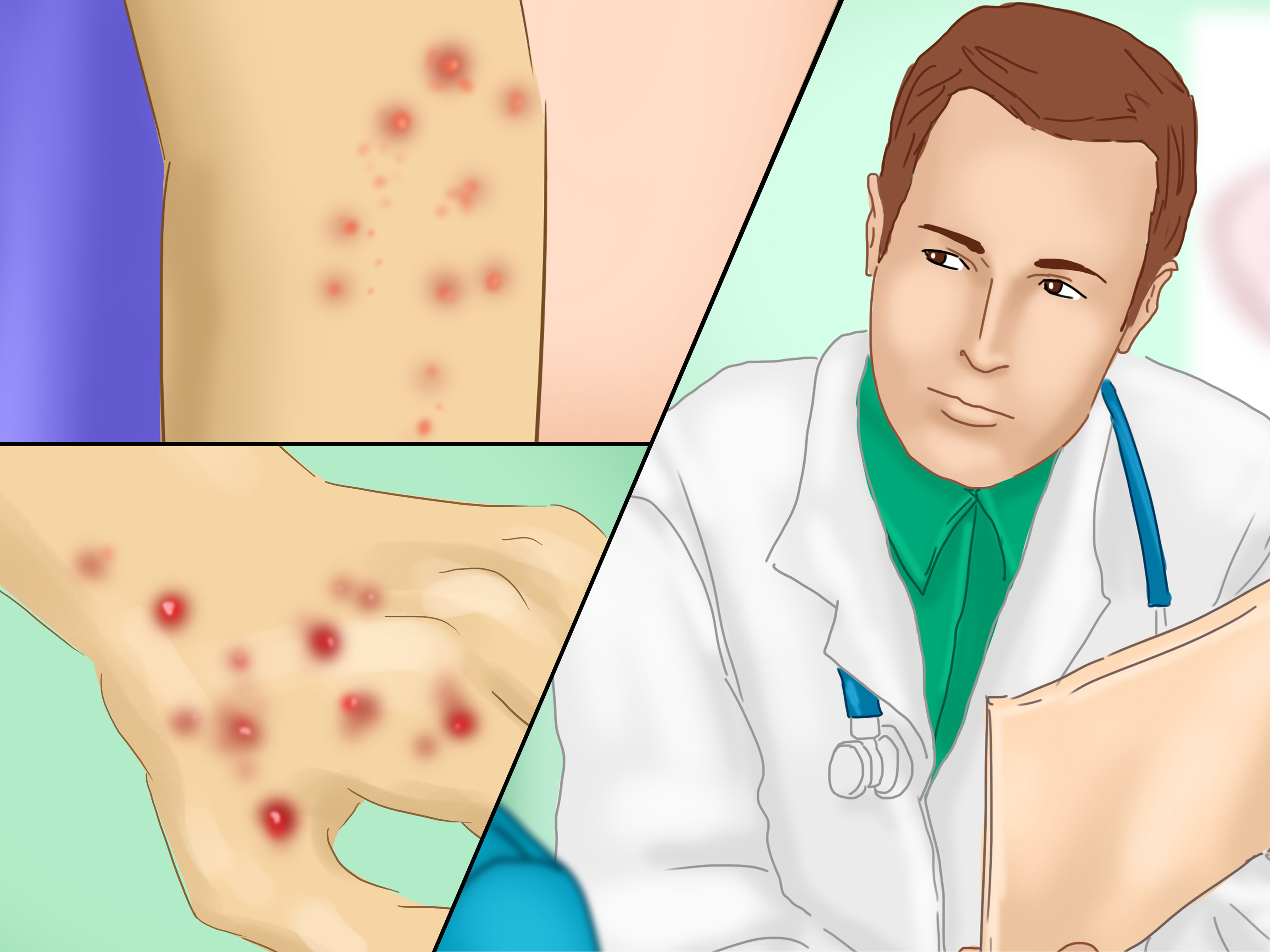
Early recognition is a major part of scabies prevention. Common symptoms include intense itching, especially at night, and a pimple-like rash. Scabies often appears between fingers, on wrists, elbows, armpits, waistline, buttocks, genitals, and areas where clothing fits tightly. In babies and young children, symptoms may also appear on the scalp, face, palms, and soles.
Because scabies can look like eczema, allergic reactions, insect bites, or other rashes, guessing can delay treatment. If several people in the same household or close group develop nighttime itching, take that clue seriously. A healthcare provider may diagnose scabies by examining the skin, looking for burrows, or using skin scraping or other methods.
Do not wait for the rash to become dramatic. Scabies is much easier to control when action happens early. The longer it spreads quietly, the more laundry, notifications, and awkward conversations may follow. Early care is not overreacting; it is prevention with a calendar.
Step 8: Follow Treatment Instructions Exactly
Preventing scabies depends on correct treatment. Prescription creams, lotions, or oral medication may be used depending on age, pregnancy status, severity, and whether crusted scabies is suspected. Permethrin cream is commonly prescribed, and ivermectin may be used in some cases. A healthcare provider should guide the plan.
Follow instructions exactly. Apply medication to the areas directed. Leave it on for the recommended time. Repeat treatment if instructed. Do not stop early because itching improves, and do not apply extra medication because you are annoyed. More is not automatically better; it may irritate your skin.
Itching can continue for days or even weeks after successful treatment because the skin is still reacting. That does not always mean treatment failed. However, new burrows, worsening rash, or symptoms spreading to untreated contacts should prompt medical follow-up. Prevention is not just killing mites once; it is confirming the whole chain of exposure has been handled.
Step 9: Build a Scabies Prevention Plan for Shared Living Spaces
Shared spaces need clear rules. In dorms, camps, shelters, childcare centers, nursing homes, and large households, prevention works best when there is communication without blame. Scabies is not a sign of poor hygiene. Clean people get scabies. Organized people get scabies. People with color-coded closets and expensive laundry detergent get scabies. The mite is rude and socially indiscriminate.
A good shared-space plan includes fast reporting of symptoms, private notification of close contacts, coordinated treatment, laundry guidance, and temporary limits on shared fabrics. Staff in care facilities should use gloves and follow infection-control procedures for suspected cases. Families should avoid secrecy because secrecy gives mites a travel itinerary.
If someone is diagnosed, tell close contacts promptly and respectfully. A simple message works: “I was diagnosed with scabies and was advised that close contacts may need treatment. Please check with a healthcare provider.” No drama. No blame. No five-paragraph apology unless you borrowed their sweater, in which case maybe include one paragraph about the sweater.
Common Mistakes That Make Scabies Come Back
Only Treating the Itchiest Person
This is the classic mistake. The person with the worst rash gets treated, while others wait. Because symptoms may take weeks to appear, untreated contacts can restart the cycle.
Skipping the Laundry Reset
Medication treats the body, but fabrics used shortly before treatment can contribute to reinfestation. Clean bedding and clothing after treatment are part of the prevention plan.
Using Home Remedies Instead of Medical Treatment
Scabies is not reliably cured by extra showers, vinegar, tea tree oil, alcohol, or internet potions with suspicious confidence. Some home remedies can irritate skin and delay proper care.
Assuming Pets Are the Source
Human scabies is spread by human scabies mites. Pets can have their own mites, but they do not maintain human scabies infestations. If a pet has itching, a veterinarian can evaluate it, but treating the dog will not replace treating human close contacts.
Stopping Follow-Up Too Soon
If symptoms persist, new lesions appear, or multiple people remain itchy after treatment, follow up with a healthcare provider. Sometimes a second treatment is needed; sometimes the diagnosis needs review.
How to Prevent Scabies in Specific Situations
At Home
Coordinate treatment, assign personal towels, wash bedding and recently used clothes, and avoid bed-sharing until the treatment plan is underway. Keep clean and dirty laundry separate. Make a checklist so nobody forgets pillowcases, pajamas, or that one hoodie living on the chair.
In Schools and Childcare
Parents should notify the school or childcare center if a child is diagnosed. Facilities can follow local health guidance on attendance, contact notification, and cleaning. Children should avoid sharing nap blankets, costumes, hats, and dress-up clothing until items are cleaned.
In Dorms and Shared Apartments
Roommates should avoid sharing beds, towels, clothing, and blankets. If one roommate has scabies, others should ask a healthcare provider whether they need treatment. Laundry coordination matters more than pretending nothing happened.
In Nursing Homes or Care Facilities
Facilities should identify cases early, protect staff during hands-on care, treat cases and exposed contacts as directed, handle laundry safely, and monitor for new symptoms. Crusted scabies requires especially careful infection-control measures because it can involve many more mites.
Experience-Based Advice: What Actually Helps When Preventing Scabies
The most useful scabies prevention experience can be summed up in one sentence: make a plan before everyone gets tired, itchy, embarrassed, and cranky. Scabies is physically uncomfortable, but the confusion around it often causes just as much stress. Families start asking questions like, “Do we wash every curtain?” “Can I sit on the couch?” “Who touched the blue towel?” Suddenly the laundry room feels like mission control.
A practical approach starts with assigning roles. One person confirms medical instructions. Another handles laundry. Someone else changes bedding, bags non-washable items, and writes dates on bags. This prevents the same blanket from being washed twice while the pillowcases are forgotten completely. The goal is not perfection; it is coordinated action.
Another helpful experience is keeping the first 24 hours simple. After diagnosis or suspected exposure, focus on treatment timing, clean clothes, clean bedding, towels, and the most-used fabrics. People often panic and try to disinfect the entire house from attic to garage. That can create burnout before the important tasks are done. It is better to wash the sheets than to spend three hours wiping picture frames that no mite has ever cared about.
Communication also matters. Scabies carries an unfair stigma, so people may hide it. That delay can spread the infestation. A calm message to close contacts is more effective than silence. You do not need to announce it to the entire internet. You do need to tell people who may have had prolonged skin contact or shared bedding, towels, or clothing.
For parents, the hardest part may be helping kids understand without frightening them. Use simple words: “There are tiny bugs that can make skin itchy, and medicine plus laundry will help get rid of them.” Avoid making children feel dirty. Scabies is not a cleanliness test. A child who gets scabies did not fail hygiene class.
For roommates, the best prevention tool is a temporary “no sharing” rule. No shared towels, no shared hoodies, no shared bedding, and no crashing in someone else’s bed until the situation is resolved. It may feel awkward, but it is much less awkward than reinfestation two weeks later.
Finally, expect itching to take time to calm down. Many people assume that any itch after treatment means disaster. Sometimes the skin is simply still irritated. Keep following medical instructions, moisturize gently if allowed, avoid harsh scrubbing, and check in with a healthcare provider if symptoms worsen or new spots appear. Prevention is a process, not a single heroic laundry cycle. Though, to be fair, a hot dryer full of clean sheets can feel pretty heroic.
Conclusion
Preventing scabies is about timing, teamwork, and targeted cleaning. Avoid prolonged skin contact with anyone who has suspected or confirmed scabies. Do not share clothing, towels, or bedding. Treat close contacts at the same time when recommended. Wash recently used fabrics in hot water and dry them on a hot cycle. Bag items that cannot be washed. Clean sensibly, recognize symptoms early, and follow treatment instructions exactly.
Scabies may be annoying, but it is manageable. With the right plan, you can stop the spread, reduce reinfestation risk, and restore peace to your household. Also, you may never look at a laundry basket the same way againand honestly, that might be character development.

