
Body Care
Recipe: Cottage Cheese Pancakes
Jun
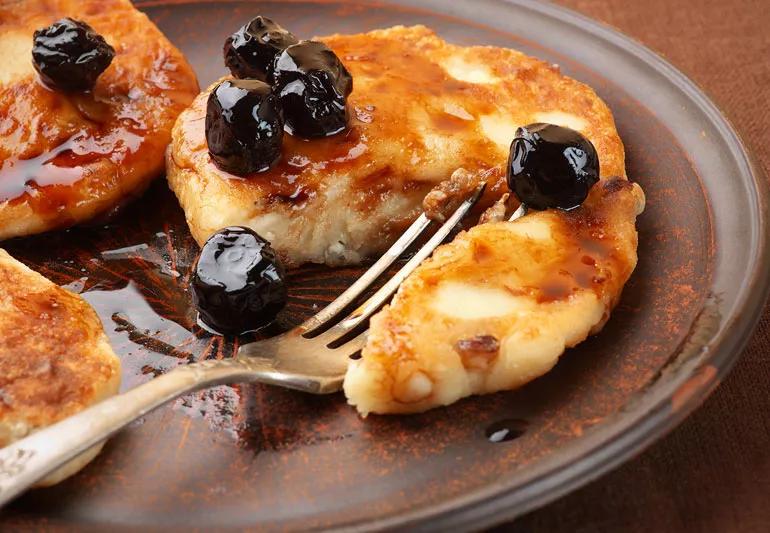
If regular pancakes are Saturday morning’s soft, syrupy hug, cottage cheese pancakes are the same hug wearing sneakers and carrying a protein shake. They are tender, lightly tangy, golden around the edges, and surprisingly satisfying without tasting like “health food” that has been punished for having dreams.
This recipe for cottage cheese pancakes is designed for real kitchens: the kind with one clean mixing bowl, a skillet that has seen things, and a breakfast crowd that starts asking “Are they ready yet?” approximately nine seconds after you turn on the stove. The batter comes together quickly, the pancakes cook up fluffy with creamy little pockets, and the flavor works beautifully with berries, maple syrup, honey, jam, nut butter, or even a spoonful of Greek yogurt.
Unlike many classic pancake recipes, this version uses cottage cheese for moisture, richness, and protein. Eggs help the batter set, flour gives structure, and a modest amount of baking powder brings the lift. The result is a stack that feels cozy enough for brunch but practical enough for a weekday breakfast. Translation: yes, you can make these before school, work, errands, or the grand ceremony of standing in the kitchen eating the first pancake with your fingers.
Why Cottage Cheese Pancakes Deserve a Spot in Your Breakfast Rotation
Cottage cheese pancakes are not new, but they are having a well-earned comeback. Cottage cheese has a mild flavor, creamy texture, and high-protein reputation that makes it useful in everything from breakfast bowls to dips, pasta sauces, smoothies, and baked goods. In pancake batter, it does something especially helpful: it adds body without making the pancakes heavy.
The curds soften as the pancakes cook, giving each bite a delicate richness. If you blend the cottage cheese first, the batter becomes smoother and more uniform. If you leave it slightly chunky, you get a rustic texture with little creamy bits throughout. Both styles are delicious. One is “brunch café,” the other is “grandma knew what she was doing.”
These pancakes also solve a common breakfast problem. Traditional pancakes are wonderful, but they can leave some people hungry sooner than expected. By adding cottage cheese and eggs, this recipe offers more protein than a standard flour-heavy pancake stack. Pair the pancakes with fruit, nuts, or yogurt, and you have a more balanced breakfast that still feels like a treat.
Recipe Overview
- Recipe name: Cottage Cheese Pancakes
- Prep time: 10 minutes
- Cook time: 15 minutes
- Total time: 25 minutes
- Yield: 10 to 12 small pancakes
- Servings: 3 to 4
- Best for: High-protein breakfast, brunch, meal prep, kid-friendly mornings
Ingredients for Cottage Cheese Pancakes
The ingredient list is short and friendly. No mysterious powders. No secret breakfast laboratory. Just simple pantry and fridge staples that work together beautifully.
Main Ingredients
- 1 cup cottage cheese, preferably small-curd, 2% or 4%
- 3 large eggs
- 3/4 cup all-purpose flour
- 1 tablespoon granulated sugar or maple syrup
- 1 teaspoon vanilla extract
- 1 teaspoon baking powder
- 1/4 teaspoon fine salt
- 1/4 teaspoon ground cinnamon, optional
- 2 to 4 tablespoons milk, as needed to thin the batter
- Butter or neutral oil, for the skillet
Optional Add-Ins
- 1 teaspoon lemon zest for a bright, bakery-style flavor
- 1/2 cup blueberries
- 1/3 cup mini chocolate chips
- 2 tablespoons ground flaxseed
- 1/4 cup rolled oats for extra texture
- 1 mashed ripe banana for natural sweetness
How to Make Cottage Cheese Pancakes
There are two ways to make this recipe: blended or rustic. The blended method creates smooth, diner-style pancakes. The rustic method gives you tender pancakes with visible curds and a more homemade texture. Neither is wrong. Breakfast is not a courtroom.
Step 1: Mix the Wet Ingredients
In a medium bowl, whisk together the cottage cheese, eggs, vanilla extract, and sugar or maple syrup. If you want a smooth batter, blend these ingredients in a blender for 20 to 30 seconds before adding the dry ingredients. If you like a little texture, simply whisk by hand.
Step 2: Add the Dry Ingredients
Add the flour, baking powder, salt, and cinnamon if using. Stir gently until just combined. The batter should look thicker than classic pancake batter but still spoonable. If it seems too stiff, add milk one tablespoon at a time. Avoid overmixing, because too much stirring can make pancakes tough instead of tender.
Step 3: Rest the Batter
Let the batter rest for 5 minutes. This tiny pause allows the flour to hydrate and helps the pancakes cook more evenly. It also gives you time to heat the skillet, find the maple syrup, and remove the spoon someone mysteriously left inside the jam jar.
Step 4: Heat the Skillet
Place a nonstick skillet or griddle over medium-low to medium heat. Add a small pat of butter or a light coating of oil. Cottage cheese pancakes brown a little faster than plain pancakes because of the dairy and protein, so moderate heat is your friend.
Step 5: Cook Small Pancakes
Scoop about 2 to 3 tablespoons of batter per pancake onto the skillet. Keep them small, around 3 to 4 inches wide. Smaller pancakes are easier to flip and less likely to break. Cook for 2 to 3 minutes, until the edges look set and the bottoms are golden brown.
Step 6: Flip Carefully
Flip each pancake with a thin spatula and cook for another 1 to 2 minutes, until the centers are set. If the pancakes brown too quickly before the inside cooks, lower the heat slightly. Pancakes are breakfast, not a race.
Step 7: Serve Warm
Serve the pancakes right away with maple syrup, fresh berries, sliced banana, honey, applesauce, fruit compote, or a dollop of yogurt. For a savory twist, skip the sugar and cinnamon, then top them with smoked salmon, chives, or a fried egg.
Tips for the Best Cottage Cheese Pancakes
Use Small-Curd Cottage Cheese
Small-curd cottage cheese blends more easily into batter and creates a better texture. Large-curd cottage cheese can still work, but it may create bigger pockets in the pancakes. That is not a disaster, but it does make the pancakes more delicate.
Do Not Make the Batter Too Thin
Cottage cheese pancake batter should be thicker than regular pancake batter. If it spreads too much in the pan, the pancakes may turn fragile. Add milk only as needed, and do it slowly. You can always thin batter, but convincing runny batter to become thick again is a breakfast negotiation nobody enjoys.
Cook Over Moderate Heat
Medium-low heat gives the pancakes time to cook through without burning. Because this recipe contains dairy, eggs, and a little sugar, the outside can brown quickly. A patient skillet makes a prettier pancake.
Make Them Small
Big pancakes are dramatic, but small pancakes are reliable. Cottage cheese pancakes are softer than classic diner pancakes, so smaller rounds flip better and hold their shape. Think silver-dollar pancakes with confidence.
Blend for Picky Eaters
If someone at the table claims they “hate cottage cheese,” blend the wet ingredients until smooth. The finished pancakes will taste mild, creamy, and slightly tangy, with no obvious curds. Breakfast diplomacy achieved.
Flavor Variations
Lemon Blueberry Cottage Cheese Pancakes
Add 1 teaspoon lemon zest to the batter and gently fold in 1/2 cup blueberries. Cook as directed. Serve with maple syrup or warm blueberry compote. The lemon makes the pancakes taste bright and fresh, while the berries add juicy sweetness.
Banana Oat Cottage Cheese Pancakes
Mash 1 ripe banana into the wet ingredients and replace 1/4 cup of the flour with rolled oats. This version is naturally sweeter and heartier. It is especially good with peanut butter, sliced bananas, and a tiny drizzle of honey.
Chocolate Chip Cottage Cheese Pancakes
Fold in 1/3 cup mini chocolate chips after mixing the batter. Keep the pancakes small and cook them gently so the chocolate melts without scorching. This is the version that makes kids, adults, and emotionally exhausted Monday mornings behave better.
Savory Cottage Cheese Pancakes
Skip the sugar, vanilla, and cinnamon. Add black pepper, chopped scallions, and a tablespoon of grated Parmesan. Serve with sour cream, Greek yogurt, smoked salmon, avocado, or a soft-cooked egg. Savory cottage cheese pancakes are excellent for brunch and feel slightly fancy without requiring fancy behavior.
What to Serve with Cottage Cheese Pancakes
These pancakes are flexible. For a classic breakfast, serve them with butter, maple syrup, and fresh berries. For a more balanced plate, add Greek yogurt, chopped walnuts, or almond butter. For meal prep, pair them with fruit and a hard-boiled egg. For brunch, add crispy bacon, fruit salad, or roasted potatoes.
Because cottage cheese pancakes have a gentle tang, they pair especially well with sweet-tart toppings. Blueberries, raspberries, strawberries, lemon curd, applesauce, peach slices, and cherry compote all work beautifully. If you like crunch, sprinkle toasted nuts or granola over the top right before serving.
Storage and Reheating
Cottage cheese pancakes store well, which makes them useful for busy mornings. Let leftovers cool completely, then place them in an airtight container. Refrigerate for up to 3 days.
To freeze, arrange the pancakes in a single layer on a baking sheet and freeze until firm. Transfer them to a freezer-safe bag or container, separating layers with parchment paper. Freeze for up to 2 months. This prevents the dreaded frozen pancake brick, a breakfast object known for testing human patience.
To reheat, use a toaster, toaster oven, skillet, or microwave. The toaster gives the edges a pleasant crispness. The microwave is faster but softer. If reheating from frozen, warm in short intervals until heated through.
Common Mistakes to Avoid
Overmixing the Batter
Once the flour goes in, stir gently. A few small lumps are fine. Overmixing develops gluten, which can make pancakes rubbery. Rubber belongs on tires, not breakfast plates.
Using High Heat
High heat can brown the outside before the inside sets. Cottage cheese pancakes need a slightly gentler approach than basic pancakes. If your first pancake comes out too dark, lower the heat and keep going. The first pancake is often the kitchen’s practice pancake anyway.
Flipping Too Early
Wait until the edges look set and the bottom is golden. If the pancake resists the spatula, it probably needs another 20 to 30 seconds. A pancake that is ready to flip will cooperate. A pancake that is not ready will become modern art.
Skipping the Rest
Even 5 minutes of resting improves the batter. It helps the flour absorb moisture and gives the pancakes a more even texture. Use the time to prepare toppings or pour coffee. Breakfast rewards patience, occasionally.
Nutrition Notes
Cottage cheese is popular because it brings protein, creaminess, and a mild flavor to recipes. Eggs add more protein and structure, while flour supplies the starch needed for a fluffy pancake shape. For a more fiber-rich version, replace part of the all-purpose flour with whole wheat flour or oats. For a lower-sugar breakfast, keep toppings fruit-based and use maple syrup lightly.
Nutrition will vary depending on the type of cottage cheese, flour, toppings, and serving size you choose. Full-fat cottage cheese gives a richer pancake, while low-fat cottage cheese keeps the recipe lighter. Both work. The best choice is the one you enjoy and will actually eat, because a “perfect” breakfast that nobody wants is just a sad science project.
Frequently Asked Questions
Can I make cottage cheese pancakes without a blender?
Yes. Whisk the cottage cheese and eggs together by hand, then stir in the dry ingredients. The pancakes will have a more textured, rustic finish. If you prefer smooth pancakes, use a blender for the wet ingredients.
Can I use oats instead of flour?
Yes, but the texture will change. Rolled oats create a heartier pancake, especially if blended into the batter. Oat-based cottage cheese pancakes can be slightly denser than flour-based ones, so add baking powder and avoid overcooking.
Can I make the batter ahead of time?
You can make the batter a few hours ahead and refrigerate it, but it may thicken as it sits. Stir gently before cooking and add a splash of milk if needed. For best fluffiness, cook the pancakes soon after mixing.
Are cottage cheese pancakes sweet or savory?
They can be either. This recipe is lightly sweet, but you can remove the sugar, vanilla, and cinnamon for a savory version. Cottage cheese has a mild tang that works in both directions.
Why are my pancakes falling apart?
The batter may be too wet, the pancakes may be too large, or they may have been flipped too early. Add a tablespoon of flour to thicken the batter, make smaller pancakes, and cook over moderate heat until the edges are set.
Personal Kitchen Experience: What I Learned Making Cottage Cheese Pancakes
The first time I made cottage cheese pancakes, I expected them to taste like a suspicious compromise. You know the kind: a recipe that promises “just like the real thing” and then delivers something that tastes like a yoga mat with cinnamon. Fortunately, cottage cheese pancakes are not that. They are real pancakes, just with a little extra character.
The biggest lesson is that texture depends on how you treat the cottage cheese. When I whisked everything by hand, the pancakes came out tender but rustic, with tiny creamy curds tucked inside. They tasted homemade in the best way, like something you would eat at a farmhouse table while pretending you regularly wake up early and know where your garden tools are. When I blended the cottage cheese with the eggs, the pancakes turned smoother and fluffier, closer to classic diner pancakes. Both versions were good, but they suited different moods.
For everyday mornings, I prefer the blended version. It is faster, especially if you add the wet ingredients to the blender, pulse, then stir them into the dry ingredients. The batter pours more evenly, the pancakes brown more consistently, and nobody at the table pauses to ask, “What are these little white things?” That question is not always bad, but before coffee, all questions feel dramatic.
I also learned that heat control matters more than usual. With regular pancakes, you can sometimes get away with a hotter pan. Cottage cheese pancakes are less forgiving. The dairy encourages browning, and the tender batter needs time to set. Medium-low heat gave me the best results: golden outside, cooked inside, no burnt spots, no raw centers, no breakfast-related emotional damage.
The size of the pancake is another small but important detail. I tried making large pancakes because ambition is free. The flavor was excellent, but flipping them was a tiny athletic event. Smaller pancakes were much easier. They looked neater, cooked faster, and stacked beautifully. If you are serving guests, small pancakes also make the plate look generous, which is useful if your brunch personality is “effortless abundance” but your actual personality is “I hope this skillet is clean.”
As for toppings, berries were the clear winner. The tang of cottage cheese loves fruit. Blueberries, strawberries, raspberries, and warm cherries all made the pancakes taste brighter. Maple syrup is classic, of course, but I liked using a smaller drizzle than I would with plain pancakes because these already have a rich flavor. A spoonful of yogurt and a sprinkle of toasted walnuts made the stack feel more complete and less like dessert wearing breakfast pajamas.
Meal prep worked better than expected. I cooled leftover pancakes, froze them on a tray, then moved them into a freezer bag. Reheated in the toaster, they came back with crisp edges and soft centers. That made them perfect for busy mornings when cooking from scratch was not happening unless “from scratch” means scratching my head while staring into the fridge.
The final takeaway: cottage cheese pancakes are forgiving once you understand their personality. They like gentle heat, a short rest, small portions, and toppings with a little brightness. They are cozy, practical, and just different enough to make breakfast interesting again. And if someone says they do not like cottage cheese, hand them a warm pancake with berries and syrup. Sometimes the best argument is served on a plate.
Conclusion
Cottage cheese pancakes are the breakfast upgrade that manages to be comforting, protein-rich, and genuinely delicious. They are easy enough for a weekday, special enough for brunch, and flexible enough to go sweet or savory. With a few simple techniquesblend for smoothness, keep the batter thick, cook over moderate heat, and make smaller pancakesyou can get tender, golden results every time.
This recipe proves that cottage cheese is more than a fridge-door afterthought. It brings moisture, flavor, and satisfying texture to pancakes without making the process complicated. Whether you top your stack with berries and maple syrup or take it savory with herbs and eggs, cottage cheese pancakes deserve a permanent place in your breakfast rotation.

