
Beauty Tools & Accessories
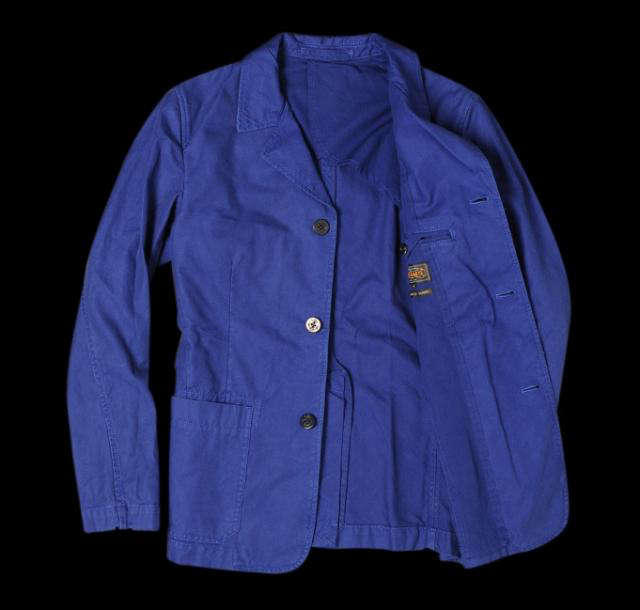
French Workers Jacket
Jun
Note: This article is written as publish-ready body HTML and synthesizes real information from reputable fashion, workwear, heritage-brand, and menswear sources without inserting source-link artifacts.
What Is a French Workers Jacket?
The French workers jacket, often called a French chore jacket, work jacket, or bleu de travail, is one of those rare garments that looks better after it has stopped trying to look new. It is usually simple: a button front, a straight or slightly boxy cut, a few generous patch pockets, a sturdy cotton fabric, and the quiet confidence of someone who knows where the hammer is. Originally built for laborers, farmers, mechanics, railway workers, and artisans, it has somehow wandered from workshops into coffee shops, design studios, weekend wardrobes, and the kind of boutique where a white wall is treated like a personality trait.
That journey from practical workwear to modern style staple is exactly why the French workers jacket keeps showing up in American wardrobes. It is useful without looking tactical, stylish without looking fussy, and relaxed without looking like you gave up. Think of it as the blazer’s more honest cousin: less “quarterly report,” more “I could fix a chair, but I also know a good bakery.”
The classic version is blue, especially a vivid indigo or French workwear blue, which helped create the name bleu de travail, meaning “work blue.” But modern versions also appear in navy, black, ecru, olive, brown, natural cotton, denim, corduroy, linen, wool blends, and garment-dyed colors that look like they have already lived an interesting life.
A Brief History of the French Workers Jacket
The French workers jacket developed in the late nineteenth and early twentieth centuries, when industrial and agricultural labor demanded clothing that was durable, affordable, and easy to move in. Workers needed outerwear that could survive long days, rough surfaces, dust, oil, tools, and weather. The jacket’s design was not born in a fashion meeting. Nobody sat around saying, “What if authenticity, but with buttons?” It came from necessity.
The original French work jacket was often made from cotton drill, cotton twill, or moleskin cotton. Moleskin, despite the name, does not involve moles, which is a relief for both fashion lovers and small woodland creatures. It is a dense cotton fabric with a soft, brushed surface, valued for warmth, wind resistance, and toughness. Cotton twill and drill were also popular because they were hard-wearing, washable, and relatively inexpensive.
The blue color was practical. Dark blue and indigo shades helped disguise stains, dust, and everyday workshop evidence. Over time, that blue became strongly associated with French labor clothing. In some places, the jacket was worn with matching trousers or overalls, creating a full workwear uniform. The look was straightforward, democratic, and completely unconcerned with whether anyone on the internet would call it “effortless.”
Why the Design Still Works
The French workers jacket has survived because it solves problems elegantly. Its loose cut allows movement and layering. Its patch pockets can hold tools, notebooks, keys, gloves, a phone, or snacks you pretend are for later. Its unstructured body makes it comfortable in spring, fall, and mild winter weather. And because it usually has no heavy lining, shoulder padding, or complicated tailoring, it hangs naturally on many body types.
Key Features of a Classic French Workers Jacket
A traditional French chore jacket usually includes a straight, relaxed silhouette; a button closure; a simple collar; two large lower patch pockets; one chest pocket; durable cotton fabric; and minimal decorative detail. Some versions include an inside pocket, reinforced stitching, or slightly curved pocket shapes. Vintage models may show repairs, fading, ink marks, fraying, and a patina that new jackets spend years trying to fake.
The magic is in the restraint. The jacket does not need epaulets, shiny hardware, oversized logos, or seventeen zippers that lead to nowhere. It is useful clothing, and that usefulness gives it style. In a world where many garments are designed to look rugged while doing nothing more dangerous than waiting in line for oat milk, the French workers jacket still feels refreshingly honest.
French Workers Jacket vs. Chore Coat: Is There a Difference?
In everyday American fashion writing, “French workers jacket,” “French chore jacket,” and “chore coat” are often used interchangeably. Technically, the French workers jacket is one version of the broader chore coat category. The American chore coat is closely related but may draw more from farm, railroad, and industrial uniforms in the United States. It can be made from duck canvas, denim, hickory stripe, or heavy cotton, and it sometimes has a more rugged utility look.
The French version tends to feel cleaner, softer, and more minimal. It often has a shorter jacket-like length, a lighter structure, and that distinctive blue cotton workwear identity. If an American chore coat says, “I just loaded the truck,” a French workers jacket says, “I repaired the table, then made espresso.” Both are great. One simply sounds better ordering pastry.
Popular Fabrics: Cotton Twill, Drill, Denim, and Moleskin
Fabric is where a French workers jacket becomes more than just a blue overshirt. The material determines weight, drape, comfort, durability, and seasonality.
Cotton Twill
Cotton twill is one of the most common choices. It has a diagonal weave that gives the fabric strength and texture. A twill French work jacket is usually easy to wear, breathable enough for shoulder seasons, and tough enough for regular use. Garment-dyed twill versions often have rich color variation and a softer feel from the first wear.
Cotton Drill
Cotton drill is another traditional workwear fabric. It is sturdy, smooth, and practical, which made it suitable for labor uniforms. Jackets made from drill often feel crisp at first and soften over time, much like good denim.
Moleskin Cotton
Moleskin is beloved by collectors and heritage workwear fans. It feels plush but wears hard, making it ideal for cooler weather. A moleskin French workers jacket can look almost suede-like while still being washable cotton. It is the fabric equivalent of a quiet person who can lift a piano.
Denim and Modern Blends
Some modern versions use denim, linen, corduroy, wool blends, recycled cotton, or canvas. These are not always historically exact, but they can be excellent wardrobe pieces. Linen versions work well in warm climates, while wool or corduroy versions move the jacket toward fall and winter style.
Why the French Workers Jacket Became Fashionable
The rise of the French workers jacket in modern fashion is part of a larger appreciation for heritage workwear. Jeans, field jackets, engineer boots, military coats, flannel shirts, and canvas bags all followed a similar path. First, they were practical. Then they were durable. Then they became symbols of authenticity. Eventually, someone displayed them under flattering boutique lighting and charged accordingly.
That does not make the appeal fake. The best garments often begin with function. The French workers jacket looks good today because the original design was so pure. It has balance: enough pockets to be useful, enough structure to look intentional, enough softness to feel comfortable, and enough history to make a simple outfit feel considered.
Fashion also keeps returning to the jacket because it is versatile. It can replace a lightweight blazer, overshirt, denim jacket, or casual spring coat. It works with jeans, chinos, fatigue pants, wide-leg trousers, dresses, skirts, loafers, sneakers, boots, and even tailored pants. Few jackets can move so easily from workshop heritage to weekend brunch without looking lost.
How to Style a French Workers Jacket
The easiest way to style a French workers jacket is to avoid overthinking it. This jacket was not designed for complicated outfit math. It rewards simple combinations and natural textures.
Classic Workwear Look
Pair a blue French chore jacket with raw denim or faded jeans, a white T-shirt, and leather boots. Add a chambray shirt if you want more texture. This outfit works because every piece shares the same practical DNA. It looks relaxed, sturdy, and timeless.
Smart Casual Look
Wear a navy or indigo French workers jacket over an Oxford shirt with chinos and loafers. This creates a polished but approachable outfit. It is ideal for casual offices, dinner, museum days, or any situation where a blazer feels too formal but a hoodie feels too sleepy.
Minimal Weekend Look
Try an ecru or natural cotton work jacket with a black tee, relaxed trousers, and canvas sneakers. The lighter jacket brightens the outfit and gives it a clean, modern feel. Just be careful with tomato sauce. White workwear is brave; pasta is braver.
Women’s Styling Ideas
The French workers jacket is naturally gender-neutral. It looks excellent over a striped Breton shirt, straight jeans, and ballet flats; over a simple dress with ankle boots; or with wide-leg trousers and a tucked-in tee. Oversized versions can feel especially modern, while cropped or fitted versions create a neater silhouette.
Layering for Cooler Weather
In fall, layer the jacket over a sweatshirt, knit polo, thin turtleneck, or flannel shirt. In winter, it can sit under a heavier coat if the fit is not too bulky. A moleskin or wool-blend version offers more warmth, while an unlined cotton twill jacket works best in mild weather.
How Should a French Workers Jacket Fit?
A French workers jacket should usually fit relaxed, not tight. Remember, it was built for movement. You should be able to button it comfortably over a shirt or light sweater. The shoulder seam may sit naturally on the shoulder or slightly dropped, depending on the style. The body should feel easy but not wildly oversized unless that is the look you want.
Length matters. A classic jacket often hits around the hip or slightly below. If it is too short, it may look like a shirt. If it is too long, it starts to resemble a shop coat. Both can work, but the traditional sweet spot is somewhere between casual jacket and sturdy overshirt.
Sleeves can be worn full-length or slightly cuffed. Cuffing the sleeves adds casual charm and shows off the fabric texture. It also says, “I am ready to do something,” even if that something is reorganizing browser tabs.
Best Colors to Choose
The classic choice is blue. A true bleu de travail shade carries the most heritage character and pairs naturally with denim, khaki, white, gray, navy, olive, and brown. Navy is more subdued and easier for smart casual outfits. Black feels sharper and more urban. Olive leans military and outdoorsy. Ecru, cream, or natural cotton looks fresh and modern, though it requires more stain awareness.
For a first French workers jacket, blue or navy is the safest bet. For a second, try ecru in spring or moleskin brown in fall. For a third, congratulations: you have developed a hobby, and your closet is now a small textile museum.
Vintage vs. New: Which Should You Buy?
Vintage French workers jackets have enormous charm. They may show sun fading, repairs, original labels, softened fabric, and real-life wear. Each one feels unique because it had a working life before becoming part of a wardrobe. Vintage fans often prize old moleskin jackets, especially black or blue versions with strong patina.
The downside is sizing. Vintage European workwear can run small, short, boxy, or simply unpredictable. Condition also varies. Some jackets are beautifully worn; others are one sneeze away from becoming fabric confetti. Always check measurements, photos, stains, repairs, and fabric strength before buying.
New jackets offer more predictable sizing and easier returns. Heritage brands and modern menswear labels now make excellent versions inspired by the original French work jacket. Some stay close to tradition, while others update the fit, fabric, color, or pocket design. If you want daily wear without detective work, buying new may be the smarter move.
How to Care for a French Workers Jacket
Care depends on the fabric, but most cotton French workers jackets are easy to maintain. Wash cold or warm with similar colors, especially for indigo or garment-dyed pieces that may bleed. Air drying is usually safer than tumble drying because heat can shrink cotton and change the fit. Turn the jacket inside out before washing to protect the color. For moleskin, follow the care label carefully; some owners prefer minimal washing or professional cleaning to preserve texture.
Do not panic over fading. Fading is part of the jacket’s personality. A French workers jacket should not look laminated. It should soften, crease, and age. The goal is not to keep it perfect forever. The goal is to make it yours.
Why It Belongs in a Modern Wardrobe
The French workers jacket has become a modern essential because it answers a common wardrobe problem: what do you wear when you need a light layer that is more interesting than a hoodie but less formal than a blazer? This jacket fills that space perfectly. It adds texture, shape, and utility without demanding attention.
It also fits the current move toward practical, long-lasting clothing. Many shoppers are tired of flimsy trend pieces that look outdated before the credit card statement arrives. A well-made French chore jacket can be worn for years, repaired if needed, and styled across seasons. That makes it both economical and environmentally sensible compared with disposable fashion.
Its simplicity is the point. The jacket does not rely on novelty. It relies on proportion, fabric, and usefulness. That is why it can look at home on a carpenter, painter, architect, student, designer, parent, writer, gardener, or anyone who simply wants a jacket with pockets large enough to be emotionally supportive.
Experience Notes: Living With a French Workers Jacket
The first thing you notice after wearing a French workers jacket for a while is that it becomes the jacket you grab without planning. It hangs by the door because putting it away feels unrealistic. You reach for it to walk the dog, buy coffee, run errands, travel, visit friends, or sit outside when the weather cannot decide what it wants to be when it grows up.
The pockets are a major reason. A good French workers jacket changes your relationship with carrying things. Phone in one pocket, wallet in another, keys in the chest pocket, sunglasses in the lower pocket, receipts you forgot about in every pocket. It is not quite a bag, but it comes dangerously close. After a week, you may wonder why so many modern jackets have tiny decorative pockets suitable only for a single almond.
The fabric also improves with use. A new cotton twill or moleskin jacket may feel a little stiff at first, but regular wear softens it. The elbows crease. The sleeves relax. The collar sits better. The color becomes less flat and more personal. Unlike delicate fashion pieces that seem offended by real life, this jacket welcomes it. Rain, dust, sunlight, and repeated wear add character rather than ruin the entire mood.
Another pleasant surprise is how easily it travels. A French workers jacket can be folded into a carry-on, worn on a plane, or layered over whatever survived the suitcase. It does not look too formal at breakfast or too casual at dinner. In blue or navy, it pairs with almost everything: jeans, chinos, linen trousers, sneakers, boots, loafers, striped shirts, plain tees, and knitwear. It is especially useful on trips where the weather changes throughout the day. Morning chill? Jacket. Afternoon sun? Carry it. Evening breeze? Jacket again. Very little drama, which is what clothing should aspire to while airports continue being airports.
It also has a way of making basic outfits look intentional. A white T-shirt and jeans can feel plain. Add a French work jacket, and suddenly the outfit has shape, texture, and history. A button-down shirt and chinos can feel office-generic. Add the jacket, and it becomes relaxed and lived-in. Even sweatpants look slightly more respectable under a chore jacket, though let us not abuse this power.
The best experience comes from not treating the jacket as precious. Wear it. Cuff the sleeves. Let it fade. Let the pockets carry things. If a small mark appears, consider it documentation. The French workers jacket was never meant to be a museum piece. Its charm comes from use. The more naturally it fits into your life, the better it looks.
Conclusion: The Quiet Genius of the French Workers Jacket
The French workers jacket has lasted for more than a century because it is built on a rare combination: function, simplicity, durability, and understated style. Born from labor, shaped by practical needs, and later adopted by fashion lovers, it remains one of the most versatile lightweight jackets you can own.
Whether you call it a French chore jacket, work jacket, or bleu de travail, the appeal is the same. It is easy to wear, easy to layer, easy to style, and hard to make look bad. Choose a good fabric, get a relaxed fit, start with blue or navy, and let the jacket age naturally. Before long, it may become the piece you reach for so often that your other jackets start filing complaints.

