
Beauty Unlocked
DIY Pallet Daybed: How to Build a Cozy Lounge Bed on a Budget
Aug
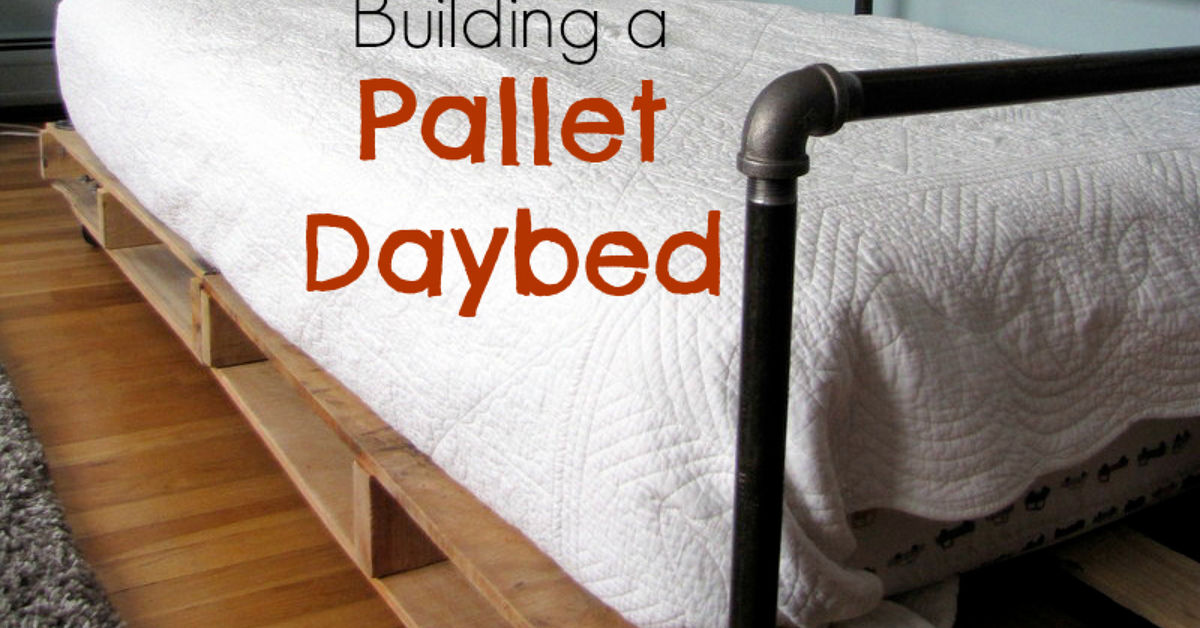
A DIY pallet daybed is proof that a humble shipping pallet can retire from warehouse duty and begin a far more glamorous career as your favorite reading nook, patio lounge, nap station, or “I am absolutely not avoiding my responsibilities” headquarters.
Built well, a pallet daybed can look relaxed, rustic, modern, boho, coastal, industrial, or delightfully mismatched. Built badly, it can look like a grocery store loading dock has moved into your living room. The difference comes down to choosing safe wood, reinforcing the structure, sanding thoroughly, and adding cushions that make people forget they are sitting on something that once carried boxes of cereal.
This guide walks through how to make a sturdy DIY pallet daybed for indoors, a covered porch, or a sheltered patio. You will learn how to choose pallets, plan the dimensions, assemble a stable base, create an optional backrest, finish the wood, and style the final piece like it belongs in a home magazine instead of behind a warehouse.
Note: This project assumes you are using dry, clean, known-source pallets or new pallet-style lumber. Avoid pallets with stains, strong odors, mold, insect damage, chemical exposure, or an unknown history.
Why Build a DIY Pallet Daybed?
A pallet daybed is one of those projects that offers a suspiciously high reward for a manageable amount of work. The basic platform is simple, the materials can be inexpensive, and the design is highly customizable. You can make it low and lounge-like for a patio, add a backrest for couch-style seating, build storage below it, or keep it simple enough that a weekend warrior with a drill can finish it before Sunday dinner.
It is also a smart option for awkward spaces. A narrow porch, sunroom, reading corner, teen bedroom, poolside area, or covered balcony can benefit from a daybed that works as both seating and a nap-friendly escape pod. Add pillows, and it becomes a sofa. Add a twin mattress, and it becomes a guest bed. Add a blanket, and suddenly nobody is leaving.
Start With Safe, Clean Pallets
The most important part of any pallet furniture project happens before you pick up a drill. Not every pallet belongs in your home. Pallets are designed for transportation, not necessarily for furniture, so their history matters.
What to Look For
- Clean, dry pallets with no stains, spills, mildew, or strange smells.
- Wood that feels solid rather than soft, crumbly, warped, or badly cracked.
- Pallets used for dry, non-food, non-chemical goods whenever possible.
- Heat-treated or kiln-dried wood from a trusted source.
- Boards without active insect holes, visible larvae, or suspicious fuzzy growth.
What to Avoid
- Pallets with oil stains, paint splatters, chemical odors, or greasy surfaces.
- Pallets that carried produce, liquids, industrial materials, or unknown cargo.
- Wood marked with chemical fumigation labels or pallets with unclear treatment information.
- Damaged pallets with loose boards, deep splits, rot, or protruding nails.
- Anything found near a dumpster that looks like it has survived several small wars.
For an indoor pallet daybed, the safest route is often buying new, unfinished pallets or building a pallet-inspired frame from new lumber. Reclaimed pallets can still work beautifully, but only when their source and condition are trustworthy.
Plan the Size Before You Build
Measure your cushion or mattress first. This is the golden rule of pallet daybed construction. Do not build a beautiful frame and then discover your cushion hangs over the side like a melting ice cream sandwich.
Many North American pallets are close to 48 by 40 inches. Two pallets placed end to end create a platform approximately 80 inches long and 48 inches wide. That layout works especially well for a twin mattress, a twin XL mattress, a custom foam cushion, or several outdoor seat cushions arranged side by side.
Popular DIY Pallet Daybed Sizes
- Single lounging daybed: One pallet or a shortened pallet frame with a thick cushion.
- Twin daybed: Two pallets arranged end to end, usually around 80 inches long.
- Outdoor sofa daybed: Two pallets for the base plus a third pallet or reclaimed boards for the backrest.
- Double-width lounge bed: Four pallets arranged in a rectangle for a large patio conversation piece.
Before assembling anything, decide whether the daybed will be used mainly for sitting, reading, napping, overnight guests, or outdoor lounging. A sitting-focused design needs a supportive backrest. A sleeping-focused design needs a flatter platform, a smoother surface, and enough support beneath the mattress.
Materials and Tools for a Pallet Daybed
Basic Materials
- Two clean, sturdy wooden pallets for the base.
- One additional pallet or reclaimed boards for an optional backrest or arms.
- Two or three 2-by-4 boards for reinforcement.
- Exterior-rated wood screws, typically 2 1/2 to 3 inches long.
- Shorter wood screws for securing decorative slats or trim.
- Wood filler for deep cracks or old nail holes.
- Sandpaper in medium and fine grits.
- Interior furniture finish or exterior wood sealer, depending on location.
- A twin mattress, foam cushion, outdoor cushions, or upholstery foam.
Helpful Tools
- Tape measure and carpenter’s square.
- Drill and drill bits.
- Orbital sander or sanding block.
- Pry bar, hammer, and nail puller.
- Circular saw, jigsaw, or reciprocating saw if cutting boards.
- Clamps for holding boards in place during assembly.
- Safety glasses, gloves, hearing protection, and a dust mask.
How to Build a DIY Pallet Daybed Step by Step
Step 1: Inspect and Clean the Wood
Set the pallets on a flat surface and inspect every board. Remove loose nails, bent staples, sharp metal fragments, and broken pieces. If a board is deeply cracked or soft from water damage, replace it. A pallet daybed should feel solid when someone sits down, not like it is about to audition for a disaster movie.
Brush away dirt and dust. For outdoor-safe, known-source wood, clean it with mild dish soap and water, then let it dry completely. Do not soak the pallets and immediately start finishing them; damp wood and stain have a complicated relationship, and it is not a healthy one.
Step 2: Sand Every Surface That Will Be Touched
Start with medium-grit sandpaper to remove splinters, rough grain, and old surface grime. Follow with fine-grit sandpaper for the top boards, edges, corners, and any areas where bare legs, hands, or blankets will touch the wood.
Pay special attention to the front edge of the daybed. This is where people sit, swing their legs, and eventually wonder why they skipped sanding. Round over sharp corners slightly. A pallet daybed should feel rustic, not medically memorable.
Step 3: Position the Two Base Pallets
Place the two pallets end to end on a level floor or patio. The long direction should run from the head of the daybed to the foot. Check that the top surfaces are even and that the outer edges align neatly.
If one pallet is slightly taller than the other, do not ignore it. Shim, trim, or reinforce until the surface is level. A mattress can hide many things, but it cannot fix a mysterious uphill slope.
Step 4: Reinforce the Pallet Base
Join the pallets with long exterior-rated screws through the side stringers or structural rails. Add screws in several locations along the seam rather than relying on a single heroic fastener to do all the work.
For extra strength, install 2-by-4 braces underneath the joint where the pallets meet. Run the braces across both pallets and secure them firmly with screws. This prevents the two sections from shifting apart when someone drops onto the bed after a long day.
If the pallet slats are thin or widely spaced, add a sheet of plywood over the top before placing the mattress or cushions. This creates a more even surface, reduces sagging, and makes the daybed feel more like furniture than freight equipment.
Step 5: Add Optional Legs or Casters
You can keep the daybed low to the ground for a relaxed, modern look. However, adding legs or locking casters can make cleaning easier and give the frame a more finished appearance.
For a stationary daybed, use short, sturdy furniture legs or blocks of treated lumber. For a mobile patio daybed, use heavy-duty locking casters rated for the combined weight of the frame, cushions, and people who will inevitably all sit on it at once.
Step 6: Build a Backrest
A backrest turns a pallet platform into a true daybed sofa. The easiest method is to build a simple frame from 2-by-4 boards, then attach pallet slats horizontally or vertically across it.
Create two upright side supports, connect them with a top rail, and fasten the structure securely to the rear of the pallet base. Attach pallet boards across the frame, leaving small gaps for a casual slatted look. A backrest between 24 and 30 inches above the seat cushion usually feels comfortable for lounging.
Do not simply lean a full pallet against the wall and call it a backrest. It may look fine in a photo, but furniture should not rely on optimism as its main structural system.
Step 7: Add Arms or Side Tables
Optional arms can make the daybed feel more sofa-like. Build them from leftover pallet boards, small crates, or simple rectangular frames. Keep them wide enough to hold a drink, book, phone, or the remote control that will somehow vanish within ten minutes.
You can also leave one side open and create a built-in ledge for a tray, plant, or folded blanket. This works especially well when using a twin mattress that is narrower than the pallet base.
Finish the Wood for Indoor or Outdoor Use
The finish depends on where the DIY pallet daybed will live. Indoor furniture needs a smooth, durable surface that is easy to clean. Outdoor furniture needs protection from moisture, sun, mildew, and the occasional rainstorm that appears five minutes after you proudly put the cushions outside.
For an Indoor Pallet Daybed
Use a clear furniture wax, water-based polyurethane, stain and topcoat combination, or low-odor furniture paint. A natural clear finish preserves the weathered wood look, while paint can make the design feel cleaner and more intentional.
Apply thin coats, allow proper drying time, and sand lightly between coats if recommended by the product directions. Do not rush the finish. A sticky daybed frame is an excellent way to accidentally decorate your socks.
For an Outdoor Pallet Daybed
Use an exterior-rated wood stain, outdoor furniture paint, or clear sealer designed to resist moisture and UV exposure. Seal the tops, sides, bottom edges, screw holes, and cut ends of the wood. These areas tend to absorb water first and complain later.
Place the finished daybed under a covered patio, pergola, porch roof, or water-resistant furniture cover whenever possible. Even a well-sealed pallet daybed will last longer when it is not asked to survive every season uncovered.
Choose the Right Mattress and Cushions
The frame provides character. The cushions provide the reason anyone actually wants to use it.
For an indoor daybed, a standard twin mattress is often the simplest option. A medium-firm foam mattress works well for sitting and occasional sleeping. Add a fitted sheet, quilt, and oversized pillows to make the piece feel like a cozy lounge bed rather than a spare mattress on a platform.
For an outdoor pallet daybed, use outdoor-rated cushions or high-density foam wrapped in water-resistant fabric. Avoid regular indoor pillows outdoors unless you enjoy collecting damp cushions after every surprise shower. Choose removable covers when possible, because washable fabric is one of adulthood’s quiet luxuries.
Easy Styling Ideas for a Pallet Daybed
- Boho retreat: Add cream cushions, woven throws, rattan lanterns, and patterned pillows.
- Modern patio lounge: Use charcoal cushions, clean-lined planters, and simple black hardware.
- Coastal daybed: Choose whitewashed wood, blue-and-white textiles, striped pillows, and light linen throws.
- Rustic cabin corner: Keep the wood natural, add plaid pillows, a wool blanket, and warm string lights.
- Kids’ reading nook: Use washable cushions, low side rails, colorful pillows, and storage baskets underneath.
The best part about pallet furniture is that it does not demand perfection. A few knots, nail holes, and color variations add personality. The goal is not to make the pallets look factory-made. The goal is to make them look intentionally transformed.
Common DIY Pallet Daybed Mistakes to Avoid
- Using unknown or contaminated pallets just because they were free.
- Skipping reinforcement and trusting old pallet nails to hold everything together.
- Building before measuring the mattress or cushion.
- Forgetting to sand the edges that people will touch.
- Using indoor cushions outdoors without weather protection.
- Applying finish before the wood is completely dry.
- Adding a decorative backrest that is not structurally secured to the base.
- Ignoring the floor surface and building on uneven pavers, soft soil, or a sloped deck.
Conclusion: A Pallet Daybed Worth Sitting On
A DIY pallet daybed can be affordable, stylish, and surprisingly practical when it is built with good materials and a little patience. Start with safe wood, reinforce the base, sand more than you think you need to, and spend extra attention on the cushions. The result can become the best seat in the house, the yard, or the entire neighborhood.
Whether you use it for afternoon naps, porch coffee, movie nights, guest sleeping space, or avoiding chores in a particularly comfortable manner, a pallet daybed gives ordinary wood a second life and gives you a seriously inviting place to land.
Real-World DIY Pallet Daybed Experiences: What Makers Usually Learn
The first lesson most people learn while building a DIY pallet daybed is that pallets are heavier than they look. In photographs, they appear lightweight and charming, like someone casually carried them home under one arm while sipping an iced coffee. In reality, many pallets are awkward, dusty, and surprisingly determined to test your grip strength. Moving them is usually a two-person job, especially if you are carrying them upstairs, across a yard, or through a narrow hallway.
The second lesson is that sanding is not optional. It is tempting to look at a pallet, notice that it is “mostly smooth,” and decide that a cushion will solve everything. It will not. Your hands will find the one rough edge. Your blanket will catch on a splinter. Someone wearing shorts will sit down and suddenly become an enthusiastic supporter of sandpaper. The most successful pallet daybed projects are usually the ones where the builder spends extra time smoothing the top boards, front edge, corners, and backrest.
Another common discovery is that cushions completely change the personality of the project. Before cushions, the daybed may look industrial, unfinished, or a little too much like it is waiting for a forklift. After cushions, pillows, and a throw blanket, it becomes a real destination. People often underestimate how much depth and comfort they need. Thin decorative cushions may look nice for about six minutes, but thick foam or a proper mattress makes the daybed genuinely usable for reading, lounging, and taking accidental two-hour naps.
Makers also tend to learn that a little reinforcement creates a huge difference in how the finished piece feels. A pallet base may seem sturdy while it is empty, but once two adults, a large dog, several pillows, and a tray of snacks arrive, weak joints begin to reveal themselves. Adding braces beneath the seam, using proper screws, and checking for wobble early prevents that uneasy “is this supposed to move?” feeling later.
Outdoor builders often discover that weather is the final boss. A pallet daybed can look perfect after the first weekend, but rain, direct sun, and overnight humidity are remarkably efficient at testing every shortcut. A protective finish, breathable furniture cover, and removable cushions make maintenance far easier. Many people eventually move their pallet daybed under a covered porch or pergola because the furniture lasts longer and the cushions stay much happier.
Finally, DIY pallet daybed projects often become more social than expected. Friends offer opinions, family members claim the best seat, pets declare ownership before the final coat of finish dries, and someone always asks where you bought it. That is part of the appeal. A pallet daybed is not just furniture. It is a conversation piece, a nap zone, a creative project, and a surprisingly effective way to make a forgotten corner feel lived in.
SEO Tags

