
Beauty Unlocked
Astonian Rimini Cast Iron Bath
Jun
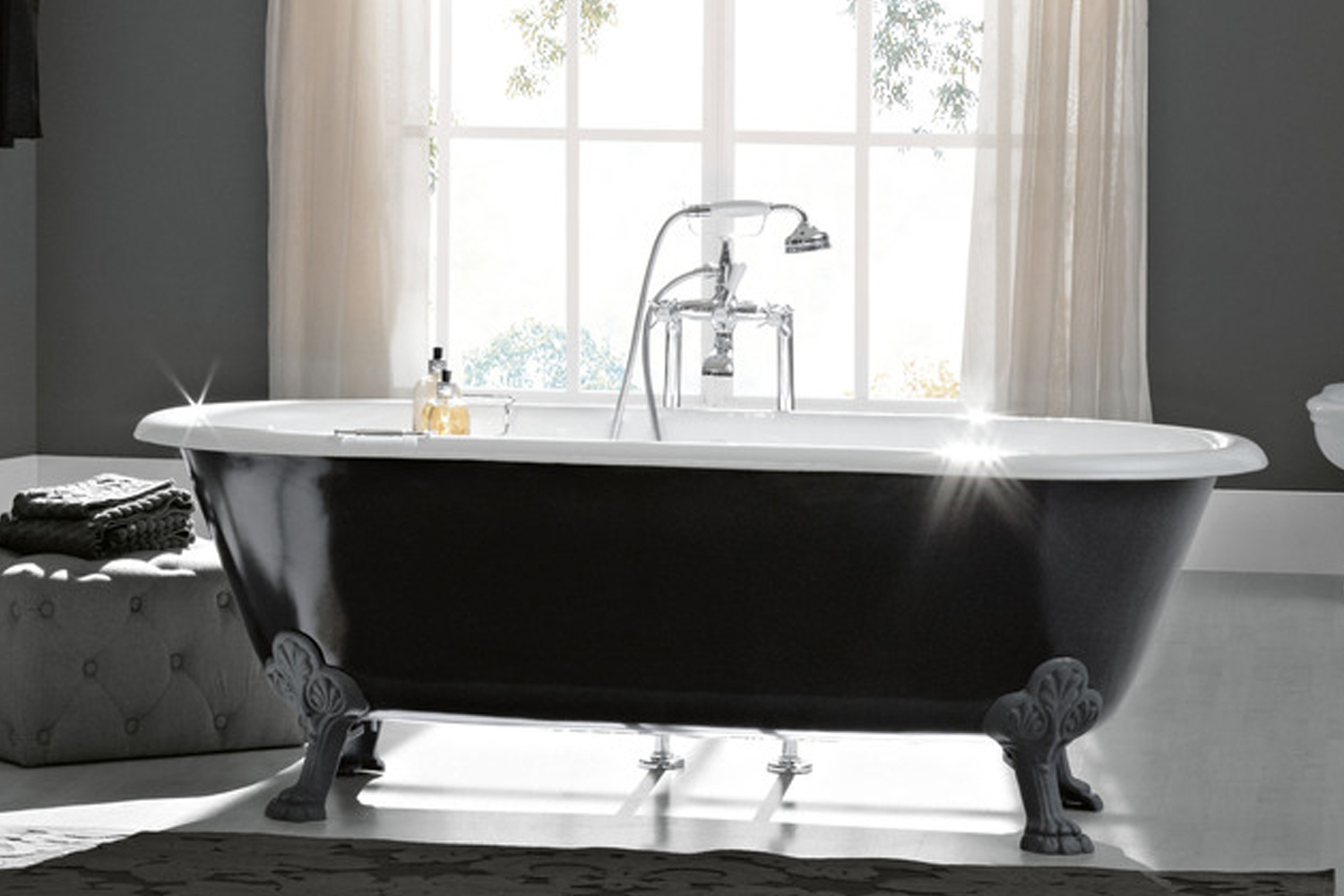
The Astonian Rimini Cast Iron Bath is the kind of bathtub that walks into a bathroom and quietly says, “Yes, I am the main character.” It is classic, sculptural, and unapologetically substantial. In a world full of lightweight tubs that look stylish for three renovation seasons and then begin to feel a little tired, the Rimini leans into old-world confidence: cast iron, a roll-top silhouette, a glossy enameled interior, and decorative feet that give the whole piece a sense of furniture-like permanence.
This is not a tub for people who want their bathroom to whisper. It is for homeowners, designers, boutique-hotel dreamers, and bath loyalists who believe soaking should feel like an event, not a quick appointment between emails. With its double-ended form, freestanding stance, and paint-ready exterior, the Astonian Rimini offers the sweet spot between historic charm and flexible modern styling. Think Victorian townhouse meets boutique spa, with enough personality to make even your shampoo bottles stand up straighter.
What Is the Astonian Rimini Cast Iron Bath?
The Astonian Rimini is a freestanding cast iron roll-top bath designed with a traditional double-ended shape. The model is listed at 1700 mm long by 785 mm wide, which converts to approximately 66.9 inches by 30.9 inches. Its height is about 617 mm, or roughly 24.3 inches, and its water capacity is listed at 190 liters, which is around 50 gallons. In practical terms, that means it has enough presence to feel luxurious without requiring a bathroom the size of a hotel lobby.
One of the most appealing things about the Rimini is its design flexibility. It is available in no-taphole versions, which gives homeowners more freedom to select floor-mounted, wall-mounted, or bath-mounted tap arrangements depending on the layout. This matters because a freestanding bath is not just a fixture; it is a design decision with plumbing, sightlines, and daily routines attached. Choose the wrong faucet setup, and your elegant soak can turn into a very expensive water gymnastics routine.
Why Cast Iron Still Matters
Cast iron bathtubs have been around for generations because they solve a few problems beautifully. First, they are durable. A properly maintained enameled cast iron tub can stay attractive for decades. Second, cast iron has a heavy, solid feel that cheaper materials struggle to imitate. When you step into a cast iron soaking tub, there is a reassuring stillness to it. It does not flex, creak, or make you wonder whether your bath is secretly made of lunchbox plastic.
Third, cast iron is prized for heat retention. Once warmed by hot water, the material helps the bathing experience feel more stable and indulgent. It is not magic, and it will not turn a thirty-minute soak into a volcanic hot spring, but it does contribute to that slow, cocooned comfort people associate with traditional luxury bathrooms.
The Porcelain Enamel Advantage
The Rimini features a titanium-based class AA enamel interior. In everyday homeowner language, that means the bathing surface is designed to be smooth, glossy, and resistant to normal staining and scratching when cared for properly. Porcelain enamel over cast iron is one of the reasons these tubs feel so refined. The finish reflects light beautifully, cleans up well, and gives bathwater that crisp, clean visual effect that makes you briefly believe your life is more organized than it is.
Like any premium enamel surface, however, it does not appreciate abuse. Abrasive pads, harsh powders, and mystery cleaners from the back of the cabinet are not your friends here. A soft cloth, mild cleaner, and regular rinsing will do more for long-term beauty than a dramatic once-a-year scrubbing session performed with the emotional intensity of a crime scene investigation.
Design Personality: Traditional, But Not Stuck in the Past
The Astonian Rimini Cast Iron Bath has a traditional silhouette, but it does not have to live in a strictly traditional bathroom. That is the secret sauce. Its roll-top edge and decorative feet reference classic European bath design, yet the smooth exterior and freestanding form make it surprisingly adaptable. Paint the outside a soft sage green, and it leans cottage-chic. Choose deep navy or charcoal, and suddenly it looks tailored and moody. Keep it white, and you have a timeless centerpiece that plays nicely with marble, limestone, wood, brass, chrome, or polished nickel.
Because the exterior is smoothed and primed ready for painting, the Rimini can become part of the room’s color story rather than simply sitting there in default white. That is a major advantage for designers who want the tub to coordinate with wall color, vanity finish, floor tile, or even window trim. A freestanding bath can be sculpture; a painted cast iron bath can be sculpture with a wardrobe.
Best Bathroom Styles for the Rimini
The Rimini works especially well in classic, transitional, vintage-inspired, and boutique-hotel bathrooms. Pair it with checkerboard marble floors and exposed pipework for a heritage look. Set it against plaster walls, handmade tile, and unlacquered brass for a softer European feel. Or place it in a clean modern bathroom with minimal fixtures and let the roll-top shape provide the only ornament in the room.
The key is restraint. Because the tub already has strong character, the surrounding bathroom does not need to audition for Broadway. Let the bath lead. A calm tile palette, elegant lighting, and one or two strong materials will keep the room sophisticated rather than fussy.
Comfort and Function: What Daily Use Feels Like
A double-ended bath is designed so either end can serve as a reclining side. That makes it more flexible than a single-ended tub, especially if two people in the household have different soaking preferences. It also places the waste and overflow in a more central position, which helps preserve the symmetry of the design.
The Rimini’s proportions make it suitable for a generous soak without becoming impractical for many medium-to-large bathrooms. It is long enough to feel elegant and wide enough to look substantial, but not so oversized that it demands a private wing of the house. As always, real comfort depends on the bather’s height, preferred posture, and the exact angle of the tub’s interior, so anyone planning a serious renovation should review technical drawings carefully before ordering.
Installation Considerations Before You Fall in Love
Cast iron tubs are heavy. That is part of their charm and part of their logistical comedy. Before choosing the Astonian Rimini, homeowners should confirm floor strength, access routes, plumbing locations, and the installation plan. A cast iron bath is not something you casually carry upstairs with two friends and a motivational playlist. Professional handling is strongly recommended.
Floor support is especially important for second-floor bathrooms or older homes. The tub’s weight, the water volume, and the person using it all add up. A contractor or structural professional can confirm whether reinforcement is needed. This is not the glamorous part of bathroom design, but it is the part that keeps your spa retreat from becoming a surprise downstairs ceiling feature.
Plumbing and Faucet Planning
The no-taphole version gives excellent design freedom, but it also means faucet planning should happen early. Floor-mounted tub fillers look dramatic and elegant, especially beside a freestanding roll-top bath. Wall-mounted fillers can create a cleaner look if the tub sits near a wall. Bath-mounted options may suit certain traditional schemes, but they require compatible drilling and hardware.
Do not leave faucet selection until the last minute. The filler’s reach, height, flow rate, and placement all matter. The bath waste and overflow also need to be compatible. Beautiful hardware is wonderful; beautiful hardware that actually reaches the tub is even better.
How to Style the Astonian Rimini Cast Iron Bath
Styling a freestanding bath is about creating breathing room. The Rimini should not be wedged into a corner like an embarrassed piece of furniture. Give it enough clearance to be appreciated and cleaned. If possible, place it where the shape can be seen from the bathroom entrance. A centered position beneath a window is a classic choice, but a slightly angled placement can also feel relaxed and designer-approved.
Lighting makes a major difference. A pendant, shaded sconce, or picture light can highlight the bath’s curved rim and glossy enamel. Avoid harsh overhead lighting directly above the tub unless you enjoy soaking under the emotional atmosphere of a dentist’s office. Warm, layered lighting makes the whole experience feel softer and more intentional.
Color Ideas for the Exterior
A white exterior is timeless and safe, but the paint-ready finish opens more interesting possibilities. Soft gray feels elegant and quiet. Black adds drama and contrast. Deep green brings a garden-room mood. Powder blue feels coastal without turning the bathroom into a souvenir shop. Warm taupe works beautifully with brass fittings and natural stone.
For a high-end look, connect the tub color to something else in the room: vanity paint, wall paneling, tile veining, or even framed art. This creates cohesion and makes the bath feel designed rather than simply purchased.
Maintenance: Keeping the Enamel Beautiful
Maintenance for the Rimini is refreshingly simple if you are consistent. Rinse after use, wipe away soap residue, and clean regularly with a non-abrasive product suitable for enamel surfaces. Avoid steel wool, harsh scouring pads, and aggressive acidic cleaners. The goal is to preserve the gloss, not prove your upper-body strength.
Hard water can leave mineral deposits over time, so drying the tub after use is a smart habit in areas with high mineral content. If you use bath oils, rinse the surface afterward to prevent residue. A soft microfiber cloth can do more than most people expect. It is not exciting, but neither is explaining to guests why your luxury tub looks like it lost a fight with a cleaning brick.
Who Should Choose the Astonian Rimini?
The Astonian Rimini is ideal for homeowners who value permanence, craft, and traditional beauty. It suits people who see the bathtub as a centerpiece rather than a background fixture. It also makes sense for period homes, restored townhouses, upscale renovations, and bathrooms where the design goal is “quiet luxury with a backbone.”
It may not be the best fit for every project. If you need a very lightweight tub, have limited floor support, or are working with a tight installation budget, acrylic or composite alternatives may be easier. But if your priority is a classic freestanding bath with serious presence, the Rimini belongs on the shortlist.
Value: Why It Feels Like an Investment Piece
A quality cast iron bath is rarely the cheapest option in the room. However, value is not only about the first purchase price. It is also about longevity, visual staying power, comfort, and how the fixture affects the entire bathroom. The Rimini brings a level of material authenticity that can elevate surrounding finishes. Even simple tile and modest wall color can look more expensive when paired with a strong freestanding cast iron bath.
That is the quiet power of a statement tub. It reduces the need for visual clutter. You do not need twelve decorative objects when the bath itself has architecture. Add a stool, a towel rail, one plant, and good lighting. Suddenly the room looks edited, not empty.
Practical Buying Checklist
Before choosing the Astonian Rimini Cast Iron Bath, measure the bathroom carefully. Confirm door widths, stair turns, hallway clearance, and final placement. Review the technical sheet, check the waste and overflow requirements, and decide where the taps will go. Confirm whether the floor can handle the load. Plan the painting process if you want a custom exterior color. Finally, make sure your water heater can comfortably fill a bath of this size without turning the last ten gallons into lukewarm disappointment.
It is also wise to coordinate the bath with the full fixture package: basin taps, shower hardware, towel rails, lighting, mirrors, and cabinet pulls. A traditional tub can look incredible with mixed metals, but the mix should feel deliberate. Chrome and nickel feel crisp. Brass feels warmer. Aged brass adds romance. Matte black brings contrast. Choose the mood before choosing the metal, not the other way around.
Experience Notes: Living With an Astonian Rimini Cast Iron Bath
Living with a bath like the Astonian Rimini is different from simply owning a bathtub. It changes how the bathroom behaves. A standard built-in tub often fades into the wall. The Rimini does the opposite. It creates a destination inside the room. Even when it is not being used, it has visual weight. Guests notice it. Homeowners glance at it. Real estate listings quietly become more confident because the bathroom now has something memorable to say.
The first experience most people notice is the feeling of solidity. Cast iron has a grounded quality that lightweight tubs cannot fully copy. When you step in, the tub feels planted. There is no hollow sound, no nervous flex, no sense that the fixture is merely pretending to be luxurious. The Rimini’s shape also invites a slower ritual. You do not rush a bath like this. You prepare it. You choose the towel. You maybe light a candle if you are feeling cinematic. You absolutely pretend you are not checking your phone, even though your phone is probably nearby wearing a tiny robe of steam.
The second experience is temperature comfort. A cast iron bath takes a little time to warm up, but once the enamel and iron absorb heat, the soak feels calm and substantial. For people who love long baths, this matters. The Rimini is not just about getting clean. It is about creating a pause in the day. After work, after travel, after a week that has behaved like a badly organized group project, the tub becomes a reset button.
The third experience is design pride. A painted exterior can completely change the personality of the bath. In one bathroom, a white Rimini might feel crisp and architectural. In another, a black or deep green exterior might feel dramatic and editorial. This ability to customize makes the tub especially satisfying over time. If the room is updated later, the bath does not necessarily need to be replaced. It can be repainted, restyled, and reintroduced like a classic coat with a new scarf.
There are practical realities, of course. Cleaning around a freestanding bath requires enough clearance. The floor beneath and around the feet should be easy to wipe. If the bath is placed too close to a wall, maintenance becomes annoying, and annoyance is the enemy of luxury. A good installer will help position the tub so it looks intentional and remains usable. The best layout is one where the bath has room to breathe but still feels connected to the rest of the bathroom.
Another real-life lesson is that accessories should be chosen carefully. A bath rack can be useful, but it should fit the width and not scratch the enamel. Towels should be within reach, because stepping out of a deep freestanding tub and realizing your towel is across the room is a humbling little adventure. A small stool nearby is helpful for soap, a book, or a glass of water. Yes, water. Hydration is glamorous when you put it on a nice tray.
For households with children, pets, or very busy routines, the Rimini may feel more like a special-use bath than an everyday splash zone. That is not a flaw. It is simply a reminder that the bath is designed for soaking and visual impact, not for turning bath time into a water park. With normal care, thoughtful cleaning, and proper installation, it can remain a beautiful part of the home for years.
The greatest pleasure of the Astonian Rimini is that it makes bathing feel deliberate again. It slows the room down. It brings shape, shine, history, and comfort into one object. In a modern home full of screens, chargers, notifications, and appliances that beep for attention, there is something wonderfully stubborn about a cast iron bath. It does one thing, does it beautifully, and refuses to apologize for being heavy.
Conclusion
The Astonian Rimini Cast Iron Bath is a strong choice for anyone designing a bathroom with classic elegance, long-term durability, and genuine soaking comfort in mind. Its freestanding roll-top shape, double-ended layout, paint-ready exterior, and enameled cast iron construction make it more than a fixture. It is a design anchor. It asks for planning, professional installation, and respectful care, but it rewards that effort with timeless style and everyday ritual. For the right bathroom, the Rimini is not just where the water goes. It is where the whole room begins.
Note: This HTML body contains original, rewritten web-ready content based on real product details and general bathroom renovation guidance.

