
Makeup
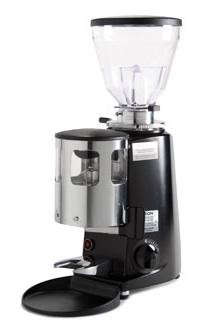
Mazzer Mini Espresso Grinder
Jun
The Mazzer Mini Espresso Grinder is the kind of coffee gear that makes your countertop look like it has joined a professional barista union. It is compact by commercial standards, solid by home-kitchen standards, and serious enough to make pre-ground coffee feel like a bad decision you made during finals week. For espresso lovers, the Mazzer Mini has long been known as a durable, precise, flat-burr grinder built for people who care about shot quality, consistency, and equipment that does not wobble every time it meets a coffee bean.
Originally designed with light commercial use in mind, the Mazzer Mini has become a favorite among home baristas who want café-level grinding without installing a full coffee bar in the living room. It is not the cheapest espresso grinder on the shelf, and it is definitely not the smallest. But it has earned its reputation through rugged construction, stepless grind control, reliable burr performance, and a design philosophy that says, “I am here to work, not to blink at you with unnecessary Wi-Fi.”
This guide breaks down what makes the Mazzer Mini special, who should buy it, what to expect from daily use, and how it compares with newer home espresso grinders. We will also look at real-world experience, because a grinder can sound perfect on paper and still be annoying if it sprays coffee grounds like confetti at a tiny parade.
What Is the Mazzer Mini Espresso Grinder?
The Mazzer Mini is a compact espresso-focused burr grinder made by Mazzer, an Italian company famous for commercial coffee grinders used in cafés, restaurants, and serious home setups. Depending on the exact model, the Mini may appear as a doser version, an electronic doserless version, or a newer on-demand version. That matters because specifications can vary. Some classic Mazzer Mini models use 58 mm flat burrs, while Mini Electronic and newer Mini on-demand models are commonly associated with larger 64 mm flat burrs.
The heart of the grinder is its flat burr system. Flat burrs are valued in espresso because they can produce a consistent particle distribution, helping baristas dial in shots with better repeatability. Translation: your espresso has a better chance of tasting like chocolate, caramel, citrus, or whatever the coffee bag promised, instead of “mystery bitterness with notes of regret.”
The Mazzer Mini also uses stepless micrometrical grind adjustment, which means you are not locked into numbered clicks. Instead, you can make tiny changes to grind size. For espresso, this is a big deal. A small adjustment can turn a fast, sour shot into a balanced one, or rescue a slow shot that looks like it is trying to pour through wet cement.
Key Features of the Mazzer Mini Espresso Grinder
Commercial-Grade Build Quality
One of the biggest reasons people still talk about the Mazzer Mini is its construction. This grinder feels sturdy, dense, and intentionally overbuilt. Many home espresso grinders feel like appliances. The Mazzer Mini feels like equipment. Its body is typically made from heavy-duty metal components, and its overall weight gives it a planted, stable feel during grinding.
That weight is not just for drama. A heavier grinder tends to vibrate less, sit more securely on the counter, and give the user a sense that the machine was designed for years of service. It is the coffee equivalent of a cast-iron skillet: not exactly delicate, but probably still useful after civilization reboots.
Flat Burr Grinding for Espresso Consistency
Espresso is demanding. Unlike French press or cold brew, espresso requires a fine grind with tight consistency. Too coarse, and water rushes through the puck. Too fine, and the machine struggles. The Mazzer Mini’s flat burrs help create the uniformity needed for stable extraction.
The classic Mazzer Mini doser models are often listed with 58 mm flat burrs, while Mini Electronic and newer Mini models may feature 64 mm flat burrs. Larger burrs generally grind faster and can help with consistency, but burr geometry, motor design, alignment, and workflow all matter too. The practical takeaway is simple: the Mazzer Mini is built for espresso first, and it has the burr quality to support serious dialing-in.
Stepless Micrometrical Grind Adjustment
The Mazzer Mini does not rely on broad grind steps. Its stepless collar lets you make very small adjustments, which is exactly what espresso demands. If your shot runs in 18 seconds and tastes sharp, you can move finer. If your shot drips like it is negotiating with gravity, you can move coarser.
This level of control is wonderful once you understand it. Beginners may need a few sessions to get comfortable, because stepless grinders do not always give you the comforting “click-click-click” feedback of stepped grinders. But once you learn the collar, it becomes a powerful tool. Think of it as manual steering for espresso: more control, slightly more responsibility, and fewer excuses.
Doser, Doserless, and On-Demand Options
The Mazzer Mini name covers multiple versions. The older doser model grinds coffee into a dosing chamber, then lets you dispense portions with a lever. This was common in cafés before on-demand grinding became the standard. It works well for repeated use, but home users may find it less convenient because coffee can sit in the doser and lose freshness.
The Mini Electronic models grind directly into the portafilter and usually offer timed dosing. This workflow is cleaner and more practical for home espresso. Newer on-demand models improve speed, dosing, and usability even further, with features such as portafilter activation, anti-static systems, or grind-by-weight technology on specific versions.
Before buying, check the exact model. “Mazzer Mini” can mean different things depending on age, version, and retailer listing. A used Mini from years ago is not the same as a new Mini on-demand grinder.
Performance: How Does the Mazzer Mini Grind?
The Mazzer Mini is best understood as a consistency machine. It is not trying to impress you with flashy screens, smartphone apps, or a personality. It wants to grind coffee predictably. For espresso, predictability is gold.
When properly dialed in, the Mazzer Mini can produce dense, flavorful shots with good body and clarity. It is especially strong with traditional espresso profiles: medium roasts, chocolatey blends, classic Italian-style coffee, and milk drinks. It can also work with lighter roasts, though users may need patience, careful puck prep, and sometimes longer dial-in time.
Speed depends on the model. Older Mini grinders are not the fastest in the prosumer world. If you are pulling a single double shot in the morning, that is not a crisis. If you are making six cappuccinos for guests who are already asking whether the oat milk is barista-grade, you may notice the pace. Newer Mini on-demand versions are designed to improve workflow and grinding speed.
Who Should Buy the Mazzer Mini?
Home Baristas Who Want Café Durability
The Mazzer Mini is ideal for home baristas who want a grinder that feels professional and dependable. If your espresso machine is already capable of serious shots, pairing it with a weak grinder is like putting budget tires on a sports car. Technically it moves, but nobody is proud.
This grinder suits people who make espresso regularly, enjoy adjusting variables, and value build quality over trendy features. If you want a grinder that can stay in your setup for years, the Mazzer Mini deserves a spot on your shortlist.
Small Cafés, Offices, and Low-Volume Coffee Bars
The Mini can also serve low-volume commercial settings. It works well as a secondary grinder for decaf, single-origin espresso, or a guest coffee option. In a busy café, it is not usually the main workhorse compared with larger Mazzer models like the Super Jolly, Major, or Robur. But for lighter duty, it has the toughness to handle more than casual home use.
People Who Prefer Mechanical Simplicity
Some coffee gear feels like it needs a software update before breakfast. The Mazzer Mini is more traditional. Even electronic versions remain relatively straightforward compared with modern grinders loaded with screens and connectivity. For users who prefer mechanical dependability, that simplicity is a feature, not a flaw.
Who Might Not Love It?
The Mazzer Mini is not perfect for everyone. First, it is heavier and larger than many modern home grinders. The word “Mini” should be understood in café language, not apartment-kitchen language. It is mini the way a professional espresso machine is “compact” if you compare it to a refrigerator.
Second, older doser versions may not fit modern single-dosing habits. If you frequently switch beans, weigh every dose, and want near-zero retention, a dedicated single-dose grinder may be more convenient. The Mazzer Mini was designed primarily as a hopper grinder, not as a minimalist single-dose machine.
Third, it can be more expensive than entry-level espresso grinders. Affordable grinders like the Baratza Encore ESP, Fellow Opus, or Eureka Mignon models may be better for beginners who want good results without stepping fully into prosumer territory. The Mazzer Mini makes more sense when durability, grind control, and long-term ownership matter.
Mazzer Mini vs. Modern Home Espresso Grinders
The home espresso market has changed dramatically. Today, many grinders offer low retention, compact bodies, digital controls, quiet motors, and single-dose workflows. Compared with these, the Mazzer Mini can feel old-school, especially in its classic forms.
But old-school does not mean outdated. The Mazzer Mini still offers qualities that remain hard to fake: heavy construction, precise stepless adjustment, proven burr performance, and long serviceability. Modern grinders may win on convenience and counter space. The Mazzer Mini often wins on confidence. You use it and think, “Yes, this machine has definitely seen things.”
If your priority is switching between multiple coffees every day, a newer single-dose grinder may suit you better. If your priority is keeping one espresso blend dialed in and pulling consistent shots, the Mazzer Mini remains highly compelling.
Dialing In Espresso With the Mazzer Mini
Dialing in the Mazzer Mini starts with the basics: fresh beans, a consistent dose, good distribution, and a target yield. A common starting point for espresso is a 1:2 ratio, such as 18 grams of coffee in and 36 grams of espresso out, in roughly 25 to 30 seconds. This is not a law. It is a starting recipe, like “add salt” before your uncle starts explaining his secret barbecue rub.
Use the grind collar to adjust shot time and flavor. If the shot tastes sour, thin, and runs too fast, grind finer. If it tastes harsh, bitter, or runs too slowly, grind coarser. Make small changes and purge a little coffee after each adjustment, especially on hopper-based grinders where some coffee remains inside the chamber.
The Mazzer Mini rewards consistency. Keep your dose stable, tamp evenly, and avoid changing five variables at once. Espresso already has enough drama. Do not give it extra plot twists.
Maintenance and Cleaning
Like any burr grinder, the Mazzer Mini benefits from regular cleaning. Coffee oils and fine particles build up over time, especially if you use darker roasts. A simple brush cleaning around the chute, burr chamber, and dosing area helps preserve flavor and reduce clumping.
For home use, a deeper cleaning every few weeks or months may be enough, depending on how often you grind. Avoid spraying beans with water unless the manufacturer specifically recommends it for your model and workflow. Moisture can create problems inside a grinder, including clumping or burr issues.
Burrs are wear items. They last a long time in home use, but they do not last forever. If shots become harder to dial in, grounds look inconsistent, or flavor becomes dull despite fresh beans and good technique, worn burrs may be part of the problem.
Pros and Cons of the Mazzer Mini Espresso Grinder
Pros
- Excellent build quality with a professional feel
- Flat burr design suitable for espresso consistency
- Stepless micrometrical adjustment for precise dialing-in
- Reliable performance for home baristas and light commercial use
- Strong long-term reputation in the coffee community
- Available in several versions for different workflows
Cons
- Heavier and larger than many modern home grinders
- Older doser models may feel inconvenient for single-dose users
- Not the fastest grinder in classic versions
- Retention can matter when changing beans frequently
- Higher price than many beginner espresso grinders
Buying Tips: What to Check Before You Purchase
Because there are multiple Mazzer Mini versions, always confirm the exact model before buying. Check whether it is a doser, doserless electronic, on-demand, or grind-by-weight model. Look at burr size, motor rating, hopper size, dimensions, voltage, and whether replacement parts are easy to source.
If buying used, ask about burr age, cleaning history, motor condition, and whether the adjustment collar moves smoothly. A used Mazzer Mini can be a great deal, but café equipment may have lived a busy life. You want “experienced,” not “emotionally exhausted.”
For home kitchens, measure your counter space carefully. Include hopper height, cabinet clearance, and the space needed to insert and remove the portafilter. The Mini is compact compared with commercial grinders, but it still has presence.
Real-World Experience With the Mazzer Mini Espresso Grinder
Using the Mazzer Mini every day feels different from using a lightweight consumer grinder. The first thing you notice is the confidence of the machine. It sits on the counter like it pays rent. When you turn it on, the sound is purposeful rather than frantic. It does not feel like it is begging the beans to cooperate. It feels like the beans have already signed the paperwork.
For a home barista, the biggest pleasure is repeatability. Once the Mazzer Mini is dialed in, it tends to stay stable. You can return the next morning, dose your coffee, grind, tamp, pull a shot, and feel like yesterday’s success was not a lucky accident. That consistency makes learning espresso less chaotic. Instead of wondering whether the grinder betrayed you, you can focus on dose, yield, puck prep, and bean freshness.
The stepless collar is another daily highlight. At first, it may feel intimidating because there are no firm clicks. But after a week, it becomes natural. A tiny nudge finer can slow a shot by several seconds. A small movement coarser can open up a roast that tasted heavy or bitter. This fine control is especially useful when beans age. Coffee changes after opening, and the grinder lets you chase the sweet spot as the bag develops.
There are small annoyances, of course. Older doser models can feel messy if you are used to weighing single doses. Grounds can collect where you do not want them. The classic Mini may also retain enough coffee that switching beans requires a purge. If you love rotating between a washed Ethiopian espresso in the morning and a dark Brazilian blend after lunch, you may wish for a single-dose grinder. The Mazzer Mini is happiest when it has a regular coffee in the hopper and a clear job to do.
In milk drinks, the Mazzer Mini shines. Cappuccinos and lattes benefit from the grinder’s ability to produce full-bodied espresso. With medium roasts, it can create shots that hold up beautifully under steamed milk, delivering sweetness and depth instead of disappearing like a polite ghost. Straight espresso can also be excellent, especially when the coffee is well matched to the grinder and the barista takes time to dial in.
Cleaning becomes part of the routine. A quick brush around the chute and burr area keeps the grinder behaving well. It is not difficult, but it is necessary. Coffee equipment is a little like a pet: ignore it too long and it starts leaving evidence around the house.
The Mazzer Mini is best for someone who enjoys the ritual. It is not the grinder for a person who wants instant espresso with no learning curve. It is for the person who enjoys small adjustments, careful dosing, and the quiet satisfaction of improving one shot at a time. Over weeks and months, it teaches you that espresso is not only about pressure and temperature. The grind is the foundation. Get that right, and everything else becomes easier.
That is the real charm of the Mazzer Mini Espresso Grinder. It does not promise magic. It offers control, durability, and consistency. For serious home baristas and small-volume coffee setups, that may be exactly the kind of magic worth paying for.
Final Verdict
The Mazzer Mini Espresso Grinder remains a respected choice because it focuses on the things that matter most: grind consistency, precise adjustment, durable construction, and espresso-focused performance. It may not be the trendiest grinder in a market full of sleek single-dose machines, but it has something many newer grinders are still trying to prove: a long-standing reputation for reliability.
Choose the Mazzer Mini if you want a serious espresso grinder with commercial DNA, a stable workflow, and the ability to produce café-quality shots at home. Consider another option if you need ultra-low retention, frequent bean switching, or the smallest possible footprint. Either way, the Mazzer Mini deserves its place in espresso historyand possibly on your counter, where it will sit proudly, looking like it knows your coffee order before you do.
Note: This article is written as original web-ready content based on synthesized real-world product information from manufacturer details, U.S. coffee equipment retailers, espresso grinder reviews, and home barista experience. Specifications may vary by Mazzer Mini version, so buyers should confirm the exact model before purchase.

