
Makeup
Young Women Evicted After Paying 3 Months’ Rent Upfront At Airbnb, Ask For Help Online
Jun
Booking a long-term Airbnb is supposed to feel like the modern version of finding a temporary home: click, pay, pack, arrive, and pretend you are the kind of person who remembers where the spare towels are. But for two young women staying in San Diego, that dream reportedly turned into a panic-filled housing nightmare after they said they were evicted from an Airbnb they had paid for three months in advance.
The story spread online after one of the women asked social media users for help, explaining that she and her best friend had moved across the country for the summer and believed they had secured a safe, legitimate place to stay. Instead, they said the host was running an illegal sublet, the property was not actually his to rent, and the pair suddenly faced an eviction notice with their belongings packed and nowhere to sleep that night. The internet, as it often does, grabbed a megaphone, a flashlight, and a suspicious eyebrow.
Beyond the drama of one viral Airbnb eviction story, the situation highlights a much bigger issue: long-term stays booked through short-term rental platforms can fall into a confusing gray zone between vacation lodging, tenancy rights, platform policies, local laws, and plain old rental fraud. When everything works, it is convenient. When it fails, it can fail spectacularly.
What Happened In The Viral Airbnb Eviction Story?
According to the woman who posted the plea online, she and her friend booked an Airbnb in San Diego for the summer and paid for a three-month stay. They believed the host had the legal right to rent the property and that the listing had been properly vetted. Then, they allegedly learned that the host was not legally allowed to sublet the unit.
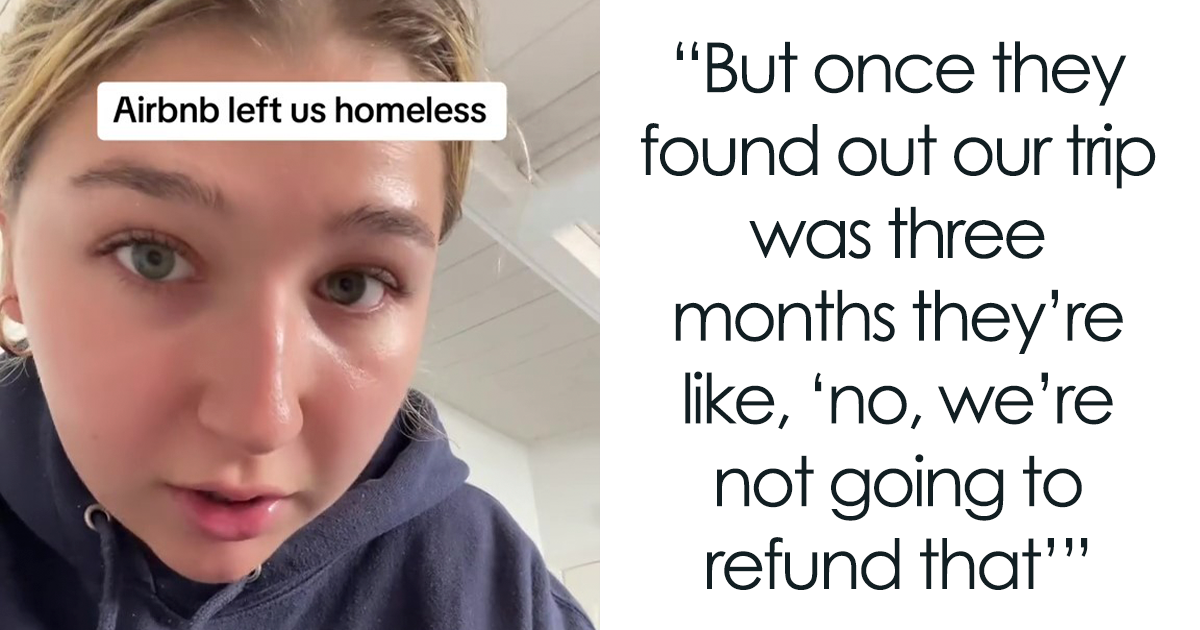
The women said they received an eviction notice warning that they had to leave quickly or the locks would be changed. They claimed Airbnb initially told them the company would help them find a new place and refund the trip, but that the conversation became complicated once support representatives realized the stay was three months long. The replacement options available on short notice in San Diego were reportedly extremely expensive, with one option costing around $1,500 per night.
That left the two women in a frightening position: they had paid for housing, they believed they had booked through a trusted platform, and they suddenly faced the possibility of being without a place to stay. Their online appeal was simple: they needed help, they needed visibility, and they needed the platform to act fast enough to matter.
Why This Story Hit A Nerve Online
This story resonated because it combined several anxieties people already have about modern housing. Rent is expensive. Short-term rentals can be confusing. Customer service can feel like a maze built by a committee of hold music enthusiasts. And when young renters are far from family, one housing problem can become a full-blown emergency in a matter of hours.
Many commenters sympathized with the women because paying three months upfront sounds like the opposite of careless behavior. It sounds responsible. It sounds prepared. It sounds like the sort of thing adults tell you to do before immediately asking whether you have compared car insurance quotes. Yet the situation shows that paying upfront does not guarantee legal security if the person offering the place does not have the right to offer it.
The case also raised a difficult question for platforms: when a guest books through a marketplace, how much responsibility should that marketplace have when a host’s listing turns out to be unauthorized? Airbnb’s official policies emphasize that hosts are responsible for understanding local laws, permits, leases, HOA rules, and subletting restrictions. For guests, however, the difference between “the platform allowed the listing” and “the host was legally authorized” can be hard to see until something goes wrong.
The Big Problem: Illegal Subletting
Illegal subletting happens when someone rents out a property they do not own or control without the required permission from the owner, landlord, building, city, or lease agreement. In a typical apartment lease, subletting may be banned outright or allowed only with written approval. Short-term rentals may be treated differently from ordinary roommates or traditional subleases, especially in cities with strict housing rules.
In practical terms, an illegal sublet can create trouble for everyone. The owner may discover strangers living in the unit. The original tenant may be violating a lease. The guests may have paid thousands of dollars to someone who cannot legally provide the stay. The platform may have to review the dispute. Meanwhile, the people inside the unit are trying to figure out whether they are guests, tenants, trespassers, victims, or all of the above before dinner.
This is why long-term Airbnb stays require extra caution. A weekend rental is one thing. A three-month stay can start looking more like housing. That means more money, more legal complexity, more risk, and more chaos if the listing turns out to be unauthorized.
Airbnb Long-Term Stays Are Not The Same As Weekend Trips
Airbnb treats reservations of 28 nights or more as monthly stays, and long-term cancellation rules generally apply. Payments for monthly stays may be collected differently, and cancellation expectations are not always the same as for a quick weekend booking. That matters because a guest who books three months may not be handled exactly like someone whose beach cottage has a broken air conditioner for two nights.
Airbnb’s rebooking and refund policy says guests should report reservation issues within a set period after discovering the problem and provide evidence. Depending on the situation, availability, and comparable pricing, the company may provide a full or partial refund or help the guest find a similar place. The phrase “depending on availability at comparable pricing” is doing a lot of work here. In a high-demand city like San Diego, same-day replacement housing can be wildly expensive.
That is one reason the women’s case became so alarming. Even if a company agrees in principle that something went wrong, the real-world solution must happen quickly enough to keep people housed. A refund that takes time to process does not unlock a door that night. A support promise does not move luggage. A policy paragraph does not become a pillow unless someone acts.
San Diego Adds Another Layer Of Rules
San Diego has specific short-term residential occupancy rules. For stays of 1 to 30 days, hosts generally need proper short-term rental licensing and tax-related registration. Airbnb’s own San Diego guidance notes that hosts who only rent for 31 days or more at a time may not need the same short-term license number to publish a listing, but that does not automatically solve lease permission or subletting issues.
In other words, “not needing a short-term rental license for a 31-plus-day stay” is not the same as “any renter can secretly turn an apartment into a summer Airbnb kingdom.” A lease can still prohibit subletting. A building can still ban short-term guests. A landlord can still object. Local law, platform rules, and private contracts can all overlap, and guests are usually the least equipped people in the room to untangle them.
For travelers, the lesson is not that every long-term Airbnb is dangerous. Many are legitimate, comfortable, and professionally managed. The lesson is that long-term bookings deserve more verification than a two-night getaway. If you are paying thousands of dollars and planning to live somewhere for a season, treat it like housing, not just travel.
Why Paying Upfront Can Be Risky
Paying rent upfront can feel like armor. It gives renters confidence that they have secured a place and gives hosts confidence that the booking is serious. But upfront payment can also magnify the damage if the listing is fake, unauthorized, or misrepresented.
The Federal Trade Commission warns that rental scammers often try to get people to pay in advance for homes or vacation rentals. The most obvious red flags include requests for payment by wire transfer, gift card, cryptocurrency, or other methods that are difficult to reverse. Airbnb also advises users to keep all communication and payments on the platform, because off-platform payment requests are a classic “sirens should be playing” warning sign.
In the San Diego case, the women reportedly booked through Airbnb rather than sending money directly to a random stranger, which is generally safer than paying off-platform. But platform payment does not eliminate every possible risk. It may help with records, dispute review, and refund requests, yet it cannot magically validate every lease agreement, landlord approval, or local housing rule before a stay begins.
Could Guests Have Tenant Rights In A Long Stay?
One reason long-term stays become complicated is that guests may acquire certain legal protections depending on the state, city, type of property, and length of stay. California eviction law generally requires written notice before a landlord can legally evict a tenant, and the legal process may involve a court case known as an unlawful detainer if the person does not leave after proper notice.
However, it would be a mistake to assume every Airbnb guest automatically has the same rights in every situation. Tenant status can depend on facts that ordinary travelers may not know: the type of accommodation, the intended length of stay, whether the person has another residence, local ordinances, and whether the arrangement was legal in the first place. This is where internet advice can become dangerous. A comment section may be emotionally satisfying, but it is not a courthouse.
If someone receives an eviction notice during a long-term rental, the safest move is to document everything and seek local legal help immediately. That means saving the booking confirmation, screenshots, payment receipts, messages with the host, messages with the platform, photos of the notice, and any communication from the landlord or property manager. Screenshots are not glamorous, but in a housing dispute they are tiny paper shields.
What Guests Should Do If An Airbnb Stay Falls Apart
1. Stay On The Platform
Guests should keep all messages and payments inside Airbnb or the booking platform used. This creates a record that support teams can review. If a host asks for direct payment, private banking details, wire transfers, or cash outside the platform, that is a major warning sign.
2. Collect Evidence Immediately
Take screenshots of the listing, host profile, house rules, cancellation policy, messages, payment receipts, and any notice placed on the door. If a property manager or landlord contacts you, write down the date, time, name, and summary of the conversation. When panic rises, memory gets slippery. Documentation keeps it from sprinting out the back door.
3. Contact Airbnb Support With A Clear Timeline
Explain the issue in chronological order: booking date, payment amount, check-in date, when you discovered the problem, what the notice says, what the host said, and what immediate help is needed. Ask for rebooking assistance, refund review, and escalation to a safety or urgent housing team if you are at risk of being locked out.
4. Contact Local Authorities Or Legal Aid If Needed
If you are being threatened with lockout, removal, or loss of belongings, local tenant resources, legal aid groups, or law enforcement non-emergency lines may help clarify your options. A property owner may have legal rights, but self-help lockouts and improper evictions can be illegal in many places. The details matter, so local guidance matters.
5. Report Possible Fraud
If the listing appears fraudulent or unauthorized, report it to the booking platform. If money was lost, consider reporting the issue to the FTC, the state attorney general, local consumer protection offices, and local law enforcement. Reporting may not instantly fix the problem, but it creates a paper trail and may help prevent the same host from harming others.
How To Vet A Long-Term Airbnb Before Booking
Before booking a stay of one month or longer, guests should slow down and inspect the listing like a detective who has had coffee. Look for a long review history, consistent guest feedback, verified identity indicators, professional communication, and clear house rules. Be cautious with brand-new listings offering unusually low prices in expensive markets.
Ask the host direct questions: Do you own the property or have written permission to host? Does the lease, building, HOA, or landlord allow this stay? Are long-term stays allowed at this address? Are there any local registration or licensing requirements? A legitimate host should not be offended by reasonable questions, especially when the booking is long and expensive.
For extra caution, search the property address online. Check whether the same unit appears on rental sites under a different name, whether photos appear in unrelated listings, or whether the property is listed for sale. If the host avoids basic questions, pushes urgency, or suggests moving the transaction outside Airbnb, treat the listing like a raccoon near an open trash can: maybe harmless, but probably up to something.
What Platforms Can Learn From Cases Like This
Stories like this put pressure on rental platforms to improve trust and safety systems. Identity verification is useful, but identity is not the same as authority. A host may be a real person and still lack permission to rent a property. Location verification is useful, but a real address is not the same as a legal listing. Reviews are useful, but a property can operate for a while before a landlord, HOA, or city catches up.
For long-term stays, platforms could reduce risk by asking for clearer host attestations, stronger documentation where local rules require it, faster escalation when guests receive eviction notices, and better emergency rebooking support. Guests do not need a philosophy lecture when they are standing outside with suitcases. They need a safe place to sleep, a human who understands the urgency, and a resolution process that does not feel like being passed around a corporate pinball machine.
The Human Side: Why This Is More Than A Viral Post
It is easy to treat viral housing stories as online entertainment. There is a dramatic headline, a tearful video, angry comments, and a familiar villain: the faceless support system. But behind the content is a real fear many renters understand. Losing housing unexpectedly can make people feel powerless, embarrassed, and unsafe. For young women far from home, that vulnerability can be even more intense.
There is also a social trust issue. People use Airbnb because they believe a platform offers structure and accountability. They may not expect perfection, but they do expect that a paid booking will lead to a lawful place to stay. When that trust breaks, the damage goes beyond one reservation. It makes people question every listing, every host badge, and every cheerful sentence that begins with “Relax, you’re all set.”
Experiences Related To This Topic: Lessons From Long-Term Stays Gone Wrong
Many travelers and temporary renters have shared similar experiences around long-term stays, especially in competitive housing markets. One common pattern starts with urgency. A student lands an internship in a new city. A remote worker needs a furnished place for three months. A travel nurse needs housing near a hospital. A young renter cannot qualify for a traditional apartment because they lack local income history, so Airbnb looks like the simplest bridge between “I need housing” and “I have a roof.”
That convenience is exactly why long-term bookings are attractive. There is no furniture shopping, no utility setup, no year-long lease, and no awkward conversation about whether the couch counts as “vintage” or simply “tired.” But the convenience can hide questions that traditional rentals force into the open. Who owns the property? Who has authority to rent it? What happens if the building does not allow sublets? What if the landlord discovers the stay halfway through? What if the host disappears?
A practical example: imagine two college friends booking a summer Airbnb near the beach because every apartment complex requires a 12-month lease. The listing has nice photos, a few positive reviews, and a friendly host. They pay upfront, arrive, and settle in. Two weeks later, a building manager knocks and says short-term rentals are banned. The host stops responding. The platform asks for documentation. The guests are not trying to break rules; they are simply caught between the host’s promise and the building’s restrictions.
Another common scenario involves “rental arbitrage,” where someone leases a property and then rents it out for profit. This can be legal when the lease and local rules allow it, but risky when done secretly. Guests usually cannot tell the difference from the listing alone. A clean apartment with a cheerful welcome basket can still be an unauthorized sublet. The shampoo may be complimentary, but the legal headache is not.
The best experience-based advice is to treat any long-term Airbnb like a hybrid between travel and housing. Do not rely only on pretty photos. Ask for clarity in writing. Confirm that the host is allowed to offer a stay of that length. Keep every message on-platform. Avoid any listing where the host says things like “Don’t mention Airbnb to the front desk,” “Say you’re my cousin,” or “If anyone asks, you’re just visiting.” That is not a house rule; that is a plot twist wearing a trench coat.
It is also wise to have a backup plan before arrival. Save nearby hotels, extended-stay options, legal aid contacts, and emergency funds if possible. This may sound pessimistic, but it is really just adulting with a flashlight. Most stays will be fine. But if a listing collapses, the person with documentation, emergency contacts, and a backup lodging list is in a much stronger position than the person whose only plan is refreshing customer support chat until their soul leaves their body.
For hosts, these stories are a reminder that transparency is not optional. If you are renting a property you do not own, written permission matters. Local compliance matters. Guests deserve to know that the place they paid for will not vanish because someone skipped a lease clause. A good host does more than provide Wi-Fi and decorative throw pillows. A good host provides legal, stable access to the space.
For guests, the takeaway is not to avoid Airbnb forever. It is to book smarter, especially for monthly stays. A long-term booking should include more questions, more documentation, and more caution than a weekend trip. Trust the platform, but verify the host. Enjoy the convenience, but respect the risk. And if a situation feels off, act early. In housing, “I’ll deal with it later” has a nasty habit of becoming “Why is there a notice on the door?”
Conclusion
The story of the young women reportedly evicted after paying three months upfront for an Airbnb is unsettling because it exposes the gap between platform convenience and housing reality. A listing can look legitimate. A host can sound friendly. A payment can go through. Yet if the stay is unauthorized, guests may still find themselves facing sudden displacement, expensive replacement options, and confusing support conversations.
The smartest response is not panic; it is prevention. Long-term Airbnb guests should verify host authority, keep communication on-platform, document everything, understand local rules, and know where to seek help if a stay collapses. Platforms, meanwhile, should continue improving how they detect unauthorized listings and respond to urgent housing disruptions. Because when someone pays for a place to stay, the bare minimum should be simple: the door should open, the stay should be legal, and no one should need to beg the internet for a bed.

