
Makeup
DIY An End Grain Wood Floor
Jun
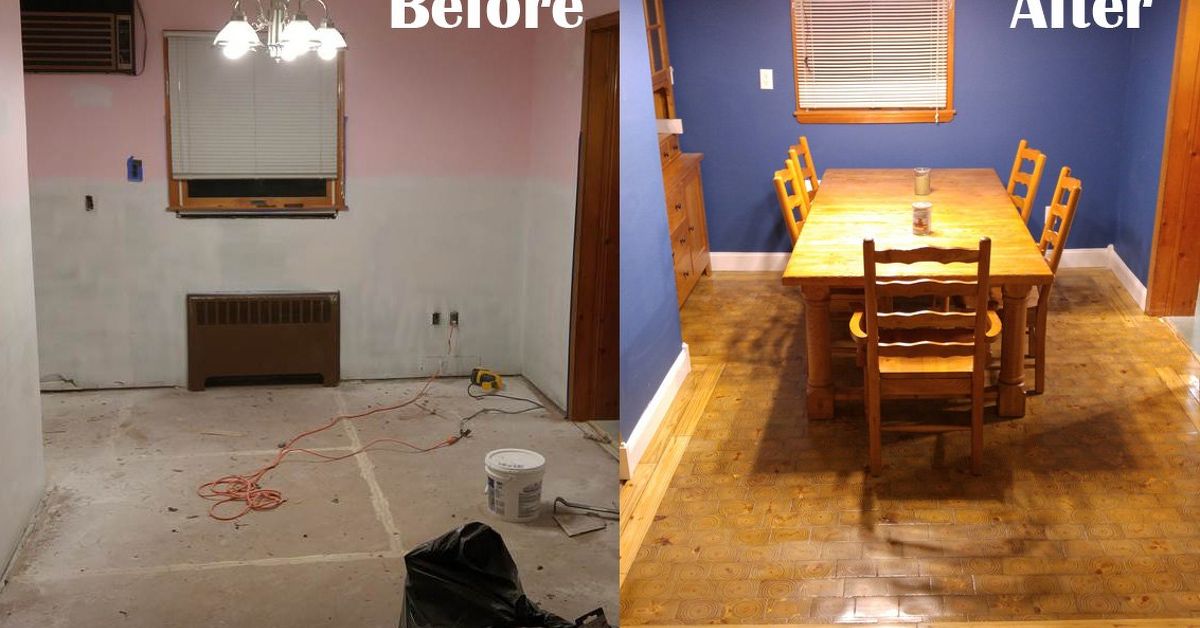
There are ordinary wood floors, and then there are end grain wood floorsthe flooring equivalent of wearing a tailored jacket while casually saying, “Oh, I made this.” Instead of showing the long face of the board, end grain flooring reveals the cut ends of wood blocks, creating a surface filled with rings, dots, swirls, and tiny natural fingerprints. It looks rustic, architectural, and just unusual enough to make guests stop mid-sentence.
A DIY end grain wood floor is not the fastest flooring project. It is not the “slap it down before lunch” kind of weekend miracle. This floor asks for patience, accuracy, moisture control, sanding, filling, and a healthy respect for adhesive. But when done correctly, it can be durable, distinctive, and surprisingly affordableespecially if you use reclaimed lumber, offcuts, or carefully selected dimensional wood.
This guide walks through how to plan, cut, install, sand, fill, and finish an end grain wood block floor, with practical tips for homeowners who want a showpiece floor without turning the house into a sawdust-themed amusement park.
What Is an End Grain Wood Floor?
An end grain wood floor is made from small blocks or tiles cut across the grain of lumber. Imagine slicing a 4×4, 2×4, or hardwood timber into thick wooden “pavers.” The cut face becomes the walking surface. Instead of long, linear wood grain, you see growth rings and dense end fibers.
This construction gives the floor a bold visual texture. It can look like cobblestone, butcher block, parquet, or a rustic workshop floor depending on the species, block size, layout, stain, and finish. Historically, end grain wood blocks were used in industrial settings because the exposed fibers can handle compression well. In homes, the appeal is partly performance and partly personality. It says, “I enjoy craftsmanship,” but also, “I own more clamps than most people own forks.”
Is a DIY End Grain Wood Floor a Good Idea?
Yesif you understand the work involved. End grain flooring is best for patient DIYers who can measure carefully, manage moisture, and tolerate repetitive tasks. Cutting hundreds or thousands of blocks is not glamorous. It is woodworking meditation with a loud saw.
This project is a better fit for mudrooms, offices, workshops, cabins, studios, dens, or feature areas than for wet bathrooms or damp basements. Wood moves with humidity, and end grain absorbs moisture more aggressively than face grain. That means the subfloor must be stable, the blocks must be dry, and the finish must protect the surface well.
Best places for end grain flooring
- Home offices and studios
- Workshops and craft rooms
- Entryways with good moisture control
- Cabins or rustic interiors
- Accent zones inside larger rooms
Places to avoid
- Bathrooms with showers or tubs
- Wet basements
- Laundry rooms without leak protection
- Rooms with unstable humidity
- Concrete slabs with unresolved moisture problems
Choosing the Right Wood
For DIY end grain flooring, common choices include pine, fir, oak, maple, walnut, cedar, and reclaimed hardwood. Softwoods such as pine are easier to cut and more budget-friendly, but they dent more easily. Hardwoods are tougher and often more dramatic, but they require sharper blades, more effort, and a bigger budget.
Reclaimed lumber can be beautiful, but inspect it carefully. Remove nails, screws, staples, grit, and mysterious metal bits that seem to appear only after your saw blade meets them. Use dry, clean, stable wood. Avoid pieces with rot, active insects, oily contamination, or major cracks.
Block size is a design choice. Many DIYers use squares or rectangles between 1 1/2 inches and 4 inches wide. Thickness commonly ranges from about 1/2 inch to 1 inch, depending on the floor height you can accommodate. Thicker blocks allow more sanding over the life of the floor, but they also raise transitions at doorways.
Tools and Materials You Will Need
This project does not require a royal woodworking palace, but it does require accuracy. A chop saw or miter saw with a stop block is the hero tool because every block must be cut consistently. If your blocks vary wildly in thickness, sanding becomes less like finishing a floor and more like leveling a mountain range.
Tools
- Miter saw or chop saw with a sharp blade
- Stop block for repeat cuts
- Table saw, if ripping lumber to consistent width
- Random-orbit sander and floor sander
- Shop vacuum with dust collection
- Moisture meter
- Notched trowel
- Rubber grout float or flooring filler trowel
- Chalk line, square, tape measure, and spacers
- Knee pads, respirator, gloves, and eye protection
Materials
- Dry wood blocks
- Urethane or polymer wood flooring adhesive
- Wood filler, flexible flooring filler, or sawdust-and-binder filler
- Plywood underlayment if needed
- Moisture barrier or primer if recommended for the substrate
- Sandpaper in progressive grits
- Wood stain, optional
- Floor-grade polyurethane, hardwax oil, or penetrating oil finish
- Baseboards or shoe molding
Step 1: Prepare the Subfloor
Subfloor preparation is where great floors are born and bad floors begin plotting revenge. The surface must be clean, dry, flat, and structurally sound. Sweep, vacuum, scrape off old adhesive, tighten loose panels, and repair damaged areas.
For a wood-framed floor, plywood is usually a friendly substrate. For concrete, you must test moisture first and use products approved for glue-down wood flooring over concrete. If the slab is damp, do not convince yourself that “it will probably be fine.” Moisture is not moved by optimism.
Check flatness with a long straightedge. High spots should be sanded or ground down, and low spots should be filled with a compatible leveling compound. End grain blocks are small, so they can follow slight irregularities, but that does not mean they should. A wavy subfloor creates lippage, gaps, and extra sanding.
Step 2: Acclimate the Wood
Wood flooring needs time to adjust to the room where it will live. Bring the blocks into the space after the HVAC system is operating and indoor conditions are normal. Stack the blocks with airflow around them and let them acclimate until their moisture content is appropriate for your home and reasonably close to the subfloor.
Use a moisture meter rather than guessing by vibes. The goal is not simply to wait a random number of days; the goal is to let the wood reach a stable condition. In most homes, consistent indoor humidity is just as important after installation as before it. Seasonal movement is normal, but dramatic humidity swings can cause gaps, swelling, or cupping.
Step 3: Cut the End Grain Blocks
Set up a stop block on your saw so every tile is the same thickness. This one detail can save hours of sanding later. Cut slowly and safely. If the wood is reclaimed, scan it for hidden fasteners. If the wood is dusty, dirty, or splintery, clean it before cutting.
Consistency matters more than perfection. A block that is 3/4 inch thick should not have a rebellious cousin at 7/8 inch sitting proudly in the middle of the room. Sort blocks by thickness, color, and quality as you cut. Reject pieces with cracks, loose knots, rot, or unstable edges.
Many DIYers seal or pre-finish the top face lightly before filling the gaps, especially if using a dark filler. This can help prevent filler haze from staining the end grain. Test on sample blocks first because end grain absorbs finish quickly and can darken dramatically.
Step 4: Plan the Layout
Dry-lay a section before gluing anything. You can arrange blocks in a grid, running bond, basketweave, random mosaic, or mixed-size pattern. A simple grid looks clean and modern. A staggered pattern hides small variations better. A random layout feels rustic and forgiving, which is helpful when your lumber pile has a strong independent personality.
Snap chalk lines to divide the room into manageable sections. Starting from the center can help keep the pattern balanced. In small rooms, starting from the most visible wall may be easier. Leave an expansion gap around the perimeter, which will later be covered by baseboard or shoe molding.
Step 5: Glue Down the Blocks
End grain blocks are usually glued down with a full-spread flooring adhesive. Use the adhesive recommended for wood flooring and compatible with your subfloor. Many professional recommendations favor urethane or polymer adhesives for end grain because water-based adhesives can introduce moisture into the blocks.
Spread adhesive in small sections with the correct notched trowel. Do not cover the whole room at once unless you enjoy panic as a lifestyle. Work within the adhesive’s open time. Press each block firmly into the adhesive and keep the pattern aligned with your chalk lines. Use spacers if you want consistent gaps for filler.
As you work, lift an occasional block to check adhesive transfer. Good contact matters. If the adhesive skins over or stops transferring, scrape it up and apply fresh adhesive. Keep a damp rag or manufacturer-approved cleaner nearby for smears, but do not soak the wood.
Step 6: Fill the Gaps
After the adhesive cures, fill the joints. Some installers use commercial wood floor filler. Others use a mixture of fine sanding dust and a compatible binder. The right choice depends on the size of your gaps, the flexibility needed, and the finish system you plan to use.
Apply filler with a rubber float or trowel, pushing it deeply into the joints. End grain flooring can have many small gaps, so take your time. This is not the moment for delicate wrist flicks. This is the moment for firm pressure and commitment.
Let the filler dry fully according to the product directions. Expect some shrinkage in wider joints. A second pass may be necessary. If using a dark filler, test first. End grain can stain unevenly, and once dark filler gets into open pores, it may decide to live there forever.
Step 7: Sand the Floor Smooth
Sanding end grain flooring is different from sanding regular planks. Because the surface is made of many small cut ends, it can absorb finish unevenly and reveal scratches if you skip grits. Start with a coarse grit only if necessary to flatten uneven blocks. Then move through progressively finer grits.
Vacuum thoroughly between sanding stages. Dust hides in end grain like it is avoiding rent. Use an edger for corners and edges. Be careful not to dish out softer blocks, especially if your floor uses mixed species. The goal is a flat, smooth surface without sanding away more material than needed.
For a refined finish, many woodworkers sand end grain to a higher grit than face grain because it drinks finish more readily. However, do not polish it so much that your stain or finish cannot bond properly. Always follow the finish manufacturer’s sanding recommendations.
Step 8: Stain or Keep It Natural
Stain is optional. Many end grain floors look best with a clear finish because the natural rings and color variation already provide visual interest. If you do stain, test several blocks first. End grain often stains darker than expected, sometimes with the enthusiasm of a sponge at a swimming pool.
A pre-stain conditioner may help with blotching on certain species, but testing is still essential. Consider using a lighter stain than you think you need. Once stain is applied across a whole room, regret becomes very square-footage dependent.
Step 9: Apply a Durable Floor Finish
Choose a floor-rated finish, not a random can from the back of the garage labeled “probably fine.” Water-based polyurethane dries clear and has lower odor, while oil-based polyurethane adds amber warmth and can create a rich, traditional look. Hardwax oils and penetrating oils can produce a more natural feel, though maintenance requirements differ.
Apply thin, even coats according to the product directions. End grain may absorb the first coat heavily, so a sealer coat is often useful. Lightly abrade between coats if required, then vacuum and tack-clean before recoating. Keep pets, shoes, dust, and curious relatives away until the finish has cured enough for traffic.
Do not rush the cure time. Dry to the touch is not the same as fully cured. Furniture, rugs, and heavy use should wait until the finish manufacturer says the floor is ready. Your floor has made it this far; do not let a sofa leg become the villain in the final chapter.
Common Mistakes to Avoid
Skipping moisture testing
Moisture problems can cause swelling, gaps, adhesive failure, and finish issues. Test the wood and the subfloor before installing.
Cutting uneven blocks
Inconsistent thickness means excessive sanding. Use a stop block and check your cuts regularly.
Using the wrong adhesive
End grain blocks need strong, compatible glue-down installation. Read the adhesive label and choose a product designed for wood flooring.
Forgetting expansion space
Wood moves. Leave a perimeter gap and cover it with trim. Do not trap the floor tightly against walls, cabinets, or thresholds.
Applying finish too heavily
Thick coats can bubble, dry poorly, or look uneven. Thin coats are safer, smoother, and more professional.
Maintenance Tips for an End Grain Wood Floor
Once your end grain floor is finished, treat it like a real wood floor with a slightly artistic temperament. Sweep or vacuum regularly with a hardwood-safe attachment. Use felt pads under furniture. Wipe spills quickly. Avoid steam mops, wet mopping, harsh cleaners, and rolling office chairs without a protective mat.
Maintain indoor humidity within a comfortable range. In dry seasons, a humidifier may help reduce shrinkage. In humid seasons, air conditioning or a dehumidifier can help prevent swelling. The floor will move a little; the goal is to prevent dramatic movement.
When the finish begins to dull, screen and recoat before bare wood is exposed. This is much easier than sanding everything back to raw wood. Think of it like sunscreen for your floor: applying it early is smarter than apologizing later.
Cost Considerations
The cost of a DIY end grain wood floor depends heavily on the wood source. Reclaimed lumber or shop offcuts can lower material costs, but they increase labor. Purchased hardwood blocks cost more but reduce cutting and sorting time. Adhesive, filler, sanding supplies, finish, safety gear, and tool rentals should all be included in the budget.
Labor is the hidden giant. Cutting, sorting, gluing, filling, and sanding take time. If you are installing a large area, consider doing a small room or test panel first. A closet, landing, or entry nook can teach you more than a dozen online tutorials and a heroic amount of confidence.
Real-World Experience: Lessons From Building an End Grain Wood Floor
The first thing you learn from a DIY end grain wood floor is that “small blocks” sounds adorable until you realize how many of them a room requires. A 10-by-12-foot space can swallow hundreds of pieces without blinking. The cutting station becomes your new neighborhood. You set the stop block, pull the saw down, stack the piece, repeat, repeat, repeat, and somewhere around block number 400 you start naming them.
The second lesson is that sorting matters. At first, every block looks close enough. Then you begin laying them out and discover that “close enough” has a wide emotional range. Slight thickness differences, color changes, knots, and grain patterns all show up once the floor spreads across the room. Sorting blocks into light, medium, dark, clean, knotty, and “save for cuts near the wall” piles makes the final floor look intentional instead of accidental.
Dry-laying is also worth every minute. A pattern that looks charming on a workbench can feel busy across an entire floor. A grid may look crisp but unforgiving. A staggered layout hides imperfections. A random pattern can be gorgeous, but only if the randomness is balanced. True randomness has a sneaky habit of creating weird clusters, like five dark blocks huddled together as if plotting a tiny wooden rebellion.
Adhesive timing is another unforgettable teacher. Spread too much glue, and it skins over before the blocks are set. Spread too little, and you move slowly enough to question your life choices. The sweet spot is a small, manageable section. Press each block firmly. Check alignment often. Wipe smears immediately. Flooring adhesive has a sense of humor, and its favorite joke is becoming permanent on the one surface you forgot to clean.
Filling the gaps feels messy because it is messy. There is no elegant way to force filler into hundreds of joints. You push, scrape, smear, and repeat. At some point the floor looks worse than before, and you may briefly wonder if you have invented rustic pudding. Keep going. Once the filler dries and sanding begins, the design emerges.
Sanding is where patience pays off. End grain can be tough, thirsty, and uneven. Do not skip grit stages. Do not lean aggressively into the sander. Let the machine do the work. Vacuum more than you think necessary, then vacuum again. Fine dust will hide in the grain, in the joints, and possibly in your eyebrows.
The first coat of finish is magical. The rings darken, the pattern sharpens, and the whole project suddenly looks less like a construction zone and more like a magazine photo with better snacks nearby. But end grain absorbs finish quickly, so plan for multiple coats and follow drying times. The floor may look done before it is ready for furniture. Resist the urge. Chair legs are not gentle critics.
The biggest takeaway is simple: an end grain wood floor rewards preparation. The beauty is in the repetition. Every careful cut, every moisture check, every cleaned joint, and every patient coat of finish adds up. It is not the easiest DIY flooring project, but it is one of the most satisfying. When someone walks in and asks, “Where did you buy this floor?” you get to smile and say, “I made it.” Try not to say it too smugly. Actually, say it a little smugly. You earned it.
Conclusion
A DIY end grain wood floor is a bold, hands-on project that blends woodworking, flooring installation, and design. It requires careful planning, dry materials, a stable subfloor, consistent cuts, proper adhesive, patient sanding, and a durable finish. It also creates a floor with texture and character that standard planks rarely match.
If you want quick, predictable flooring, engineered planks may be the easier route. But if you want a one-of-a-kind surface with visible craftsmanship, end grain flooring is hard to beat. Start small, test your materials, respect moisture, and give yourself enough time. The result can be a warm, durable, conversation-starting floor that looks like it came from a boutique studioexcept you made it with your own two hands and probably a heroic amount of sawdust.

