
Body Care
What To Eat When You Have the Stomach Flu
Jun
When the stomach flu hits, food suddenly becomes less “what sounds good?” and more “what will not betray me in the next 12 minutes?” Viral gastroenteritiscommonly called the stomach fluis not actually influenza. It is an infection that irritates the stomach and intestines, often causing nausea, vomiting, diarrhea, cramps, fever, and the strong desire to cancel every plan you have ever made.
The good news: most cases improve on their own with rest, hydration, and a slow return to gentle foods. The not-so-glamorous truth: eating too much too soon can make your digestive system file a complaint. The goal is not to win a buffet challenge. The goal is to replace fluids, protect your energy, and ease back into meals without poking the bear.
This guide explains what to eat when you have the stomach flu, what to drink, what to avoid, and how to rebuild your appetite after the worst has passed. Think of it as a peace treaty between you and your stomach.
First Things First: Hydration Matters More Than Food
During the first stage of the stomach flu, fluids are usually more important than solid food. Vomiting and diarrhea can drain water and electrolytes such as sodium and potassium. When those are not replaced, dehydration can sneak up quickly, especially in children, older adults, pregnant people, and anyone with a weakened immune system.
If you are actively vomiting, do not force a full meal. Start with tiny sips. A tablespoon or two every few minutes may work better than a large glass. Your stomach is not accepting bulk deliveries right now; it prefers small packages.
Best drinks for stomach flu recovery
Good options include:
- Water, taken in small frequent sips
- Oral rehydration solutions, such as Pedialyte or similar electrolyte drinks
- Clear broth or bouillon
- Ice chips or electrolyte popsicles
- Diluted apple juice, especially if full-strength juice feels too sweet
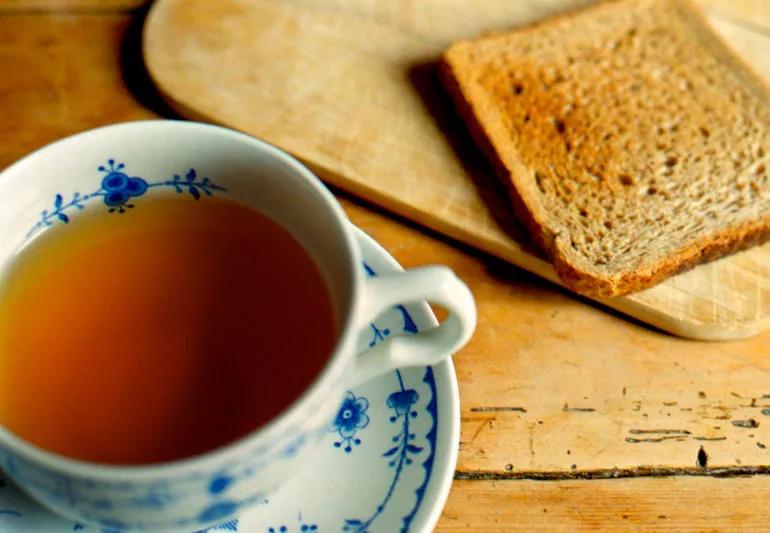
- Weak caffeine-free tea, such as ginger or chamomile
Oral rehydration solutions are especially useful because they are designed to replace both fluid and electrolytes. Sports drinks can help some adults with mild dehydration, but they may be high in sugar and may not replace electrolytes as effectively as an oral rehydration solution. For children, use an oral rehydration solution unless a healthcare professional says otherwise.
When Should You Start Eating Again?
Start eating when vomiting has slowed, you can keep fluids down, and your appetite begins to return. You do not need to wait until diarrhea is completely gone. In fact, once you can tolerate food, small amounts of mild, easy-to-digest meals can help you regain strength.
The best strategy is simple: start bland, go slow, and listen to your symptoms. If nausea returns after eating, pause solids for a bit and return to fluids. Your digestive system is basically wearing a tiny “under construction” sign.
What To Eat When You Have the Stomach Flu
The best foods for stomach flu are bland, low in fat, not too spicy, and easy to digest. They should provide energy without asking your intestines to do a full Broadway performance.
1. Bananas
Bananas are gentle, soft, and naturally rich in potassium, an electrolyte that may be lost during diarrhea and vomiting. They also contain carbohydrates for quick energy. Choose ripe bananas, and eat a few bites at a time. If a whole banana feels ambitious, half a banana still counts as progress.
2. White rice
Plain white rice is low in fiber and easy on the stomach. It may also help firm loose stools because it is starchy and bland. Avoid butter, heavy sauces, spicy seasonings, or greasy toppings. This is not the moment for fried rice with chili crisp, no matter how convincing your cravings become.
3. Applesauce
Unsweetened applesauce is smooth, mild, and usually easier to tolerate than raw apples. It offers carbohydrates and pectin, a type of soluble fiber that may be helpful during diarrhea. Choose plain applesauce without extra sugar or cinnamon if your stomach is especially sensitive.
4. Toast and plain crackers
Dry toast, saltine crackers, and plain pretzels are classic stomach flu foods for a reason. They are simple, salty, and easy to nibble. The salt can help replace some sodium, while the bland starch provides quick energy. Eat slowly and avoid piling on butter, peanut butter, jam, or anything that turns “gentle snack” into “digestive obstacle course.”
5. Oatmeal or cream of wheat
Soft cereals like plain oatmeal or cream of wheat can be helpful once you are ready for something warm and slightly more filling. Cook them with water instead of milk at first, especially if dairy seems to worsen symptoms. Keep the toppings boring: a small amount of banana is fine; a mountain of brown sugar and cream is asking for drama.
6. Plain potatoes
Boiled or baked potatoes without skin are gentle and filling. They provide carbohydrates and potassium. Skip butter, sour cream, cheese, bacon, and spicy seasonings until your stomach is fully back on speaking terms with you.
7. Noodles or plain pasta
Plain noodles, pasta, or rice noodles can work well during recovery. Add a little broth if you need moisture and sodium. Avoid creamy sauces, tomato-heavy sauces, pesto, garlic butter, and spicy toppings until symptoms settle.
8. Clear soups and simple broths
Chicken broth, vegetable broth, miso broth, or a mild noodle soup can provide fluid, sodium, and warmth. Once your appetite improves, you can add soft noodles, rice, or small pieces of lean chicken. Keep it simple and avoid soups that are creamy, greasy, or loaded with beans and cabbage.
9. Lean protein in small portions
After the worst nausea passes, small amounts of lean protein can help you rebuild strength. Try plain baked chicken, turkey, eggs, tofu, or white fish. Keep portions small. Your stomach may be ready for protein before it is ready for a double cheeseburger with onion rings and emotional consequences.
10. Yogurt, only if you tolerate dairy
Some people tolerate yogurt during recovery, especially plain yogurt with live cultures. Others find that dairy worsens diarrhea temporarily after a stomach bug. If dairy has been a problem for you, wait. If you try yogurt, choose plain, low-fat yogurt and start with a small amount.
Is the BRAT Diet Still Recommended?
The BRAT dietbananas, rice, applesauce, and toasthas been used for decades as a go-to stomach flu diet. These foods are bland and easy to digest, so they can be useful for a short time. However, the BRAT diet is very limited. It does not provide enough protein, fat, calories, vitamins, or minerals for longer recovery, especially for children.
Use BRAT foods as a starting point, not a life sentence. Once you can tolerate them, expand to other mild foods such as potatoes, noodles, oatmeal, broth-based soups, cooked carrots, eggs, tofu, and lean poultry. Your body needs more than toast and vibes to recover.
Foods and Drinks To Avoid With the Stomach Flu
Some foods can make nausea, cramping, or diarrhea worse while your gut is irritated. Avoid them until you feel fully better for at least a day or two.
High-fat and fried foods
Greasy foods slow digestion and can worsen nausea. Avoid fries, fried chicken, pizza, bacon, sausage, creamy sauces, and fast food. Delicious? Yes. Strategic during stomach flu? Absolutely not.
Spicy foods
Hot sauce, chili peppers, spicy ramen, curry, and heavily seasoned foods can irritate the digestive tract. Wait until your gut is calm before bringing back the heat.
Alcohol and caffeine
Alcohol can worsen dehydration and irritate the stomach. Caffeine can stimulate the intestines and may make diarrhea worse. Skip coffee, energy drinks, cocktails, and caffeinated soda until you are recovered.
Sugary drinks and desserts
Large amounts of sugar can pull water into the intestines and worsen diarrhea. Avoid regular soda, undiluted juice, candy, ice cream, and very sweet sports drinks. If juice is the only fluid you can tolerate, dilute it with water.
Raw vegetables, beans, and high-fiber foods
Fiber is normally a health hero, but during active diarrhea it can be a bit too enthusiastic. Temporarily limit raw salads, beans, lentils, corn, bran cereal, whole grains, broccoli, cabbage, and other gas-producing foods.
Dairy, if it worsens symptoms
After gastroenteritis, some people temporarily have trouble digesting lactose. If milk, ice cream, or cheese makes diarrhea worse, take a break and try again later.
A Simple Stomach Flu Eating Timeline
First 6 to 12 hours: fluids only if needed
If vomiting is intense, focus on tiny sips of water, oral rehydration solution, broth, or ice chips. Do not panic if you are not hungry. Your appetite is not broken; it is hiding under the couch until conditions improve.
Next 12 to 24 hours: bland starter foods
Try saltines, toast, bananas, rice, applesauce, plain noodles, or broth. Eat small amounts every few hours. Stop if nausea returns.
Day 2 and beyond: add variety slowly
Add oatmeal, potatoes, soup, cooked carrots, eggs, tofu, lean chicken, or white fish. Keep meals small and low-fat. Continue drinking fluids, especially if diarrhea continues.
When you feel normal: return to regular meals
Once vomiting has stopped, diarrhea is improving, and your appetite is back, return to a normal balanced diet. Start with smaller portions. Your first “real meal” should not be a spicy burrito the size of a throw pillow.
What About Kids With the Stomach Flu?
Children can become dehydrated faster than adults, so fluids are the priority. Oral rehydration solution is often the best choice for children with vomiting or diarrhea. Give small amounts frequently. If a child vomits, wait a few minutes and try again with smaller sips.
Once hydrated, children can usually return to age-appropriate foods. Bland options such as toast, rice, bananas, applesauce, crackers, soup, yogurt, cooked vegetables, and lean proteins may be tolerated. Avoid sugary drinks, soda, candy, and very fatty foods because they can worsen diarrhea.
Call a healthcare professional promptly if a child has signs of dehydration, no wet diapers for several hours, no tears when crying, unusual sleepiness, blood in stool, severe belly pain, persistent vomiting, or fever in an infant.
When To Get Medical Help
Most stomach flu cases improve within a few days, but dehydration and severe symptoms need attention. Contact a healthcare professional if you cannot keep liquids down for 24 hours, vomiting or diarrhea lasts more than two days, you see blood in vomit or stool, you have severe abdominal pain, you have signs of dehydration, or you develop a very high fever.
Signs of dehydration include extreme thirst, dry mouth, dark urine, little or no urination, dizziness, fainting, severe weakness, sunken eyes, confusion, or unusual sleepiness. Do not try to “tough it out” if dehydration is getting worse. Your body is not impressed by heroics; it wants fluids.
Practical Experience: Eating Through the Stomach Flu Without Making It Worse
Anyone who has had the stomach flu knows the recovery is not a straight line. One hour you feel brave enough for toast; the next hour your stomach makes a noise that sounds like a haunted dishwasher. The most helpful real-life lesson is to treat recovery like a slow restart, not a race.
A useful approach is to create a “stomach flu station” near your bed or couch. Keep a bottle of water, an oral rehydration drink, crackers, tissues, a trash bag, hand sanitizer, and a clean cup nearby. This prevents the classic mistake of standing up too fast, wandering into the kitchen, and realizing halfway there that your body has filed an urgent motion to return to bed.
In the first few hours, many people do better with cold fluids than room-temperature drinks. Ice chips, electrolyte popsicles, or very cold oral rehydration solution may feel easier to sip. If plain water tastes strangely metallic or unpleasant, try broth, diluted juice, or a caffeine-free tea. The best fluid is the one you can actually keep down.
When food sounds possible, start with a test bite. One cracker. Two spoonfuls of rice. A few bites of banana. Then wait. If your stomach stays calm for 20 to 30 minutes, try a little more. This “tiny test meal” method is boring, but boring is exactly the mood we want. During stomach flu recovery, excitement belongs in movies, not in your intestines.
Another practical tip is to avoid the “I feel better, therefore I am invincible” meal. This is the meal people eat too soon because they are tired, hungry, and emotionally moved by the smell of real food. It often includes pizza, tacos, burgers, coffee, or something fried. Unfortunately, a recovering gut may respond with immediate betrayal. Wait at least a day after symptoms improve before returning to heavy, spicy, or greasy foods.
Broth-based soup is often the bridge between “I can only nibble crackers” and “I am a functioning human again.” A simple chicken noodle soup, rice soup, or vegetable broth with soft noodles can provide sodium, fluid, and gentle calories. If you cook at home, keep ingredients plain. If using canned soup, choose a mild broth-based version and avoid creamy or spicy options.
For people caring for family members, especially kids, the experience can feel like running a tiny hydration clinic while also doing laundry at Olympic speed. Offer fluids frequently without pressure. A child who refuses a cup may accept a spoon, straw, syringe, ice pop, or tiny medicine cup. Small wins matter. A few sips every few minutes can add up.
After the stomach flu passes, appetite may return unevenly. You might crave toast in the morning, soup at lunch, and absolutely nothing by dinner. That is normal. Keep meals small, continue fluids, and add normal foods gradually. If diarrhea lingers, stay gentle with your food choices and avoid alcohol, caffeine, and greasy meals a little longer.
The biggest experience-based takeaway is this: your stomach usually tells the truth. If a food makes nausea return, pause and step back to fluids or bland foods. If a small meal sits well, build from there. Recovery is less about following a perfect menu and more about making calm, patient choices until your digestive system stops acting like it has joined a protest movement.
Conclusion
When you have the stomach flu, the best thing to eat is whatever your stomach can tolerate in small, gentle portions. Hydration comes first, especially if you are vomiting or having diarrhea. Start with water, oral rehydration solution, broth, ice chips, or diluted juice. When you are ready for food, choose bland options such as bananas, rice, applesauce, toast, crackers, oatmeal, potatoes, noodles, and broth-based soup.
The BRAT diet can be useful for a short time, but it should not be your only food plan for days. Add lean protein, cooked vegetables, and other mild foods as your appetite returns. Avoid alcohol, caffeine, fried foods, spicy foods, and sugary drinks until your gut has recovered. And if dehydration, blood in stool, severe pain, high fever, or persistent vomiting shows up, get medical help.
Your stomach does not need a gourmet adventure right now. It needs fluids, patience, and foods so bland they could host a meeting about printer paper. Give it that, and you will usually be back to normal eating soon.
SEO Tags

