
Skincare
What Does Dead Dove Mean? Definition, Origins & More
Jun
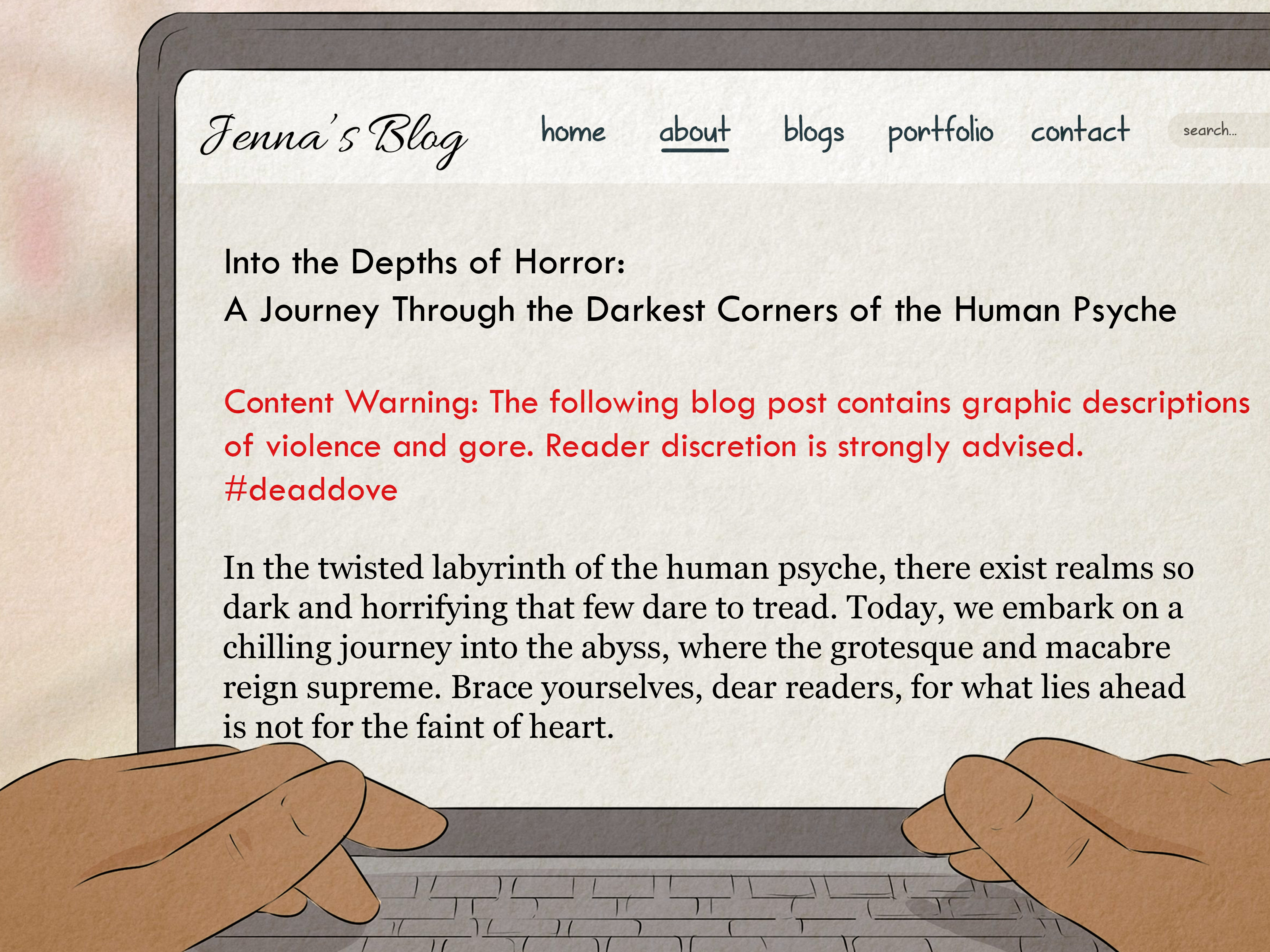
If you have spent more than seven minutes wandering through fanfiction spaces, meme accounts, Tumblr threads, AO3 tags, or fandom discussions, you may have bumped into the phrase “Dead Dove: Do Not Eat.” At first glance, it sounds like either a very strange restaurant warning or the worst lunch note ever written. But online, especially in fanfiction and fandom culture, “dead dove” has a very specific meaning.
In simple terms, dead dove means: the content is exactly what the tags say it is, so read carefully before continuing. It is usually attached to works that contain dark, uncomfortable, intense, disturbing, taboo, or emotionally heavy themes. The phrase does not always mean “bad writing” or “shock content.” Instead, it means the creator is warning readers not to ignore the label on the bag, metaphorically speaking.
Think of it like this: if a story is tagged with horror, obsession, moral corruption, betrayal, tragedy, or other difficult themes, and it also carries the “Dead Dove: Do Not Eat” tag, the author is saying, “Yes, those themes really are inside. Please do not open this and then act surprised that the dove is, in fact, dead.” Elegant? No. Memorable? Absolutely.
Dead Dove Meaning: The Quick Definition
Dead Dove: Do Not Eat is an internet phrase and fanfiction tag used to tell readers that a work contains exactly the kind of content described in its tags, summary, or warnings. It is most often used for dark fiction, horror, morally messy stories, tragic plots, toxic relationships, psychological tension, or themes some readers may find upsetting.
The core meaning is not “this story is forbidden,” “this story is automatically explicit,” or “this author approves of everything shown.” The real meaning is closer to: “You have been warned. The label is accurate.”
That distinction matters. Online fandom often discusses complicated fictional material, and “dead dove” works as a reader-navigation tool. It gives readers a chance to decide whether they want to continue, filter the work out, save it for another day, or politely run away like a Victorian ghost just appeared in the hallway.
Where Did “Dead Dove: Do Not Eat” Come From?
The phrase comes from the American sitcom Arrested Development. In the episode “Top Banana,” a character opens a bag labeled “Dead Dove: Do Not Eat,” sees that the bag contains exactly what the label promised, and responds with a dry version of, “I don’t know what I expected.”
The joke became a meme because it is beautifully absurd. The label is blunt. The warning is clear. The person opens the bag anyway. The result is exactly what was advertised. Internet culture, being internet culture, took that moment and turned it into a surprisingly useful shorthand for content warnings.
In fandom spaces, the phrase eventually became attached to fanfiction and other fanworks. The meaning shifted from a sitcom gag to a content-labeling philosophy: when a work clearly tells you what is inside, believe it.
What Does Dead Dove Mean on AO3?
On AO3, or Archive of Our Own, “Dead Dove: Do Not Eat” is usually an additional tag. It works alongside other tags, ratings, summaries, and warnings. By itself, it does not tell you the exact content of the story. Instead, it tells you to take the other tags seriously.
For example, a story might be tagged with “psychological horror,” “unhappy ending,” “villain protagonist,” or “major character death.” If it also includes “Dead Dove: Do Not Eat,” the author is emphasizing that those elements are not decorative. They are not tiny background details. They are part of the meal, and the kitchen is not taking substitutions.
This is why experienced readers often say that “dead dove” is not a complete warning on its own. It is more like a neon arrow pointing at the existing warnings. If the only tag is “Dead Dove: Do Not Eat” with no other useful context, many readers may still feel confused because they know there is something intense inside, but not what kind of intense.
Is Dead Dove Always Dark?
Usually, yes, but not always in the same way. In common fandom usage, dead dove is strongly associated with darkfic, which is fiction that explores darker emotional, moral, psychological, or horror-based themes. However, “dark” can mean different things depending on the fandom, genre, and reader.
Some dead dove stories are bleak tragedies. Others are psychological character studies. Some explore villains without softening them. Others may focus on horror, revenge, manipulation, grief, corruption, or characters making terrible choices while the narrative refuses to put a friendly sticker over the consequences.
The key point is not that every dead dove story contains the same content. The key point is that the author is saying: the difficult material mentioned in the tags is actually present, and the story may not comfort you about it.
Dead Dove Does Not Mean the Author Approves
One major misunderstanding is the idea that if a writer creates a dead dove story, they must personally support everything depicted in it. That is not how fiction works. A murder mystery writer does not necessarily want crime. A horror director does not necessarily want people to move into haunted houses with suspicious basements. A villain-focused story does not automatically equal a villain endorsement program.
Dead dove is about description, not approval. It signals that the work may contain upsetting, morally complicated, or uncomfortable material without necessarily pausing every five minutes to say, “By the way, this is bad.” Many mature readers understand that fiction can examine disturbing ideas without promoting them.
That said, readers also have every right to avoid content they do not want. The whole point of tags and warnings is choice. Nobody earns extra internet points for forcing themselves through a story that makes them feel awful. This is not a spicy-wing challenge. You may simply close the tab.
How to Read Dead Dove Tags Correctly
1. Read the Full Tag List
Do not stop at “Dead Dove: Do Not Eat.” Look at the tags around it. The surrounding tags are what tell you what the “dead dove” actually is. Without them, the phrase is like a warning sign that says “Warning!” but forgets to mention whether the danger is lava, bees, or an aggressively emotional violin solo.
2. Check the Rating and Summary
Ratings and summaries add context. A dark fantasy tragedy, a psychological thriller, and a villain-centered alternate universe may all use dead dove differently. The rating can help you understand the intensity level before you start reading.
3. Respect Your Own Limits
Reading is supposed to be something you choose. If the tags make you uncomfortable, skipping the work is not weakness. It is basic self-knowledge. The back button is free, silent, and available 24 hours a day.
4. Do Not Assume Every Reader Uses the Tag the Same Way
Because fandom language evolves through community use, not corporate training seminars with branded pens, people sometimes apply the tag differently. Some use it very strictly. Others use it as a general “this gets dark” warning. When in doubt, read the full context.
Examples of Dead Dove Usage
Here are some safe, non-graphic examples of how the phrase might work:
Example 1: A story is tagged “villain wins,” “no redemption,” and “Dead Dove: Do Not Eat.” That means readers should not expect a last-minute moral turnaround or a cozy ending where everyone shares muffins and emotional growth.
Example 2: A horror story is tagged “body horror,” “unreliable narrator,” and “Dead Dove: Do Not Eat.” That means the disturbing atmosphere and unsettling descriptions are likely central to the work, not just a spooky curtain in the background.
Example 3: A tragedy is tagged “major character death,” “grief,” “unhappy ending,” and “Dead Dove: Do Not Eat.” That means the story probably will not magically become a sunshine picnic in chapter twelve.
In all three cases, the phrase is not doing the work alone. It is reinforcing the tags that already exist.
Dead Dove vs. “Don’t Like, Don’t Read”
“Don’t like, don’t read” is another common fandom phrase. It means readers should avoid content they know they dislike instead of reading it and then complaining that it exists. “Dead Dove: Do Not Eat” is related, but more specific.
“Don’t like, don’t read” is a general boundary statement. “Dead dove” is a warning label that says, “The tags are accurate, and this story will not soften them for you.” In other words, “don’t like, don’t read” is the policy. “Dead dove” is the flashing sign on the door.
Dead Dove vs. Content Warning
A content warning tells readers what kind of sensitive material may appear. A dead dove tag tells readers that the warned material is truly present and important enough to take seriously. The two work best together.
For writers, this means “Dead Dove: Do Not Eat” should not replace specific tags. If a story contains heavy themes, the clearer approach is to name those themes in appropriate, non-spoilery ways and then use dead dove as an emphasis tag. Readers appreciate clarity. Confusion is not a plot twist; it is just bad signage.
Why Is the Phrase So Popular?
The phrase is popular because it is funny, memorable, and weirdly efficient. “Dead Dove: Do Not Eat” packs an entire philosophy of reader responsibility into five words and a colon. It says, “This is exactly what it says on the tin,” but with more sitcom energy and fewer British biscuit vibes.
It also fits fandom culture because fandom loves shorthand. Tags, tropes, acronyms, ship names, alternate universes, canon divergence, hurt/comfort, slow burnonline communities build entire languages out of tiny labels. Dead dove became one of those labels because it solves a real communication problem: how to warn readers that a work’s darker tags are not jokes, exaggerations, or background seasoning.
Should Writers Use the Dead Dove Tag?
Writers should use the dead dove tag when they want to strongly emphasize that the story contains difficult or intense material already described in the tags. It is especially useful when a work explores dark themes without moral hand-holding, comforting resolution, or easy emotional cleanup.
However, writers should avoid using it as a mystery box. If readers cannot tell what they are being warned about, the tag loses value. A good tag set is like a restaurant menu: readers do not need the chef’s entire autobiography, but they should know whether they are ordering soup or being launched into a haunted forest.
Should Readers Avoid Dead Dove Works?
Not necessarily. Some readers enjoy dark fiction, horror, tragedy, or morally complex storytelling. For them, the tag can be helpful because it signals that the story will not pull its punches. Other readers prefer lighter stories, hopeful endings, or gentler emotional experiences. For them, the tag is a useful exit sign.
The healthiest approach is simple: know your preferences, read the tags, and make your own choice. You do not have to prove anything by reading content that is not for you. Likewise, you do not need to shame other readers for choosing fictional material that you personally avoid.
Common Misunderstandings About Dead Dove
Misunderstanding 1: Dead Dove Means “Bad”
False. A dead dove story can be well-written, thoughtful, emotional, or artistically effective. The tag describes intensity and accuracy of warning, not quality.
Misunderstanding 2: Dead Dove Means “Anything Goes”
Not exactly. The phrase does not cancel platform rules, community guidelines, or basic tagging etiquette. It is a warning tool, not a magic shield.
Misunderstanding 3: Dead Dove Is a Full Warning by Itself
Usually false. Dead dove works best when paired with specific tags. Otherwise, readers know only that something intense is inside, which is not always enough information to make a choice.
Misunderstanding 4: Dead Dove Means the Story Has No Message
Also false. Some dead dove stories are simply dark. Others are deeply analytical. A story can refuse to comfort the reader and still have themes, structure, purpose, and emotional weight.
Why Dead Dove Matters in Online Reading Culture
Dead dove matters because it shows how online communities create their own tools for communication. Instead of waiting for a formal dictionary to catch up, fandom invented a phrase that helps readers and writers negotiate boundaries. It is messy, funny, imperfect, and very internetwhich is probably why it works.
At its best, the phrase encourages honesty. Writers are honest about what they made. Readers are honest about what they want to read. The result is a better experience for everyone, or at least fewer people opening metaphorical fridge bags and yelling at the bird.
Personal Experiences and Practical Lessons Around “Dead Dove”
For many readers, the first encounter with “Dead Dove: Do Not Eat” is confusing. The phrase looks so bizarre that it almost feels like a prank. A person might be browsing fanfiction late at night, half-focused, cup of tea nearby, thinking they are about to read a dramatic but manageable story. Then they see the tag. Dead dove? Do not eat? Is this about birds? Is this a cooking warning? Did the author lose a bet?
That initial confusion is part of why the phrase sticks. Once readers learn the origin and meaning, it becomes one of the clearest signals in fandom. The next time they see it, they understand that the author is not being random. The author is waving a little flag that says, “Please take the tags seriously.” In practice, this can save readers from stumbling into material they are not in the mood for.
Writers also learn from experience. Some writers use the tag after realizing that readers may interpret ordinary content warnings too lightly. A tag like “unhappy ending” may sound mild to one person and devastating to another. Adding “Dead Dove: Do Not Eat” can clarify that the ending is genuinely unhappy, not “sad for three paragraphs and then everyone gets pancakes.”
Readers often develop their own habits around the phrase. Some immediately skip dead dove works because they prefer comfort reads, fluff, comedy, or hopeful endings. Others specifically search for the tag when they want intense storytelling, horror, or moral complexity. Neither approach is wrong. The tag is not a command. It is information.
The most useful experience-based lesson is this: never treat tags like decoration. In online fiction spaces, tags are part of the reading contract. They help readers choose wisely and help writers reach the right audience. Ignoring them is like ignoring a weather alert and then being personally offended by rain.
Another lesson is that tone matters. A dead dove story does not have to be sloppy or sensational. Some of the most memorable dark stories are powerful because they are carefully written, emotionally controlled, and honest about their themes. The tag does not excuse lazy writing. It simply prepares readers for difficult material.
Finally, “Dead Dove: Do Not Eat” teaches a broader internet lesson: clarity is kindness. Whether you are writing fanfiction, reviewing media, creating a blog post, or recommending a book to a friend, giving people accurate expectations matters. Nobody likes being tricked into emotional whiplash. A clear warning lets the right audience enter willingly and lets everyone else leave peacefully. That is not censorship. That is good labeling, and frankly, more websites could use it.
Conclusion: So, What Does Dead Dove Mean?
Dead Dove: Do Not Eat means the content is exactly what the warnings, tags, or description say it is. The phrase comes from Arrested Development, but its modern life belongs largely to fandom, fanfiction, AO3, Tumblr, meme culture, and online reading communities.
It is not a quality judgment. It is not automatic approval of dark themes. It is not a complete warning without context. It is a signpost. When used well, it helps writers communicate clearly and helps readers make informed choices.
The simplest way to remember it is this: if the bag says “dead dove,” do not be shocked when the dove is dead. Read the tags. Trust the warning. Choose your reading adventure wisely.

