
Beauty Tools & Accessories
This Instagram Page With More Than 676K Followers Shares 30 Of The Best B&W Pics
Jul
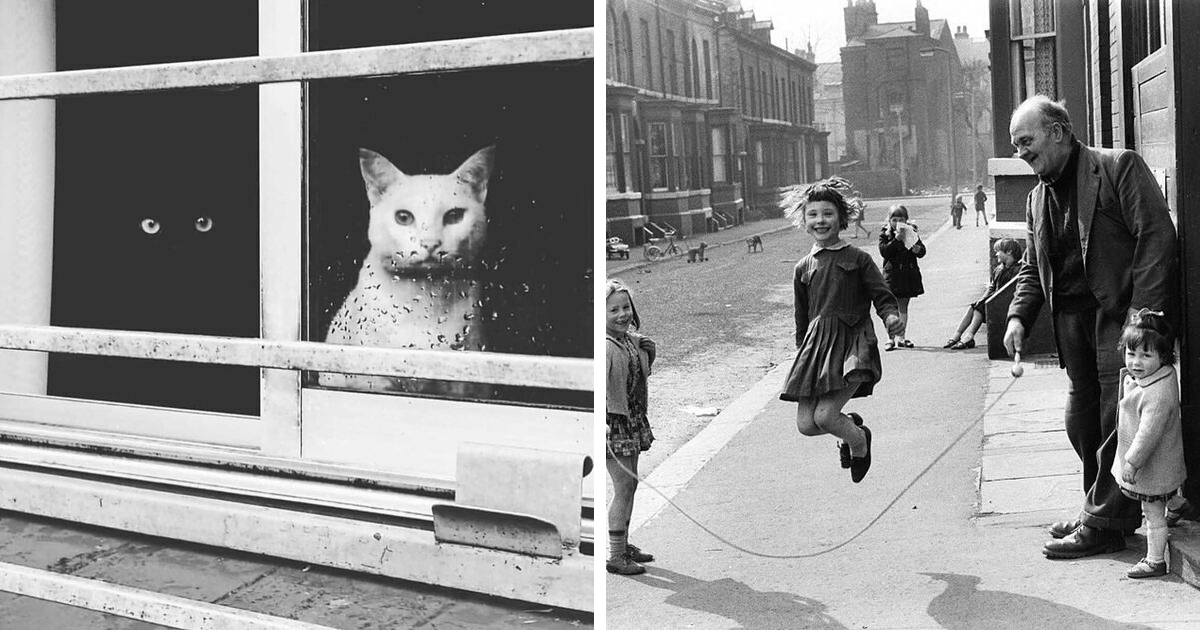
Color has officially been asked to wait outside. In this remarkable collection of black-and-white street photography, shadows become characters, ordinary sidewalks turn into stages, and a perfectly timed glance can tell a richer story than a paragraph of captions.
An Instagram Feed Where Everyday Life Becomes Fine Art
Instagram is usually a carnival of tropical sunsets, neon sneakers, rainbow desserts, and suspiciously blue swimming pools. The Street Photographers Foundation offers a refreshing visual reset. Its curated feed celebrates candid photography from cities around the world, often concentrating on light, geometry, human behavior, and those tiny public dramas most pedestrians walk past without noticing.
When the original feature was published in February 2024, the Instagram page was described as having more than 676,000 followers. That number reflects the account’s reach at the time and may have changed since then. What has not changed is the appeal of its central idea: outstanding street photography does not require an exotic destination, a truckload of equipment, or a pigeon that takes direction. It requires attention.
The featured lineup credits photographers including Christopher Gunson, Flavio Franja, Akbar Mehrinezhad, Shriyash Kanekar, Rafa Borges, Julie Hamlin, Stephan Bordy, Inge Morath, Shirley Baker, Eolo Perfido, Dagan, and Jean-Pierre Laffont. The names represent different eras, locations, methods, and visual personalities, yet their images work together because they share an instinct for meaningful moments.
Some photographs are funny. Others feel lonely, surreal, tender, or faintly unsettling. A few seem to pause the world at precisely the second when reality accidentally arranges itself into a visual joke. That variety is important. Black-and-white photography may use a limited palette, but emotionally, it has the entire paint store.
Why Black-and-White Street Photography Still Feels Powerful
It Removes Distractions Without Removing Meaning
Taking color away does not automatically make a photograph profound. A dull picture converted to monochrome is still a dull picture; it has simply put on a black turtleneck. In a strong image, however, removing color helps viewers notice relationships they might otherwise miss.
Faces, gestures, textures, reflections, silhouettes, and architectural lines become more prominent. A bright coat no longer hijacks the composition. A colorful advertisement cannot shout over the main subject. The viewer is encouraged to follow the light and study the structure of the frame.
This is especially effective in crowded urban scenes. City streets are visually noisy places filled with signs, vehicles, clothing, storefronts, pavement markings, and flashing screens. Monochrome photography organizes that noise into tones. Gray becomes a bridge between white highlights and deep shadows, helping apparently unrelated elements feel like parts of one scene.
It Makes Light the Main Event
In color photography, light frequently serves the colors. In black-and-white photography, light is often the subject. It cuts across a wall, outlines a stranger, pours through a station window, or turns wet pavement into a giant mirror.
The best pictures in collections like this one demonstrate that “good light” does not always mean soft golden-hour sunshine. Harsh midday shadows can create bold graphic shapes. Fog can flatten a city into mysterious layers. Rain can produce reflections that double the number of interesting things happening in the frame, which is both artistically useful and a little greedy.
High contrast produces drama by separating bright highlights from dark shadows. A wider range of middle grays creates a quieter and more observational feeling. Neither approach is inherently better. The photographer chooses a tonal language that supports the moment.
It Connects Modern Instagram Photography to a Long Tradition
Photography was introduced to the public in the nineteenth century, and monochrome processes shaped much of the medium’s early visual language. Later, the portability of 35mm cameras gave photojournalists and street photographers greater speed and freedom. They could follow crowds, react to gestures, and capture fleeting events without setting up equipment that looked like it needed its own apartment.
For decades, black-and-white prints were strongly associated with documentary seriousness. Color photography eventually gained wider recognition in museums and galleries, particularly during the 1970s, but monochrome never disappeared. It remained valuable because it could transform familiar surroundings into something abstract, emotional, or timeless.
Today, photographers can create a monochrome image using film, a digital camera, or a smartphone. The equipment has changed dramatically, but the central challenge remains stubbornly old-fashioned: where should the photographer stand, what belongs inside the frame, and when should the shutter be pressed?
What Makes These 30 Black-and-White Pictures Memorable?
1. Timing That Cannot Be Repeated
Street photography depends on temporary alignments. A person steps into a patch of light. Two strangers unknowingly mirror each other. An animal looks toward the camera with the weary expression of someone reviewing a complicated tax return. One second later, the arrangement is gone.
Great timing is not simply fast reflexes. It comes from anticipation. Experienced photographers notice patterns in pedestrian traffic, body language, and light. They often identify a promising background first and wait for a subject to complete the composition. The resulting photograph may look spontaneous, but patience is frequently hiding just outside the frame.
2. Visual Humor Without a Written Punchline
Several images associated with the collection invite playful reactions because street photography is exceptionally good at exposing visual coincidences. Advertising signs interact with pedestrians. Animals appear to imitate people. Shadows create misleading shapes. Reflections combine separate realities into one improbable scene.
This humor works because the photographer does not need to manufacture it. Everyday life is already strange. The camera merely gathers evidence.
3. Strong Geometry and Negative Space
Black-and-white images often depend on lines and shapes more heavily than color photographs do. Staircases, windows, crosswalks, fences, umbrellas, and building facades can divide the frame into graphic sections. A small human figure placed inside a large open space may communicate isolation, calm, vulnerability, or scale.
Negative space is particularly useful on a small phone screen. A clean composition can be understood quickly while still rewarding closer inspection. This helps explain why visually bold monochrome photographs perform well in a fast-scrolling environment: they are immediately legible without becoming immediately forgettable.
4. Ambiguity That Encourages a Second Look
Not every photograph should explain itself instantly. Some of the strongest images make the viewer wonder what is happening outside the frame. Why is someone looking in that direction? Is the scene playful or serious? Are two figures connected, or did the photographer simply capture an accidental relationship?
Ambiguity creates participation. Instead of passively receiving information, viewers begin constructing possible stories. A photograph becomes less like a statement and more like the first sentence of a mystery.
5. Human Emotion Without Excessive Staging
Candid photographs can reveal posture, distance, fatigue, affection, curiosity, and tension. Because subjects are often engaged with their surroundings rather than performing for a camera, their gestures may feel unusually believable.
This does not mean candid work is automatically truthful or neutral. Every photograph reflects choices about framing, timing, selection, and presentation. The photographer decides what viewers see and what remains invisible. Responsible street photography therefore requires more than technical skill; it also requires judgment.
The Street Photographers Foundation as a Global Curator
The Street Photographers Foundation is more than a popular Instagram account. It presents awards, galleries, photographer profiles, exhibitions, and educational material connected to street, portrait, and black-and-white photography. Its competitions have welcomed both emerging and established photographers, giving selected work an audience beyond the creator’s personal feed.
Feature pages play a significant role in online photography culture. A photographer may post an image to a modest following, tag a relevant curator, and suddenly reach viewers across multiple countries. Instagram’s recommendation and sharing systems can expand that exposure further, especially when people save, discuss, or repost an image with proper credit.
Curation also gives audiences a shortcut through the enormous quantity of photography uploaded every day. Instead of wandering through millions of unrelated posts, followers receive a concentrated stream built around a recognizable standard. The curator becomes part editor, part gallery owner, and part person who somehow still has the strength to check notifications.
However, strong curation should always preserve authorship. Photographers deserve visible credit, accurate captions, and respect for the context of their work. A feature account grows because artists supply the images that make people stop scrolling. Crediting those artists is not a decorative courtesy; it is the foundation of a fair creative ecosystem.
Lessons Photographers Can Learn From the Collection
Look for Tones Before Converting the Image
A black-and-white filter cannot create tonal separation that was never present. Before pressing the shutter, examine how colors will translate into gray. Two objects with different colors may become nearly identical tones, causing them to merge. By contrast, a bright subject against a dark background may remain visually clear even after all color is removed.
Use Shadows as Compositional Objects
Do not treat shadows as empty areas. They can point toward a subject, divide the frame, conceal information, or create a second version of a person. Strong sunlight is not necessarily bad lighting; it is simply lighting with a loud personality.
Wait for the Frame to Complete Itself
Find an interesting wall, reflection, staircase, or beam of light and stay there for a few minutes. Let people enter and leave the composition. This approach often produces stronger results than chasing random subjects down the sidewalk like an overcaffeinated detective.
Shoot With Context, Edit With Restraint
When possible, capture a data-rich file and make the black-and-white conversion during editing. Adjusting individual color channels before conversion can help separate skin, clothing, foliage, and backgrounds. Contrast, dodging, burning, grain, and clarity should support the photograph rather than announce the software used to edit it.
Deep blacks can create mystery, but crushed shadows may erase useful detail. Bright whites can direct attention, but blown highlights may become distracting holes in the frame. The ideal balance depends on the story.
Respect the People Inside the Photograph
In the United States, people generally have broad rights to photograph plainly visible subjects and events in public spaces, although rules can differ on private property and in specific locations. Legal permission, however, is only the beginning of the decision.
Photographers should consider dignity, vulnerability, cultural context, and possible harm. Images of children, grief, medical emergencies, poverty, or personal distress deserve additional care. Ethical photography asks not only, “Can I take this picture?” but also, “What happens to this person when I publish it?”
Why Monochrome Photography Thrives on a Colorful Platform
Black-and-white pictures stand out on Instagram partly because they interrupt the platform’s usual visual rhythm. When a feed is filled with saturated food, travel, fashion, and lifestyle content, a monochrome frame feels unexpectedly quiet. That contrast can earn the image an extra second of attention, which is practically a long-term relationship in social-media time.
Monochrome also helps a photographer build a consistent portfolio. Images created in different cities, seasons, and lighting conditions can feel connected when they share a deliberate tonal approach. Consistency makes a feed recognizable, but it should not become a cage. The goal is not to apply one preset to everything until New York, Mumbai, Paris, and a grocery-store parking lot all look suspiciously identical.
The most compelling black-and-white accounts have a point of view beyond the absence of color. They may concentrate on humor, loneliness, architecture, working life, public transportation, childhood, animals, or the surreal collisions of city living. Style attracts viewers, but subject matter gives them a reason to stay.
A 500-Word Experience: Learning to See the Street in Black and White
Spend an hour studying a strong monochrome photography collection, and the outside world begins to look different. The effect is subtle at first. You close the app, walk toward a window, and notice that sunlight is cutting a sharp triangle across the floor. A passing figure enters the bright area, leaves it, and disappears. Nothing dramatic has happened, yet you suddenly understand why a photographer might wait ten minutes for precisely that arrangement.
The next stage is mildly inconvenient because every reflective surface becomes interesting. Store windows combine pedestrians with objects inside the shop. Puddles turn shoes and bicycles upside down. Polished cars bend buildings into strange metallic landscapes. You begin walking more slowly, which is excellent for observation and less excellent for the person behind you trying to catch a bus.
Trying the technique with a phone reveals how difficult simplicity can be. Switching the display to a monochrome preview makes bright colors less seductive. That enormous red sign no longer dominates the scene merely because it is red. You are forced to evaluate its brightness, shape, placement, and relationship to everything else. Some scenes that looked exciting in color collapse into gray soup. Others become unexpectedly elegant.
Patience quickly proves more important than equipment. A promising background may remain empty. The right person walks through but turns the wrong way. Another subject enters at the perfect position while a delivery truck blocks the light. Street photography contains an impressive amount of waiting for a genre famous for split-second timing.
Then, occasionally, the pieces cooperate. A person crosses between two shadows. A dog looks through a patterned fence. Two umbrellas overlap. Someone’s silhouette lines up with a painted figure on a wall. The photograph lasts a fraction of a second, but recognizing it produces a small burst of electricity. It feels less like creating a scene and more like discovering that the city has briefly made one for you.
Reviewing the results later is equally instructive. The picture that felt brilliant on the street may be cluttered or poorly timed. A frame taken almost accidentally may contain the strongest gesture. Converting images to black and white exposes weak compositions with ruthless efficiency. Without color to provide entertainment, the photograph must survive on light, subject, and structure.
The most valuable lesson is not that every image should be monochrome. It is that black-and-white practice trains attention. It teaches photographers to recognize tone, geometry, distance, repetition, and gesture. Those skills improve color photography as well. After studying a collection like this one, the street stops looking like background scenery and starts looking like an unfinished sequence of photographs.
That change in perception is the real experience offered by the Street Photographers Foundation’s selections. The images are enjoyable as individual works, but together they function as an invitation: slow down, observe carefully, and take ordinary life seriously enough to notice when it becomes extraordinary.
Conclusion: A World of Stories Without Color
The 30 black-and-white pictures highlighted through this popular Instagram page demonstrate why street photography remains one of the most accessible and demanding forms of visual storytelling. Anyone can walk outside with a camera, but creating a memorable photograph requires curiosity, patience, timing, composition, empathy, and a willingness to look slightly ridiculous while staring at the same doorway for twenty minutes.
These images succeed because they do more than document locations. They reveal relationships: between people and architecture, light and shadow, humor and discomfort, movement and stillness. Black and white strips the scene to its visual bones, allowing small gestures and fleeting coincidences to carry surprising emotional weight.
The collection also proves that Instagram can function as more than a stream of trends and personal updates. With thoughtful curation and proper artist credit, it can become a global gallery where historic masters, established professionals, and emerging photographers appear within the same conversation.
Note: The follower total in the title reflects the account’s reported audience when the original feature was published. Social-media statistics naturally change over time.

