
Hair Care
Stanley Quencher Tumbler Review 2025: Why Is It So Popular?
Jul
The Stanley Quencher is the rare internet-famous product that’s both a genuinely useful object and a full-blown
cultural personality. It’s a cup, yesbut also a “hydration sidekick,” a status symbol, a color-collecting hobby,
and (for some people) basically an emotional-support tumbler with a handle.
In this 2025 Stanley Quencher tumbler review, I’ll break down what you’re really buying: how it performs day to
day, what the design gets right, where it frustrates people (spills, anyone?), what’s changed with newer
leak-resistant options, and why the Quencher keeps showing up everywherefrom office desks to Target drops to gym
selfies.
The quick verdict: Should you buy a Stanley Quencher in 2025?
If you want a cup-holder-friendly, vacuum-insulated tumbler that holds a lot of water, keeps it
cold for hours, and makes it easy to sip all day, the Quencher still earns its hype.
But if your life involves backpacks, commutes, or tossing your drink in a tote bag like a chaotic raccoon,
the classic Quencher H2.0 FlowState is not the safest choicebecause it’s famously not fully leakproof.
The smartest approach in 2025 is to pick the Quencher if you’re mostly using it upright (car cup holder, desk,
treadmill, stroller cup caddy) and consider Stanley’s newer flip-straw styles if you need something more
spill-resistant.
What exactly is the Stanley Quencher?
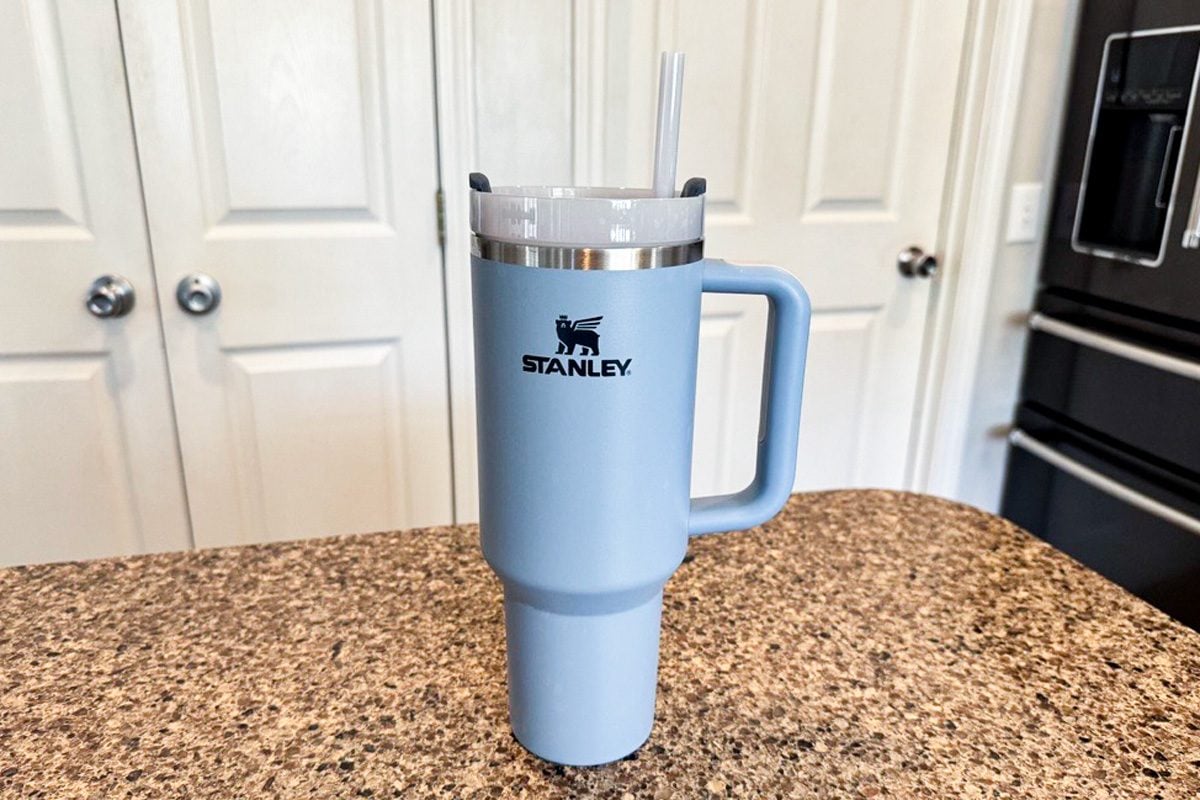
The Quencher (most famously the 40 oz Quencher H2.0 FlowState) is a
double-wall vacuum insulated stainless-steel tumbler designed for all-day hydration.
It’s known for three things:
- Big capacity (because refilling a cup 12 times a day is a personal attack).
- A comfort-grip handle that makes it feel like a “travel mug” even when it’s basically a small aquarium.
- A narrow base that fits most cup holdersso it can ride shotgun on errands like it pays rent.
Why is the Stanley Quencher so popular?
The popularity is a perfect storm of practicality, aesthetics, and social momentum. The Quencher didn’t just go
viral because it’s cute (though, yes). It became popular because it solved a real problempeople struggle to drink
enough waterand then it turned hydration into something collectible and shareable.
1) It’s functional “enough” to become a daily habit
A 40-ounce tumbler is basically a cheat code for hydration. If you refill it twice, you’re already at 80 ounces.
The straw makes sipping easy (especially during work), and the handle makes it feel more portable than its size
suggests. A lot of people report drinking more water simply because it’s always within reach and pleasant to use.
2) The design is camera-ready (and the internet loves a “drop”)
The Quencher is sold in rotating colors, seasonal releases, and limited-edition collections. That fuels “I need
this color” energy, which is basically the oxygen of modern shopping culture. By late 2025, the limited
collections and retailer exclusives still play a big role in keeping the hype alive.
3) It became a social signalwithout being complicated
Some trends require expertise. The Stanley trend requires one skill: owning the cup. It’s “lifestyle content” in
object form. Also, it’s big enough that people notice it. If you’ve ever walked into a meeting holding one, you
know the vibe: it says, “I’m trying to have my life together,” even if your browser has 47 tabs and one of them is
“how to cook rice.”
Stanley Quencher H2.0 FlowState: design and features that matter
The Quencher’s headline features sound simple, but they add up to a specific kind of usabilityespecially for
desk work, errands, school runs, and gym sessions.
FlowState lid: versatile, but not a miracle worker
The FlowState lid typically offers a rotating system with multiple positions (straw opening, sip opening, and a
more closed position). This helps with splashes and day-to-day sipping options, but it’s still not a true seal.
Translation: it’s great for “upright use” and mediocre for “I threw it in my bag and hoped for the best.”
Handle + cup holder fit: the actual killer combo
Plenty of insulated tumblers keep drinks cold. The Quencher’s real advantage is that it’s huge and
reasonably cup-holder-friendly. That’s the magic: you can bring 40 ounces without driving with it wedged between
your seat and your dignity.
Materials: sturdy, heavy, and built for real life
The Quencher is stainless steel with vacuum insulation. It feels durable, but when it’s full, it can get heavy.
If you love the “it doubles as a mild arm workout” lifestyle, you’ll thrive. If you have wrist issues or you
prefer lightweight bottles, you may want a smaller size (like 30 oz) or a different style.
How well does it keep drinks cold?
Most people buy the Quencher for cold water (and iced coffee that stays cold long enough to be finished before it
turns into lukewarm regret). Real-world performance varies with environment, ice amount, and how often you open
the lid, but the Quencher’s insulation is generally solid.
The more important point is this: it’s optimized for everyday hydration, not hardcore outdoor
abuse. If you’re leaving it in blazing sun at a beach or job site, you may find better temperature retention from
other designsespecially ones with tighter lids. But for desk-to-car-to-gym life, the Quencher is usually more
than adequate.
Spills and leaks: the dealbreaker for some people
Let’s say this clearly because it’s the #1 reason people get annoyed after buying:
the classic Quencher H2.0 FlowState is not fully leakproof.
It resists some splashes, but it’s not designed to be tossed sideways in a bag.
If you want leak understanding in one sentence
The Quencher is “spill-resistant” for upright living, not “leak-proof” for chaotic travel.
What to do if you love the Quencher but hate spills
In 2025, Stanley has leaned harder into flip-straw and more spill-conscious lids across parts of its lineup.
If you’re buying primarily for commuting, school bags, or gym bags, it’s worth looking at the newer
flip-straw designs rather than assuming the classic FlowState lid will behave like a sealed bottle.
Is the Stanley Quencher safe? The lead question (explained like a human)
If you’ve heard “Stanley cups have lead,” you’re not alone. In early 2024, this concern exploded online, partly
fueled by at-home lead test kits and viral panic.
Here’s the calm, practical summary: Stanley has stated that a lead-containing sealing pellet can be used during
manufacturing to seal the vacuum insulation at the base of some products, and that this area is covered by
stainless steel and not accessible during normal use. The company’s position is essentially:
intact products are safe as intended; if the base becomes damaged/exposed, stop using it and pursue a warranty claim.
What this means for regular people
- If your tumbler is intact and not damaged at the base, the risk is considered minimal by many experts discussing the issue publicly.
- If the bottom cap is damaged, missing, or exposed, treat it as a safety issuedon’t keep using it.
- If you’re buying for children or you want zero mental load, lead-free alternatives exist and may be more comfortable for you.
This topic is emotionally charged for a reason: lead exposure is serious, especially for kids. So it’s fair for
consumers to care about manufacturing choices. It’s also fair to make a “no drama” decision and choose a brand
that advertises lead-free construction if that helps you sleep at night.
Cleaning and maintenance: easier than you think (but don’t ignore the lid)
One reason the Quencher works for daily use is that it’s relatively easy to cleanespecially compared with
narrow-neck bottles. The wide opening helps, and many users run the cup through the dishwasher.
Cleaning tips that prevent the “mystery smell” era
- Disassemble the lid regularly (especially if you use flavored drinks or sweetened coffee).
- Clean the straw thoroughly with a straw brush.
- Let everything dry completely before reassembling. Trapped moisture is where weird odors go to thrive.
Durability and “viral proof”: yes, that car-fire story helped
The Quencher’s reputation for toughness got a major boost from a viral moment where a Stanley tumbler appeared to
survive a car fire with ice still insidean internet event so perfectly absurd it deserves its own documentary.
Stanley’s public response to that story amplified the brand’s “built different” image.
In normal use, durability is less cinematic but still meaningful: stainless steel can dent if dropped, and the
finish can show wear over time. But for most people, it holds up well to daily life.
2025 buying guide: which size and version should you get?
40 oz Quencher (classic icon)
Best for: desk life, car cup holders, errands, workouts where it stays upright.
Not best for: tossing in bags or travel where tipping is guaranteed.
30 oz Quencher (the “still big, less ridiculous” choice)
If you want the Quencher vibe but less weight and fewer awkward moments when you try to set it down on a tiny café
table, 30 oz is a sweet spot.
Flip-straw / more leak-resistant options
Best for: commuters, students, gym bags, parents, anyone who wants fewer spill-related character-building moments.
If your biggest complaint about the Quencher is leaking, look at Stanley’s newer lid designs in 2025 rather than
forcing the FlowState to become something it isn’t.
Who the Stanley Quencher is perfect for (and who should skip it)
Perfect for you if…
- You want a big insulated tumbler that fits in a cup holder.
- You like drinking through a straw and sipping all day.
- You want a durable daily driver that’s easy to clean.
- You’re motivated by cute colors and the “new drop” effect.
Skip it (or choose a different Stanley style) if…
- You need truly leakproof performance for bags and travel.
- You want something lightweight or minimal.
- You hate handles, large cups, or anything that feels bulky.
Alternatives worth considering in 2025
The Stanley Quencher is popular, but it’s not the only excellent insulated tumbler. If you’re shopping based on a
specific pain point, alternatives can make more sense:
- If you want leak resistance: prioritize tumblers with flip-straw lids or true sealing mechanisms.
- If you want maximum temperature retention: look for designs with tighter lids and fewer openings.
- If you want a smaller footprint: choose slimmer bottles without handles.
FAQ: Stanley Quencher questions people actually ask
Is the Stanley Quencher worth it?
If it becomes your everyday water cup, yesthe cost makes more sense because you’ll use it constantly. If you’re
buying it as a trend object that’ll live in a cabinet, it’s an expensive decoration with excellent vibes.
Does it leak?
The classic Quencher H2.0 FlowState is not fully leakproof. If it tips, it can spill. If you need leakproof,
prioritize flip-straw or sealed-lid designs.
Is it dishwasher safe?
Many owners do run the tumbler through the dishwasher, but the lid and straw benefit from careful cleaning.
If you want it to stay fresh, clean the parts thoroughly and dry completely.
Final thoughts: the real reason it stays popular
The Stanley Quencher isn’t popular just because of TikTok. It’s popular because it fits modern life:
cup holder + big capacity + straw + handle + decent insulation + lots of colors. It turns hydration into something
easy, visible, and oddly satisfying. You don’t need to be a “Stanley person” to appreciate that.
Just buy it with the right expectations. If you want an upright, daily hydration tumbler, the Quencher is still a
top-tier choice in 2025. If you need leakproof travel performance, pick a different lid style (or a different
bottle entirely) and save yourself the drama of cleaning a spilled iced latte out of your bag.
of Real-World Experiences: What It’s Like Owning a Stanley Quencher in 2025
Owning a Stanley Quencher in 2025 feels a little like adopting a very useful, very bulky pet. At home, it becomes
your “default cup” within a week. You fill it in the morning, set it on your desk, and suddenly you’re sipping
constantly without thinking about it. That’s the Quencher’s superpower: it makes hydration mindless in the best
way. You don’t have to stand up and refill a tiny glass every 30 minutes, and the straw makes it easy to drink
while typing, gaming, or pretending to focus in a Zoom meeting.
The first moment you truly “get it” is usually in the car. The handle is convenient, surebut the cup holder fit
is what flips the switch from “cute internet cup” to “oh, this actually works.” On errands, it rides there like a
co-pilot. You’ll find yourself taking a sip at stoplights and thinking, “Wow. I am crushing adulthood.” (Even if
your backseat is full of mystery receipts and one rogue sneaker.)
Then you discover the downside: it is not a bag bottle. The first time you knock it over on the couch or toss it
into a tote, you learn a valuable life lesson about physics and lid design. It’s not that the Quencher is “bad”
it’s that it’s meant for upright living. People who love it most tend to use it in safe habitats: desks, cup
holders, treadmills, bedside tables. People who hate it most tend to treat it like a sealed water bottle and then
feel personally betrayed by gravity.
There’s also the social experience. If you show up at work with a Quencher, you’ll notice two reactions: either
nobody cares (healthy) or someone immediately asks what color it is and where you got it (also healthy, but with
more sparkle). In some offices and gyms, it’s basically a uniform. And yes, the color releases are realsuddenly
you’re thinking things like “Do I need a second cup?” which is how collecting starts. The smartest Quencher owners
I know buy one, maybe two, and then put their energy into living their lives instead of building a tumbler museum.
After a few months, the Quencher becomes a routine tool: a morning water cup, an afternoon iced coffee companion,
and a weekend “I’m going to hydrate like a responsible citizen” prop. If you accept it for what it isa huge,
durable, cup-holder-friendly tumblerit’s easy to understand why the Stanley Quencher stays so popular in 2025.

