
Body Care
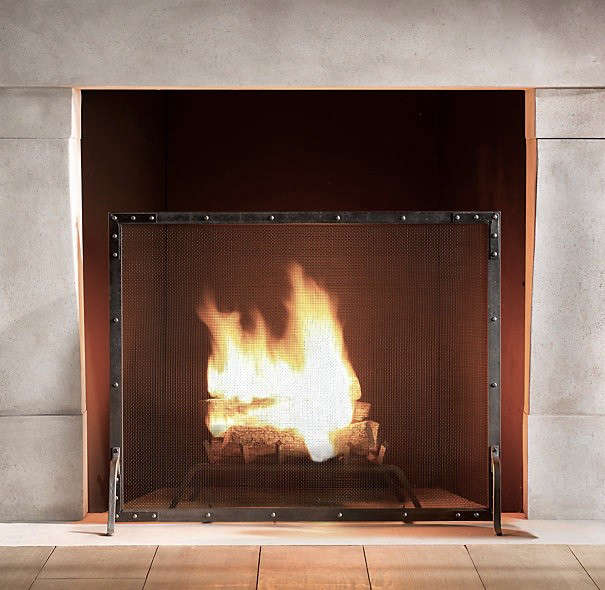
Rivet Hearth Flat Panel Screen
Jun
Some fireplace accessories whisper. The Rivet Hearth Flat Panel Screen does not. It strolls into a room like it owns the mantel, straightens its forged-steel shoulders, and quietly reminds everyone that a fireplace can be both safer and much better dressed.
If you have been searching for a modern fireplace screen that does not look flimsy, fussy, or weirdly theatrical, this design earns attention for good reason. The Rivet Hearth Flat Panel Screen is associated with a minimalist, industrial-luxe look: forged metal, visible rivet detailing, fine mesh, and a clean flat silhouette that sits close to the opening. In a market full of overly ornate scrollwork and ultra-basic black rectangles, this one lands in the sweet spot. It feels architectural without feeling cold. It feels handcrafted without begging for applause every five seconds.
This article takes an in-depth look at the design, function, styling potential, and real-world appeal of the Rivet Hearth Flat Panel Screen. It also covers who should buy this kind of screen, what to watch out for before ordering, and what daily life with a flat-panel fireplace screen actually feels like when the fire is crackling and the marshmallows are making dangerous lifestyle choices.
What Is the Rivet Hearth Flat Panel Screen?
The Rivet Hearth Flat Panel Screen is best understood as a single-panel fireplace screen with a forged, workshop-inspired aesthetic. Published product descriptions have highlighted a hand-forged steel frame, hammered rivet details, fine wire mesh, and a clear protective finish. The overall look is restrained and linear, which is a fancy way of saying it skips the curls and swirls and goes straight for clean edges, visible craftsmanship, and presence.
That matters because fireplace screens live in a tricky design zone. They must do a practical job by helping contain sparks and embers, but they also sit front and center in one of the most visible areas of a room. A bad screen looks like an afterthought. A good one feels integrated into the architecture. A great one, like the Rivet Hearth style, makes the entire hearth feel intentional.
Its flat-panel profile is especially important. Unlike folding three-panel screens that can visually spread across the hearth, a flat-panel screen keeps a slimmer footprint and usually reads as more tailored. That is a big win in modern, transitional, industrial, and even rustic spaces where you want the fireplace to look edited rather than over-accessorized.
Why This Fireplace Screen Style Stands Out
1. The rivet detail adds character without clutter
Rivets are one of those small design moves that do a lot of heavy lifting. They suggest craftsmanship, durability, and old-world metalwork, but they also bring a slightly industrial edge. On the Rivet Hearth Flat Panel Screen, the rivets are not there to scream “Look at me, I own a welding torch.” They work more like punctuation marks, giving the frame depth and rhythm without turning the screen into visual chaos.
2. The flat shape looks cleaner than multi-panel options
A flat fireplace screen usually feels more refined than a folding screen, especially in contemporary interiors. It sits closer to the fireplace opening, creates less visual bulk, and helps the hearth appear more streamlined. In rooms with stone surrounds, clean mantels, or minimalist built-ins, that simple geometry can make a huge difference.
3. The mesh keeps the fire visible
One reason people still prefer metal mesh screens over chunkier barriers is that they preserve the experience of the fire. You can still see the flames, the glow, and the movement. The screen does its job without visually shutting down the hearth. That matters because nobody lights a fire just to admire a metal obstacle course.
4. It mixes well with many interiors
The words industrial fireplace screen can make some shoppers nervous, as if the only acceptable room pairing is a converted Brooklyn warehouse with a leather sofa and a suspiciously expensive coffee table book. In practice, the Rivet Hearth Flat Panel Screen is surprisingly flexible. It works with:
Modern spaces because of the simple silhouette.
Rustic interiors because forged metal naturally plays well with stone and wood.
Transitional rooms because the design is classic enough to bridge old and new.
Traditional homes that want a little edge without abandoning warmth.
Safety and Practical Function Matter More Than Looks
Let’s be honest: no one buys a fireplace screen just for decor. Or at least they should not. A screen needs to help control sparks, embers, and stray bits of ash while also creating a more obvious boundary between the firebox and the room. That becomes especially important in households with children, pets, or adults who believe socks and open flame are natural companions.
For wood-burning fireplaces, a screen is not optional in spirit even when style is the shopping trigger. It is a basic layer of protection. A quality metal mesh screen helps reduce the chance of sparks landing on flooring, rugs, baskets, or anything else that should absolutely not become part of your evening fire display.
The flat-panel format also has a practical advantage: it can sit more snugly in front of the fireplace opening than some looser freestanding designs. When properly sized, that close fit can make the setup feel more secure and visually tidy. It also tends to reduce the awkward gaps that make some screens look like they are just visiting.
Materials, Build Quality, and What Buyers Should Look For
One of the biggest distinctions between a premium fireplace screen and a budget one comes down to the feel of the metal. Better screens usually have sturdier steel or iron construction, more stable feet, cleaner welds, and finer mesh that looks intentional rather than flimsy. The Rivet Hearth style stands out because the craftsmanship is part of the appeal, not just a hidden engineering detail.
When evaluating a screen like this, pay attention to the following:
Frame thickness
A thicker forged frame usually feels more substantial and less likely to wobble. That matters both visually and functionally.
Mesh quality
A fine mesh screen should help contain sparks while still letting heat and light through. Cheap mesh can look loose, inconsistent, or too light-duty for a serious hearth.
Finish
A protective finish helps the screen hold up better near heat and soot. It also affects the color tone. Some finishes read deep black, while others lean charcoal, pewter, or lightly distressed metal.
Feet and stability
Good screens stand firmly and sit with confidence. Bad ones wobble when you breathe near them. That is less “heirloom metalwork” and more “future headache.”
How the Rivet Hearth Flat Panel Screen Fits Into Real Homes
This is where the screen earns its keep. In photos, the Rivet Hearth Flat Panel Screen looks crisp and sculptural. In real homes, its success depends on whether it complements the fireplace surround and the room around it.
On a brick fireplace, it adds contrast and sharpens the opening. On a stone surround, it acts like visual editing, giving all that natural texture a cleaner frame. Against a painted mantel, it can anchor the space and keep the fireplace from feeling too soft or overly sweet.
It is also a strong option for homeowners who do not want their hearth to become a clutter zone. Because the screen is flat and visually disciplined, it does not demand a matching tool set, matching wood holder, matching decorative objects, and matching emotional support lanterns. It can absolutely work with coordinated accessories, but it does not require a whole supporting cast to make sense.
Who Should Buy This Style of Fireplace Screen?
It is a great choice if you want:
A single-panel fireplace screen with a substantial, premium look.
A design that balances fireplace safety and style.
A screen that feels handcrafted rather than mass-market generic.
A flat silhouette that works in smaller or more edited living rooms.
A hearth accessory that leans industrial, modern, or transitional.
It may not be the best choice if you want:
A very ornate, decorative, traditional scroll style.
A folding screen that spans an extra-wide opening.
Built-in operable doors instead of a freestanding mesh panel.
The lowest possible price over long-term quality and aesthetics.
Buying Tips Before You Commit
Measure the fireplace opening carefully
Do not eyeball it. The room deserves better. Measure width, height, and depth, then compare those numbers to the listed dimensions of the screen. A screen that is too small looks skimpy and less protective. One that is too large can feel awkward or interfere with the hearth layout.
Think about fireplace type
If you have a wood-burning fireplace, a sturdy mesh screen is a logical fit for spark control and visibility. If you have a vented gas fireplace with an open firebox, a screen can also create a useful visual barrier. If the fireplace already has a sealed glass front, the screen becomes more of a supplemental safety and style layer.
Consider your traffic pattern
In a room where kids, pets, or guests regularly pass near the hearth, stability matters even more. A handsome screen is wonderful. A handsome screen that stays put is even better.
Match the metal tone to the room
Blackened or charcoal metal usually gives the Rivet Hearth look its strongest identity. It pairs well with iron hardware, darker lighting, aged brass accents, and natural wood tones. If your room leans warm and layered, that combination can be especially effective.
Styling Ideas for the Rivet Hearth Flat Panel Screen
Here is where the fun starts. This screen can be styled up or down without much effort.
For a modern room
Pair it with a clean mantel, a restrained mirror or abstract art, and fewer but better accessories. Let the screen provide the texture.
For a rustic or farmhouse room
Use it with reclaimed wood, stone, and baskets of split logs. The riveted steel keeps the room from becoming too precious.
For a transitional room
Mix it with linen upholstery, warm woods, and subtle brass. The result feels polished, current, and not try-hard.
For a small living room
Keep the hearth simple. A flat-panel screen is often better than a wider folding screen because it does not eat up visual space.
Care and Maintenance
Thankfully, maintaining a metal mesh fireplace screen is not rocket science. It is more like a mild relationship: show up consistently, do not ignore obvious problems, and everyone stays happier.
Dust the frame regularly with a soft cloth. For soot buildup, use a slightly damp cloth and dry the screen well afterward. Avoid harsh products that can damage the finish. Check the mesh and feet occasionally for wear, looseness, or warping. If the screen has a textured metal finish, cleaning gently helps preserve that handcrafted look.
Also, never treat the screen as a storage rack for anything that burns, melts, or should not meet heat. That includes paper, kindling bags, and decorative items that seem charming until they become a cautionary tale.
Final Verdict
The Rivet Hearth Flat Panel Screen succeeds because it does not force you to choose between safety and style. It brings a forged, tailored presence to the fireplace while still doing the practical work a hearth screen is supposed to do. Its riveted detailing gives it personality, the flat-panel shape keeps it visually disciplined, and the mesh construction preserves the flicker and glow that make a fire worth lighting in the first place.
For shoppers who want a modern fireplace screen with substance, craftsmanship, and a slightly industrial soul, this is a compelling direction. It is not the cheapest route, and it is not designed for people who want ornate curves or a decorative flourish festival. But for the right home, it looks smart, feels grounded, and makes the fireplace area seem finished in the best possible way.
In other words, the Rivet Hearth Flat Panel Screen is the kind of piece that quietly improves a room every day. No gimmicks. No nonsense. Just forged metal, practical mesh, and the satisfying feeling that your fireplace finally got the upgrade it had been waiting for.
Experience: What Living With a Rivet Hearth Flat Panel Screen Feels Like
In real-world use, the experience of a screen like the Rivet Hearth Flat Panel Screen is less about dramatic reveal and more about steady satisfaction. The first thing most homeowners notice is visual calm. Because the screen is flat and close to the firebox, it does not dominate the room the way a wide folding screen sometimes can. You still see the fireplace. You still see the flame. You just see a more polished version of the whole scene.
That everyday effect matters more than people expect. During the off-season, when the fireplace is not in use, the screen keeps the hearth from looking like a dark, empty hole in the wall. It gives the opening a finished face. During the colder months, when fires are actually burning, the screen turns from decor into equipment. Suddenly, the mesh, the sturdy frame, and the low-profile stance stop being abstract selling points and start feeling useful.
There is also something reassuring about the metalwork itself. A substantial screen tends to feel different from the moment you place it. It does not rattle with every adjustment. It does not look apologetic. It sits there like it belongs, and that sense of weight and stability changes how premium the whole fireplace area feels. Even guests who know absolutely nothing about fireplace accessories usually register the difference. They may not say, “Ah yes, excellent visual authority and strong industrial lines,” but they often say some version of, “Wow, that looks really nice.” Same spirit.
Daily experience is also shaped by maintenance. A flat-panel screen is usually easier to visually manage than bulkier alternatives because there are fewer folds, corners, and moving parts competing for dust and soot. It is still a fireplace accessory, so it will not remain magically pristine, but it tends to age with dignity. A little patina, a little darkening, and a bit of lived-in character often make it look better, not worse.
Another practical plus is flexibility in styling. Homeowners who rearrange mantels seasonally often find that this style of screen adapts well. Holiday garlands, simple candles, stacked logs, or a minimal summer look can all work around it. The screen does not hijack the mood. It supports it. That is one reason flat-panel riveted designs continue to appeal to people who want long-term value from a design choice instead of a trend that burns bright and fades faster than a grocery-store firelog.
Most of all, the experience is about confidence. You light the fire, settle into the room, and the screen quietly does what it should. It helps the hearth feel safer, sharper, and more intentional. That is not flashy, but it is exactly why pieces like the Rivet Hearth Flat Panel Screen stay appealing year after year.
SEO Tags
Note: All unnecessary content reference artifacts have been removed for clean web publishing.

