
Body Care
Meet Japan’s Stray Cats: 50 Heartwarming And Funny Photos By Masayuki Oki
Jun
Note: This is an original, web-ready article based on publicly available information about Masayuki Oki, Japan’s stray cats, street photography, and humane community-cat care. It does not reproduce copyrighted photos or captions.
Some photographers chase sunsets. Some wait for celebrities outside hotels. Masayuki Oki, thankfully for the internet’s collective blood pressure, follows cats. Not glossy studio cats with diamond collars and suspiciously perfect whiskers, but Japan’s stray cats: sleepy alley philosophers, sidewalk wrestlers, tiny food critics, and furry comedians who look like they have just read your group chat and disapprove.
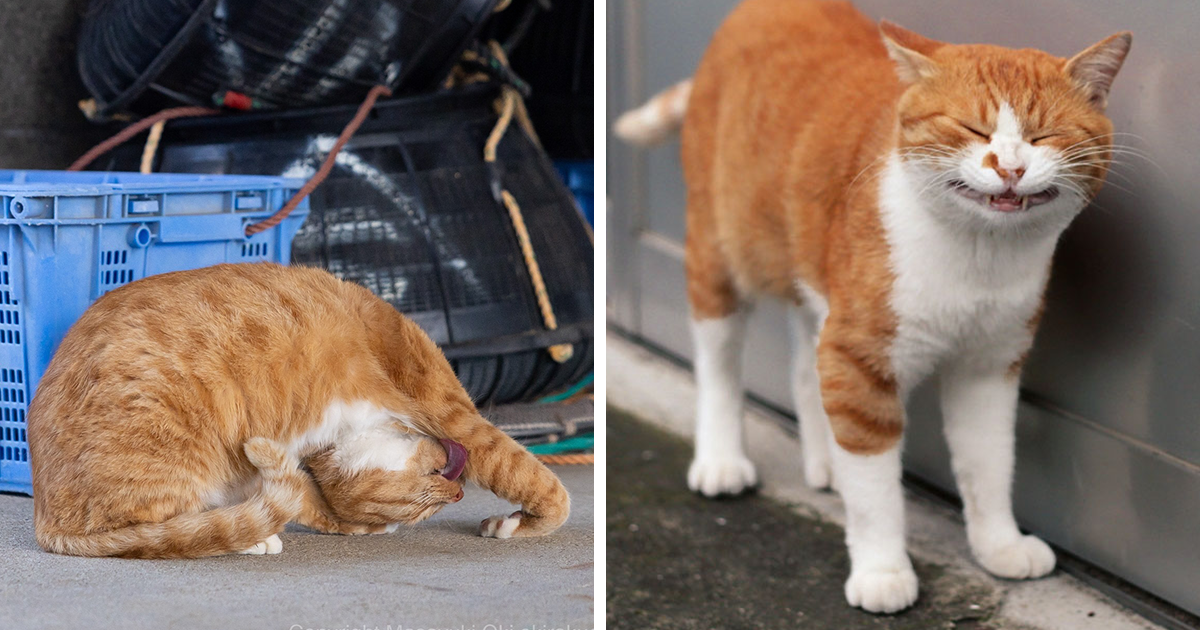
Oki’s photography has become beloved because it catches cats in the middle of being completely, magnificently themselves. A yawn becomes opera. A squint becomes judgment. Two cats tangled together on the pavement become either best friends, sworn enemies, or roommates arguing about rent. His collection of 50 heartwarming and funny photos is not just cute animal content. It is a street-level portrait of personality, timing, patience, and the strange magic that happens when a camera meets a creature with absolutely no interest in posing.
Who Is Masayuki Oki?
Masayuki Oki is a Tokyo-based Japanese photographer known for documenting stray and community cats across Japan. For more than a decade, he has photographed cats in ordinary urban spaces: sidewalks, alleys, parks, temple grounds, harbor areas, quiet residential corners, and places where humans often walk by too quickly to notice the drama unfolding near their shoes.
What makes Oki’s work stand out is not simply that he photographs cats. Many people photograph cats. Some of us have entire phone libraries filled with blurry evidence that our pets once sat in a sunbeam. Oki’s gift is timing. He catches the exact half-second when a cat’s face turns into a cartoon, when a stretch looks like ballet, when a cuddle pile becomes sculpture, or when a street cat seems to be auditioning for the role of “retired detective who has seen too much.”
Why Japan’s Stray Cats Look So Unforgettable Through His Lens
Japan has a rich visual relationship with cats. From lucky maneki-neko figurines to famous cat islands and station-master cats, felines often appear in Japanese culture as symbols of charm, mystery, luck, independence, and occasionally total chaos. Oki’s work fits into that cultural affection, but it also feels refreshingly grounded. These are not mythological cats floating through a dream. They are real street cats with dusty paws, serious expressions, and schedules that probably involve naps, snacks, neighborhood surveillance, and dramatic staring.
In the 50-photo collection, the cats become characters. One might look like a grumpy landlord. Another appears to be mid-sneeze and mid-existential crisis at the same time. A pair of cats nuzzle with such tenderness that even the most hardened viewer may briefly consider calling their mother. Then, one photo later, another cat is making a face so ridiculous it could be used as a reaction image for “Monday morning meeting.”
The Secret Ingredient: Respectful Observation
Great animal photography is not just about having a good camera. It is about knowing when to wait, when to move, and when to leave the subject alone. Oki’s images feel intimate without feeling invasive. The cats are not dressed up, forced into props, or made to perform. He observes them in their own spaces and lets their behavior lead the story.
That matters. Stray cats are not accessories for tourists or social media. They are living animals navigating busy environments, weather, food sources, territory, and relationships with other cats and humans. Oki’s photos are funny, but the humor usually comes from recognition rather than mockery. We laugh because the cats look oddly human: jealous, smug, sleepy, affectionate, suspicious, dramatic, or convinced they are the main character. And, frankly, they are correct.
What the 50 Photos Reveal About Cat Personality
1. Cats Are Masters of Physical Comedy
One of the biggest joys in Masayuki Oki’s cat photography is how physical it is. These cats leap, twist, flop, stretch, curl, pounce, and occasionally sit in positions that suggest they were assembled by committee. A photo of a cat mid-yawn can look like a tiny lion announcing the end of civilization. A cat rolling on its back may seem like it is either asking for affection or challenging gravity to a duel.
This physical comedy is why the photos work so well online. They are instantly understandable. You do not need to know Japanese, photography theory, or feline behavior science to enjoy a cat making a face like it just tasted unsweetened medicine. The image lands immediately.
2. Street Cats Build Social Worlds
Many people imagine stray cats as solitary wanderers, but Oki’s photos often show relationships: cats grooming each other, leaning together, play-fighting, competing for space, or sharing a quiet patch of sun. These images remind us that community cats can form complex social groups, especially around familiar feeding areas and safe resting spots.
The affectionate images are especially powerful because they challenge the idea that stray cats are simply background animals. They have bonds. They have routines. They have preferences. They have rivals. They may also have a neighborhood gossip network more efficient than any human messaging app.
3. Every Cat Has a Face Worth Remembering
Oki has been associated with the affectionate term “busanyan,” often used in the spirit of “funny-looking” or “adorably imperfect” cats. That idea is central to his appeal. His subjects are not polished into commercial cuteness. Their charm comes from crooked expressions, squashed poses, sleepy eyes, dramatic whiskers, and faces that seem to contain entire weather systems.
In a world obsessed with perfection, these cats are refreshing. They do not need symmetry to be beautiful. They do not need glamour lighting to be memorable. They simply need one honest moment and a photographer patient enough to notice it.
Why These Photos Feel Heartwarming, Not Just Funny
The comedy pulls us in, but the warmth makes us stay. A funny cat face is delightful for three seconds. A well-observed portrait of a cat living its daily life can linger much longer. Oki’s work often carries a quiet emotional layer beneath the joke. The viewer sees not only the silly expression but also the independence, resilience, and vulnerability of animals living outdoors.
That emotional balance keeps the photos from becoming disposable internet fluff. They are cute, yes. They are meme-worthy, absolutely. But they also invite attention. They encourage viewers to slow down and see street animals as individuals rather than scenery.
Japan’s Community Cats: Beauty With a Complicated Backstory
Japan’s stray cats are often romanticized, especially by travelers who visit places known for feline populations. Cat islands such as Tashirojima and Aoshima have attracted international attention because cats can outnumber people there. These places can appear magical in photos, but the reality is more complicated. Outdoor cats depend on human care, local tolerance, veterinary support, and responsible population management.
Humane approaches such as Trap-Neuter-Return, often called TNR, are widely discussed as a way to reduce breeding while allowing community cats to remain in familiar territories. In a basic TNR program, cats are humanely trapped, sterilized, often vaccinated, and returned to their outdoor homes. This helps prevent new litters and can reduce mating-related stress behaviors such as fighting, yowling, and spraying.
That context does not make Oki’s photos less joyful. It makes them more meaningful. The cats are funny, but they are not cartoons. They are part of real neighborhoods, real ecosystems, and real conversations about animal welfare.
The Art of Making Ordinary Streets Look Cinematic
Oki’s photography also works because the settings are ordinary. He does not need dramatic mountain backdrops or luxury interiors. A curb, a wall, a parked bicycle, a patch of concrete, or a narrow alley can become a stage. The cat supplies the plot. The photographer supplies the patience.
This is street photography in the truest sense. The images are candid, unscripted, and alive with small surprises. In human street photography, a great shot might capture a gesture, glance, or coincidence that reveals something larger about city life. Oki does something similar with cats. His photos show how animals move through human-built spaces and quietly claim them.
Why Cat Lovers Around the World Connect With Oki’s Work
Cat people do not need much convincing. Show them a cat sitting like a tired office worker and they are already emotionally invested. But Oki’s work reaches beyond ordinary cat fandom because it captures universal moods. We have all felt like the cat squinting into the distance. We have all been the cat sprawled dramatically on the ground. We have all had days when our face said, “I am listening,” while our soul was under a vending machine.
That is the comedy of recognition. Oki’s cats are funny because they reflect us back to ourselves, only furrier and with better balance. They remind us that personality does not require words. A raised paw, a flattened ear, a shared nap, or a suspicious stare can tell a whole story.
Photography Lessons From Masayuki Oki’s Stray Cat Photos
Be Patient
Cats do not care about your content calendar. The best moments happen when the photographer waits long enough for natural behavior to unfold.
Stay Low
Many of Oki’s most engaging images feel as if we are entering the cat’s world rather than looking down on it. Shooting closer to eye level gives the cats presence and dignity.
Embrace Imperfection
A technically perfect but lifeless image rarely beats a slightly messy photo full of personality. Oki’s appeal comes from expression, movement, and mood.
Let the Subject Lead
The cats are not props. They are collaborators with no signed contract and very strong opinions. The best photographer learns to follow their rhythm.
The Funniest Types of Moments in the Collection
Although each image has its own charm, several types of moments appear especially memorable. There are the “tiny argument” photos, where two cats seem to be debating property law over a cardboard box. There are the “accidental yoga” photos, where a stretch turns into a pose that would cost $28 at a boutique fitness studio. There are the “dramatic face” photos, where a cat appears shocked, offended, delighted, or personally betrayed by lunch.
Then come the tender scenes: cats curled together like punctuation marks, kittens watching older cats with wide-eyed curiosity, and pairs grooming each other with the seriousness of professional barbers. These quieter photos give the collection its heart. Without them, the series would still be funny. With them, it becomes memorable.
Why This Collection Is Perfect for the Internet Age
The internet loves cats because cats are compact storytelling machines. They are expressive, unpredictable, and somehow both elegant and ridiculous. Oki’s photography understands that perfectly. His images work as art, as humor, as emotional comfort, and as tiny windows into Japanese street life.
In a noisy online world, these photos offer a rare kind of pause. They do not demand outrage. They do not require a 40-minute explanation video. They simply ask you to look at a cat making an unforgettable face and feel, for a moment, that the planet might still be worth saving.
Experiences Inspired by Japan’s Stray Cats and Masayuki Oki’s Photography
Looking at Masayuki Oki’s photos can change the way you walk through a city. Suddenly, an alley is not just an alley. It is a possible kingdom. A low wall is not just a low wall. It is a throne, a lookout tower, or a nap platform, depending on the cat currently occupying it. A quiet corner behind a shop may hold a whole afternoon drama: one cat guarding a food bowl, another pretending not to care, and a third arriving late with the confidence of someone who definitely started the argument.
The experience of watching street cats is a lesson in attention. Humans tend to move with purpose: catch the train, answer the message, buy the coffee, get home. Cats move with mystery. They pause for invisible reasons. They stare at empty air as if it owes them money. They choose the warmest square of sunlight with mathematical precision. Spend a few minutes observing them, and the city slows down. You begin to notice textures: the scratch of a wooden fence, the shadow under a bicycle basket, the soft clink of dishes from a nearby restaurant.
Oki’s work also encourages a better kind of travel experience. Instead of treating stray cats as tourist attractions, the viewer learns to treat them as residents. That means keeping a respectful distance, not forcing contact, not feeding random foods, and supporting local animal welfare groups when possible. A good cat encounter is not about getting the perfect selfie. It is about allowing the animal to remain comfortable while you enjoy the privilege of being ignored by a small professional.
There is also something deeply comforting about the emotional honesty of cats. They do not fake enthusiasm. They do not laugh politely at bad jokes. A cat’s face is a weather report from the soul. In Oki’s photos, that honesty becomes comedy and tenderness at once. A grumpy cat can make us laugh because its expression feels familiar. A sleepy cat can soften us because rest is something many people secretly crave. A pair of cats leaning together can remind us that affection does not always need grand gestures. Sometimes love is just sharing a warm piece of pavement.
For anyone who writes, photographs, paints, travels, or simply enjoys observing life, Oki’s stray-cat images offer a useful creative lesson: do not overlook the ordinary. The best stories are not always hidden in dramatic events. Sometimes they are blinking at you from under a parked scooter. Sometimes they have one ear tipped, one eye half closed, and the facial expression of a retired emperor. Sometimes they are waiting in plain sight, asking nothing from you except patience, respect, and maybe the humility to admit that cats have always understood comic timing better than humans.
Conclusion
“Meet Japan’s Stray Cats: 50 Heartwarming And Funny Photos By Masayuki Oki” is more than a cute gallery idea. It is a celebration of personality, patience, and the overlooked poetry of everyday street life. Oki’s cats are hilarious because they are expressive, but they are heartwarming because they are real. They nap, play, fight, cuddle, stretch, judge, and survive in spaces shared with humans.
Through his lens, Japan’s stray cats become comedians, philosophers, dancers, loaf-shaped royalty, and tiny neighborhood legends. The photos remind us that beauty does not always arrive polished. Sometimes it arrives with dusty paws, crossed eyes, a crooked yawn, and the confidence to sit in the middle of the sidewalk like it owns the entire postal code.

