
Body Care
‘It: Welcome to Derry’ Showrunner Jason Fuchs Talks the Dark Comedy of Pennywise the Clown
Jun
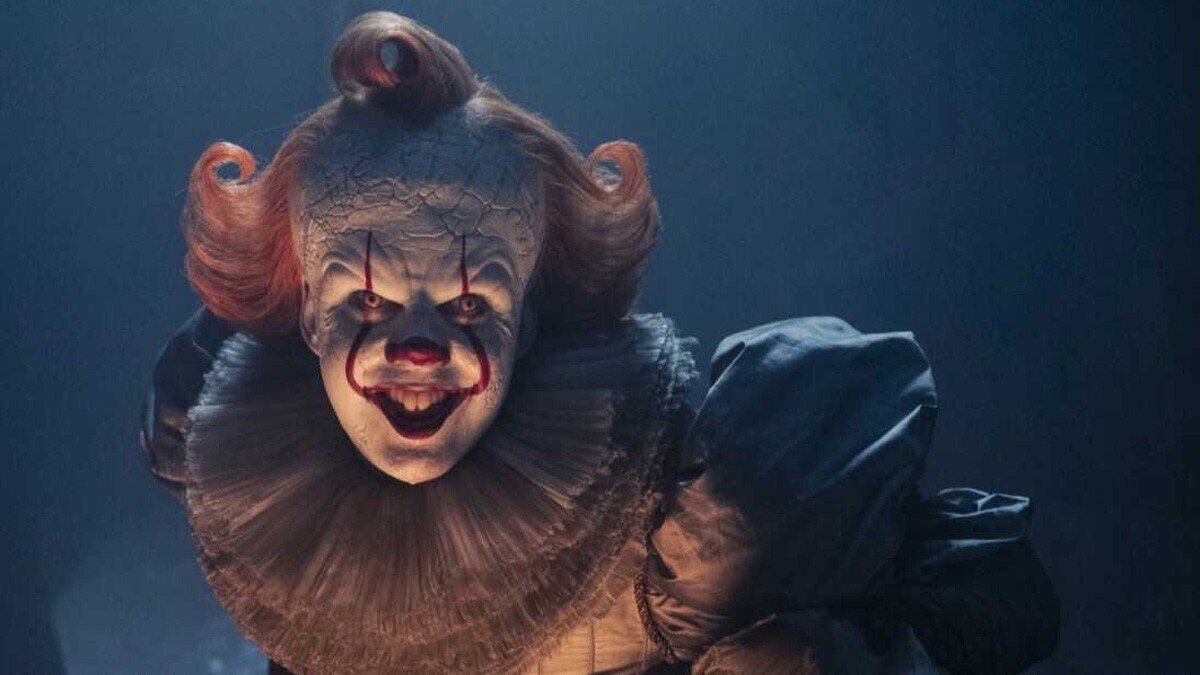
There are clowns, and then there is Pennywise. One wears big shoes and makes balloon animals. The other weaponizes your childhood fears, smiles like a cracked porcelain doll, and somehow still understands the value of comic timing. That unsettling mix is exactly why It: Welcome to Derry has become more than another horror prequel. Under showrunner Jason Fuchs, the HBO series explores not just where the monster came from, but why Pennywise’s terror often arrives wearing a punchline’s grin.
Based on Stephen King’s legendary horror universe and connected to Andy Muschietti’s It films, It: Welcome to Derry expands the cursed history of Derry, Maine. The series is set decades before the Losers Club faces Pennywise in the 2017 film, moving into the town’s earlier cycles of fear, secrecy, and social rot. Fuchs, who serves as co-showrunner with Brad Caleb Kane, has helped shape a story that treats Pennywise as more than a horror mascot. He is a cosmic predator, a performer, a sadist, andunfortunately for everyone in Derrya comedian with the world’s worst audience-participation policy.
Why Pennywise’s Humor Is So Disturbing
The dark comedy of Pennywise works because it is never harmless. He is not funny in the way a sitcom character is funny. He is funny in the way a nightmare can be absurd right before it becomes unbearable. Jason Fuchs has discussed this warped sense of humor as one of the character’s most compelling traits: Pennywise does not merely frighten people; he toys with them. He understands presentation, escalation, rhythm, and surprise. In other words, he has stage presence. Terrible, soul-free stage presencebut stage presence all the same.
That is the key to Pennywise’s lasting appeal. Horror fans are not simply waiting for the next scare. They are waiting for the next bizarre choice. A clown should be silly. Pennywise twists that expectation until the joke curdles. A grin becomes a threat. A childish song becomes a warning. A playful gesture becomes a trap. The character’s comedy is rooted in humiliation, misdirection, and cruelty. He finds the exact place where laughter and panic overlap, then parks a circus wagon there.
Jason Fuchs and the Challenge of Expanding Stephen King’s Monster
One of the toughest creative problems facing It: Welcome to Derry is obvious: audiences already know Pennywise. Bill Skarsgård’s performance in It and It Chapter Two became instantly recognizable, from the tilted stare to the unnerving vocal playfulness. The series could not simply repeat the greatest hits and expect viewers to float happily along. Fuchs and the creative team needed to make the familiar feel dangerous again.
The answer was patience. Rather than shove Pennywise into the spotlight immediately, the series builds Derry as a place where evil is baked into the walls. The town itself becomes a character: polite on the surface, rotten underneath, and very committed to pretending nothing strange is happening. By delaying the full return of the clown, the show turns absence into suspense. Viewers know Pennywise is coming. The waiting becomes part of the fear.
This strategy also allows the show to explore the entity’s other forms. Pennywise is the brand name, but It is a shapeshifter. Television gives Fuchs and the writers room to linger on different manifestations of fear, from childhood anxieties to adult guilt to social violence. That broader canvas makes the clown more powerful when he finally appears. He is not the whole nightmare. He is the face the nightmare chooses when it wants applause.
Bill Skarsgård’s Return Gives Pennywise New Texture
Bill Skarsgård’s return is central to the show’s impact. His Pennywise is not just a monster in makeup; he is a performance inside a performance. The clown behaves like someone who knows he is being watched, which makes every smile feel calculated. In Welcome to Derry, the writers give Skarsgård opportunities to explore fresh dimensions of the character, especially through the mythology surrounding Bob Gray and Pennywise’s theatrical identity.
That matters because horror icons can become safe through repetition. The more often an audience sees a monster, the more the monster risks becoming a Halloween decoration. Fuchs appears deeply aware of that danger. The show counters it by asking a more interesting question than “When will Pennywise show up?” It asks, “Why this shape? Why this performance? Why does ancient evil choose a clown costume and a sick sense of humor?”
The result is a Pennywise who feels both familiar and newly strange. His comedy is not there to relieve tension. It sharpens tension. When he behaves playfully, the audience knows something worse is being prepared. When he laughs, the laugh is not an invitation. It is a countdown.
The Dark Comedy Is Part of the Horror, Not a Break From It
Good horror often understands comedy better than comedy does. Timing, surprise, tension, releasethese tools belong to both genres. The difference is what happens after the setup. In a comedy, the punchline makes you laugh. In Pennywise’s world, the punchline makes you check the sewer grate twice before walking past it.
It: Welcome to Derry uses this overlap carefully. The show’s humor is not built around jokes in the traditional sense. Instead, it comes from grotesque theatricality and cruel irony. Pennywise enjoys the performance of fear. He exaggerates. He teases. He plays with his victims’ expectations. He acts like a carnival entertainer who has mistaken trauma for applause.
This is why the clown form remains so effective. A clown is supposed to collapse seriousness. Pennywise does the opposite. He takes silly objects, children’s songs, bright colors, stage tricks, and exaggerated facial expressions, then makes them feel unsafe. The more cheerful the image, the more offensive the terror becomes. It is horror wearing tap shoes.
Derry Is the Real Stage
Although Pennywise dominates the marketing imagination, Welcome to Derry is not only about the clown. The town itself is the monster’s theater. Set in 1962, the series connects supernatural horror with human fear: racism, military paranoia, family tension, buried violence, and a community’s willingness to look away. This approach fits Stephen King’s original idea of Derry as a place where evil survives because people make room for it.
Fuchs and the writing team use the prequel format to deepen that idea. The series explores earlier generations, including the history of the Black Spot and the Hanlon family’s connection to Derry’s memory. These elements give the story emotional weight. Pennywise may be ancient, but he does not work alone. He thrives in a town already skilled at denial.
That makes his dark comedy even uglier. Pennywise is not laughing in a vacuum. He is laughing at a town that keeps feeding him. The joke, if we can call it that, is that Derry’s citizens often think the horror is somewhere else: in the woods, in the sewers, in a strange shape at the edge of vision. The show suggests the horror is also in institutions, family secrets, and polite silence. Pennywise simply knows how to put a red nose on it.
Why Jason Fuchs’ Approach Feels Different
Fuchs’ approach stands out because he treats mythology as character, not just trivia. The show is interested in lore, but it does not stop at answering fan questions. Instead, it asks how those answers change the emotional meaning of Pennywise. The Bob Gray material, the earlier timelines, and the entity’s evolving presentation all point toward a bigger idea: evil adapts. It studies its audience. It learns what frightens each generation.
That idea gives Welcome to Derry a strong SEO-friendly hook for fans searching for “Pennywise origin,” “Jason Fuchs interview,” “It prequel series,” or “dark comedy in horror.” The show is not merely filling gaps between movies. It is examining how fear performs. Pennywise is scary because he knows exactly when to be ridiculous. He turns comedy into bait.
Specific Examples of Pennywise’s Horrifying Playfulness
Across the modern It screen universe, Pennywise often behaves like a performer testing material on an unwilling crowd. His gestures can be cartoonish. His movements can be dance-like. His voice can slide between childish amusement and predatory calm. In Welcome to Derry, that performance style becomes part of the mystery. The show invites viewers to think about the clown not as a random disguise, but as a deliberate language.
A clown can enter spaces adults dismiss as childish. A clown can be bright, loud, and absurd. A clown can mock fear while creating it. Pennywise uses all of that. He does not just attack; he stages. He does not simply appear; he reveals. The difference is important. A regular monster lunges from the dark. Pennywise wants you to notice the lighting.
That theatricality is where the dark comedy lives. It is the horrible excess of it all. The smile is too wide. The cheerfulness is too forced. The timing is too perfect. The audience laughs nervously because the brain recognizes comic structure even while the body recognizes danger. Pennywise turns the human nervous system into a laugh track with goosebumps.
Why Fans Keep Coming Back to Derry
The popularity of It has always depended on more than one creepy clown. Stephen King’s story endures because it blends childhood friendship, memory, trauma, and the terror of growing up in a world adults cannotor will notexplain. Welcome to Derry taps into that same engine while shifting the lens to an earlier generation.
Fans return because Derry feels mythic and specific at the same time. It is a fictional Maine town, but it also represents every place with a terrible secret and a cheerful Main Street. The storm drains are scary, yes, but so are the adults who insist everything is fine. Pennywise is the monster under the town, but Derry is the town that keeps rebuilding over him.
Jason Fuchs’ discussion of Pennywise’s dark comedy helps explain why the character remains fresh. He is not only a creature of fear. He is a creature of attention. He understands that terror is more memorable when it has style. A monster that simply growls may scare you once. A monster that grins, waves, sings, and waits for the reaction can haunt you for years.
What Viewers Can Learn From the Show’s Tone
For writers, filmmakers, and horror fans, It: Welcome to Derry offers a useful lesson: tone does not have to be one flavor. Horror can include absurdity without becoming parody. Comedy can appear inside terror without weakening it. The trick is intention. Pennywise’s humor works because it reveals character. He is amused by fear because fear is his food, his art form, and his favorite hobby. Honestly, some people collect stamps; ancient sewer clowns collect screams. Everyone needs a passion, apparently.
The show also proves that prequels work best when they add emotional context, not just backstory. We do not need a checklist of references. We need a reason to care. By focusing on Derry’s earlier victims, family histories, and social tensions, the series makes Pennywise’s return feel less like franchise maintenance and more like a fresh wound being reopened.
Experience Section: Watching Pennywise’s Dark Comedy as a Modern Horror Fan
Watching It: Welcome to Derry is a strange experience because the audience enters with two competing feelings: anticipation and dread. You want Pennywise to appear because that is the promise of the series. At the same time, you do not want him to appear because, well, he is Pennywise. That is the entertainment bargain. We press play, sit comfortably on the couch, and then act shocked when the nightmare clown does nightmare clown business.
The delayed reveal makes the viewing experience more interactive. Every odd detail becomes suspicious. A hallway looks too empty. A child’s drawing seems too meaningful. A cheerful sound suddenly feels rude. The show trains viewers to become amateur Derry detectives, scanning every scene for signs that the monster is nearby. This is one reason the series works well for weekly conversation. It gives fans room to theorize, argue, and dramatically announce, “I knew it!” even when they absolutely did not know it.
The dark comedy also changes how people watch with friends. Horror has always been social, even when experienced alone. A good scare makes viewers jump; a good Pennywise moment makes viewers jump and then laugh at themselves for jumping. That nervous laughter is part of the fun. It is not laughter because the danger is silly. It is laughter because the body needs somewhere to put the adrenaline. Pennywise understands that reaction better than anyone, which is deeply annoying for those of us who prefer our villains less emotionally perceptive.
For longtime fans of Stephen King, the show’s expansion of Derry feels like opening a dusty local-history book and finding teeth marks in the margins. The references to earlier cycles, family names, and legendary locations reward viewers who know the larger mythology. But the series does not require every viewer to arrive with a corkboard and red string. New fans can still follow the basic emotional logic: something is wrong with this town, fear is contagious, and the clown is not here to perform at a birthday party unless the birthday party is cursed.
The most memorable viewing experience comes from how the series balances spectacle with unease. Big horror images may grab attention, but the quieter dread lingers longer. A smile held one second too long. A friendly voice that feels slightly off. A joke that should be harmless but lands like a warning. These details make Pennywise’s dark comedy effective because they invade ordinary moments. After watching, even cheerful decorations can look suspicious. Balloons become public enemies. Circus music should probably be monitored by local authorities.
There is also a creative lesson in how Fuchs and the team handle fan expectations. Instead of giving viewers constant Pennywise scenes, they use restraint. That restraint makes the audience hungry for the clown while also reminding us that Derry’s horror is bigger than one face. The experience becomes less like waiting for a celebrity cameo and more like feeling a storm move toward town. You know it is coming. You can smell it in the air. You still hope somebody remembered to lock the basement door.
Ultimately, the experience of watching It: Welcome to Derry is not just about being scared. It is about being pulled into a cruel performance where the monster knows the genre as well as the audience does. Pennywise is frightening because he has timing. He is funny because he should not be. And Jason Fuchs’ take on that contradiction helps explain why the clown remains one of horror’s most durable nightmares. He does not merely haunt Derry. He hosts it.
Conclusion: Pennywise Laughs Because Fear Is the Point
It: Welcome to Derry gives Jason Fuchs and the creative team room to explore Pennywise as both an ancient evil and a grotesque entertainer. The show understands that the clown’s dark comedy is not a decoration added to the horror. It is part of the horror’s machinery. Pennywise jokes because he enjoys control. He performs because fear is more delicious when it has an audience. He smiles because he already knows the punchline.
That is why the series matters for fans of Stephen King, HBO horror, and character-driven prequels. It expands the mythology without forgetting the emotional engine underneath it: fear, memory, community, and the awful things people bury until they start crawling back out. Fuchs’ take on Pennywise reminds us that horror’s scariest monsters are often the ones that understand us too well. Especially the ones wearing greasepaint.
Note: This article is written as original, SEO-ready web content based on publicly reported interviews, official series information, and entertainment-industry coverage. It avoids direct source-link insertion in the body for cleaner publication formatting.

