
Beauty Unlocked
How to Know Your Skin Type: A Beginner’s Guide to Understanding Your Skin

May
Understanding your skin type is the first step toward building an effective skincare routine. Different skin types have different needs, and using the wrong products can lead to irritation, dryness, breakouts, or excess oil. Fortunately, identifying your skin type is simple and can often be done at home.
Why Knowing Your Skin Type Matters
Your skin type affects how your skin reacts to skincare products, weather, stress, and lifestyle habits. Once you know your skin type, you can choose products that help your skin stay healthy, balanced, and comfortable.
The Main Skin Types
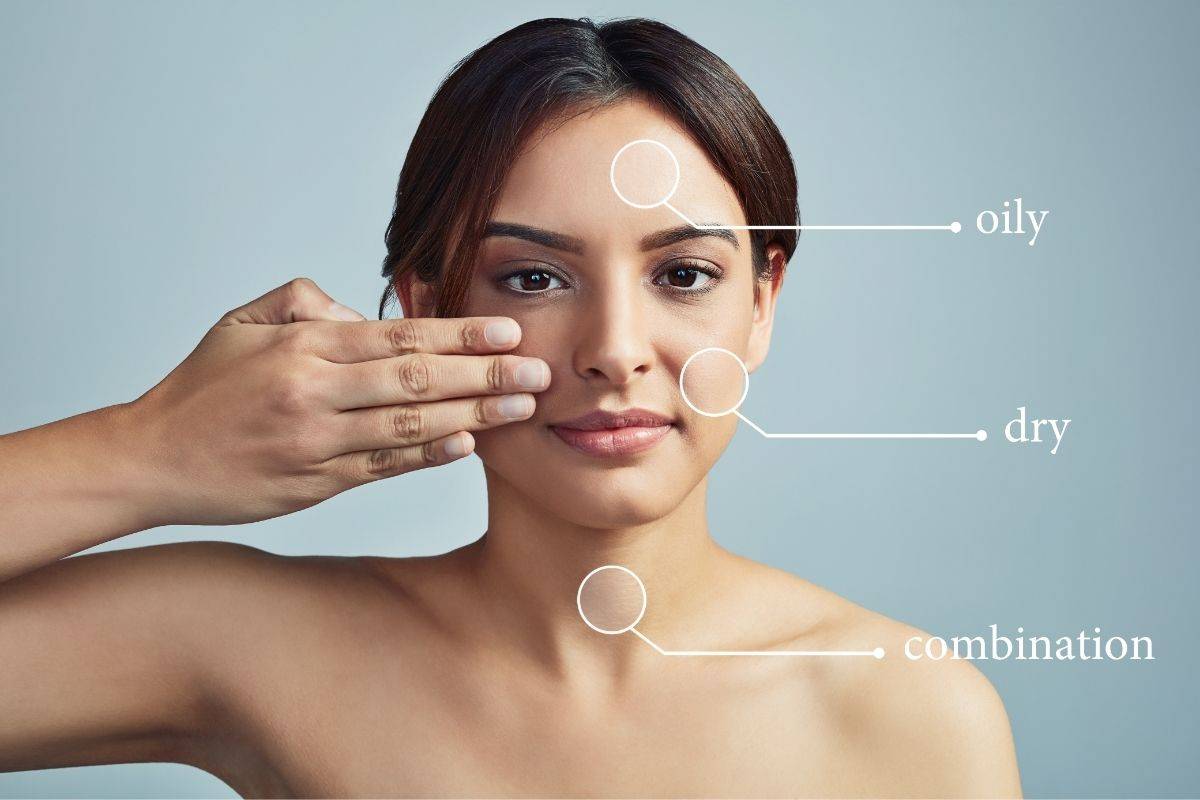
Most people fall into one of these five categories:
1. Oily Skin
Oily skin produces excess sebum, which can make the face appear shiny throughout the day.
Common signs include:
- Shiny forehead, nose, and chin
- Enlarged pores
- Frequent acne or breakouts
- Makeup that slides off easily
2. Dry Skin
Dry skin lacks moisture and natural oils.
Common signs include:
- Tightness after washing
- Rough or flaky patches
- Dull appearance
- Skin that feels uncomfortable or itchy
3. Combination Skin
Combination skin has both oily and dry areas.
Typical signs include:
- Oily T-zone (forehead, nose, chin)
- Dry or normal cheeks
- Occasional breakouts in oily areas
4. Sensitive Skin
Sensitive skin reacts easily to products, environmental changes, or certain ingredients.
Common symptoms include:
- Redness
- Burning or stinging
- Itching
- Irritation after trying new products

5. Normal Skin
Normal skin is generally balanced and not overly oily or dry.
Characteristics include:
- Smooth texture
- Small pores
- Few breakouts
- Minimal sensitivity
Simple Ways to Identify Your Skin Type
The Bare-Face Test
One of the easiest ways to determine your skin type is the bare-face method.
Follow these steps:
- Wash your face with a gentle cleanser
- Pat your skin dry
- Do not apply any products
- Wait for about 30 minutes to 1 hour
- Observe how your skin feels and looks
Results:
- If your face looks shiny all over, you likely have oily skin
- If your skin feels tight or flaky, you probably have dry skin
- If only your T-zone is oily, you may have combination skin
- If your skin feels comfortable and balanced, you likely have normal skin
- If you notice redness or irritation, your skin may be sensitive
Your Skin Type Can Change
Skin type is not always permanent. Factors such as age, hormones, climate, stress, and skincare habits can affect your skin over time. That is why it is important to pay attention to how your skin behaves in different situations and seasons.
Knowing your skin type helps you make smarter skincare choices and avoid unnecessary irritation. Start by observing how your skin naturally behaves, then build a routine that supports its specific needs. The more you understand your skin, the easier it becomes to keep it healthy, balanced, and glowing.

