
Beauty Tools & Accessories
How to Grow and Care for Common Foxglove
Jul
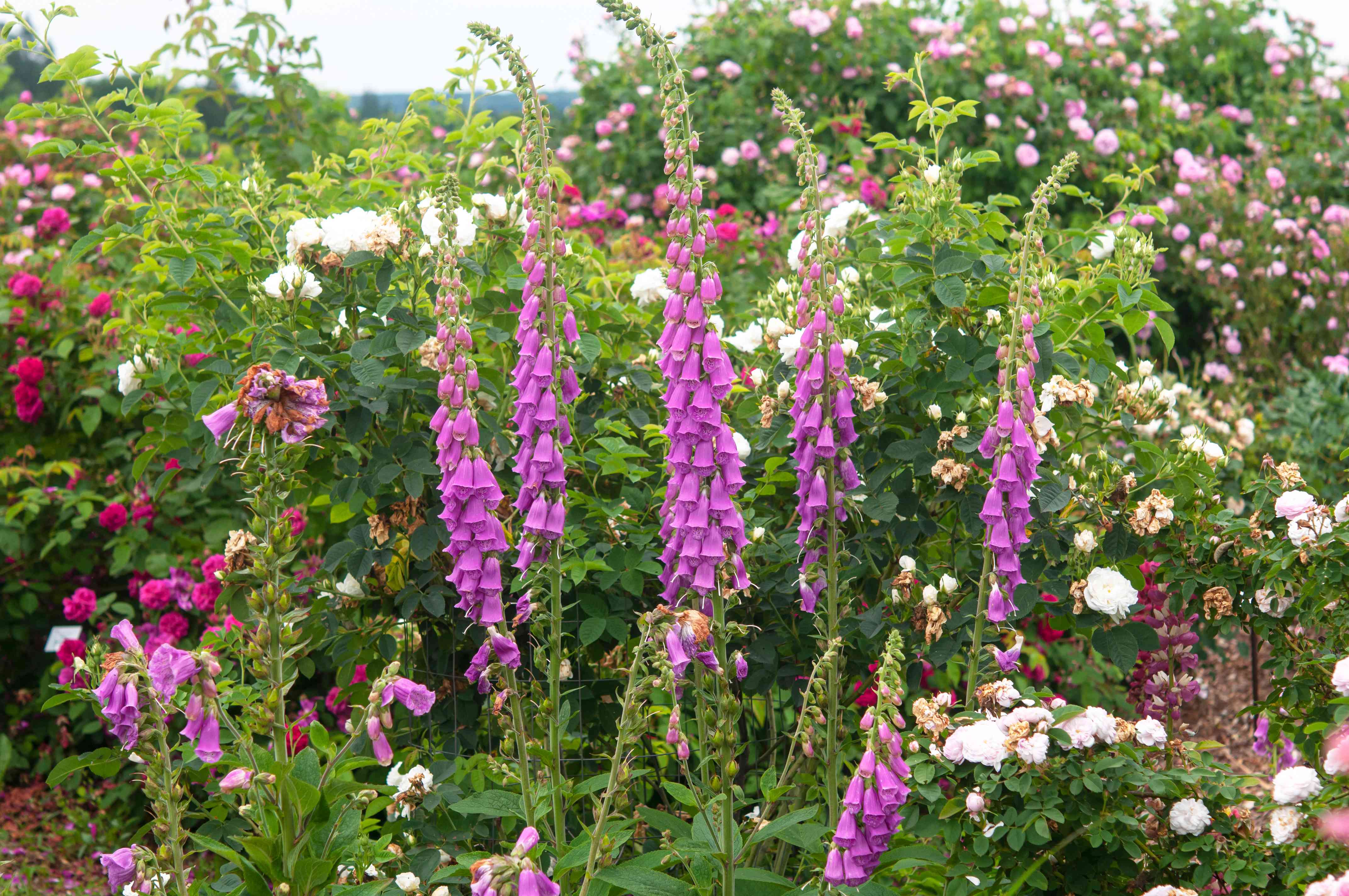
Common foxglove (Digitalis purpurea) is the drama queen of the cottage garden:
tall, elegant spires packed with bell-shaped flowers, buzzing with bees, and
unapologetically attention-seeking. It’s also, and this is important, highly poisonous.
So think of foxglove like a gorgeous but dangerous celebrity guest in your backyard:
treat it with respect, give it the right spot, and it will absolutely steal the show.
In this guide, we’ll walk through everything you need to know to grow and care for
common foxglove successfully: from picking the right planting site to watering,
feeding, deadheading, and keeping everyone (including pets and kids) safe. We’ll also
wrap up with real-world experiences and extra tips so you can avoid the most common
foxglove mistakes.
Getting to Know Common Foxglove
Common foxglove is typically a biennial or short-lived perennial. That means:
- Year 1: It grows a low rosette of leaves and focuses on building roots.
- Year 2: It rockets upward into tall flowering spikes, blooms, sets seed, then usually dies.
Mature foxglove plants often reach 2 to 5 feet tall, with some cultivars stretching even
higher. The flowers are tubular or bell-shaped and appear in shades of purple, pink,
rose, white, or creamy yellow, often speckled with darker spots inside the throat.
Gardeners love foxglove because it:
- Adds height and structure to mixed borders and cottage gardens.
- Pairs beautifully with roses, delphiniums, ferns, and shade-tolerant perennials.
- Attracts bees, hummingbirds, and other pollinators.
Foxglove is hardy in roughly USDA zones 4–9, depending on variety and local
conditions. In cooler climates, it can handle more sun; in warmer regions, it
appreciates afternoon shade and consistently moist, rich soil.
Choosing the Right Site for Foxglove
Light Requirements
Foxglove naturally grows in woodland edges and partially shaded spots, so it’s
happiest with:
- Full sun in cooler climates, as long as the soil stays moist.
- Partial shade or morning sun/afternoon shade in warmer regions.
A good rule of thumb: aim for at least 4–6 hours of light, but protect it from baking,
late-afternoon heat. Too much shade can result in floppy plants and fewer flowers;
too much harsh sun can scorch leaves and dry out the soil quickly.
Soil Conditions
Foxglove is not fussy, but it absolutely insists on one thing: well-drained soil.
It prefers:
- Moist but not soggy soil.
- Rich in organic matter (compost or leaf mold).
- Slightly acidic to neutral pH, roughly 6.0–7.0.
If your soil is heavy clay, work in compost, leaf mold, or fine bark to improve
drainage. Raised beds can also help. In sandy soil, add organic matter to help the
soil hold moisture longer.
Design and Placement Tips
Because foxglove is tall and stately, it shines when:
- Planted toward the back or middle of a border as a vertical accent.
- Grouped in drifts of three, five, or more plants for a natural woodland look.
- Used along fences, stone walls, or hedges where the spires can lean slightly without falling over.
Just remember: every part of the plant is toxic. Avoid planting foxglove where
toddlers regularly play or where pets are known to chew on plants. If that describes
your household, you might be better off admiring foxglove in a public garden instead
of your own.
How to Plant Common Foxglove
Starting Foxglove from Seed
Growing foxglove from seed is budget-friendly and gives you lots of plants. You can
sow:
- Late spring: Seeds sown then usually bloom the following summer.
- Late summer: Seedlings establish in fall, overwinter, and bloom the next year.
Foxglove seeds are tiny, almost dust-like, and they need light to germinate. To sow:
- Prepare a smooth, fine seedbed or use seed trays filled with quality seed-starting mix.
- Scatter the seeds thinly over the surface.
- Press them gently into the soil, but do not cover them with more than a dusting of mix.
- Keep the soil evenly moist (but not waterlogged) until germination, which usually takes 2–3 weeks.
When seedlings are large enough to handle, thin or transplant them so plants are about
12–18 inches apart. This spacing allows good air circulation and gives each rosette
room to grow.
Planting Nursery Starts or Young Plants
If patience isn’t your thing, you can purchase foxglove as small plants. Look for
sturdy transplants with healthy green leaves and no signs of spots or wilting.
- Dig a hole as deep as the container and slightly wider.
- Gently remove the plant from the pot, loosen any circling roots, and set it at the same level it was growing in the container.
- Backfill with soil mixed with compost and firm gently.
- Water thoroughly to settle the soil and eliminate air pockets.
- Apply a light layer of mulch (like shredded leaves or bark) to help retain moisture.
Growing Foxglove in Containers
Yes, you can grow foxglove in pots, especially dwarf or compact varieties. Use:
- A container at least 12–14 inches in diameter with drainage holes.
- A high-quality potting mix (not garden soil).
- Regular watering, as containers dry out faster than beds.
Place the pot where it gets morning sun and afternoon shade. Container-grown
foxgloves may need staking, especially in windy locations.
Everyday Care: Watering, Feeding, and Support
Watering Foxglove
Foxglove prefers consistently moist soil, especially during its active growing and
flowering period. As a general guideline:
- Aim for about 1 inch of water per week from rain or irrigation.
- In hot, dry weather, you may need to water more often, particularly for sandy soils or containers.
- Water at the base of the plant, early in the day, to keep foliage dry and reduce disease risk.
Avoid extremes: waterlogged soil can cause root rot, while drought stress leads to
droopy leaves and fewer blooms. If you’re unsure, stick your finger into the soil up
to your first knuckle; if it feels dry, it’s time to water.
Feeding and Mulching
Foxglove isn’t a heavy feeder, but it appreciates a little nourishment:
- Work compost or well-rotted manure into the soil before planting.
- In early spring, apply a light dose of a balanced, slow-release fertilizer following the label directions.
- Maintain a 1–2 inch layer of organic mulch to regulate soil temperature and retain moisture.
Avoid over-fertilizing, especially with high-nitrogen formulas, which can lead to
lush foliage at the expense of flowers.
Staking Tall Spires
In sheltered spots, foxglove often stands tall with no help. In windy or exposed
sites, those flower spikes can flop dramatically. Use:
- Discreet bamboo stakes or thin metal supports.
- Soft ties or garden twine, loosely looped around the stem.
Tie the stem in a figure-eight pattern with the stake so it can move slightly in the
wind without snapping.
Deadheading, Self-Seeding, and Long-Term Color
Deadheading foxglove can feel like a small philosophical debate. Do you:
- Deadhead to tidy the plant and possibly encourage a smaller second flush of blooms?
- Skip deadheading and allow the plant to go to seed so new foxgloves appear in future seasons?
The answer depends on your goals:
- If you want more plants for next year, leave some flower spikes in place to ripen and drop seed.
- If you want a neat, controlled border, deadhead most spikes and perhaps let only one or two form seed.
How to Deadhead Foxglove
- Wait until most of the flowers on a spike have faded.
- Using clean, sharp pruners, cut the flower stalk back to just above the leafy rosette.
- If you’re hoping for a second flush, do this relatively early in the season.
- If you want self-seeding, leave a few spikes standing until the seed pods turn brown and begin to split.
A good compromise: deadhead the first big flush for rebounds, then later in the
season allow some spikes to go to seed. That way, you enjoy both extra flowers and a
new generation of plants.
Overwintering and Foxglove’s Life Cycle
As a biennial, common foxglove typically flowers once in its second year and then
dies. However, if you:
- Let plants self-seed, and/or
- Sow or plant new foxglove each year,
you can create the illusion of a perennial patch that’s always in bloom.
In colder climates, help first-year rosettes survive winter by:
- Mulching lightly with leaves or straw after the ground freezes.
- Avoiding heavy, soggy mulches that trap moisture around the crown.
In mild climates, foxglove may behave more like a short-lived perennial and bloom for
more than one season, especially if conditions are ideal.
Pests, Diseases, and Other Problems
Common foxglove is relatively trouble-free, but it’s not immune to issues.
Pests
- Slugs and snails: They love tender young foliage. Hand-pick at night, use slug traps, or create barriers with copper tape.
- Aphids: Clusters of small insects on stems and flower spikes can be knocked off with a strong spray of water or treated with insecticidal soap if needed.
Diseases
- Powdery mildew: Appears as white, powdery patches on leaves. Improve air circulation, avoid overhead watering, and remove badly affected leaves.
- Leaf spots or rot: Often related to poor drainage or consistently wet foliage. Correct watering and improve soil structure.
Good spacing, proper watering, and clean tools go a long way in keeping foxglove
healthy.
Foxglove Safety: Beautiful but Highly Toxic
Now for the serious part. Common foxglove contains cardiac glycosidescompounds that
can affect the heart. All parts of the plant are toxic if eaten, including leaves,
flowers, and seeds. Even the water from a vase holding foxglove stems can be
dangerous if ingested.
Symptoms of poisoning in people or pets may include:
- Nausea, vomiting, or diarrhea.
- Dizziness or confusion.
- Irregular or slowed heartbeat.
- Weakness, tremors, or collapse in severe cases.
Safety tips:
- Avoid growing foxglove where young children play unsupervised.
- Be cautious in yards with pets that chew plants or drink from outdoor containers.
- Wear gloves when handling plants, trimming, or removing them.
- Never attempt to make home remedies or teas from foxglove. Its medicinal uses in heart medicine are highly controlled and absolutely not DIY-friendly.
- If ingestion is suspected, contact a doctor, veterinarian, or poison control center immediately.
If you love the look of foxglove but are uneasy about toxicity, consider planting it
in a fenced border, a back corner of the yard, or a container out of easy reach.
Creative Ways to Use Foxglove in the Garden
Once you understand how foxglove behaves, you can use it to add drama and softness at
the same time:
- Cottage garden borders: Combine foxglove with hollyhocks, roses, catmint, and lady’s mantle for a dreamy, old-fashioned look.
- Woodland edges: Pair with ferns, hostas, astilbes, and brunnera in partial shade.
- Pollinator patches: Bees adore foxglove’s tubular flowers, and hummingbirds often visit too.
Allow a few plants to self-seed each year and you’ll end up with painterly drifts that
look natural and slightly wildin the best possible way.
Real-World Tips and Experiences with Common Foxglove
On paper, foxglove is simple: plant, water, admire. In real gardens, it teaches you a
few extra lessons. Here are experience-based tips and stories that many gardeners
eventually learn the hard way.
1. The “Why Didn’t It Bloom?” Mystery
One of the most common questions is, “I planted foxglove and it never bloomedwhat did
I do wrong?” Often, the answer is: nothing. If you sowed seed or planted small
first-year plants, they’re likely using that first season to build roots and a leafy
rosette. The flowers come the following year. The trick is to remember where those
rosettes are and not rip them out thinking they’re weeds or failed plants.
A handy habit is to pop a small label near each rosette in fall. Next spring, when
tall flower spikes appear “out of nowhere,” you’ll feel oddly proud of your past self
for being so organized.
2. Self-Seeding: From “Perfect” to “Maybe Too Many”
Many gardeners fall in love with foxglove, let it go to seed, and then discover the
joyand chaosof hundreds of seedlings the next year. At first, this feels magical.
Then it starts to feel like sorting through a crowded thrift store rack.
The experience-based solution is simple: embrace the self-seeding, but edit. In early
spring, walk through your beds with a trowel and a coffee (optional but recommended)
and:
- Thin seedlings where they pop up too close together.
- Transplant extra seedlings to bare spots or give them to gardening friends.
- Remove seedlings from places you don’t want tall spikes, like right in front of a low window.
Foxglove becomes much easier to manage when you treat self-seeding as an opportunity
to design, not as an accident.
3. Gardening in Hot or Dry Climates
If you garden in a warm, sunny climate, foxglove may need extra pampering. Gardeners
in these regions often report that foxglove performs best when:
- Planted where it gets morning sun and afternoon shade.
- Mulched well to keep the roots cool and the soil consistently moist.
- Watered deeply rather than with frequent, shallow sprinkles.
You might notice the flowering season is shorter in very hot areas, but the payoff
during those weeks is still spectacular.
4. Foxglove with Kids and Pets
Many gardeners successfully grow foxglove even with children and pets around, but the
key is knowing your household. If your dog’s favorite hobby is chewing random leaves,
or you have a toddler who thinks everything is a snack, foxglove might not be the
right choice right now.
Other families add foxglove to the garden as their kids get older and can understand
clear rules: “Look, don’t touch, and definitely don’t taste.” Some gardeners only
grow foxglove in a fenced side yard or a back corner where pets and small children
don’t usually hang out.
5. Foxglove as a “Transition” Plant
Experienced gardeners often use foxglove as a clever seasonal bridge. Because it
flowers in late spring to early summer, it can:
- Fill the gap between spring bulbs and summer perennials.
- Provide height while shrubs and perennials are still maturing.
- Create vertical interest in new beds while slower-growing plants catch up.
Plant foxglove near young shrubs or roses; in a few years, when those plants fill in
and cast more shade, you can gradually shift your foxglove to other spots that better
match its needs.
6. Learning to Let Go (Literally)
One of the quiet pleasures of growing foxglove is learning to let it move a little on
its own. Those seedlings that pop up in unexpected places? Some of them are actually
perfect. A spike of foxglove weaving through a shrub or leaning over a pathway can
look like you planned a dreamy, romantic compositioneven if the plant did most of
the work.
Over time, you’ll learn which seedlings to keep and which to remove, balancing your
sense of control with a little natural chaos. That’s where foxglove really shines: in
the sweet spot between designed and wild.
Conclusion
Common foxglove is a classic for a reason. It brings height, color, and a strong
cottage-garden vibe to borders and woodland edges, all while supporting pollinators
and giving your garden that “storybook” charm. Yes, it’s toxic and demands some
thoughtful placement and basic safety rules. But when you understand its biennial
rhythm, give it the right soil and light, and let it self-seed in a controlled way,
foxglove becomes one of the most rewarding “set it up and enjoy it for years” plants
you can grow.
Start with a handful of plants or a packet of seed, pay attention during that first
year of rosette growth, and soon you’ll have a shifting tapestry of spires that makes
your garden look instantly more mature and magical. Just don’t forget: admire with
your eyes, not your taste buds.

