
Body Care
How to Ask Your Mom for a Bra: 9 Steps
Jul
Asking your mom for a bra can feel like trying to make a public service announcement about your own chest. Suddenly, a totally normal part of growing up feels as dramatic as giving a TED Talk in your pajamas. The good news? You are not weird, you are not “too young” to have questions, and you are definitely not the first person to stand in front of the mirror thinking, “Okay… we may need new wardrobe technology.”
Breast development is one of the common early signs of puberty. Some girls start developing earlier, some later, and the timeline can vary a lot. A first bra, training bra, sports bra, bralette, or camisole with built-in support is not about becoming “grown-up” overnight. It is about comfort, coverage, confidence, and having clothes that fit the body you have right now.
This guide explains how to ask your mom for a bra in a calm, practical way. Whether your mom is super open, a little awkward, very busy, or the type who still thinks you are five years old because she remembers your dinosaur lunchbox era, these nine steps can help you start the conversation without panic.
Why Asking for a Bra Can Feel So Awkward
Let us be honest: puberty can be rude. It shows up without scheduling an appointment, changes your body, gives you new feelings, and then expects you to act casual at school. Many tweens and teens feel embarrassed asking for a first bra because it means saying out loud that their body is changing. That can feel private, confusing, or even scary.
But needing a bra is normal. Some people want one because their nipples show through shirts. Some need support during gym class. Some feel tenderness when running, jumping, or going down stairs too fast. Some simply want to feel less self-conscious. All of these reasons are valid. You do not need to “prove” that you need a bra with a dramatic courtroom speech.
Your mom may already know this stage is coming. She went through puberty too, even if imagining that feels deeply illegal. Most moms would rather help you feel comfortable than have you feel nervous alone.
How to Ask Your Mom for a Bra: 9 Steps
1. Notice Why You Want or Need a Bra
Before you ask, take a minute to figure out what is bothering you. Are your shirts feeling too thin? Do you feel uncomfortable during sports? Are you starting to develop breast buds? Do you want a little coverage under school clothes? Are your friends wearing bras and you are wondering if it is time for you too?
You do not need a perfect reason. A simple reason is enough. For example, you might say, “My chest feels uncomfortable when I run,” or “I think I need more coverage under my shirts.” When you understand your own reason, the conversation becomes less embarrassing because you are asking for a practical item, not announcing breaking news.
Think of it like asking for deodorant, period supplies, acne wash, or new shoes after a growth spurt. Bodies change. Supplies change. Nobody expects you to wear shoes from third grade forever, and nobody should expect your old undershirts to handle every stage of puberty.
2. Choose the Right Time to Talk
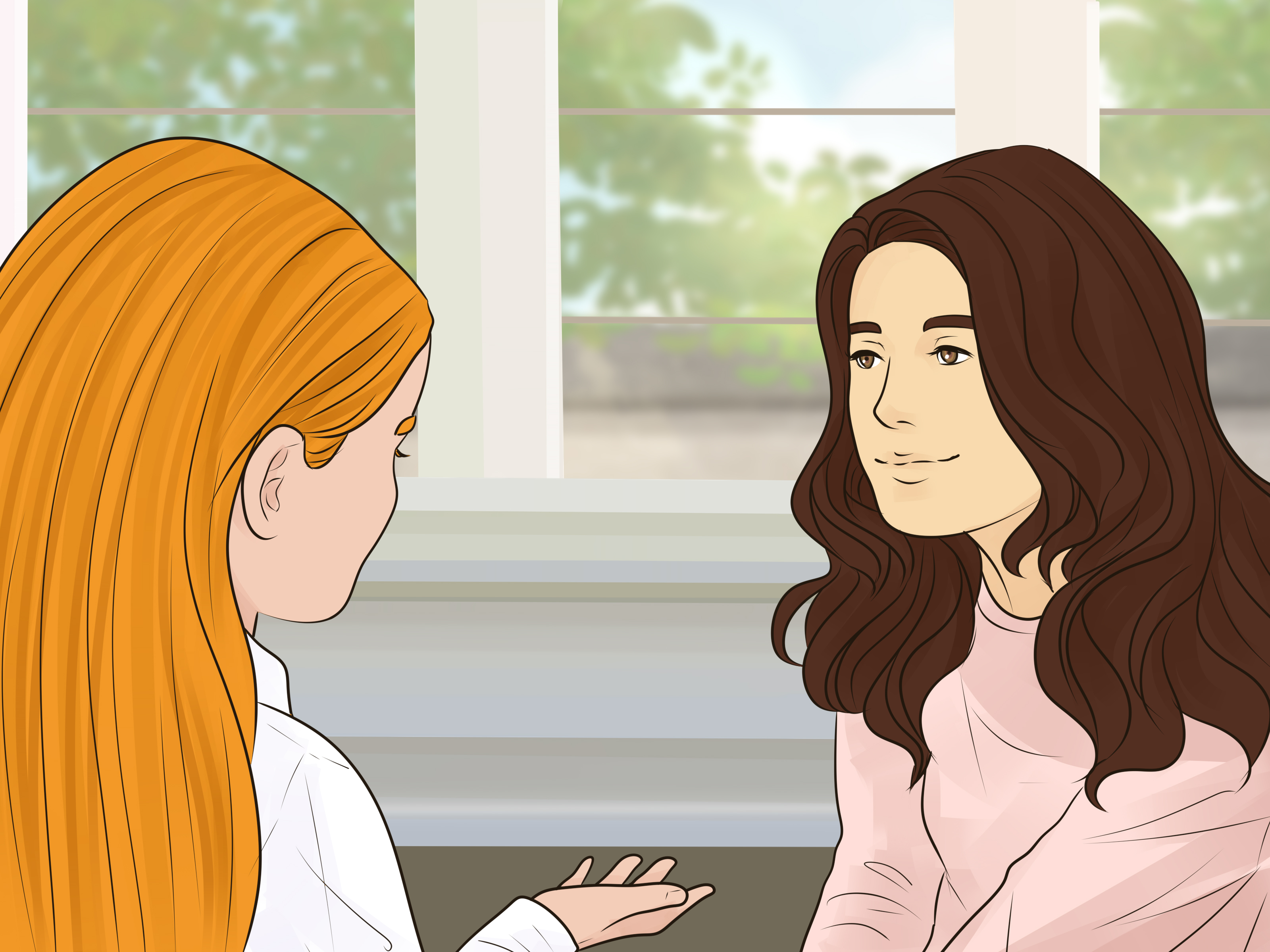
Timing can make the conversation easier. Try not to bring it up when your mom is rushing out the door, carrying groceries, on an important phone call, or trying to solve six family problems at once. A quiet moment is better: during a car ride, while folding laundry, before bedtime, after dinner, or while shopping.
If face-to-face conversation feels too awkward, you can write a note or send a text. Many people find it easier to start with a message because it gives both sides a second to breathe. You might write, “Mom, I think I need to get a bra soon. Can we talk about it later?” That is short, clear, and not nearly as terrifying as your brain is pretending it is.
The goal is not to create a dramatic “Mom, we need to talk” movie scene. The goal is to make a normal request at a normal time.
3. Use Simple, Direct Words
You do not need a fancy speech. In fact, the simpler the better. Try one of these:
- “Mom, I think I need a bra.”
- “Can we go shopping for a training bra?”
- “My shirts feel uncomfortable, and I want more coverage.”
- “Can I try a sports bra or bralette?”
- “I’m feeling self-conscious at school. I think a bra would help.”
If your voice shakes, that is okay. If you turn red, that is okay too. Embarrassment is not a stop sign; it is just your body being dramatic. Keep going.
Using direct words also helps avoid confusion. If you only say, “I need new clothes,” your mom may think you mean jeans, socks, or another hoodie. If you say “bra,” she knows exactly what you need and can help faster.
4. Explain What Kind of Bra You Want to Try
Your first bra does not have to be complicated. There are many beginner-friendly options, and you do not have to jump straight into underwire or padded styles unless you want to. Many people start with a training bra, bralette, sports bra, or camisole with a shelf bra.
A training bra is usually soft and light, made for early development and coverage. A sports bra can be great for gym class, dance, running, or any activity where bouncing feels uncomfortable. A bralette is often soft, stretchy, and easy to wear under everyday clothes. A cami with built-in support can feel less like a “real bra” and more like a regular undershirt with backup.
You can say, “I don’t know what kind I need yet, but I’d like to try a few.” That is a very reasonable request. You are not expected to understand bra sizing like a professional fitter on day one. Most adults are still occasionally confused by bra sizes. The alphabet gets involved, numbers get involved, and suddenly math is in your underwear drawer.
5. Ask for Privacy If You Need It
If you have siblings, relatives, or other people around, it is fair to ask for privacy. You can say, “Can I talk to you alone?” or “Please don’t tell everyone. I feel embarrassed.” A caring parent should understand that puberty topics can feel personal.
If your mom is the joking type and you do not want jokes, say that gently but clearly: “I know it’s not a big deal, but I feel awkward, so please don’t tease me.” This helps set the tone. Sometimes parents use humor to make things feel lighter, but it may not feel light to you. You are allowed to ask for a serious, kind response.
Privacy also matters when shopping. If you do not want your mom loudly announcing your size across the store like she is calling bingo numbers, tell her ahead of time. Try: “Can we keep this quiet while we shop? I’d feel better.”
6. Be Ready for Questions
Your mom might ask why you think you need a bra, what kind you want, whether you feel pain, or if something happened at school. This does not always mean she doubts you. She may simply be trying to understand how to help.
You can answer honestly and briefly. For example:
- “My chest feels sore when I run.”
- “I feel uncomfortable changing for gym.”
- “My shirts are showing more than I want.”
- “I just feel ready to try one.”
If she asks a question you do not know how to answer, say, “I’m not sure. I just know I feel like I need one.” That is enough. You do not need a medical report, a PowerPoint presentation, or a signed petition from your classmates.
7. Suggest a Shopping Plan
Sometimes parents respond better when the request includes a simple plan. You might say, “Can we go to Target this weekend?” or “Can we order a few online and return what doesn’t fit?” This makes the next step clear.
If you are nervous about shopping in person, online shopping can feel easier. Many stores sell multipacks of soft bras, sports bras, and bralettes for tweens and teens. If you do shop in person, you can bring a few sizes into the fitting room and see what feels comfortable.
A good first bra should not dig into your skin, pinch, leave painful marks, ride up, or make it hard to breathe. It should feel secure but not like it is trying to win a wrestling match. If the band rolls, the straps fall constantly, or the fabric scratches, try another style or size.
8. Remember That Your Body Is Normal
One of the hardest parts of puberty is comparing yourself to other people. Maybe your friends already wear bras. Maybe they do not. Maybe you started developing earlier, later, faster, or slower. Maybe one side looks different from the other. These differences are very common during breast development.
Your body does not need to match anyone else’s schedule. A bra does not make breasts grow, stop growing, or become a certain size. It is simply clothing support. Wearing one is normal. Not wearing one is also a personal comfort choice, depending on your body, your clothes, your activities, and your family’s rules.
If you have pain, a lump that worries you, redness, swelling, discharge, or development that seems unusually early or delayed, it is a good idea to talk to a parent or healthcare provider. Most changes during puberty are normal, but asking questions is always better than quietly worrying at 2 a.m. while the internet tries to diagnose you with twelve impossible things.
9. Talk to Another Trusted Adult If You Cannot Ask Your Mom
Not everyone has a mom available, and not every mom is easy to talk to. If asking your mom feels unsafe, impossible, or too stressful, talk to another trusted adult. This could be a dad, aunt, older sister, grandmother, school nurse, counselor, pediatrician, coach, or family friend.
You can say, “I need help getting a bra, but I don’t know how to ask at home.” Adults who work with kids and teens are used to puberty questions. A school nurse, in particular, can be a calm and helpful person to talk with.
If you do want your mom involved eventually, another adult may help you practice what to say. Sometimes just saying the words out loud once makes the real conversation easier.
What If Your Mom Says You Are Too Young?
If your mom says, “You don’t need one yet,” try to stay calm. She may be surprised, sentimental, or unsure of what you mean. Instead of arguing, explain your comfort needs. Say, “I understand, but I feel uncomfortable in my shirts,” or “I need support for gym class.”
You can also ask for a compromise: “Could we start with a camisole, training bra, or sports bra?” Beginner bras are often simple and modest. This may help your mom see the request as practical rather than dramatic.
If she still says no, consider asking when you can revisit the conversation. For example: “Can we talk about it again next month?” That keeps the door open.
What If You Feel Embarrassed Shopping for a Bra?
Feeling embarrassed in the bra aisle is extremely common. The aisle can feel huge, bright, and full of mysterious straps. But remember: people shop for bras every day. Store employees are not shocked. Other shoppers are thinking about their own lists, not analyzing your life.
To make shopping easier, wear a simple shirt that is easy to change in and out of. Start with soft, wireless options. Bring more than one size into the fitting room. Move around a little: raise your arms, bend forward, stretch, and see if the bra stays comfortable.
If you prefer less attention, shop during a quieter time, such as a weekday evening or morning. If you shop online, check the return policy first. Bra sizing can take trial and error, especially during puberty when your body may keep changing.
How to Know If a First Bra Fits
A first bra should feel comfortable enough to wear for several hours. The band should sit flat around your body and should not slide way up your back. Straps should stay on your shoulders without digging in. The fabric should cover the areas you want covered without gapping, squeezing, or itching.
For early development, exact cup sizing may not matter as much as comfort and coverage. Soft bras often use sizes like small, medium, and large. If you are buying a more structured bra, measuring around the ribcage and fullest part of the chest can help, but do not worry if it takes a few tries. Bra fitting is not a one-time final exam.
It is also normal to need different bras for different situations. A sports bra may work best for gym. A soft bralette may work under everyday shirts. A camisole may be perfect for days when you want light coverage. The “best” bra is the one that helps you forget you are wearing it.
Things You Can Say If You Freeze Up
Sometimes the hardest part is starting. Here are a few ready-to-use lines:
- “Mom, this is awkward, but I think I need a bra.”
- “Can we buy a sports bra for gym class?”
- “I’m feeling uncomfortable in my shirts. Can you help me find something with more coverage?”
- “Could we order a few training bras online?”
- “I don’t want to make this a big deal, but I need help with bras.”
You can even write one of these on a note and hand it to her. There is no rule saying important conversations must be spoken perfectly. Communication counts even if it arrives on notebook paper with slightly nervous handwriting.
Extra Experiences: Real-Life Feelings Around Asking for a First Bra
Many people remember asking for a first bra not because the conversation was terrible, but because the anticipation was huge. The brain loves to turn a simple request into a blockbuster disaster movie. In reality, the moment is often much smaller and kinder than expected.
One common experience is the “laundry basket moment.” A girl notices that her shirts fit differently, or that she keeps crossing her arms in front of her chest. She wants to ask for help, but every time her mom walks into the room, the words vanish. Finally, while folding laundry, she blurts out, “I think I need a bra,” and then stares intensely at a sock like it contains the secrets of the universe. Her mom says, “Okay, we can get some this weekend.” That is it. No thunder. No parade. Just laundry and relief.
Another common experience happens during sports. Running in gym class, jumping during practice, or even walking quickly down stairs can suddenly feel uncomfortable. A first sports bra can make a big difference. In this situation, it can help to focus on activity: “I need more support for P.E.” Parents often understand practical needs quickly, especially when the request is connected to school, exercise, or comfort.
Some people feel nervous because their friends are developing at different speeds. A girl may worry that asking for a bra means she is growing up too fast. Another may worry that needing only a training bra means she is behind. Both worries are normal, but neither one tells the truth. Puberty is not a race. There is no prize for first, last, biggest, smallest, or most prepared. Everyone is just trying to survive middle school lighting and group projects.
There are also girls who do not want their mom to make the moment emotional. Some moms react with nostalgia: “My baby is growing up!” That can be sweet, but it may also make the person asking want to disappear into the nearest hoodie. If that sounds familiar, it is okay to say, “Can we not make it a big thing? I just need help buying one.” Setting that boundary can turn an awkward moment into a manageable one.
For people with shy personalities, texting can be a lifesaver. A message like, “Can we buy some training bras? I feel weird saying it out loud,” can open the door without forcing a face-to-face announcement. Many parents appreciate honesty, and a text gives them time to respond calmly.
Shopping can bring its own little adventure. The first bra you try may feel too tight. The second may have straps that slide down like they are trying to escape. The third may be perfect. This is normal. Finding comfortable bras is a process, not a magical one-size-fits-all moment. It is okay to try different styles, reject itchy fabric, and say, “This one feels weird.” Comfort matters.
The biggest lesson from these experiences is simple: asking gets easier once it is done. The conversation may feel awkward for a few minutes, but comfort lasts much longer. A first bra is just one of many growing-up steps, and you deserve supportboth emotional support and the soft cotton kind with adjustable straps.
Conclusion
Asking your mom for a bra may feel embarrassing, but it is a normal, healthy conversation about your changing body. Start by understanding why you want one, choose a quiet time, use simple words, and ask for the type of support that feels right for you. If talking out loud feels too hard, send a text or write a note. If your mom is not the right person to ask, go to another trusted adult.
Most importantly, remember that needing a bra does not mean anything strange or dramatic. It means your body is changing, and your clothes need to change with it. Puberty may not come with an instruction manual, but with a little courage and the right words, you can ask for what you needand yes, you can survive the bra aisle.

