
Makeup
Fort Standard’s Elegant Magnets
Jun
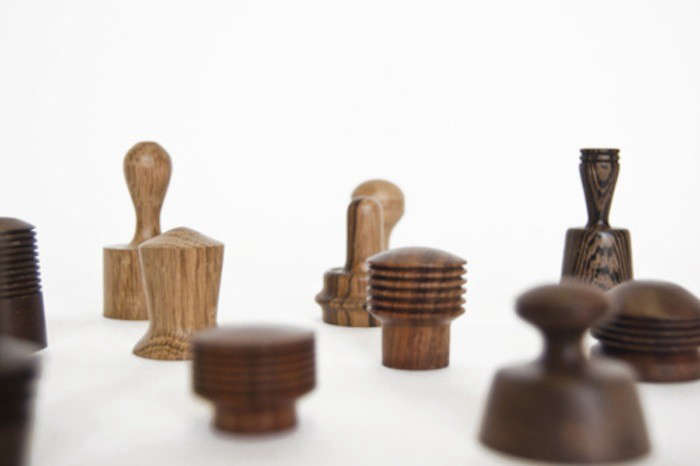
Some objects enter a room loudly. Others whisper, “I have excellent taste,” then quietly hold your grocery list in place. Fort Standard’s elegant magnets belong to the second group. These small wooden accessories prove that even the humble refrigerator magnetthe thing normally responsible for pizza coupons, vacation souvenirs, and questionable school photoscan grow up, get a haircut, and become a design object.
Fort Standard, the Brooklyn-based design studio known for contemporary American craft, has built a reputation around material honesty, simple forms, and everyday usefulness. Its Standard Magnets, often described as sculptural wooden refrigerator or office magnets, bring that philosophy down to palm size. They are not flashy. They are not trying to look like tiny tacos, state maps, or inspirational slogans in curly fonts. Instead, they are turned from hardwood, finished with care, and powered by strong rare-earth magnets hidden inside. The result is a set of practical objects that look more like miniature wooden sculptures than office supplies.
Why Fort Standard’s Magnets Still Feel Special
At first glance, a magnet seems too small to deserve deep analysis. But good design often hides in overlooked corners. A chair announces itself because you sit in it. A dining table dominates a room because it is, frankly, enormous. A magnet has a tougher job. It has to be useful, attractive, and subtle while living on a refrigerator door, magnetic board, metal shelf, or studio wall. That is a lot of responsibility for something smaller than a cookie.
Fort Standard’s Standard Magnets stand out because they treat the magnet as an object worth designing, not merely a backing for a printed image. Their rounded, curvaceous forms soften the sharp visual clutter of notes, receipts, sketches, postcards, and lists. Instead of adding more noise to the kitchen or office, they calm things down. They are like tiny wooden bouncers at the nightclub of daily life: polite, strong, and quietly in control.
The Fort Standard Design Philosophy in Miniature
Fort Standard’s larger furniture and lighting collections often focus on durable materials, careful proportions, and a balance between modern production and traditional craft. The magnets follow the same logic at a smaller scale. That consistency matters. Many brands treat accessories as afterthoughts, but Fort Standard’s small goods feel connected to its bigger design language: natural materials, clean geometry, tactile surfaces, and quiet function.
The studio’s broader work frequently explores hardwood, metal, stone, leather, glass, and other materials that age with character. This is important because the magnets are not just “cute wooden things.” They are part of a design worldview in which the natural variation of material is not a flawit is the point. Grain, tone, weight, and finish all contribute to the experience. One magnet may look slightly different from another, and that is exactly what makes the set feel warm rather than machine-flat.
Material Matters: Hardwood, Shape, and Hidden Strength
Hardwood Gives the Magnets Warmth
The Standard Magnets have been described as made from solid oak or walnut, with assorted hardwood versions also noted in design coverage. These woods are familiar in high-quality furniture, but they feel unexpectedly elevated when used for a refrigerator magnet. Oak tends to bring a lighter, structured grain; walnut offers a darker, richer tone. Both create a sense of permanence, which is funny in the best way because the object’s job may be to hold a takeout menu you will lose by Thursday.
Wood also changes the emotional feel of a magnet. Plastic magnets often look temporary. Printed magnets can become dated quickly. Hardwood has a slower personality. It belongs in kitchens with stone countertops, in studios with pinboards, in home offices with walnut desks, and in apartments where the owner definitely knows where the good olive oil is stored.
Rare-Earth Magnets Do the Heavy Lifting
The elegance is not only visual. The Fort Standard magnets conceal strong rare-earth magnets, which are known for high strength in compact sizes. That means the wooden exterior can remain refined while the internal magnet does the practical work. This is a key reason the product feels premium: it is not merely decorative. It can actually hold papers, notes, photos, tear sheets, or small reminders without giving up and sliding down the fridge like a tired cartoon character.
Rare-earth magnets are often used when compact strength matters. In a design object, that strength allows the visible form to stay small and graceful. The hardware disappears; the user sees only the finished wooden shape. That is a classic mark of thoughtful product design: the technical part is present, but it does not shout.
A Refrigerator Magnet That Escaped the Souvenir Shop
Most refrigerator magnets fall into two categories: sentimental chaos or promotional survival. One is from a vacation, one is from a plumber, and one may have been on the fridge since 2009 for reasons nobody can explain. Fort Standard’s magnets offer a third option: the refrigerator as a small display surface. Instead of turning the fridge into a bulletin board having a nervous breakdown, these magnets help make everyday papers look intentional.
Imagine a white refrigerator holding a handwritten grocery list, a black-and-white photo, and a single postcard from a museum shop. Add six sculptural wooden magnets, and suddenly the whole arrangement feels curated. The same papers held by mismatched pizza magnets would look like domestic static. The Fort Standard magnets make the scene look edited, even if the grocery list still says “coffee, lemons, cereal, emergency chocolate.” Design can only do so much; snacks remain snacks.
Office and Studio Uses: Beyond the Kitchen
Although refrigerator use is obvious, these magnets make just as much sense in an office, studio, workshop, or creative workspace. On a magnetic board, they can hold sketches, paint swatches, invoices, weekly plans, mood-board clippings, or project notes. Their form works particularly well in spaces where the tools are visible and the environment matters. Designers, architects, writers, photographers, and organized people with suspiciously beautiful stationery will understand the appeal immediately.
They also work in minimalist interiors because they avoid visual gimmicks. A set of wood magnets can support a clean workspace without making it feel sterile. They add a small hit of texture, which is useful in modern rooms filled with laptops, glass, metal, and screens. Wood brings the room back to earth. It says, “Yes, we use cloud storage, but we still appreciate trees.”
Why Small Design Objects Are Worth Paying Attention To
It is easy to dismiss small accessories as decorative extras, but they often shape how a space feels day to day. You may admire a sofa once or twice a day, but you interact with small objects constantly. A magnet holds the lunch schedule. A hook catches your keys. A tray gathers coins. A cup holds pens. These little objects either improve your routines or quietly annoy you forever.
Fort Standard’s magnets succeed because they elevate an everyday action. Pinning a note becomes slightly more pleasant. Removing a photo feels tactile rather than flimsy. Reorganizing reminders becomes less like office maintenance and more like adjusting a tiny gallery wall. That may sound dramatic for magnets, but anyone who has ever replaced ugly hardware with beautiful hardware knows the truth: small upgrades have a sneaky way of improving the whole room.
How They Fit Into Modern American Craft
Fort Standard is often associated with contemporary American craft, a field that values the meeting point between hand, machine, material, and function. The Standard Magnets fit this category neatly. They are not rustic in a barn-door-and-mason-jar way. They are refined, modern, and practical. The wood is not pretending to be antique. The shape is not overly decorative. The finish is clean, allowing the material and form to carry the design.
This is where the magnets feel very American in a modern design sense: they are useful, straightforward, and confident without being fussy. They can live in a Brooklyn loft, a California kitchen, a Chicago studio, or a small home office in the suburbs. They do not require a museum label, although they might enjoy one.
Design Details That Make the Difference
Scale
The magnets are small enough to remain unobtrusive but substantial enough to feel intentional. This balance is harder than it sounds. Too small, and they disappear. Too large, and they start competing with whatever they are holding. Fort Standard’s rounded forms hit a satisfying middle ground.
Shape
The turned wooden forms give the magnets a sculptural quality. Their curves make them easy to grip, which matters when you are removing one from a metal surface. A flat magnet may be visually simple, but a shaped magnet is more pleasant to use. Design is not only what something looks like; it is also how your fingers feel when you are late for work and trying to grab the permission slip from the fridge.
Finish
Sanded and oiled wood has a warmer personality than glossy plastic or laminated paper. The finish keeps the objects understated while emphasizing the natural grain. Over time, wood can develop more character through handling. In other words, the magnets may age more gracefully than the average office stapler, which is not a high bar but still counts.
Who Should Consider Fort Standard’s Elegant Magnets?
These magnets are ideal for people who care about interiors down to the smallest detail. They make sense for design lovers, architects, writers, home cooks, students with stylish dorm boards, office workers trying to civilize a metal filing cabinet, and anyone who believes the refrigerator door deserves better than an insurance agent’s business card magnet.
They also make a smart gift. Magnets are useful, easy to place, and do not require knowing someone’s sofa dimensions or candle scent preferences. A set of elegant wooden magnets feels thoughtful without being overly personal. It is the kind of gift that says, “I noticed you like beautiful things,” not “I guessed your shoe size and got nervous.”
How to Style Wooden Magnets at Home
Keep the Background Simple
Wooden magnets look best when they are allowed to stand out. Use them on a clean refrigerator, a simple magnetic board, or a metal cabinet. If the surface is already covered with twenty competing magnets, the effect may get lost. Editing is your friend. Your fridge does not need to tell your entire life story in one square foot.
Group Similar Items
Try using the magnets to hold a small collection of related materials: weekly menus, favorite postcards, family photos, or project notes. Grouping creates visual order. The magnets then become part of a composition rather than random dots scattered across a surface.
Use Them in Work Zones
In a home office, use them to hold priority tasks, sketches, or reference images. In a kitchen, use them for recipes, shopping lists, and appointment reminders. In an entryway, they can hold outgoing mail or notes on a magnetic panel. The point is to let them support a routine, not merely sit there looking prettyalthough they are very good at that too.
Buying Considerations: What to Know Before You Add to Cart
Because Fort Standard’s magnets have appeared through different retailers and design roundups over time, availability and pricing may vary. Older coverage has listed sets of six at different prices, reflecting retailer, year, currency, and market changes. When shopping, check the current seller, material description, set size, finish, and return policy. For collectible or discontinued design accessories, condition matters too.
Also make sure your intended surface is magnetic. Not every stainless-steel refrigerator works well with magnets, especially some stainless panels with low iron content or hidden non-magnetic layers. Before buying premium magnets, test the surface with any magnet you already own. This is the least glamorous design advice in the world, but it may save you from dramatically pressing a beautiful object against a fridge that simply says, “No.”
Are They Worth It?
For someone who only needs to hold a coupon, any cheap magnet will do. But Fort Standard’s elegant magnets are not competing with free promotional magnets. They belong in the category of small design upgrades: objects that improve the look and feel of daily life. Their value comes from material, craft, tactile quality, and visual restraint.
If you enjoy well-made home accessories, they make sense. If you are furnishing a design-conscious workspace, they make even more sense. If your fridge currently looks like a souvenir avalanche, these magnets may be the tiny intervention your kitchen has been politely requesting for years.
Experience Notes: Living With Fort Standard’s Elegant Magnets
Using elegant wooden magnets changes the way you treat the surface they live on. That sounds oddly powerful, but it is true. A cheap magnet invites clutter because it already feels casual. A well-designed magnet invites editing. You start asking whether every receipt, coupon, and mystery note deserves front-row placement. The answer is usually no. The expired yogurt coupon from last spring can retire with dignity.
In a kitchen setting, the magnets work best when they hold fewer, better things. A single recipe card for the week looks charming. A small photo from a family trip looks intentional. A handwritten dinner plan feels warmer when held by wood instead of a plastic cartoon tomato. The magnets make practical information feel less like administrative debris and more like part of the room.
In a workspace, the experience is even more noticeable. On a magnetic board, the rounded wood pieces bring softness to a zone that can easily become too technical. Screens, keyboards, metal shelving, task lights, and cables can make a desk feel visually cold. Wooden magnets create little moments of texture. They are small, but your eye catches them. More importantly, your hand notices them. Pulling one from the board has a satisfying resistance, especially if the rare-earth magnet inside is doing its job well.
They are also surprisingly helpful for creative organization. Instead of taping references to the wall, you can move notes and images around quickly. A mood board becomes flexible. A project timeline can be rearranged without peeling tape or leaving sticky residue. This is where the magnets become more than decorative objects. They support thinking. They let ideas move. For designers, writers, and planners, that flexibility is valuable.
There is also a quiet pleasure in objects that do one thing very well. Fort Standard’s magnets do not beep, sync, track, update, or ask for your location. They hold things. That is it. In a home filled with smart devices and glowing rectangles, that simplicity feels luxurious. No app required. No firmware update. No password containing one uppercase letter, one number, and one tiny sacrifice to the technology gods.
Over time, the best experience comes from how naturally they blend into daily routines. You stop thinking of them as “designer magnets” and start thinking of them as the magnets you actually like using. They become part of the household vocabulary: one for the grocery list, one for the photo, one for the school calendar, one for the invitation you keep meaning to answer. Their beauty is not dramatic. It is dependable.
That dependability is the charm. Fort Standard’s elegant magnets remind us that good design does not always need to transform a room. Sometimes it simply improves a gesture you repeat every day. It makes the grocery list look better. It keeps the sketch in place. It adds warmth to a metal surface. It turns “Where did I put that note?” into “There it is, held by the nice wooden one.” That is not a revolution, but it is a very civilized improvement.
Conclusion
Fort Standard’s elegant magnets prove that small objects can carry big design values. They combine hardwood warmth, sculptural form, hidden magnetic strength, and everyday usefulness in a way that feels calm, modern, and quietly clever. Whether used on a refrigerator, magnetic board, office cabinet, or studio wall, they bring order and beauty to the ordinary paper chaos of daily life. They are magnets, yesbut magnets with manners.

