
Body Care
Does Itching Keep Them Up at Night? Here’s How to Manage Your Child’s Nighttime Atopic Dermatitis Flares
Jul
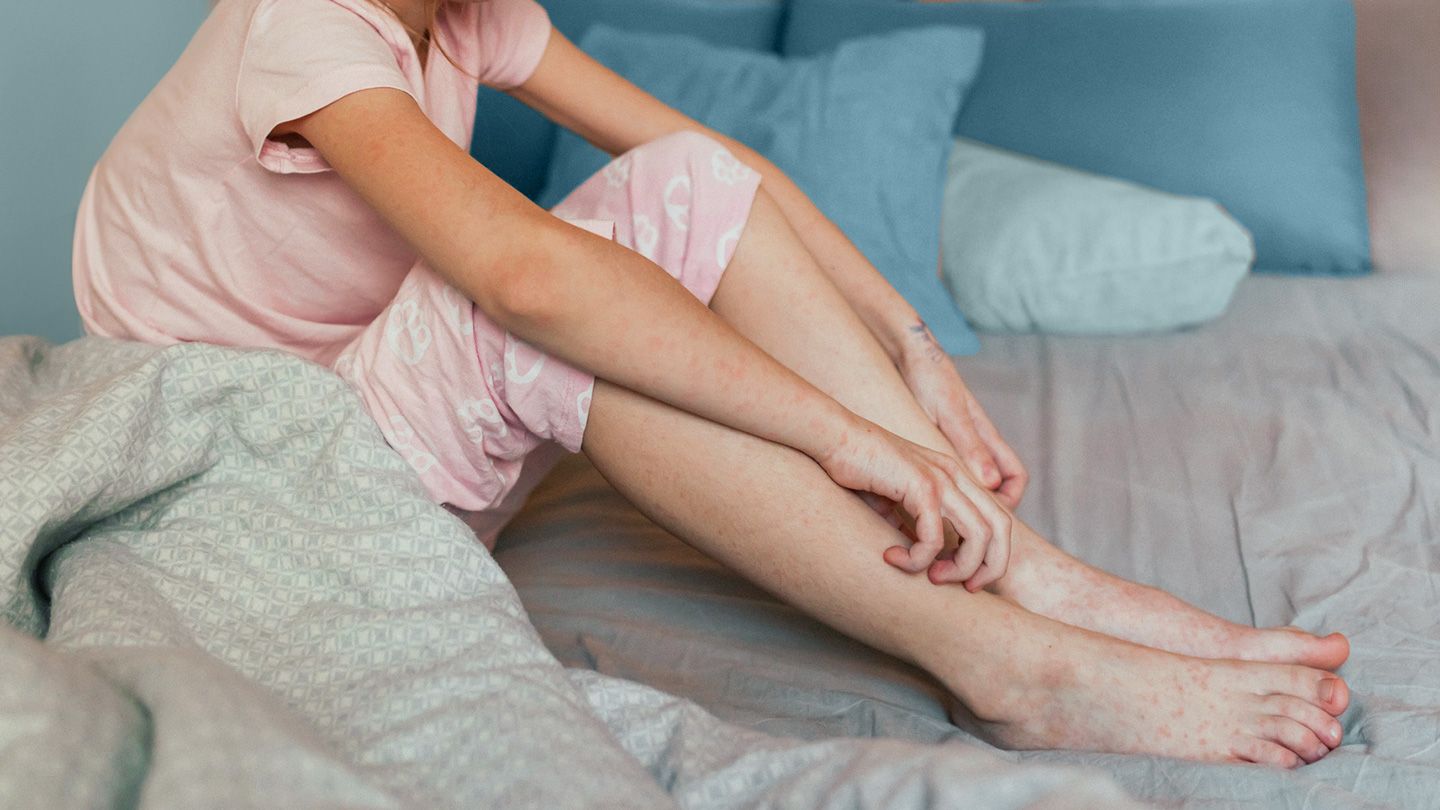
It is 1:47 a.m. Your child is scratching, the sheets are twisted into a small tornado, and everyone in the house is awake except, apparently, the family goldfish. Nighttime atopic dermatitis can turn an ordinary bedtime into an exhausting cycle of itching, scratching, crying, skin damage, and repeated wake-ups.
Atopic dermatitis, commonly called eczema, is a chronic inflammatory condition that weakens the skin barrier and causes dry, irritated, intensely itchy skin. It often begins during infancy or childhood and tends to alternate between calmer periods and symptom flares. Scratching may temporarily satisfy the itch, but it also increases inflammation, damages the skin, and raises the risk of infection.
The good news is that parents do not have to spend every night improvising with random creams and crossed fingers. A consistent evening routine, effective eczema treatment, sensible environmental changes, and a clear rescue plan can reduce nighttime itching and help the entire household sleep better.
Why Does Atopic Dermatitis Itch More at Night?
Nighttime eczema is not simply daytime eczema wearing pajamas. Research suggests that itch intensity in children with atopic dermatitis often increases during the evening and around bedtime. Changes in skin temperature, blood flow, water loss, inflammatory activity, and the body’s circadian rhythms may all contribute. Children also have fewer distractions at night, so every itch can feel as subtle as a marching band.
Sleep disturbances are extremely common among children with atopic dermatitis. Itching can delay sleep, cause repeated awakenings, shorten total sleep time, and keep children in lighter stages of sleep. Studies using sleep monitoring have found that scratching frequently begins while a child is awake or sleeping lightly. Poor sleep can then affect mood, concentration, school performance, family stress, and the child’s ability to cope with discomfort the following day.
The itch-scratch cycle becomes a nighttime trap
Atopic dermatitis creates an unfortunate loop:
- The damaged skin barrier loses moisture and becomes dry.
- Dry, inflamed skin sends itch signals.
- The child scratches for relief.
- Scratching further damages the barrier.
- Inflammation, itching, and infection risk increase.
Breaking this cycle requires more than telling a sleepy child, “Please stop scratching.” That advice is approximately as useful as asking a hiccup to reconsider its life choices. The goal is to reduce inflammation, restore moisture, cool the skin, and make scratching less damaging.
Create a Nighttime Eczema Routine Before the Itch Peaks
The best time to manage a nighttime flare is usually before your child is fully awake and scratching. Build an evening routine that begins roughly 30 to 60 minutes before bedtime. Following the same steps each night also makes treatment feel predictable rather than punitive.
1. Start with a short, lukewarm bath
A five- to 10-minute bath in lukewarm water can hydrate the skin and gently remove sweat, allergens, crusting, and irritants. Hot water may feel comforting for a moment, but it can dry and irritate eczema-prone skin. Use a mild, fragrance-free cleanser only where needed, and skip bubble bath, heavily scented soap, bath bombs, and products that make the tub smell like a tropical fruit convention.
After the bath, gently pat the skin so it remains slightly damp. Do not scrub with a towel. Friction can irritate inflamed skin and trigger more scratching.
2. Apply prescribed medication correctly
If your child’s clinician has prescribed a topical corticosteroid, calcineurin inhibitor, or another eczema medication, apply it to the affected areas exactly as directed. Use the prescribed amount, frequency, location, and treatment duration. Do not substitute someone else’s medication, stop treatment early because the rash looks slightly better, or apply a stronger product because bedtime has become desperate.
Topical anti-inflammatory treatment addresses the inflammation driving the flare. Moisturizer alone is important, but it may not be enough to control actively red, swollen, thickened, or intensely itchy eczema. Parents who are worried about topical steroid safety should ask the prescribing clinician to create a written plan showing what to use, where to use it, and for how long.
3. Seal in moisture immediately
Apply a thick, fragrance-free cream or ointment over the body while the skin is still slightly damp. Ointments and thick creams generally hold moisture better than thin lotions. Pediatric guidance commonly recommends moisturizing within a few minutes after bathing and continuing once or twice daily, even when the skin looks calm.
A moisturizer is effective only when families can use it consistently. Let an older child help choose between several fragrance-free options approved by the clinician. A product that is theoretically perfect but feels unpleasant and remains untouched in the cabinet is mostly an expensive bathroom decoration.
4. Choose soft sleepwear
Dress your child in loose, breathable pajamas that feel soft against the skin. Cotton is often comfortable, although the best fabric is whichever smooth, lightweight material does not trap heat or irritate your child. Remove scratchy tags, avoid wool against bare skin, and wash new clothing before use.
Use fragrance-free laundry detergent and avoid fabric softeners or scented dryer sheets when they appear to worsen symptoms. An extra rinse cycle may help remove detergent residue from pajamas and bedding.
5. Keep the bedroom comfortably cool
Overheating and sweating can aggravate itching. Keep the bedroom cool enough that your child is comfortable without becoming chilled. Choose lightweight bedding that can be added or removed in layers. Heavy blankets, fleece pajamas, and a warm room can create a miniature saunaand eczema rarely sends a thank-you note for the experience.
If dry indoor air appears to be a trigger, ask your child’s clinician whether a humidifier is reasonable. Humidifiers must be cleaned carefully because poorly maintained units can distribute mold or microorganisms.
Reduce Damage From Nighttime Scratching
No strategy can guarantee that a sleeping child will never scratch. The practical goal is to reduce the urge and limit skin damage when scratching occurs.
Keep fingernails short and smooth
Trim nails regularly and file rough edges. Clean beneath the nails to reduce the transfer of germs into broken skin. For infants, soft mittens or sleepwear with fold-over cuffs may help, provided they fit safely and do not create an overheating or choking hazard. Older children may tolerate cotton gloves, although gloves should never replace treatment of the underlying inflammation.
Use cool relief instead of aggressive rubbing
A clean, cool, damp washcloth placed gently on an itchy area for several minutes may calm the skin. Some families keep an approved moisturizer in the refrigerator so it feels cooling when applied. Avoid placing ice directly on the skin, and do not vigorously rub or massage inflamed patches.
Redirect the hands
During the bedtime wind-down, give younger children something soft to hold. Older children may benefit from breathing exercises, an audiobook, quiet music, or a simple relaxation routine. These techniques do not cure eczema, but reducing stress and giving the brain another focus can make an itch feel less commanding.
Ask About Wet Wrap Therapy for Severe Flares
Wet wrap therapy can be helpful for certain children with moderate or severe flares. It generally involves applying prescribed medicine and moisturizer, covering the treated skin with a damp layer, and adding a dry layer over it. The wraps can hydrate the skin, protect it from scratching, and improve the effectiveness of topical treatment. Evening use is often convenient because wraps may remain in place for several hours or overnight.
However, wet wraps should be used with professional guidance. They can increase medication absorption and may be inappropriate if the skin is infected. Ask a pediatrician or dermatologist which body areas to wrap, which medication or moisturizer to use, how wet the inner layer should be, and how long treatment should continue.
Do not invent a wrap system using plastic film, tight bandages, or mystery instructions from a seven-year-old social media video. Skin care is not the ideal place for experimental engineering.
Build Better Eczema Control During the Day
A peaceful night often begins with what happened that morning. If the skin becomes increasingly dry, sweaty, irritated, or inflamed throughout the day, bedtime treatment has more work to do.
Moisturize before the skin becomes visibly dry
Apply moisturizer on schedule rather than waiting for cracking or intense itching. Keep a small approved container at school, daycare, or a caregiver’s home when daytime applications are part of the treatment plan.
Manage sweat promptly
Exercise is healthy and should not automatically be avoided. After heavy sweating, help your child cool down, change damp clothing, rinse or bathe as appropriate, and reapply moisturizer. Breathable clothing and short breaks during hot weather may reduce irritation.
Track patterns without turning life into a laboratory
Keep a simple flare diary for two to four weeks. Record severe itching, sleep disruptions, weather, sweating, new skin products, missed treatments, illnesses, and unusual exposures. Photographs taken in consistent lighting can also help the clinician assess changes.
Do not assume that every flare is caused by food. Many childhood eczema flares have no single identifiable allergy trigger. Unsupervised elimination diets can create nutritional problems and anxiety around eating. Discuss suspected food reactions with a pediatrician or allergist, especially if eating a food causes hives, swelling, vomiting, coughing, wheezing, or breathing difficulty.
What About Antihistamines or Sleep Aids?
Parents understandably want fast relief when a child has been awake for several nights. However, common sleep products should not be treated as harmless shortcuts.
Sedating antihistamines
A dermatologist may occasionally recommend a sedating antihistamine for a short period when severe eczema-related itching repeatedly prevents sleep. These medicines may make a child drowsy, but they do not treat the skin inflammation or reliably eliminate the eczema itch itself. The American Academy of Dermatology advises parents to use them only when recommended by the child’s clinician.
Do not give a child an adult sleep medication, combine products with similar ingredients, or use an antihistamine solely to sedate the child without medical advice. Pediatric dosing depends on factors such as age, weight, health history, and the specific product.
Melatonin
Small studies have explored melatonin for children who have both atopic dermatitis and sleep difficulties. Although some findings are promising, the research remains limited, and over-the-counter products can vary in content. Accidental melatonin ingestion has also caused thousands of pediatric emergency department visits. Parents should speak with a healthcare professional before giving melatonin to a child.
A Practical Middle-of-the-Night Rescue Plan
Prepare a small eczema station before bedtime so you are not searching through cabinets with one eye open. Include the child’s approved moisturizer, prescribed medication if nighttime use is directed, clean washcloths, spare pajamas, nail-care supplies, and written instructions from the clinician.
When your child wakes up itching:
- Check the room and clothing. Remove excess blankets and change sweaty pajamas.
- Look at the skin. Check for new blistering, oozing, crusting, swelling, warmth, or rapidly spreading redness.
- Cool the itchy area. Apply a clean, cool, damp cloth without rubbing.
- Use treatment as directed. Apply approved medication or moisturizer according to the written plan.
- Keep the interaction calm. Dim the lights and avoid turning the wake-up into playtime.
- Record repeated episodes. Note when the child woke, what the skin looked like, and what provided relief.
If this rescue routine is needed most nights, the underlying eczema is probably not adequately controlled. Contact the child’s pediatrician or dermatologist rather than repeatedly adding home remedies.
Signs That Your Child Needs Medical Care
Children with eczema are more vulnerable to skin infections because inflammation and scratching create breaks in the skin. Contact a healthcare professional promptly if you notice increasing pain, warmth, swelling, pus, fluid-filled bumps, yellow or honey-colored crusting, rapidly spreading redness, or eczema that suddenly becomes much worse.
Seek urgent medical care if your child appears very ill, develops fever with a rash that looks infected, has widespread painful blisters, or has a rash involving the eyes, mouth, or other sensitive areas. Stop wet wraps and occlusive treatments when infection is suspected until a clinician says they can be restarted.
Schedule a routine appointment when:
- Itching regularly delays sleep or wakes your child.
- The flare is not improving with the prescribed plan.
- You are unsure how much medication to apply.
- The rash repeatedly returns in the same locations.
- Your child is missing school or becoming anxious about bedtime.
- The family is relying on antihistamines or sleep products frequently.
Modern eczema treatment includes more options than moisturizer and basic topical steroids. Depending on the child’s age and disease severity, a specialist may consider nonsteroid topical medicines, phototherapy, injectable biologic treatment, or oral medication. Persistent sleep loss is itself a valid reason to ask whether the treatment plan should be adjusted.
Parent Experiences: What Families Often Learn After Difficult Nights
The following composite experiences are based on patterns commonly reported by caregivers and pediatric eczema specialists. They are not descriptions of one identifiable child and should not replace individualized medical advice.
Experience 1: The bath was not the problemthe temperature was
One family believed bathing caused their preschooler’s eczema because he scratched intensely after every evening bath. They began skipping baths, but the child’s skin became increasingly dry and uncomfortable. After reviewing the routine, the pediatrician found that the water was hot, the bath lasted nearly 25 minutes, and the family waited until bedtime to apply a thin scented lotion.
They changed to a short lukewarm bath, gently patted the skin, applied prescribed medicine to active patches, and covered the body with a thick fragrance-free cream immediately afterward. The bath did not magically cure the eczema, but the child stopped emerging from the bathroom red, overheated, and ready to scratch like a tiny bear against a tree.
The practical lesson was not “all baths are good” or “all baths are bad.” Technique mattered. Water temperature, duration, cleanser choice, and immediate moisturization changed how the child’s skin responded.
Experience 2: A cool bedroom helped, but inflammation still needed treatment
Another child woke almost every night around midnight. Her parents tried lighter pajamas, cotton sheets, a fan, and a cooler thermostat. These changes reduced sweating and helped somewhat, but she continued scratching the creases of her elbows and knees.
Photographs showed that those areas were actively inflamed. The family had been applying moisturizer but using the prescribed anti-inflammatory ointment only occasionally because they were nervous about it. Their dermatologist explained how to use the medication safely, identified the correct amount, and provided a written schedule.
Once the inflammation was treated consistently, the cooler bedroom became more effective. The family learned that environmental changes can support eczema control, but they cannot always replace appropriate medical treatment.
Experience 3: The “allergy hunt” created more stress than answers
A school-age child experienced several nighttime flares during winter. His parents removed dairy, eggs, wheat, tomatoes, citrus fruit, and eventually nearly everything he actually enjoyed eating. The eczema continued, while family meals became complicated and the child began worrying that food was dangerous.
An allergist reviewed his history and found no immediate reactions suggesting that these foods were responsible. The more likely contributors were dry winter air, frequent handwashing, a fragranced body wash, inconsistent moisturizer use, and sweating beneath heavy pajamas.
The family reintroduced foods under medical guidance and focused on skin-barrier care. Their experience illustrates why eczema should not automatically trigger a broad elimination diet. Food allergy and atopic dermatitis can occur together, but suspicion should be evaluated carefully rather than converted into a refrigerator-clearing emergency.
Experience 4: A written rescue plan reduced nighttime panic
For one family, the hardest part was not only the itching. It was uncertainty. At 2 a.m., the parents could not remember whether they were supposed to apply the prescription first, use moisturizer first, repeat an earlier dose, or start a wet wrap.
During a follow-up visit, they asked the dermatologist for a one-page plan divided into “daily care,” “mild flare,” “severe flare,” and “possible infection.” They taped one copy inside the bathroom cabinet and saved another on their phones.
The plan did not prevent every wake-up, but it removed guesswork. Both caregivers followed the same steps, avoided accidental over-treatment, and knew which changes required a call to the clinic. The child also became less anxious because the routine was predictable.
Experience 5: Better eczema control improved the whole family’s sleep
Parents often focus so intensely on the child’s rash that they underestimate the wider effects of sleep loss. Caregivers may become irritable, siblings may wake repeatedly, and mornings can feel like everyone attended a party nobody enjoyed.
Families commonly report that successful treatment is not defined only by how the skin looks in photographs. Fewer wake-ups, less bleeding from scratching, calmer mornings, better school attendance, and reduced bedtime anxiety are meaningful signs of improvement. When speaking with a clinician, parents should describe these quality-of-life effects rather than simply saying, “The eczema is still there.” Sleep disruption can help the healthcare team understand the true severity of the condition.
Conclusion: Treat the Flare, Protect the Skin, and Plan for Sleep
Nighttime atopic dermatitis can be exhausting, but it is manageable. Begin with a short lukewarm bath, use prescribed anti-inflammatory treatment correctly, apply a thick fragrance-free moisturizer, choose breathable sleepwear, and keep the bedroom comfortably cool. Trim nails, prepare a nighttime rescue kit, and ask a dermatologist about wet wraps when ordinary treatment is not enough.
Most importantly, do not treat severe sleep disruption as something your child simply has to endure. Regular wake-ups, intense scratching, and repeated flares may mean the eczema treatment plan needs to change. With consistent skin care and appropriate medical guidance, bedtime can gradually return to what it was meant to be: quiet, restorative, and gloriously uneventful.
SEO Information
Note: This content is intended for general education. Always follow your child’s personalized treatment instructions and contact a pediatrician or dermatologist when eczema disrupts sleep, appears infected, spreads rapidly, or does not improve with recommended care.

