
Makeup
Dad Finds His 14-Year-Old’s Comics Funny So He Decides To Post Them Online, And People Are Praising His Humor
Jun
Note: This article is a fully rewritten, original SEO piece based on real public coverage of Jake’s Door Comics, combined with broader reporting and expert guidance on teen creativity, comics, digital parenting, and safe online sharing.
When a Bedroom Door Became the Internet’s Favorite Comic Strip
Every parent thinks their child is talented. That is practically written in the parenting contract, somewhere between “learn to function on four hours of sleep” and “pretend the macaroni necklace is haute couture.” But every now and then, a kid makes something that is not just adorable because it came from a child. It is genuinely funny. Sharp. Weird in the best way. The kind of funny that makes adults pause and say, “Wait, did a 14-year-old really write that?”
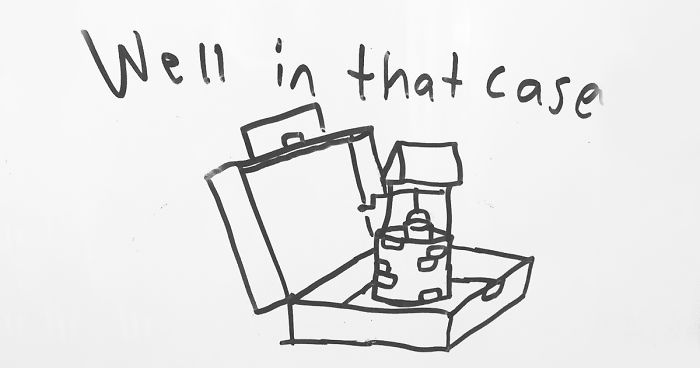
That is exactly what happened with Jake, the teen artist behind Jake’s Door Comics. At 14, he began drawing comics on a small whiteboard hanging on his bedroom door. His dad, David, noticed that these were not random doodles destined to be erased and forgotten. They had timing. They had wit. They had the slightly chaotic charm of a young mind looking at the world and finding the punchline adults had missed.
So David did what many proud parents dream of doing but few manage to pull off without embarrassing everyone involved: he asked permission, posted the comics online, and watched people fall in love with them.
The Origin Story: From Word of the Day to Daily Comics
Like many great creative projects, Jake’s comics started small. According to public interviews about the project, Jake first used the whiteboard for a “word of the day” after being inspired by a spelling bee movie. It was a sweet family idea, but eventually the daily hunt for interesting words became less exciting. The blank whiteboard, however, stayed there on the door, silently begging for mischief.
Then came doodles. Then came comics. Then came a dad quietly realizing that his son’s casual drawings were better than half the jokes floating around online, and possibly more emotionally stable than most comment sections.
After Jake had created dozens of comics, David asked if he could share them on Instagram. Jake was hesitant at first, which is understandable. Putting your art online can feel like tossing your diary into a stadium and waiting to see whether people clap or throw nachos. But Jake eventually agreed. The response was immediate. The page reportedly gained thousands of followers within days, and Jake’s once-private door comics became a public creative project.
Why People Loved Jake’s Comics
The internet is not exactly famous for being gentle. It can turn on a poorly phrased sandwich opinion in seconds. That is why the warm reaction to Jake’s comics stood out. People praised his humor because the comics felt fresh, clever, and surprisingly observant.
Part of the charm was the format. A whiteboard comic has no room for overexplaining. There is no long setup, no dramatic background music, no 43-minute podcast introduction before the joke finally arrives wearing slippers. A good whiteboard comic has to work quickly. The drawing needs to be clear, the idea needs to land, and the punchline needs to do its job before the marker dries out.
Jake’s humor also worked because it had range. Some jokes leaned into puns. Some played with everyday absurdity. Others showed a surprisingly mature understanding of adult behavior, corporate logic, loopholes, social habits, and the strange little contradictions of modern life. In other words, it was the kind of comedy that makes people laugh and then feel mildly concerned that a teenager may already understand taxes, advertising, and human foolishness better than they do.
The Secret Ingredient: A Supportive Parent Who Asked First
One of the best parts of this story is not just that David shared Jake’s art. It is that he reportedly asked Jake for permission before doing it. That detail matters.
Parents naturally want to celebrate their kids. The fridge exists largely because children produce art and adults need a sacred gallery next to the milk. But the internet is not a refrigerator. It is searchable, shareable, screenshot-able, and occasionally full of strangers with usernames like “LasagnaWarrior47.” When a child’s creative work goes online, consent and boundaries matter.
David’s approach turned the project into a collaboration rather than a parent taking over a child’s moment. He saw something special, encouraged it, and helped his son reach an audience while still respecting that the comics belonged to Jake. That is the parenting sweet spot: supportive, not pushy; proud, not performative.
What Jake’s Door Comics Says About Teen Creativity
Teenagers are often described in dramatic terms: moody, glued to screens, allergic to laundry baskets. But stories like this show another side. Teens are also funny, observant, experimental, and capable of turning ordinary spaces into creative studios.
Jake did not need a professional art room, expensive software, or a marketing plan. He had a whiteboard, markers, an idea, and the habit of making something regularly. That routine is powerful. Creativity becomes less intimidating when it becomes part of daily life. Instead of waiting for a lightning bolt of inspiration, Jake built a small system: think of a joke, draw it, share it, repeat.
Comics are especially good for young creators because they combine writing, drawing, pacing, design, and storytelling. A comic artist has to decide what to show, what to leave out, where the reader’s eye should go, and when the joke should land. That is not just doodling. That is visual communication with a punchline wearing sneakers.
Why Comics Are More Than “Just Funny Pictures”
For years, some people dismissed comics as lightweight entertainment. Thankfully, that view has aged about as well as dial-up internet. Graphic novels and comics are now widely recognized as valuable tools for reading, visual literacy, storytelling, and creative confidence.
Comics ask readers to do several things at once. They read text, interpret images, notice facial expressions, understand sequence, infer meaning between panels, and follow emotional shifts. That is serious brain work disguised as fun. It is broccoli wearing a superhero cape.
For young creators, making comics can be even more valuable. They learn editing because there is limited space. They learn clarity because confusing panels ruin the joke. They learn persistence because not every idea works the first time. And they learn audience awareness because humor depends on timing, surprise, and shared understanding.
Jake’s comics became popular not because they were polished by a studio, but because they felt alive. They showed a young creator testing ideas in public and discovering that people connected with his sense of humor.
The Internet Can Be a Creative Launchpad
The online response to Jake’s work shows one of the internet’s better uses: helping a creative kid find encouragement. Social media is often criticized, and often for good reason. It can be overwhelming, addictive, harsh, and messy. But it can also help artists reach people who would never see their work otherwise.
For a teen artist, that kind of positive feedback can be motivating. Knowing that strangers enjoy your comics can transform a hobby into a disciplined practice. It can push a young creator to keep improving, to take the next idea seriously, and to understand that creativity is not only something you do alone in your room. It can become a conversation.
Still, families should be thoughtful. A teen comic page can be fun and safe when adults help manage privacy, comments, boundaries, and expectations. The goal should never be to turn a kid into a content machine. The goal is to support the child’s creativity while protecting the child’s wellbeing.
What Parents Can Learn From This Story
There is a simple parenting lesson tucked inside this viral comic story: pay attention to what your kids make when nobody is grading them.
Children and teens often reveal their strongest interests in the small things they do voluntarily. The notebook sketches. The weird Minecraft builds. The songs recorded on a phone. The jokes written on a whiteboard. The elaborate fictional universe explained at dinner while the pasta slowly loses hope.
Parents do not need to understand every reference or become instant experts. They just need to notice. A sincere “This is clever” can matter more than a lecture. A question like “How did you come up with that?” can open a door. And sometimes, with permission, sharing the work can give a young creator the confidence to keep going.
How to Encourage a Young Comic Artist at Home
Give Them a Low-Pressure Space
A whiteboard worked for Jake because it was casual. It was not a museum canvas. It could be erased. That lowered the stakes. Parents can recreate that feeling with sketchbooks, dry-erase boards, sticky notes, tablets, or even a designated wall calendar where ideas can appear without judgment.
Praise the Process, Not Just the Result
Instead of only saying, “That’s good,” try noticing effort: “That punchline surprised me,” “I like how you used the expression,” or “The timing in the last panel works.” Specific praise helps kids understand what they are doing well.
Let the Kid Own the Project
If a child’s work goes online, the child should have a voice in what gets posted, how they are identified, and when they want to stop. A creative project should feel exciting, not like homework with hashtags.
Keep the Internet in Its Proper Place
Online praise is fun, but it should not become the only reason to create. The healthiest creative habits are built on curiosity, play, and personal satisfaction. Likes are nice. Making something you are proud of is better.
The Humor Behind the Hype
What makes Jake’s story so enjoyable is that it feels human. A kid draws jokes on his bedroom door. A dad laughs. The dad thinks, “Other people might laugh too.” The internet, for once, agrees. Nobody had to launch a giant campaign or invent a ten-step brand funnel. The whole thing began with boredom, a blank whiteboard, and a family that paid attention.
That is also why the story resonates with so many readers. It reminds us that creativity does not always arrive with dramatic music. Sometimes it sneaks in through a bedroom door, holding a marker and making a joke about life.
Experience-Based Reflections: What This Story Feels Like for Parents, Teens, and Anyone Who Has Ever Made Something Weird
There is something wonderfully familiar about this story, even for people who have never drawn a comic in their lives. Almost everyone has had a small private hobby that felt too strange, too silly, or too unfinished to show anyone. Maybe it was drawing characters in the margins of a notebook. Maybe it was writing jokes no one asked for. Maybe it was building tiny worlds, making videos, inventing stories, or creating memes that only three friends understood. Creative confidence often begins in private, where the stakes are low and the audience is forgiving.
For parents, Jake and David’s story is a reminder that encouragement does not have to be grand. You do not need to rent a billboard that says, “My child has artistic potential,” although somewhere a very intense parent has probably considered it. Sometimes support is simply noticing, laughing honestly, saving the work, and asking, “Would you like to share this?”
That question matters because teenagers are in the middle of figuring out who they are. They want recognition, but they also want control. They want independence, but they still need backup. When adults rush in and take over, a fun project can suddenly feel like a family business meeting. But when adults ask permission and offer help, the teen remains the creator. That can make all the difference.
For young artists, the story is also a useful lesson in consistency. Jake did not become interesting because he waited for the perfect idea. He kept making comics. Some were probably stronger than others, as with any creative work. That is normal. Every artist has drafts, experiments, and ideas that deserve to be quietly erased before breakfast. The important part is returning to the board again and again.
There is also a lesson here about humor. Funny ideas often come from paying close attention. A good comic can grow out of a tiny observation: the way adults use office language to avoid saying anything, the strange logic of everyday rules, the drama of simple decisions, or the absurdity of things everyone accepts as normal. Teenagers can be excellent at this because they are old enough to understand the world but still new enough to question it. They have not yet fully surrendered to phrases like “per my last email.” Lucky them.
Finally, this story highlights the value of small creative rituals. A whiteboard on a door is not fancy, but it creates a place for ideas to land. Families can learn from that. Put the sketchbook where it is easy to grab. Keep markers nearby. Make room for jokes at dinner. Treat creative experiments as part of life, not interruptions to it. The next charming project may not go viral, and that is perfectly fine. The real win is a young person learning that their ideas are worth developing.
Jake’s Door Comics became popular because the humor was good, but the heart of the story is bigger than internet applause. It is about a parent recognizing a spark, a teenager taking a chance, and a simple whiteboard proving that creativity does not need permission from the world before it begins. It only needs a little space, a little encouragement, and maybe a marker that has not dried out from being left uncapped. Every household has its own version of that whiteboard. The trick is noticing it before someone erases the joke.
Conclusion
Jake’s viral comics show how a small family moment can become something much bigger when talent, humor, and support meet at the right time. His dad did not manufacture the magic; he noticed it. That is why the story works. A 14-year-old’s bedroom-door drawings became a reminder that kids have sharp voices, strange insights, and creative instincts worth taking seriously.
For readers, the appeal is simple: the comics are funny. But beneath the laughs is a deeper message about parenting, permission, creativity, and the power of giving young people a safe place to share what they make. In a noisy online world, Jake’s Door Comics offered something refreshingly sincere: a teenager’s imagination, a proud dad’s support, and a whole lot of people happily admitting that yes, the kid is genuinely hilarious.

