
Beauty Tools & Accessories
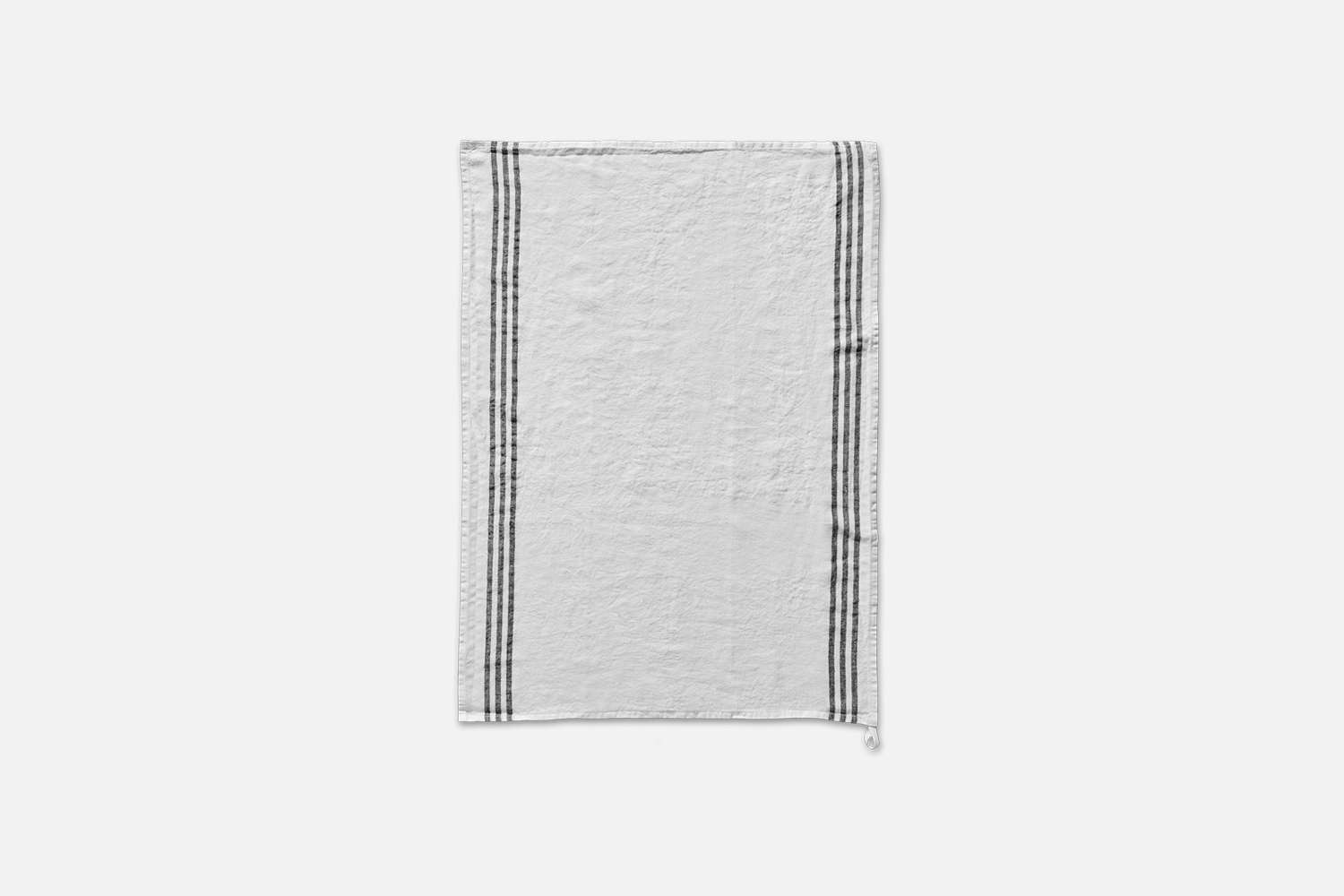
Off White Striped Pre-Washed Linen Tea-Towel
Jul
Some kitchen upgrades arrive in large boxes and demand an instruction manual. Others simply hang beside the sink and make the room look better while quietly doing half a dozen jobs. An off white striped pre-washed linen tea-towel belongs to the second group.
This flat-woven kitchen cloth can dry glassware, cover rising dough, line a bread basket, polish flatware, catch condensation, wrap a small gift, and rescue the counter after an ambitious coffee pour. The off-white background feels warmer than optic white, while stripes add visual order without turning the kitchen into a nautical costume party.
Pre-washing is the detail that makes the towel welcoming from the start. Instead of arriving stiff and ceremonial, the linen feels relaxed, lightly textured, and ready for daily work. It still wrinkles, of course. Perfectionists call those creases; linen owners call them proof of life.
What Makes This Linen Tea Towel Special?
A tea towel is generally lighter and flatter than a plush terry towel. That construction makes it useful for drying dishes and polishing delicate surfaces without leaving much lint behind. Linen adds natural strength, moisture-wicking performance, and relatively quick drying.
Pre-Washed Linen Feels Better Immediately
Untreated linen can feel crisp when new. Pre-washed linen has already undergone a laundering or softening process that relaxes the fabric, producing a softer hand and casual drape. Some later shrinkage may still occur, so the care label remains the final authority. With regular use, quality linen often becomes more supple rather than simply looking tired.
Off White Creates a Warm, Versatile Base
Off white sits comfortably among cream, ivory, oatmeal, and natural flax tones. It pairs easily with wood cutting boards, stone counters, stainless steel, brass hardware, painted cabinets, and open shelving. It is also less visually severe than brilliant white, though tomato sauce will still make its presence known with great confidence.
Stripes Work Across Decorating Styles
Thin ticking stripes feel classic and cottage-inspired. Wider bands appear modern and graphic. Uneven woven lines suggest artisan textiles, while a simple border stripe recalls traditional utility linens. The pattern is interesting enough for display yet neutral enough to live beside colorful cookware and patterned dishes.
Why Linen Works Well in the Kitchen
Quick Drying for Daily Rotation
A kitchen towel spends much of its life getting damp and trying not to stay that way. Linen’s moisture-wicking nature and airy flat weave help it release moisture efficiently. Hang the towel open rather than leaving it crumpled by the faucet, where even excellent fabric cannot perform miracles.
Low-Lint Polishing
Flat-woven linen is especially useful for wine glasses, tumblers, flatware, and serving pieces. Reserve a clean, dry towel for polishing. A cloth that just wiped butter from the counter should not be promoted immediately to champagne-flute duty.
Strength Without Bulk
Linen fibers are naturally strong, making the towel suitable for repeated folding, hanging, and laundering. Its light weight also saves drawer space. A small stack can stand upright in a drawer or sit neatly in a basket, with separate towels assigned to dishes, hands, food preparation, and spills.
A Reusable Alternative for Routine Jobs
A washable striped kitchen towel can replace paper in many low-drama tasks: drying produce, wiping water around the sink, covering baked goods, lining a tray, or cleaning a minor spill. It need not eliminate every disposable product to be useful; it simply handles repetitive jobs well.
Everyday Uses for an Off White Striped Linen Tea Towel
Dry Dishes and Cookware
Use the towel for plates, mugs, utensils, stainless-steel cookware, and glassware. Let very wet dishes drain briefly so the cloth does not become saturated immediately. It can also hand-dry a wooden cutting board before the board is stood on edge to finish air-drying.
Cover Dough and Baked Goods
A clean linen towel can loosely cover resting dough, protect cooling rolls, or keep biscuits warm in a basket. Towels used around food are best washed with an unscented or lightly scented detergent and rinsed thoroughly.
Style Baskets, Trays, and Tables
Fold the towel into a bread basket, place it beneath a pitcher to catch condensation, or use it under a casual coffee service. The warm neutral color makes a table feel composed with almost no effortthe textile equivalent of brushing your hair before opening the front door.
Polish Glass and Metal
Keep one towel especially clean for polishing. Lightly dampen a corner when needed and finish with a dry section. Do not use the same cloth for cleaning chemicals and food-contact items, regardless of how wholesome the stripes look.
Wrap a Simple Gift
Wrap the towel around a loaf of bread, wooden spoon, bottle of olive oil, or small cookbook and secure it with cotton twine. The wrapping becomes part of the present, avoiding the mysterious family gift bag that has circulated since 2014.
How to Choose a Quality Pre-Washed Linen Tea Towel
Read the Fiber Label
For the characteristic texture of linen, look for 100 percent linen or flax. Linen-cotton blends may feel softer and can perform very well, but they behave differently from pure linen. Choose according to whether you prefer linen’s lightness and quick drying or a blend’s more familiar softness.
Inspect the Weave and Hems
Hold the towel to the light and look for an even weave, secure stitching, and straight edges. Reinforced hems matter because kitchen textiles face frequent washing. Mitered corners are attractive, but a neatly sewn double-fold hem can be just as durable.
Choose a Useful Size
Many versatile tea towels measure roughly 18 by 28 inches, although sizes vary. Smaller cloths work well near a coffee station; larger ones are better for cookware, bread wrapping, or an improvised drying layer. The towel should offer enough surface area without dragging through the sink.
Look for a Hanging Loop
A sturdy loop lets the towel hang from a hook or cabinet knob with better airflow than it receives when folded heavily over a rail. This small feature helps a damp towel dry instead of sulking in a heap.
Match the Care Routine to Real Life
Some linen towels recommend cold washing and air-drying; others permit warm water and low tumble drying. A beautiful towel that demands a routine you will never follow is not a practical purchase. Know thyselfand thy laundry habits.
How to Wash and Care for Linen Tea Towels
Wash Before the First Use
Even a pre-washed towel should be laundered before kitchen use. Washing removes dust or handling residue from manufacturing, packing, and shipping and reveals how the fabric behaves before it meets delicate glassware or fresh bread.
Use Cool or Lukewarm Water
Follow the manufacturer’s instructions first. In general, cool or lukewarm water with a gentle or normal cycle helps protect color, shape, and fibers. A heavily soiled kitchen load may require more thorough washing, but extreme heat should not be the automatic choice for every towel.
Treat Stains Promptly
Blot spills instead of rubbing them deeper into the weave. Apply a suitable stain treatment or a small amount of liquid detergent, allow it to work briefly, and wash according to the label. Coffee, oil, wine, and tomato stains become far more determined after settling in overnight.
Skip Fabric Softener
Fabric softener and dryer sheets can coat fibers and reduce absorbency. Linen softens naturally through use and washing, so it does not need a waxy shortcut.
Be Careful With Bleach
Chlorine bleach can weaken natural fibers and alter an off-white background or colored stripe. Use only treatments allowed by the care label and test unfamiliar products on a hidden area first.
Air-Dry or Use Low Heat
Air-drying is gentle and helps limit heat-related shrinkage. Shake the towel, smooth the hems, and hang it with room for airflow. When machine drying is allowed, choose low heat and remove the towel while slightly damp rather than baking it into a crispy rectangle.
Acceptor Pressthe Wrinkles
For everyday use, smooth the towel by hand and let its texture show. For a formal table, iron it while slightly damp at the temperature recommended on the label. Ironing the sink-wiping towel is optional unless it provides genuine emotional fulfillment.
Kitchen Hygiene: Give Each Towel One Main Job
Keep one towel for clean dishes, one for hands, and a sturdier cloth for messy counter work. Anything that touches raw meat juices should go directly to the laundry. Let damp towels dry before placing them in a hamper, wash them separately from delicate clothing when practical, and keep enough in rotation that reaching for a fresh one feels easy rather than extravagant.
How to Style an Off-White Striped Towel
Modern Farmhouse
Pair charcoal stripes with white oak, matte black hardware, and simple stoneware. Hang the towel from a wooden peg for warmth without needing a decorative sign that says “Gather.”
Coastal and Casual
Choose faded blue, gray, or sand stripes with pale wood, woven baskets, and soft ceramics. Keep the palette restrained so the result suggests fresh air rather than a lighthouse-shaped souvenir shop.
Minimalist or Traditional
Narrow taupe or black stripes suit minimalist rooms, while navy, rust, red, or olive can echo vintage utility linens. Linen’s softened wrinkles add character in either setting.
Real-Life Experience: Living With a Pre-Washed Linen Tea Towel
The first thing I noticed about an off white striped pre-washed linen tea-towel was that it did not behave like a new textile. There was no stiff, glossy “admire me from a respectful distance” phase. It came out of its first wash slightly rumpled, soft at the folds, and ready to hang beside the sink. The stripes gave the kitchen a finished look even when the counter held three coffee mugs and a bowl containing exactly one aging lemon.
During the first week, I assigned it to dish duty. It handled glasses especially well. A plush towel can leave a few fibers behind, but the flat linen surface polished tumblers and wine glasses with less lint. It was not the champion for absorbing a large puddle in one theatrical swipe; a thick bar mop won that contest. The linen towel did, however, dry much faster after ordinary use. When I returned to the kitchen, it was usually ready again instead of hanging there with the emotional energy of a wet sock.
The towel proved even more useful during baking. I placed it over a bowl of rising dough, shook it out later, and used it beneath a cooling rack. At dinner, it lined a basket of rolls. The off-white background looked warmer than bright white under evening light, and the stripe made the basket feel styled without becoming fussy. That is a valuable quality in a kitchen textile: it can look thoughtful while requiring almost no actual thought.
Using it as a hand towel exposed the importance of rotation. Linen dries quickly, but no cloth enjoys serving several people all day and then being folded into a damp accordion. Hanging it fully open made a clear difference. After a busy cooking session, I swapped in a fresh towel instead of asking one cloth to dry hands, wipe counters, and polish dishes. Separating jobs kept the cleaner towel genuinely clean.
Stains were the reality check. Off white hides minor water marks, but coffee and tomato sauce remain enthusiastic. Blotting quickly with cool water and a little detergent prevented both spills from becoming permanent. I avoided chlorine bleach because I did not want to weaken the linen or fade the stripe. After a gentle wash and air-drying, the cloth looked relaxed rather than pristineand that suited it.
Over several washes, the linen became softer and easier to fold. Air-drying gave it a slightly crisp texture, while one low-heat dryer cycle made it softer and more wrinkled. Neither result was bad, just different. A quick press made it polished enough for the table, but ironing never felt necessary for everyday work.
The most surprising benefit was how often I reached for the towel beyond drying dishes. It became a tray liner, muffin cover, cushion beneath a slippery mixing bowl, and reusable wrapping for a hostess gift. Unlike a novelty towel with a seasonal slogan, it did not spend eleven months hiding in a drawer until pumpkins became socially acceptable again.
My practical verdict is that a linen tea towel works best as part of a small team. Keep a thicker cotton cloth for major spills and a dedicated rag for greasy cleanup. Let the linen handle glassware, hands, bread, serving, and light daily tasks where quick drying and low lint matter. In that role, the off white striped linen tea towel earns its place not because it is glamorous, but because it makes ordinary kitchen work feel more orderly and considerably better dressed.
Final Thoughts
An off white striped pre-washed linen tea-towel balances utility with timeless style. Linen provides strength, low-lint polishing, and efficient drying; pre-washing adds immediate softness; and the warm striped design fits many kitchens.
Choose secure hems, a useful size, clear fiber labeling, and realistic care instructions. Wash before use, treat stains promptly, avoid softener and excessive heat, and keep clean-dish towels separate from messy-cleanup cloths. That simple system keeps the attractive towel attractiveand prevents a wineglass from smelling faintly of last night’s garlic sauce.
Note: Product construction, dyes, and finishing methods vary. Always follow the care label supplied with your linen tea towel, especially when treating stains or using whitening products.

