
Body Care
Cycle Syncing Nutrition and Exercise
May
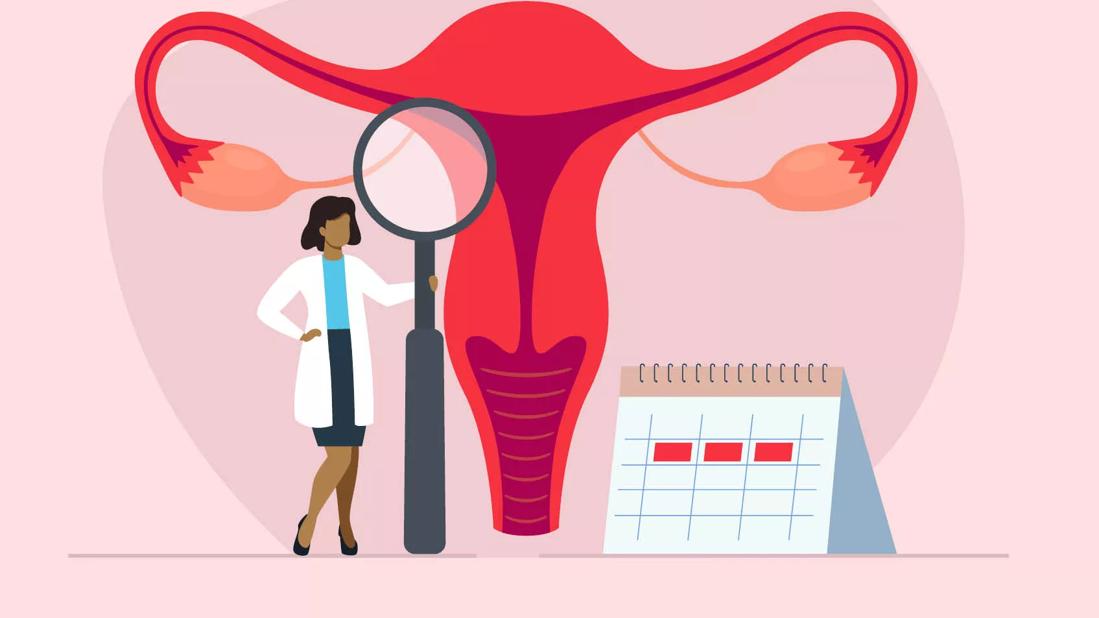
Somewhere between “just push through it” gym culture and “your hormones are running the entire company” wellness culture, cycle syncing landed with the confidence of a motivational speaker holding a green juice. The idea sounds simple: eat and train according to the phases of your menstrual cycle. In practice, though, it is a little less magical and a lot more nuanced.
Here is the good news: paying attention to your cycle can absolutely help you understand your energy, cravings, mood, recovery, and exercise preferences. Here is the less glamorous news: there is not strong evidence that every person with a menstrual cycle should follow a rigid, four-phase training plan like it is written into the laws of the universe. Your body is not a spreadsheet. It is more like a smart, slightly dramatic roommate that sends clues if you pay attention.
That is why the best approach to cycle syncing nutrition and exercise is not perfection. It is awareness. Think of it as using your cycle as a guide, not a dictator. Instead of forcing your body into a trendy plan, you build a routine that respects symptoms, supports performance, and keeps your nutrition steady enough that your hormones are not left doing all the heavy lifting.
What Cycle Syncing Really Means
Cycle syncing is the practice of adjusting food choices, exercise intensity, recovery, and sometimes even work or social expectations based on the different phases of the menstrual cycle. Most discussions break the cycle into four phases: menstrual, follicular, ovulatory, and luteal. Hormone levels shift across these phases, and many people notice changes in energy, hunger, temperature tolerance, sleep, bloating, or motivation.
That does not mean your body suddenly becomes allergic to dumbbells on day 26. It means you may feel and perform differently at different times, and it is smart to notice those patterns. For some people, the first day or two of bleeding may call for walking, mobility work, or a shorter workout. For others, a period is barely a blip. Both experiences are normal.
The most evidence-based way to think about cycle syncing is this: build a strong foundation first, then make small adjustments for comfort, recovery, and consistency. In other words, do not swap common sense for a color-coded hormone horoscope.
The Ground Rules Before You Sync Anything
1. Prioritize overall nutrition before phase-specific tweaks
No phase hack can rescue a pattern of under-eating, low protein intake, poor hydration, or random “coffee counts as breakfast” behavior. Start with balanced meals, enough calories, regular hydration, fiber-rich carbohydrates, healthy fats, and protein spread throughout the day. That foundation matters more than whether you ate pumpkin seeds during the follicular phase because somebody on social media said the moon likes it.
2. Keep exercise consistent across the month
Most adults benefit from a regular mix of aerobic work, strength training, mobility, and recovery. Cycle syncing works best when it fine-tunes a sustainable routine, not when it replaces one. You do not need a totally different personality every week.
3. Track symptoms, not just dates
Many people do not have a perfect 28-day cycle. Some cycles are shorter, some longer, and some are irregular. Track bleeding days, sleep, cramps, mood, cravings, digestion, energy, and workout performance for two to three months. That gives you real data from your actual body instead of generic internet vibes.
4. Know when not to force it
If you are on hormonal birth control, in perimenopause, postpartum, have PCOS, have a history of disordered eating, or have irregular or absent periods, a rigid cycle-syncing plan may not fit well. In those cases, symptom-based adjustments usually make more sense than following a textbook phase chart.
How to Eat and Train Across the Four Phases
Menstrual Phase: Lower the Pressure, Raise the Comfort
This is the bleeding phase, and it is often the one that gets the most attention because, frankly, it tends to arrive with the subtlety of a marching band. Energy may dip. Cramps, bloating, headaches, low mood, or fatigue may show up. Some people feel fine. Others feel like their uterus has a personal grudge.
Nutrition focus: Think iron, hydration, and easy-to-digest, satisfying meals. Because menstrual blood loss can contribute to lower iron stores over time, iron-rich foods deserve a regular spot on the menu. Good options include lean red meat, poultry, beans, lentils, tofu, spinach, fortified cereals, and pumpkin seeds. Pair plant-based iron sources with vitamin C-rich foods like berries, citrus, bell peppers, or tomatoes to improve absorption.
This phase is also a smart time to simplify meals. Warm soups, oatmeal, eggs, yogurt, smoothies, rice bowls, and easy protein-forward snacks often feel more appealing than complicated meal-prep masterpieces. If cramping or nausea is part of your monthly plot twist, gentler foods can be a lifesaver.
Exercise focus: If symptoms are mild, you can absolutely continue your normal workouts. If you feel wiped out, there is no trophy for suffering through max-effort intervals while angry at everyone. Walking, yoga, Pilates, light cycling, mobility work, or a short strength session can feel better. The goal is not to become inactive. The goal is to match effort to how you feel.
Follicular Phase: Build Momentum
After your period ends, many people notice an upswing in energy and motivation. This phase is often when workouts feel smoother, recovery feels quicker, and the general mood is, “Maybe I am a person who enjoys life.” If your body tends to feel more ready here, it is a smart time to gradually increase training volume or try more challenging sessions.
Nutrition focus: Emphasize balanced meals with quality carbohydrates for energy, protein for recovery, colorful produce for micronutrients, and healthy fats for fullness. Fruit, oats, potatoes, beans, Greek yogurt, chicken, fish, nuts, seeds, olive oil, and plenty of vegetables all work well here.
This is not the phase for under-eating just because you feel good. Better energy often leads to more activity, which means your body still needs fuel. If you are training harder, your meals should reflect that.
Exercise focus: Many people feel good doing strength training, moderate-to-higher-intensity cardio, skill work, or progressive overload in this phase. If you have been waiting for a week to add weight, try a faster interval session, or return to a more structured training rhythm, this can be a practical time to do it.
Ovulatory Phase: Peak Energy, With a Side of Common Sense
Around ovulation, some people feel social, energetic, and physically strong. Others feel almost no difference. This is often the phase that gets framed like your body turns into a sports car. Sometimes it does. Sometimes it turns into a normal sedan with decent gas mileage. Both are acceptable.
Nutrition focus: Stay steady with protein, carbohydrates, fluids, and meals that support training. If you are working out harder, hydration matters even more. Balanced pre- and post-workout meals can help maintain energy and support recovery. A practical formula is simple: carbs before or around activity, then protein and carbs after.
Exercise focus: If you feel strong, this can be a good time for higher-intensity training, longer sessions, speed work, or heavier lifting. But this is where cycle syncing should stay grounded in reality. Feeling good is a green light for intelligent training, not a dare. Good warm-ups, smart progression, and recovery still matter.
Luteal Phase: Support Recovery and Respect Hunger
The luteal phase is often where cycle syncing either becomes useful or becomes comedy. This is the time when some people feel stable and productive, while others experience bloating, irritability, breast tenderness, lower motivation, sleep changes, and the kind of snack cravings that make a sleeve of crackers disappear under mysterious circumstances.
Nutrition focus: Do not panic if you feel hungrier. Appetite may rise in the week before your period. Instead of trying to “be good,” build meals that include protein, fiber-rich carbohydrates, and healthy fats. Think salmon with rice and vegetables, turkey chili with beans, Greek yogurt with berries and granola, or toast with eggs and avocado. Those meals are more likely to satisfy you than trying to survive on air, discipline, and a sad handful of baby carrots.
Some people also feel better when they reduce highly salty foods if bloating is an issue and go a little easier on excess caffeine, sugar, or alcohol if those worsen symptoms. Calcium-rich foods such as yogurt, milk, fortified plant milk, tofu, and cheese may also fit well here, especially if PMS is part of your monthly routine.
Exercise focus: You may still crush workouts in the early luteal phase. Later on, some people prefer moderate-intensity strength work, steady-state cardio, swimming, walking, yoga, or slightly longer warm-ups and more recovery time. Adjusting your training here is not laziness. It is strategy. There is a difference.
What to Eat Around Workouts, No Matter the Phase
One of the biggest mistakes in cycle syncing is focusing on phase-specific foods while ignoring workout fueling basics. Your body still follows the same broad performance rules all month.
Before exercise
Eat a meal or snack with carbohydrates and some protein one to three hours before training. Good options include oatmeal with peanut butter, yogurt with fruit, toast with eggs, or a banana with a protein shake. If you are exercising first thing in the morning and cannot tolerate much food, even a small carb-based snack can help.
After exercise
Try to refuel with protein soon after harder training, ideally paired with carbohydrates if your next meal is not close. A smoothie with fruit and protein, chocolate milk, chicken and rice, cottage cheese with fruit, or Greek yogurt with granola all do the job nicely without requiring a laboratory or an influencer discount code.
Hydration
Hydration is not glamorous, but it is one of the easiest ways to support exercise performance, digestion, and overall well-being. If you sweat heavily, train in hot weather, or notice headaches and fatigue around your cycle, fluids and electrolytes matter even more.
Red Flags: When Cycle Syncing Should Not Stay DIY
Cycle syncing should support health, not become another set of rules that makes you anxious around food or exercise. If you have very heavy bleeding, severe pain, missing periods, frequent dizziness, signs of iron deficiency, significant fatigue, or a pattern of under-fueling while exercising a lot, it is time to check in with a healthcare professional.
This is especially important for athletes and highly active people. Low energy availability can disrupt periods and harm bone health. If your cycle becomes irregular or disappears, do not treat that like a fitness badge. Your body is not congratulating you. It is sending a complaint.
The Best Way to Make Cycle Syncing Work in Real Life
If you want cycle syncing to be practical, stop thinking in absolutes. You do not need a completely different grocery list, playlist, and personality every week. Instead, use a flexible framework:
- Keep protein, fiber, hydration, and overall calories consistent.
- Use symptom tracking to identify your real patterns.
- Train hard when you feel capable, not because an app says your hormones are feeling festive.
- Scale back when cramps, poor sleep, or fatigue make recovery harder.
- Support PMS with regular exercise, balanced meals, sleep, and stress management.
- Focus on long-term consistency over phase-by-phase perfection.
That is the version of cycle syncing that actually holds up in adult life. It is grounded, realistic, and far less likely to leave you wondering whether one missed seed mix ruined your endocrine destiny.
Real-Life Experiences With Cycle Syncing Nutrition and Exercise
What does cycle syncing look like when it leaves the internet and enters actual human life? Usually, it looks less dramatic and more practical. A common experience is simply realizing that the same workout does not always feel the same from week to week. Someone who normally enjoys strength training may notice that on the first day of her period, squats feel heavier, her patience is thinner, and a 30-minute walk plus mobility work feels far more productive than pretending she is ready for a personal record. A few days later, her energy returns, and she naturally leans back into lifting without needing a motivational speech from the universe.
Another very relatable experience happens in the late luteal phase. A person who usually feels calm around food may suddenly want crunchy snacks, chocolate, bread, and every carb within sight. When she ignores that hunger and tries to “eat clean” by cutting portions, she often ends up raiding the pantry later. But when she plans for that phase with fuller meals, extra fiber, enough protein, and satisfying snacks, cravings feel less chaotic. The difference is not a miracle cure. It is simply meeting the body’s needs before it starts yelling.
Many people also report that tracking their cycle improves workout planning even if they never follow a strict phase-based program. For example, someone training for a 10K might notice that certain weeks are better for speed sessions, while the days before her period are better for steady runs and extra recovery. She is still training consistently. She is just no longer shocked every month when a hard workout feels harder. That shift alone can reduce frustration and improve confidence.
There are also people who discover that cycle syncing is less about optimization and more about permission. Permission to swap a hard spin class for a walk when cramps are intense. Permission to eat more at dinner when premenstrual hunger is real. Permission to stop assuming that every off day is a character flaw. For many, that mindset change is the most helpful part.
Of course, not everyone notices dramatic cycle-based changes. Some people track for months and find only mild shifts in appetite or mood. Others on hormonal birth control may not see clear phase patterns at all. That is useful information too. It means their routine can stay fairly stable, with only occasional symptom-based adjustments. In other words, success does not require a dramatic chart. It requires awareness.
A practical pattern that comes up again and again is this: the more consistent someone is with sleep, hydration, balanced meals, and realistic training, the easier it becomes to notice what is truly cycle-related. When life is pure chaos, every week feels like a hormonal mystery novel. When the basics are in place, patterns become easier to spot. Maybe headaches show up during the last few days before bleeding. Maybe heavy strength work feels great mid-cycle. Maybe bloating improves when restaurant food, alcohol, and ultra-salty snacks are dialed down during the luteal phase. Those patterns are personal, and they matter more than generic advice.
The most successful cycle syncing experiences usually have one thing in common: flexibility. The people who benefit most are not treating the cycle like a rigid command center. They are using it as context. They know when to push, when to refuel, when to add recovery, and when to stop being offended that their body is acting like a body. And honestly, that may be the healthiest fitness lesson of all.
Conclusion
Cycle syncing nutrition and exercise can be genuinely helpful when it is used as a flexible, evidence-aware tool. It can help you notice energy patterns, support PMS, plan recovery, and make smarter choices around food and movement. But it works best when it sits on top of strong basics: enough fuel, regular exercise, hydration, sleep, and realistic expectations.
So yes, pay attention to your cycle. Learn from it. Adjust when you need to. But do not let wellness culture convince you that your body needs a complicated monthly operating manual just to function. Sometimes the smartest strategy is beautifully unsexy: eat well, train consistently, recover properly, and listen when your body whispers before it has to yell.

