
Beauty Tools & Accessories
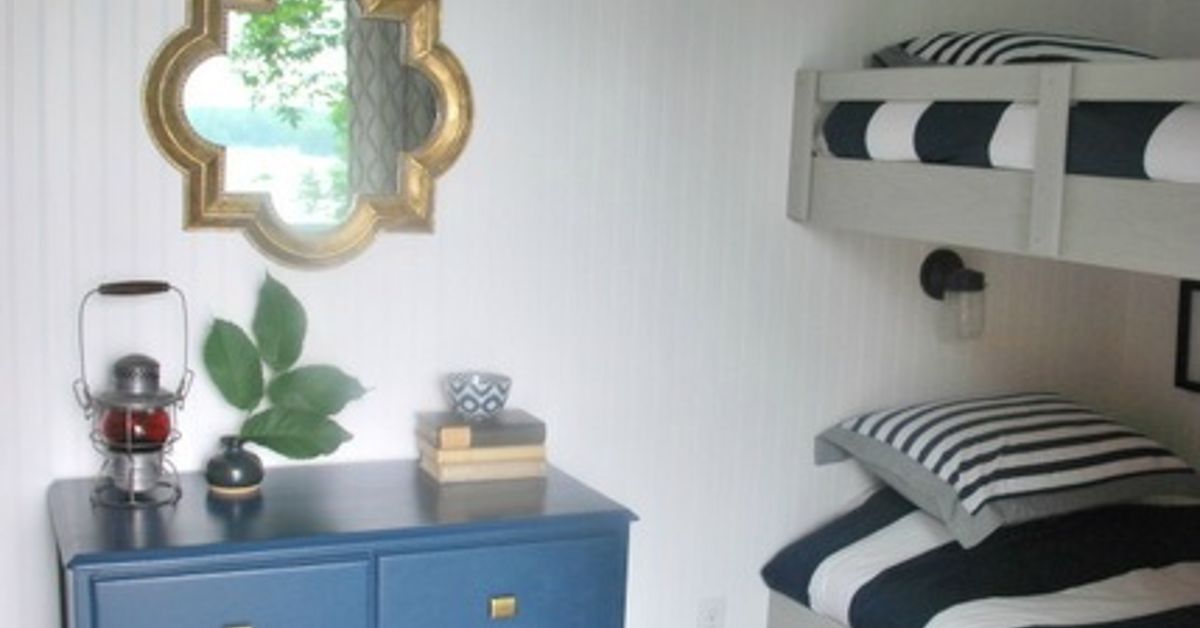
Cottage Bunk House Makeover
Jun
A cottage bunk house makeover is one of those projects that sounds charmingly simple until you realize the room has to behave like a tiny hotel, summer camp, guest suite, storage closet, reading nook, luggage zone, and possibly a rainy-day board-game arena. No pressure. The good news is that a bunk house is already designed for togetherness, and cottage style is wonderfully forgiving. A nick in the paint? Character. A mismatched quilt? Personality. A wicker basket that has seen things? Vintage charm, darling.
Whether you are refreshing a lakeside cabin, converting a garage loft, transforming a small guest cottage, or simply making one bedroom sleep more people without turning it into a mattress warehouse, the goal is the same: create a cozy, practical, safe, and beautiful space that feels intentional. The best cottage bunk house makeover blends built-in sleeping zones, clever storage, soft color, natural texture, layered lighting, and a few nostalgic details that make guests say, “I call top bunk,” even if they are old enough to have a mortgage.
What Is a Cottage Bunk House?
A cottage bunk house is a compact sleeping space designed to host multiple guests, often in a vacation home, lake house, beach cottage, backyard guesthouse, cabin, or converted outbuilding. Unlike a regular bedroom, it usually prioritizes maximum sleeping capacity and easy maintenance. Unlike a summer camp cabin, however, it does not have to smell like damp socks and questionable bug spray.
The cottage look typically includes painted wood, beadboard, tongue-and-groove walls, vintage-inspired lighting, striped or floral bedding, woven storage, soft neutrals, weathered finishes, and cheerful color accents. The room should feel casual, not precious. People should feel comfortable tossing a duffel bag on the bench, pulling a quilt around their shoulders, and reading until the wall sconce gently tells them to go to sleep.
Start With the Layout: Function Before Fluff
Before choosing paint colors or ordering adorable striped pillows, measure everything. A successful bunk house makeover starts with a floor plan. Measure wall lengths, ceiling height, window placement, outlet locations, door swings, heater vents, and any awkward corners. The charming little nook that looks perfect for a bunk bed may become less charming when the ladder blocks the closet door. Ask me how I know.
For a small cottage bunk room, built-in bunks along one wall often work best because they use vertical space and free the center of the room. In a wider bunk house, two sets of bunks facing each other can create a classic sleepover layout. For a long, narrow cottage, consider end-to-end bunks or an L-shaped arrangement. If adults will use the space, a twin-over-full or twin-over-queen design adds flexibility. Kids may love a row of identical twin bunks, but adults appreciate not sleeping like folded lawn chairs.
Smart Layout Example
Imagine a 10-by-12-foot cottage bunk house with one window and a low ceiling. A practical plan might include two built-in twin bunks along the longest wall, under-bed drawers for linens, wall sconces inside each bunk, a slim bench with hooks near the door, and a small round rug in the center. That simple layout can sleep four, store bedding, hold bags, and still leave enough floor space for people to walk without doing the vacation-home shuffle.
Choose Built-In Bunks for Cottage Character
Freestanding bunk beds are affordable and easy to install, but built-in bunks are the secret sauce of a high-impact cottage bunk house makeover. They look custom, make better use of tricky spaces, and can include shelves, curtains, reading lights, drawers, and privacy panels. They also create the cozy “sleeping berth” feeling that makes a room feel like a ship cabin, lake cottage, and storybook hideaway all at once.
Built-ins do not have to be fussy. A simple painted frame with beadboard backing, sturdy guardrails, and chunky trim can look timeless. If the cottage leans rustic, stained wood or reclaimed-look boards can add warmth. If it leans coastal, white-painted millwork with navy, sky blue, or sage accents feels breezy. If it leans grandma-chic, add floral curtains and quilts. Then proudly call it “heritage-inspired” when someone notices the patterns do not technically match.
Built-In Details That Make a Difference
Add a recessed shelf or cubby at each pillow end for books, glasses, phones, water bottles, and tiny treasures discovered outside. Install individual reading sconces so guests do not have to choose between darkness and the interrogation-room glare of one overhead light. Consider privacy curtains for each bunk, especially in shared spaces. A curtain instantly makes a bunk feel like a personal nest, and it politely hides unmade bedding from the rest of civilization.
Put Safety in the Design From Day One
A beautiful bunk house should also be safe. For upper bunks, include guardrails on both sides, use the correct mattress size, and make sure the mattress does not sit so high that the guardrail becomes decorative instead of protective. A good rule of thumb is that the guardrail should extend at least five inches above the top of the mattress. Guardrail gaps should be small enough to prevent entrapment, and the ladder or stairs should be sturdy, well-secured, and easy to climb.
Children under six should not sleep on the top bunk. It is also smart to place bunks away from ceiling fans, hanging lights, and windows. Add night-lights or low-level step lighting so no one has to climb down in the dark while half-asleep and full of vacation snacks. A bunk house may be whimsical, but gravity remains famously humorless.
Use Cottage Materials: Beadboard, Painted Wood, and Texture
Cottage style thrives on texture. Flat drywall can feel plain in a small bunk house, but beadboard, board-and-batten, shiplap, or tongue-and-groove paneling adds instant character. You do not need to cover every surface. A beadboard bunk backing, a paneled ceiling, or a board-and-batten accent wall can be enough to make the room feel designed rather than simply decorated.
Painted wood is especially useful in a bunk house because it can handle a little wear. Semi-gloss or satin finishes are easier to wipe clean than flat paint, especially around ladders, rails, and cubbies. For flooring, durable options like painted wood, engineered wood, luxury vinyl plank, or low-pile rugs are practical choices. Cottage rooms welcome sandy feet, muddy socks, and the occasional dropped granola bar. Choose materials that can forgive your guests for being human.
Pick a Color Palette That Feels Light, Cozy, and Relaxed
The best cottage bunk house colors are calm but not boring. Soft white, warm cream, pale gray, misty blue, sage green, buttery yellow, and muted clay all work beautifully. If the room is tiny, lighter walls can help bounce natural light. If the bunk house is used mostly at night or in colder seasons, a deeper color like forest green, slate blue, or warm taupe can make the room feel snug and enveloping.
One easy approach is to keep the walls and bunks neutral, then bring personality through bedding, pillows, art, rugs, and curtains. For example, white bunks with blue striped mattresses and red plaid throws create classic Americana cottage style. Sage green bunks with floral quilts feel garden-cottage cozy. Natural wood bunks with cream bedding and black metal sconces lean rustic and modern.
Do Not Fear Pattern
A bunk house is one of the best places to play with pattern because repetition makes even bold choices feel organized. Try ticking stripes, gingham, block prints, faded florals, plaid blankets, or vintage-style quilts. The trick is to repeat two or three colors throughout the room so the patterns look collected, not chaotic. Cottage style should whisper “charming weekend retreat,” not scream “laundry basket exploded.”
Maximize Storage Without Making the Room Feel Crowded
Storage is the backbone of a cottage bunk house makeover. Guests need places for clothes, towels, shoes, chargers, books, and the mysterious number of hoodies people bring on vacation. Built-in drawers under lower bunks are excellent for extra sheets and blankets. Stair drawers can hold games, flashlights, or beach towels. Wall hooks near the entrance keep jackets and bags off the floor. Slim shelves above a bench can hold baskets labeled by guest or category.
If the room has no closet, create a cottage-style drop zone with shaker pegs, a small bench, and woven baskets. Use lidded baskets for visual calm and open baskets for things guests need often. A narrow wall-mounted shelf can serve as a nightstand substitute. In small rooms, every horizontal surface becomes clutter bait, so give belongings a home before they stage a rebellion.
Layer the Lighting Like a Designer
A single ceiling light is rarely enough in a bunk house. It may illuminate the room, but it will not create atmosphere. Layered lighting makes the space more flexible and comfortable. Start with a central ceiling fixture or flush mount, especially if the ceiling is low. Add reading sconces inside each bunk. Use warm bulbs for a cozy glow. Consider low night-lighting near the floor or ladder for safety.
Wall-mounted lights are especially helpful because they save precious surface space. Choose fixtures with simple shapes, such as black metal sconces, brass reading lamps, enamel shades, or cottage-style shaded lights. If you want a softer look, plug-in sconces can work well when hardwiring is not practical. Just secure cords neatly so they do not become decorative trip hazards.
Make Bedding Practical, Washable, and Guest-Friendly
Bunk bed bedding should be cute, but it must also be realistic. Making a top bunk is not a relaxing lifestyle ritual. It is a minor athletic event. Choose washable quilts, coverlets, or duvet covers that are easy to straighten. Avoid overly bulky comforters, especially on top bunks. A fitted sheet, lightweight blanket, and folded quilt at the foot can be easier to manage.
For a cohesive cottage look, use matching base bedding and vary the accent pillows or throws. In a four-bunk room, matching white sheets and striped quilts can create order, while different small pillows add personality. Keep extra blankets in baskets or under-bed drawers. Add mattress protectors, because guests include children, pets, and adults holding coffee too confidently.
Add Personality With Vintage and Handmade Details
The magic of a cottage bunk house makeover comes from the details. Add framed lake maps, vintage camp pennants, black-and-white family photos, painted oars, botanical prints, or a small gallery wall of thrifted art. Hang a peg rail for hats and tote bags. Use antique-style knobs on drawers. Bring in woven baskets, rag rugs, patchwork quilts, and simple curtains. A cottage bunk house should feel layered over time, even if you pulled it together during one very dramatic weekend.
Handmade details add warmth. Paint a simple sign with the cottage name. Sew curtain panels from ticking stripe fabric. Add labels to baskets with handwritten tags. Frame a child’s drawing of the cottage. These touches cost little but give the room a sense of place. Guests remember spaces that feel personal, not spaces that look like page seven of a catalog.
Budget-Friendly Makeover Ideas
You do not need a luxury renovation budget to create a memorable cottage bunk house. Paint has the biggest impact for the lowest cost. A fresh coat on bunks, trim, walls, or floors can completely change the mood. Peel-and-stick wallpaper inside bunk niches adds pattern without covering the entire room. Secondhand nightstands, vintage trunks, and thrifted art can add character for less.
If custom built-ins are not possible, use freestanding bunks and make them look integrated with paint, wall paneling, matching bedding, and surrounding shelves. A simple plywood headboard wall or beadboard panel behind the bunks can create the built-in feeling. Add clip-on reading lights, under-bed bins, and wall hooks for function. The room does not need to be expensive; it needs to be thoughtful.
Common Bunk House Makeover Mistakes to Avoid
The first mistake is overfilling the room. Bunk houses already hold a lot of visual weight because of the beds. Too much furniture, too many pillows, or too many themes can make the room feel cramped. Choose fewer, better pieces. The second mistake is forgetting ventilation. Shared sleeping spaces need fresh air, especially in cottages that may sit closed for part of the year. Make sure windows open properly, fans are safe and well-placed, and bedding is breathable.
The third mistake is ignoring adult comfort. Even if the bunk house is mainly for kids, adults may eventually sleep there. Use quality mattresses, provide reachable lighting, add charging outlets where possible, and consider at least one lower bunk with extra headroom. The fourth mistake is making storage too complicated. Guests will not follow a seventeen-step organizing system. Use hooks, baskets, drawers, and obvious labels. Make tidiness easy, and people might actually do it. Miracles happen.
Finishing Touches That Make Guests Feel Welcome
Once the big pieces are done, focus on hospitality. Add a small basket with extra towels, a flashlight, bug spray, tissues, and a few books or magazines. Include hooks for damp towels. Place a washable rug beside the bunks for soft footing. Add a small mirror near the door. If the bunk house is detached from the main cottage, include a tray for water glasses and a covered bin for snacks.
Label each bunk with small wooden numbers or name tags for a playful camp-inspired touch. Add a guest book if the space is part of a family cottage. Over time, the bunk house becomes more than extra sleeping space. It becomes the place cousins whisper after lights-out, friends drink coffee in pajamas, and someone inevitably loses one sock forever. That is not clutter. That is tradition.
Real-Life Experience: What a Cottage Bunk House Makeover Teaches You
The biggest lesson from any cottage bunk house makeover is that small spaces are brutally honest. A large room will politely tolerate a bad decision. A bunk house will announce it immediately. Put the ladder in the wrong spot, and everyone knows. Skip storage, and the floor becomes a luggage festival. Choose bedding that is hard to wash, and suddenly laundry day feels like a competitive sport. But when the room is planned well, every inch starts working like a tiny, cheerful employee.
One practical experience is to test the room before calling it finished. Sleep in it for a night, or at least pretend to. Climb the ladder. Reach for the light. Put a phone somewhere. Try to sit up in the lower bunk. Open the drawers. Hang a towel. Walk to the door in the dark. These tiny tests reveal what a design board cannot. A bunk may look gorgeous in photos, but if the reader has to balance a book on their rib cage because there is no shelf, the romance fades quickly.
Another useful lesson is that guests bring more stuff than expected. Even minimal packers arrive with shoes, chargers, sweatshirts, toiletries, books, water bottles, and one mysterious bag they claim is “just a few things.” Hooks are the unsung heroes of a bunk house. Install more than you think you need. A peg rail near the door, hooks inside each bunk, and a few low hooks for children can prevent piles from forming. Baskets also help, especially when they are labeled clearly. People may ignore a drawer, but they understand a basket that says “Towels.”
Paint also teaches patience. Cottage rooms often have old trim, uneven walls, and wood surfaces with a dramatic past. Prep matters. Sand glossy areas, fill holes, caulk gaps, prime stains, and choose a durable finish. The final result will look more polished, and the room will survive actual use. In a bunk house, paint is not just decoration; it is armor wearing a cute outfit.
Comfort is another area where experience changes priorities. At first, it is tempting to spend the budget on visible details like pillows, signs, and wallpaper. Those are fun, but mattresses, lighting, airflow, and easy bedding matter more. A beautiful bunk with a bad mattress is just a photogenic complaint. Invest in the parts people physically use, then layer charm on top.
Finally, a cottage bunk house makeover reminds you that perfection is overrated. The best bunk houses feel relaxed. They invite sandy feet, late-night whispers, card games, reading marathons, and lazy mornings. A scratch on the ladder means someone had fun. A wrinkled quilt means someone slept well. A slightly crooked vintage picture frame means the room has a pulse. The real success of the makeover is not whether it looks untouched. It is whether people want to come back, claim their bunk, and make another memory.
Conclusion
A cottage bunk house makeover is the perfect blend of style, storage, comfort, and nostalgia. By choosing a smart layout, safe bunks, durable materials, cozy lighting, practical bedding, and personal details, you can turn even a small room into a warm and hardworking retreat. The best version feels custom without being fussy, charming without being cluttered, and playful without forgetting that people do need to sleep. Build the room around real life, add cottage character, and let the bunks do what they do best: make everyone feel like the weekend just got better.
Note: This article is original web-ready content written from synthesized U.S. home design, small-space organization, cottage decorating, and bunk-bed safety guidance. It contains no copied source text and no unnecessary citation placeholders.

