
Body Care
Can’t Shake That Cough? – Harvard Health
Jun
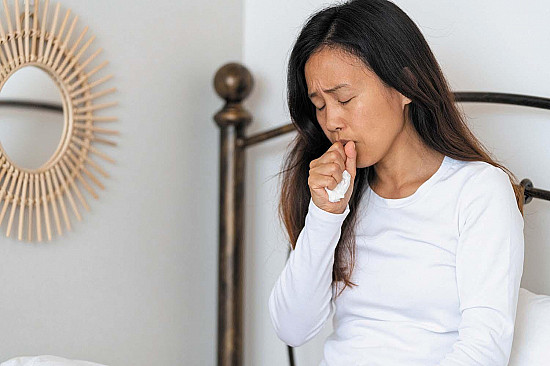
That tiny throat tickle has overstayed its welcome. One week of coughing is annoying. Three weeks is exhausting. Eight weeks? At that point, your cough has basically signed a lease, chosen a favorite chair, and started receiving mail.
A lingering cough can feel dramatic, but the good news is that most chronic coughs are not caused by anything sinister. They are often linked to treatable problems such as postnasal drip, asthma, acid reflux, lingering airway irritation after a cold, allergies, smoking exposure, chronic bronchitis, COPD, or even a medication side effect. The trick is not to play “mystery cough roulette” forever. The trick is to notice patterns, understand common causes, and know when it is time to call in a medical professional.
What Counts as a Chronic Cough?
In adults, a cough is usually considered chronic when it lasts eight weeks or longer. A typical cough from a cold, flu, COVID-19, RSV, or another respiratory virus often improves within a few weeks. But sometimes the cough reflex stays sensitive even after the original infection has packed its bags and left town.
Coughing itself is not the villain. It is a protective reflex that helps clear mucus, germs, smoke, dust, and other irritants from the airways. The problem begins when the reflex becomes overactive or keeps firing because something is still irritating the throat, lungs, sinuses, or esophagus.
Think of a cough like a smoke alarm. A short beep when toast burns is useful. A smoke alarm that screams every time you make tea is less charming. A chronic cough is often a sign that the body’s alarm system needs investigation, not just another bottle of syrup.
Common Reasons You Can’t Shake That Cough
1. Postnasal Drip: The Sneaky Back-of-Throat Drizzle
Postnasal drip, also called upper airway cough syndrome, is one of the most common causes of a lingering cough. It happens when mucus from the nose or sinuses drains down the back of the throat and irritates the cough receptors. You may notice throat clearing, a tickle when lying down, nasal congestion, sneezing, sinus pressure, or the lovely sensation that something is constantly “there.”
Seasonal allergies, colds, sinus infections, dry air, and nonallergic rhinitis can all contribute. Treatment depends on the cause, but common approaches may include saline rinses, antihistamines, nasal steroid sprays, avoiding triggers, or treating sinus inflammation.
2. Asthma or Cough-Variant Asthma
Asthma does not always announce itself with dramatic wheezing. Sometimes the main symptom is simply a stubborn dry cough, especially at night, during exercise, in cold air, or around strong smells. This is often called cough-variant asthma.
If your cough flares when you laugh, climb stairs, breathe cold air, or walk past someone wearing perfume strong enough to season soup, asthma may be worth discussing with a clinician. Lung function testing can help reveal whether the airways are inflamed or overly reactive.
3. Acid Reflux and Silent Reflux
Gastroesophageal reflux disease, or GERD, can cause coughing when stomach acid or digestive contents irritate the esophagus or throat. The surprising part is that reflux-related cough does not always come with classic heartburn. Some people have “silent reflux,” where symptoms may include hoarseness, throat clearing, sour taste, a lump-in-the-throat feeling, or coughing after meals or when lying down.
Helpful lifestyle steps may include avoiding late-night meals, elevating the head of the bed, reducing trigger foods, limiting alcohol, and managing weight when appropriate. Some people need medication, but reflux treatment works best when it is guided by a proper diagnosis.
4. Post-Infectious Cough
After a respiratory infection, your airways can remain irritated for weeks. The virus may be gone, but the airway lining can stay touchy, like a toddler after a missed nap. A post-infectious cough often improves gradually, though it can be frustratingly slow.
This type of cough may be dry or mildly productive. It may worsen with cold air, talking, laughing, or exercise. If it keeps improving, that is reassuring. If it stalls, worsens, or comes with red-flag symptoms, it deserves medical attention.
5. Smoking, Vaping, and Airway Irritants
Tobacco smoke, vaping aerosols, secondhand smoke, wood smoke, dust, chemical fumes, and air pollution can all keep the airway irritated. In some people, chronic cough is an early clue of chronic bronchitis or COPD, especially if there is mucus production, shortness of breath, wheezing, or a history of smoking exposure.
Removing the irritant is often the most powerful treatment. Yes, that sounds obvious. So does “don’t touch the hot pan,” yet humanity keeps learning it the crispy way.
6. Medication Side Effects
Some blood pressure medicines, especially ACE inhibitors, can cause a persistent dry cough. This cough may appear weeks or months after starting the medication, which makes it easy to miss the connection. Never stop a prescribed medication on your own, but do tell your healthcare provider if your cough began after a medication change.
7. Less Common but Important Causes
Most chronic coughs are linked to common, manageable causes. Still, doctors may consider pneumonia, bronchiectasis, tuberculosis exposure, heart failure, interstitial lung disease, lung cancer, or immune problems when symptoms or risk factors point in that direction. This is why a cough that refuses to leave should not be ignored forever.
When Should You See a Doctor for a Lingering Cough?
If your cough lasts eight weeks or longer, it is time to schedule a medical evaluation. You should seek care sooner if the cough is getting worse, disrupting sleep, interfering with work or school, or making you feel breathless or exhausted.
Get urgent medical help if you have trouble breathing, chest pain, blue lips, confusion, coughing up blood, fainting, severe weakness, or a high fever that does not improve. Also contact a healthcare professional promptly if you have unexplained weight loss, night sweats, persistent wheezing, significant fatigue, swelling in the legs, or a weakened immune system.
The bottom line: a cough is common, but a cough plus warning signs is not something to “tough out” with cough drops and optimism.
How Doctors Figure Out What Is Causing the Cough
A good cough evaluation often begins with a detailed history. Your clinician may ask when the cough started, whether it is dry or wet, what triggers it, whether it wakes you at night, what medications you take, whether you smoke or vape, and whether you have allergies, asthma, reflux, or recent infections.
Depending on your symptoms, testing may include a chest X-ray, lung function tests such as spirometry, allergy evaluation, sinus assessment, reflux evaluation, or lab tests. A chest X-ray may not show common causes like postnasal drip or reflux, but it can help rule out pneumonia, masses, fluid, or other lung problems. Spirometry can help identify asthma or COPD. Sometimes, if the cough remains mysterious, referral to a pulmonologist, allergist, gastroenterologist, or ear, nose, and throat specialist may be helpful.
What Actually Helps a Cough?
Treat the Cause, Not Just the Sound
The most effective treatment depends on the root cause. Postnasal drip may respond to allergy treatment or nasal sprays. Asthma may require inhaled medications. GERD may improve with diet changes, timing changes, and reflux therapy. COPD or chronic bronchitis needs a different plan altogether. A cough caused by an ACE inhibitor may improve only after a clinician changes the medication.
Use Over-the-Counter Products Wisely
Over-the-counter cough medicines may provide temporary relief for some people. Dextromethorphan can reduce the cough reflex for short-term symptom control, while guaifenesin may help loosen mucus. However, cough medicine does not fix the underlying cause, and it does not make a viral infection disappear faster. It is a tool, not a magic wand.
Always read labels, avoid doubling up on ingredients, and be careful with multi-symptom cold products. People with high blood pressure, glaucoma, prostate problems, liver disease, pregnancy, or multiple medications should ask a pharmacist or clinician before taking cough and cold medicines.
Hydration, Humidity, and Honey
Warm fluids, water, and a cool-mist humidifier can soothe irritated airways. Honey may calm nighttime coughing in adults and children over one year old. Do not give honey to infants under 12 months because of the risk of infant botulism.
Lozenges can help by keeping the throat moist. Avoid smoke, strong fragrances, dusty rooms, and very dry air. Your throat does not need a scented candle named “Arctic Cinnamon Volcano” while it is already staging a protest.
Sleep Position Matters
If your cough worsens at night, try elevating your head and upper chest. This can help with postnasal drip and reflux. Avoid eating large meals close to bedtime if reflux is suspected. If mucus is the issue, saline nasal spray or rinse before bed may help reduce drainage.
How to Prevent the Next Cough Marathon
You cannot prevent every cough, but you can lower your risk. Stay current with recommended vaccines, including flu and COVID-19 vaccines when appropriate. Wash your hands, cover coughs and sneezes, improve indoor air flow, avoid close contact when sick, and consider masking in crowded indoor places during respiratory virus season.
At home, keep air reasonably clean and comfortable. Change HVAC filters, reduce dust, avoid indoor smoking, and use ventilation when cooking. If allergies trigger your cough, track patterns: pollen season, pets, mold, dust mites, or workplace exposures. A cough diary may sound nerdy, but it can be surprisingly useful. Doctors love clues. Coughs rarely confess without evidence.
Experience-Based Add-On: What a Lingering Cough Feels Like in Real Life
A lingering cough is not just a medical symptom; it is a social event you never agreed to host. It shows up during meetings, movies, phone calls, quiet elevators, first dates, and that exact moment when a room becomes silent. Suddenly, everyone looks at you like you are carrying a medieval plague cart. You want to say, “I promise, I’m not trying to ruin the vibe. My throat just has poor timing.”
Many people describe the same pattern. The cold started normally: sore throat, stuffy nose, fatigue, maybe a fever. A week later, the worst symptoms faded. Two weeks later, energy returned. But the cough stayed. It became dry, tickly, and weirdly dramatic at night. One laugh turned into a coughing fit. Cold air felt like inhaling tiny needles. Talking too long made the throat scratchy. Lying down triggered a fresh round of hacking right when sleep was finally within reach.
The emotional side is real. A chronic cough can make people self-conscious. You may avoid restaurants, public transportation, worship services, classrooms, or office meetings because you fear coughing in front of others. After the COVID-19 pandemic, public coughing became even more awkward. A single cough in a grocery aisle can make strangers scatter like pigeons in a parking lot.
Sleep disruption is another big issue. Night coughing can leave you tired, irritable, foggy, and less productive. The cough may be “not serious” medically, but poor sleep has a way of turning normal life into a low-budget survival documentary. People may try cough drops, herbal tea, steam, syrups, humidifiers, extra pillows, and whispered negotiations with their own lungs. Some remedies help a little. Some do nothing. Some only make the bedside table look like a pharmacy had a yard sale.
One practical experience many patients share is that patterns matter. A cough after meals may point toward reflux. A cough with throat clearing may suggest postnasal drip. A cough that worsens with exercise or cold air may suggest asthma. A cough that began after a new blood pressure medication may be a medication side effect. A cough with thick mucus and smoking history may point toward chronic bronchitis or COPD. These clues do not replace medical evaluation, but they make the appointment more productive.
Before seeing a doctor, it helps to write down a simple cough timeline: when it started, whether it is dry or wet, what color the mucus is, what makes it better or worse, whether it wakes you up, what medicines you take, and which over-the-counter treatments you already tried. This turns “I keep coughing” into useful information. It also prevents the classic appointment problem where your brain forgets every symptom the moment the clinician walks in.
The reassuring lesson is this: most lingering coughs have an explanation, and many improve once the real trigger is treated. The frustrating lesson is that random cough suppression rarely solves a chronic cough for good. If the cough has become a long-term roommate, do not just keep buying new syrups and hoping it moves out. Find out why it is there.
Conclusion: Listen to the Cough, Then Investigate
A cough is your body’s built-in airway defense system. But when it lasts for weeks, interrupts sleep, affects daily life, or comes with warning signs, it deserves attention. The most common causes of chronic coughpostnasal drip, asthma, GERD, respiratory infections, smoking-related airway disease, COPD, and medication side effectsare often manageable once identified.
Do not panic over every cough. But do not ignore a stubborn one just because it seems ordinary. If your cough has lasted eight weeks or longer, or if it brings breathlessness, chest pain, blood, weight loss, fever, or serious fatigue, talk with a healthcare professional. Your lungs, throat, sinuses, and sleep schedule will all appreciate the teamwork.
Note: This article is for educational purposes only and should not replace medical diagnosis or treatment. If you have severe symptoms or a persistent cough, consult a licensed healthcare professional.
SEO Metadata

