
Makeup
Can HPV Cause Breast Cancer? Research Shows Potential Link
Jun
Human papillomavirus, better known as HPV, has a reputation for being the unwanted guest at the cancer-prevention party. It is already known to cause nearly all cervical cancers and is strongly linked to several anal, genital, and throat cancers. But here is the question that has been making researchers raise one eyebrow, adjust their lab goggles, and run more tests: Can HPV cause breast cancer?
The honest answer is: not proven, but worth studying. Some research has found HPV DNA in breast cancer tissue, and some studies suggest a possible association between high-risk HPV infection and breast cancer risk. However, major public health organizations do not currently list breast cancer as an established HPV-caused cancer. In other words, HPV is guilty in several cancer cases, but when it comes to breast cancer, the scientific courtroom is still hearing evidence.
This article breaks down what HPV is, what the research says, why the findings are complicated, and what people can actually do with this information without spiraling into late-night internet panic. Spoiler: vaccination, regular cervical screening, and breast cancer screening still matter more than fear.
What Is HPV?
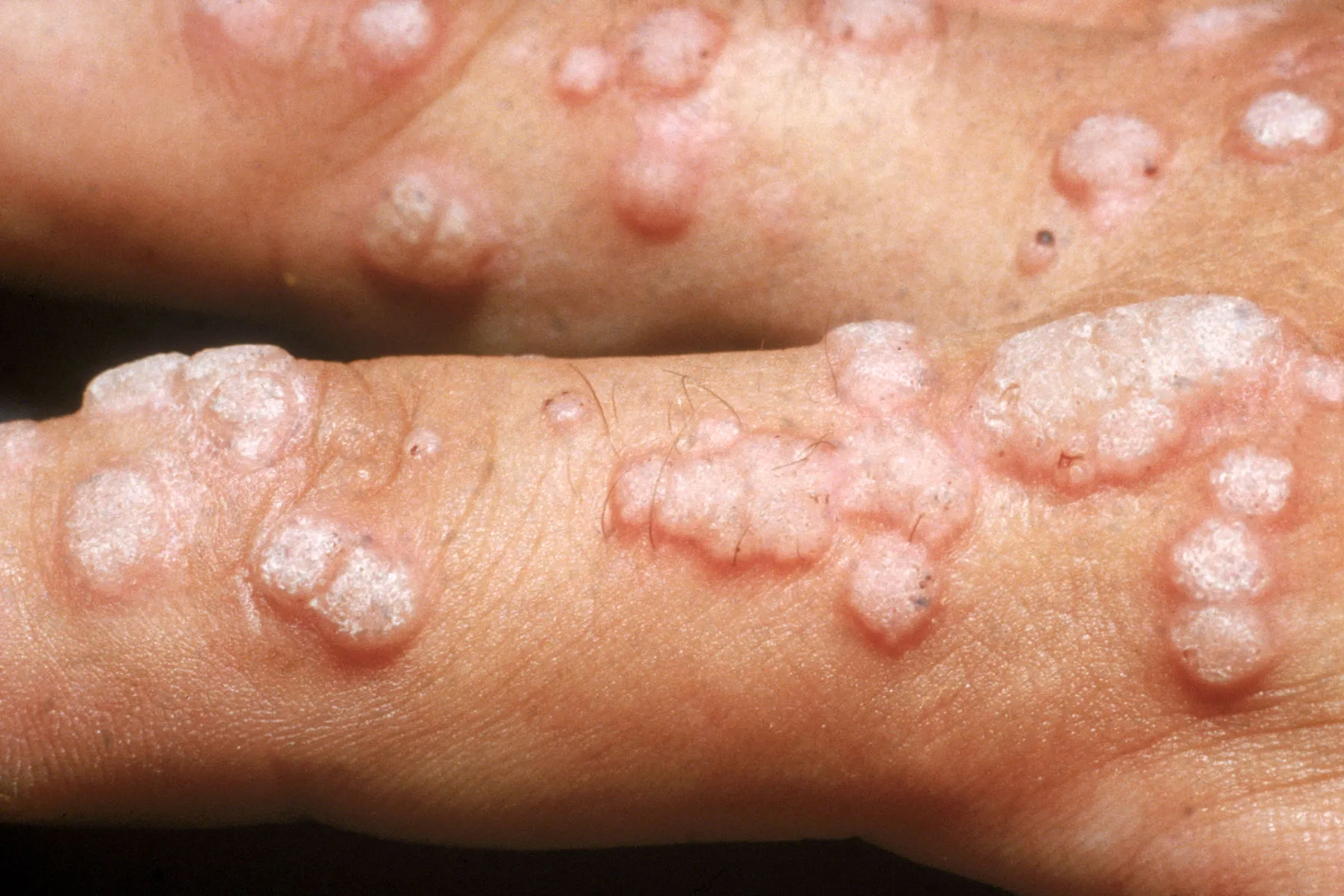
HPV is a large group of related viruses, with more than 200 known types. Some types are considered low-risk because they may cause common skin warts or genital warts. Others are called high-risk HPV types because persistent infection can lead to cell changes that may become cancer over time.
High-risk types such as HPV 16 and HPV 18 are the most famous troublemakers. These strains can interfere with normal cell-control systems, allowing abnormal cells to survive and multiply. Most HPV infections clear on their own, usually within a year or two, thanks to the immune system. But when a high-risk HPV infection persists for years, it can increase cancer risk in certain tissues.
Which Cancers Are Clearly Linked to HPV?
HPV is not just “the cervical cancer virus,” although cervical cancer is its best-known connection. High-risk HPV is strongly associated with cancers of the cervix, anus, vulva, vagina, penis, and oropharynx, which includes the back of the throat, base of the tongue, and tonsils.
Breast cancer is not currently included in the official list of cancers proven to be caused by HPV. That distinction matters. A possible link is not the same thing as a confirmed cause. Science is not a gossip column; it needs repeatable evidence, biological plausibility, and enough consistency across studies before it upgrades a “maybe” to a “yes.”
So, Can HPV Cause Breast Cancer?
At this point, researchers cannot say that HPV causes breast cancer in the same way it causes cervical cancer. The strongest statement supported by current evidence is that some studies have found a potential association between HPV and breast cancer, especially involving high-risk HPV types.
Several systematic reviews and meta-analyses have reported HPV DNA in some breast cancer samples. Some studies have found higher HPV detection rates in breast cancer tissues than in noncancerous breast tissues. A few have suggested that HPV 16 or HPV 18 may appear more often in certain tumor samples. These findings are interesting because HPV can affect cell-growth pathways that are relevant to cancer biology.
However, other studies have found little or no HPV in breast tumors, or they have detected HPV in both cancerous and noncancerous breast tissue without a clear difference. That makes the picture muddy. Finding viral DNA in tissue does not automatically prove the virus caused the tumor. Sometimes it may represent contamination, a passenger infection, a laboratory artifact, or an infection that was present but not driving cancer growth.
Why Researchers Suspect a Possible Link
1. HPV Has Cancer-Causing Tools
High-risk HPV types produce proteins known as E6 and E7. These proteins can disrupt important tumor-suppressor pathways, including p53 and retinoblastoma protein pathways. In plain English, they can mess with the body’s internal “stop signs” that normally prevent damaged cells from multiplying. If cancer biology were a traffic system, E6 and E7 would be the reckless drivers ignoring every red light.
2. HPV DNA Has Been Found in Some Breast Tumors
Researchers have detected HPV DNA in breast cancer tissue in several studies from different regions of the world. Some reviews suggest that HPV-positive breast cancer samples may be more common in certain geographic populations. This has led scientists to ask whether environmental, genetic, immune, or testing-method differences may affect results.
3. Viral Infections Can Contribute to Cancer
HPV is not the only virus associated with cancer. Hepatitis B and hepatitis C can increase liver cancer risk, and Epstein-Barr virus is linked to certain lymphomas and nasopharyngeal cancer. So the idea that a virus might influence breast cancer is not biologically ridiculous. It simply needs stronger proof.
Why the HPV and Breast Cancer Research Is So Confusing
If you read one study, HPV looks suspicious. Read another, and HPV looks innocent. Read a third, and suddenly everyone needs coffee. The confusion comes from several research challenges.
Different Testing Methods
Studies use different laboratory techniques to detect HPV DNA, RNA, or proteins. Some methods are more sensitive than others. Very sensitive tests may detect tiny amounts of viral DNA that may not be biologically meaningful. Less sensitive tests may miss low-level infections.
Possible Contamination
HPV is common, and laboratory contamination is a real concern in studies that rely on detecting small amounts of viral DNA. If tissue handling is not extremely careful, researchers may detect HPV that was introduced during sample processing rather than HPV that was truly present in the tumor.
Association Is Not Causation
Two things can appear together without one causing the other. Ice cream sales and sunburns rise at the same time, but vanilla cones are not attacking your shoulders. Likewise, HPV DNA in a breast tumor does not prove HPV caused that tumor.
Lack of Consistent Viral Activity
For HPV to be considered a true driver of breast cancer, scientists would expect to find evidence that the virus is active in tumor cells, not merely present. That means looking for viral gene expression, integration into human DNA, and effects on tumor biology. Current findings are not consistent enough to establish that chain of evidence.
Established Breast Cancer Risk Factors Still Matter Most
While HPV research is interesting, people should not lose sight of the breast cancer risk factors that are already well established. These include getting older, being female, inherited gene mutations such as BRCA1 and BRCA2, family history, dense breast tissue, early menstruation, late menopause, previous chest radiation, alcohol use, physical inactivity, obesity after menopause, and some hormone-related exposures.
That does not mean every person with a risk factor will develop breast cancer. It also does not mean someone without obvious risk factors is fully protected. Breast cancer is usually the result of multiple influences, including genetics, hormones, environment, lifestyle, and random DNA changes that occur as cells divide. Biology is impressive, but it does not always send calendar invites before making decisions.
Does Having HPV Mean You Will Get Breast Cancer?
No. Having HPV does not mean you will get breast cancer. HPV is extremely common, and most sexually active people are exposed at some point in life. Most infections clear naturally without causing health problems.
Even if future research confirms that HPV plays a role in a subset of breast cancers, that would not mean HPV is the main cause of breast cancer. It would likely mean HPV is one possible factor among many, and probably relevant only in certain biological situations.
Does the HPV Vaccine Prevent Breast Cancer?
There is currently no proof that HPV vaccination prevents breast cancer. The HPV vaccine is designed to prevent infection with HPV types that cause several established HPV-related cancers and genital warts. Its strongest cancer-prevention evidence is for cervical cancer and related precancers, with benefits also expected for other HPV-related cancers.
Still, HPV vaccination remains one of the most powerful cancer-prevention tools available. It works best before exposure to HPV, which is why routine vaccination is recommended for children and adolescents. Catch-up vaccination is recommended for many people through age 26, and some adults ages 27 to 45 may discuss vaccination with a healthcare professional based on individual risk.
Think of the HPV vaccine like a security system. It may not protect every room in the house from every possible problem, but it locks several doors that researchers already know burglars use.
What Should People Do Right Now?
Stay Current on HPV Vaccination
Parents should talk with pediatricians about HPV vaccination for children and teens. Adults who missed vaccination earlier can ask whether catch-up vaccination makes sense. The vaccine does not treat existing HPV infection, but it can help protect against HPV types a person has not yet encountered.
Follow Cervical Cancer Screening Guidelines
People with a cervix should follow recommended Pap test and HPV test schedules. Cervical screening can detect precancerous changes before cancer develops. This is one of the great wins of modern preventive medicine: finding the problem while it is still small enough to be boring.
Do Not Skip Breast Cancer Screening
Breast cancer screening should be based on age, personal risk, family history, and medical guidance. Average-risk women in the United States are generally advised to begin regular mammography at age 40, with timing and frequency discussed with a clinician. People with higher risk may need earlier or additional screening, such as breast MRI.
Know Your Family History
A strong family history of breast, ovarian, pancreatic, or prostate cancer may suggest inherited cancer risk. In that case, genetic counseling may be helpful. This is especially important for families with known BRCA mutations or multiple relatives diagnosed at younger ages.
Focus on Modifiable Risk Factors
No lifestyle habit can guarantee cancer prevention, but several choices can support lower breast cancer risk: limiting alcohol, staying physically active, maintaining a healthy weight after menopause, avoiding tobacco, and discussing hormone therapy risks and benefits with a healthcare professional.
Should Doctors Test Breast Tumors for HPV?
Routine HPV testing of breast tumors is not standard clinical practice. Breast cancer treatment decisions are currently guided by tumor type, stage, grade, hormone receptor status, HER2 status, genetic findings, lymph node involvement, and other established markers. HPV status is not currently used to choose standard breast cancer treatment.
That may change if future research identifies a clear HPV-driven subtype of breast cancer, but we are not there yet. For now, HPV testing in breast tissue belongs mainly in research settings, not routine care.
What Future Research Needs to Prove
For HPV to be accepted as a cause of breast cancer, researchers would need stronger and more consistent evidence. They would need to show that HPV is present in tumor cells, active in those cells, capable of changing breast cell behavior, and more common in cancer tissue than in normal tissue. Ideally, large, well-controlled studies across different populations would confirm the same pattern.
Scientists would also need to rule out contamination and prove that HPV is not just riding along as a passenger. In cancer research, the difference between “present” and “responsible” is enormous. A person standing near a broken vase did not necessarily smash it.
Common Myths About HPV and Breast Cancer
Myth: HPV Definitely Causes Breast Cancer
Not proven. Research suggests a possible link, but major health organizations do not classify breast cancer as an HPV-caused cancer.
Myth: If You Have HPV, You Should Be Screened Differently for Breast Cancer
Not currently. Breast cancer screening recommendations are based on established breast cancer risk factors, not HPV status.
Myth: HPV Is Rare
HPV is very common. Most infections clear naturally and never cause cancer.
Myth: The HPV Vaccine Is Only About Cervical Cancer
The HPV vaccine helps prevent several HPV-related cancers, including cervical, anal, vulvar, vaginal, penile, and oropharyngeal cancers.
Real-World Experiences: What This Question Feels Like for Patients
Questions about HPV and breast cancer often come from people who are trying to connect the dots after a diagnosis, an abnormal Pap test, or a positive HPV result. The experience can feel deeply personal. A person may hear “high-risk HPV” at a gynecology visit and immediately wonder whether every future cancer risk has just been unlocked like a terrible video game level. Then they search online, find a study mentioning HPV DNA in breast tumors, and suddenly breakfast is ruined.
One common experience is confusion after testing positive for HPV. Many people assume that “high-risk” means cancer is inevitable. In reality, high-risk HPV means a type of HPV has the potential to cause cell changes if it persists. Most infections still clear. The useful response is not panic; it is follow-up. Keeping appointments, repeating tests when recommended, and treating precancerous cervical changes if they appear are practical steps that reduce risk.
Another experience involves breast cancer survivors who wonder why their cancer happened. This is completely human. When someone receives a breast cancer diagnosis despite exercising, eating vegetables, avoiding smoking, and generally behaving like a responsible adult with a reusable water bottle, it is natural to look for a missing explanation. HPV research may feel like a possible answer. But at this stage, it should be viewed as an area of investigation, not a personal explanation for an individual diagnosis.
Families also face emotional decisions around HPV vaccination. Some parents hesitate because HPV is sexually transmitted, and talking about it can feel awkward. But the vaccine is not a permission slip for sex; it is cancer prevention. Framing it that way helps. Parents vaccinate children against hepatitis B long before they are at risk for exposure. HPV vaccination works on the same preventive logic: protect early, before exposure, while the immune response is strong.
Clinicians often see the same pattern: people are more afraid of what they do not understand than of what they can manage. A positive HPV test, an abnormal mammogram, or a family history of breast cancer can all create anxiety. The best antidote is a plan. Ask what the result means, what the next step is, when follow-up should happen, and what symptoms should prompt a call. Good healthcare is not just treatment; it is turning vague fear into a checklist.
The most balanced takeaway from real-world experience is this: do not ignore HPV, but do not blame it for everything. Do not dismiss breast cancer risk, but do not assume every new study changes your personal screening plan overnight. Use the proven tools available now: HPV vaccination, cervical screening, breast screening, family-history assessment, and healthy lifestyle choices. Science may eventually clarify whether HPV contributes to some breast cancers. Until then, the smartest move is to act on what is known while staying curious about what is still being discovered.
Conclusion
So, can HPV cause breast cancer? Current research shows a possible link, but not a proven cause-and-effect relationship. HPV is clearly responsible for several cancers, especially cervical cancer and certain anal, genital, and throat cancers. Breast cancer, however, remains a different story. Some studies detect HPV in breast tumor tissue, while others do not. Some findings suggest biological plausibility, but the evidence is not consistent enough to change screening or treatment guidelines.
The best approach is not alarm, denial, or dramatic internet detective work. It is prevention. HPV vaccination helps prevent established HPV-related cancers. Cervical cancer screening saves lives by catching precancerous changes early. Breast cancer screening remains essential, especially beginning around age 40 for many average-risk women or earlier for those at higher risk. Meanwhile, researchers will continue investigating whether HPV plays a role in a subset of breast cancers.
In short: HPV deserves respect, breast cancer deserves vigilance, and your browser history deserves fewer panic searches at midnight.
Note: This article is for educational publishing purposes only and should not replace advice from a licensed healthcare professional.

