
Hair Care
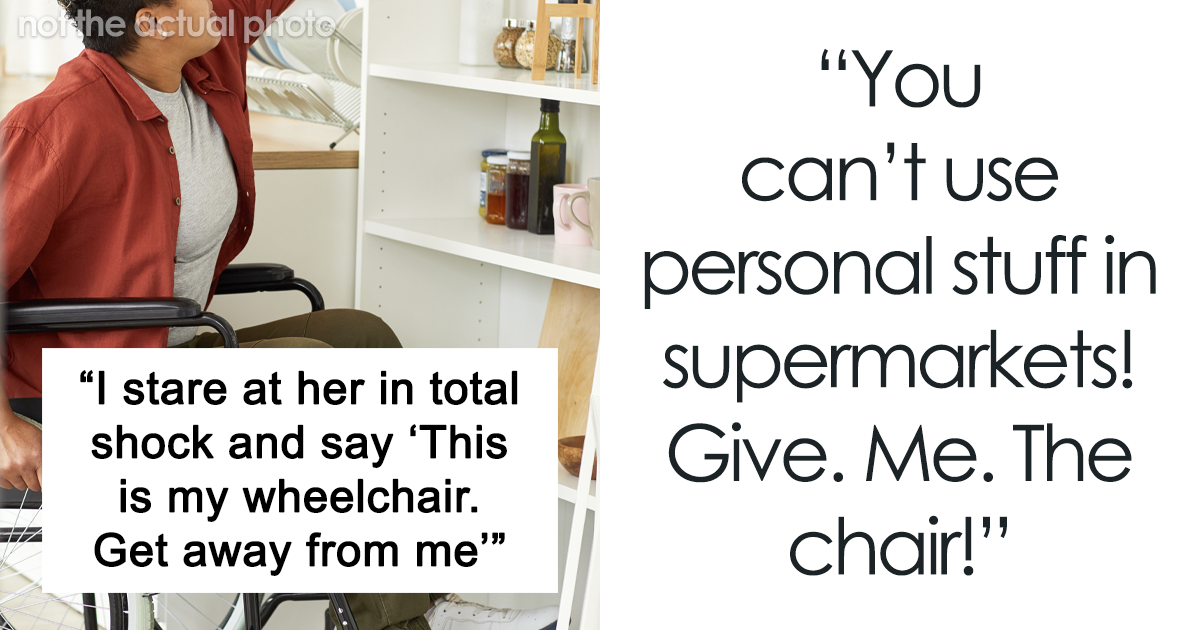
Woman Shakes Person’s Wheelchair, Demands They Give It To Her Since She’s Older
Jul
Note: This article is written for commentary, accessibility awareness, and public education. It discusses a viral public-space conflict involving a wheelchair user while focusing on disability etiquette, personal boundaries, and respectful behavior.
When “I’m Older” Becomes the Worst Argument in the Aisle
A grocery store should be one of life’s least dramatic stages. You enter with a list, forget at least one important item, debate whether “family size” cookies count as a responsible purchase, and leave. That is the dream. But in one viral story, a simple shopping trip turned into a public lesson on entitlement, disability etiquette, and why touching someone’s wheelchair without permission is not “helping.” It is crossing a boundary with wheels attached.
The story, widely discussed online, centers on a person using a wheelchair while shopping. According to the account, an older woman approached them, shook the wheelchair, and demanded that they hand it over because she was older and therefore, in her mind, more entitled to use it. The logic was not exactly Harvard debate-team material. Age can bring challenges, yes. But it does not give anyone permission to grab another person’s mobility device, question their need for it, or treat disability equipment like an abandoned shopping cart.
The incident caught attention because it was outrageous, but also because many wheelchair users recognized the pattern. Public spaces often come with invisible obstacles: narrow aisles, blocked ramps, staring strangers, unsolicited questions, and people who believe they can touch, move, lean on, or “borrow” mobility aids. The wheelchair in this story was not a spare chair. It was a person’s mobility, independence, safety, and personal space.
Why a Wheelchair Is Not Public Property
A wheelchair is not a convenience item. It is not a scooter at the mall, a free sample, or a seat someone can claim because their knees are having a dramatic afternoon. For many people, a wheelchair is the difference between being able to participate in daily life and being stuck on the sidelines. It supports movement, balance, pain management, energy conservation, and independence.
Disability etiquette organizations often describe mobility aids as extensions of a person’s body. That idea is not just poetic; it is practical. If someone grabs a wheelchair, they may move the user unexpectedly, cause pain, damage the chair, or create a fall risk. Even a “small” shake can feel threatening because the person seated in the chair may not be able to quickly move away or stop the action. In other words, it is not a harmless tap. It is physical interference.
Imagine a stranger grabbing your shoulders in a checkout line and saying, “I need your legs now because I’m older.” Most people would not respond with, “Fair point, ma’am, please proceed.” They would call for help, step back, or ask why reality has suddenly turned into a badly written sitcom. The same principle applies to wheelchairs, walkers, canes, scooters, prosthetics, and other assistive devices.
The Bigger Problem: Disability Gets Treated Like a Debate
One reason this story resonated is that disabled people are often forced to defend their own needs in public. Some people assume that if a person is young, speaks clearly, looks healthy, or can stand briefly, they must not “really” need a wheelchair. That belief is both wrong and exhausting. Disabilities can be visible, invisible, temporary, permanent, fluctuating, painful, neurological, muscular, cardiovascular, or related to fatigue. Many conditions do not announce themselves with a flashing neon sign reading, “Approved Disability Here.”
Mobility aid users do not owe strangers a medical presentation between the frozen peas and the cereal aisle. A person may use a wheelchair full time, part time, during flare-ups, after surgery, because of chronic pain, due to balance issues, or to conserve energy. The public does not get to hold a courtroom hearing every time someone uses an aid. “But you don’t look disabled” is not curiosity; it is a social speed bump dressed up as concern.
The older woman in the viral account reportedly believed age alone made her more deserving. But need is not a contest where the oldest person wins the chair. Two people can both have limitations, but one person’s discomfort does not cancel another person’s disability. If someone needs mobility assistance in a store, the appropriate solution is to ask staff whether a store wheelchair, scooter, seating area, or other accommodation is available. The solution is never to claim another customer’s personal equipment.
Age Deserves Respect, But So Does Disability
It is important to say this clearly: older adults deserve dignity, patience, and accessible spaces too. Aging can bring pain, fatigue, reduced mobility, and fear of losing independence. Many seniors face real barriers in public places, from long walking distances to limited seating. Compassion matters.
But compassion is not a coupon that can be redeemed for someone else’s wheelchair. Respecting older adults and respecting disabled people are not opposing values. In fact, they belong in the same moral basket. A society that values accessibility should make room for both an older shopper who needs support and a wheelchair user who has the right to move safely without being grabbed.
The conflict in this story is not “young versus old.” It is entitlement versus boundaries. The woman’s age may explain why she wanted help, but it does not excuse shaking someone’s chair or demanding their device. Good manners do not expire when someone reaches a certain birthday. If anything, age should come with extra wisdom, not a bonus level in public rudeness.
What the ADA Helps Us Understand About Mobility Devices
In the United States, the Americans with Disabilities Act protects access for people with disabilities in many public spaces. Businesses and state or local government facilities generally must allow people who use wheelchairs and other manually powered mobility aids into public areas where customers or visitors are allowed. This legal framework matters because it recognizes that mobility devices are part of participation, not special treatment.
Accessibility is not just about having a ramp somewhere near the side door next to the mop bucket. It includes usable routes, clear paths, safe entrances, accessible restrooms, and staff who understand how to communicate respectfully. The U.S. Access Board’s standards emphasize accessible paths of travel, including routes through lobbies, corridors, rooms, sidewalks, curb ramps, elevators, and other shared areas.
For businesses, this viral wheelchair story offers a useful reminder: accessibility is not only architecture. It is also staff training. Employees should know how to respond if a customer harasses, blocks, touches, or tries to take another customer’s mobility aid. A store that has automatic doors but no plan for handling disability-related harassment has only solved part of the problem.
Public Behavior Around Wheelchair Users: What People Get Wrong
The most common mistake is assuming. People assume a wheelchair user needs help. They assume the person cannot speak for themselves. They assume it is okay to lean on the chair while chatting. They assume a wheelchair is just furniture. They assume they are being kind when they push someone without asking. This is how “help” turns into a surprise kidnapping, but with better lighting and worse grocery music.
Respectful interaction is simple: ask first, listen to the answer, and do not take refusal personally. If someone says, “No, thank you,” that is the end of the episode. There is no need for a sequel titled, “But I Was Only Trying to Help.” The person using the chair is the expert on their own body, equipment, pain level, balance, and route.
Do Not Touch the Chair
This is the golden rule. Do not push, pull, shake, lean on, hang bags from, or move a wheelchair without permission. The chair may be custom fitted, expensive, delicate, or medically necessary. Even if it looks sturdy, it is not public furniture.
Do Not Ask Invasive Medical Questions
“What happened to you?” may feel casual to the asker, but it can feel intrusive to the person being asked. Public errands should not require a personal health interview. If someone wants to share, they will.
Do Not Decide Who “Looks Disabled Enough”
Many disabilities fluctuate. A person may stand to reach a shelf and still need a wheelchair for the rest of the trip. That is not evidence of fraud. It is evidence that bodies are complicated and do not follow internet comment-section logic.
Do Offer Help the Right Way
A respectful offer sounds like, “Would you like help reaching that item?” or “Do you need space to get through?” Then wait. If the answer is no, accept it with grace. Nobody has ever become a worse person by respecting a boundary.
Why This Story Went Viral
The story spread because it has the ingredients of an internet wildfire: a shocking demand, a public setting, a vulnerable boundary, and a villain whose confidence somehow outruns common sense. But beneath the absurdity is a real issue. Many disabled people experience public entitlement regularly. Strangers may touch their equipment, speak over them, question their needs, block accessible routes, or treat them as props in someone else’s drama.
Viral stories can be funny in a “did that really happen?” way, but they also reveal what society still needs to learn. If people understood mobility aids as personal space, the woman’s demand would not merely seem rude; it would seem obviously unacceptable. The fact that some readers still debate these incidents shows why disability etiquette should be taught more widely, not as a special topic, but as basic public behavior.
What Stores Should Do When This Happens
Retailers can reduce conflicts by creating a culture where accessibility is normal and harassment is handled quickly. Staff should be trained to believe customers who report interference with mobility aids. They should know how to separate the parties, ask the wheelchair user what support they want, and offer practical help such as escorting them to checkout, contacting security, or documenting the incident.
Stores should also keep aisles clear, avoid blocking accessible paths with promotional displays, and provide seating or mobility options when possible. Many conflicts become worse when public spaces are poorly designed. If a store has no seating, crowded aisles, and limited mobility scooters, frustrated customers may lash out at each other instead of recognizing the larger accessibility failure.
Still, poor design does not excuse personal misconduct. If someone needs assistance, they should ask staff, not target another customer. The phrase “I need help” opens a door. The phrase “give me your wheelchair” kicks the door off its hinges and then complains about the draft.
How Bystanders Can Respond Without Making It Worse
Bystanders often freeze because they do not want to interfere. That is understandable, but silence can leave the targeted person isolated. A calm, direct response can help. For example, a bystander might say, “Please don’t touch their wheelchair,” or “Let’s ask store staff for help.” The goal is not to create a shouting match. The goal is to interrupt the behavior and shift attention toward safety.
If the person using the wheelchair seems distressed, ask them directly what they need. Do not grab their chair to “rescue” them unless there is immediate danger and they cannot respond. The same rule still applies: respect the person’s control over their body and equipment.
The Human Lesson: Need Is Not a Competition
Public life works better when people stop treating access as a scarce prize. The older woman in the story may have needed rest. The wheelchair user needed their wheelchair. Both needs can be real, but only one person tried to solve the problem by violating another person’s boundary.
Accessibility is not about deciding who suffers most. It is about building spaces where fewer people have to suffer just to buy groceries, attend appointments, travel, work, or enjoy ordinary life. A wheelchair user should not have to defend their chair like it is the last life raft on a sinking ship. An older shopper should not have to wander a store in pain because there is nowhere to sit. Better design and better manners can exist at the same time.
Related Experiences: What This Incident Feels Like in Real Life
For many wheelchair users, the most tiring part of going out is not always the physical trip. It is the constant social negotiation. A person may plan their route before leaving home: Is there accessible parking? Are the aisles wide enough? Is the restroom usable? Will the elevator be working? Then, after all that planning, they still have to deal with strangers who stare, block paths, move too close, or treat the wheelchair like an invitation to comment.
One common experience is the “helpful push.” A wheelchair user pauses near a doorway, ramp, or shelf, and a stranger suddenly starts pushing the chair without asking. The stranger may believe they are being kind, but the user experiences a loss of control. They may have been stopping to rest, checking their phone, adjusting their position, or waiting for space. Being moved without permission can be frightening, especially if the person has pain, balance issues, fragile joints, or limited ability to stop the chair.
Another common frustration is the public interrogation. Someone sees a wheelchair user stand briefly and decides they have uncovered a grand mystery. But mobility is not all-or-nothing. Some people can walk short distances but not long ones. Some can stand but not walk safely. Some can walk in the morning and need a chair by afternoon. Treating every movement as “proof” that someone is faking turns ordinary errands into a performance nobody auditioned for.
There is also the problem of accessible spaces being treated as optional. A wheelchair user may find ramps blocked by delivery carts, accessible checkout lanes closed, elevators crowded by people who could use stairs, or store displays placed in the middle of the route. Each barrier sends the same message: your access matters, but only after everyone else’s convenience. That message gets old fast. It gets older than the woman demanding the chair, and unlike her argument, it actually deserves attention.
Friends and family members of disabled people often learn these lessons quickly. They notice how often the wheelchair user is spoken over. They see restaurant hosts panic over seating. They watch strangers direct questions to the companion instead of the person in the chair. Over time, they understand that accessibility is not just ramps and parking spaces. It is whether people are allowed to exist in public without being treated as suspicious, helpless, inspirational, inconvenient, or available for unsolicited advice.
The wheelchair-shaking story is extreme, but the underlying experience is familiar: someone decided they knew more about another person’s needs than the person themselves. That is the habit society must unlearn. The better approach is beautifully simple. Ask before helping. Believe people about their own bodies. Keep hands off mobility aids. Make room. Speak respectfully. And if you genuinely need assistance, ask the business or venue for support instead of trying to draft a stranger’s wheelchair into service.
Conclusion: The Chair Is Not the IssueRespect Is
The viral story of a woman shaking a person’s wheelchair and demanding it because she was older is more than an outrageous internet tale. It is a reminder that disability etiquette is not complicated, but it does require humility. A wheelchair is not a prop, a public seat, or a symbol up for debate. It is a mobility device connected to a real person’s independence and safety.
Age deserves compassion. Disability deserves respect. Public spaces should serve both. But no one’s discomfort gives them the right to touch, shake, claim, or question another person’s assistive device. The next time someone feels tempted to grab a wheelchair, lean on it, or challenge its user, the rule is easy: don’t. Use your words, ask politely, and remember that the world becomes more accessible when people bring both common sense and common decency to the aisle.

