
Hair Care
This Is My Oc Chloe
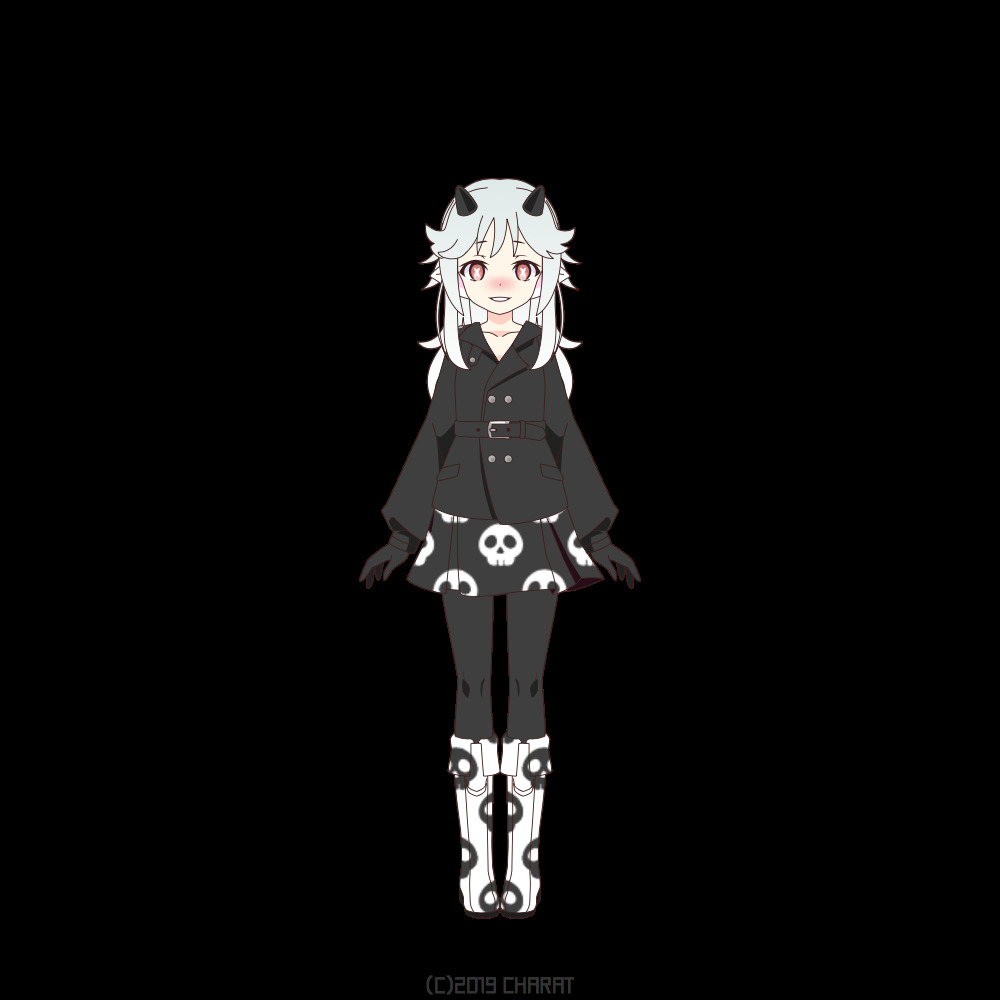
Jun
Every creative community has that magical sentence that sounds simple but secretly carries a backpack full of lore: “This is my OC Chloe.” In ordinary human language, an OC is an original charactera fictional person, creature, hero, villain, chaos gremlin, or emotionally complicated barista invented by a creator. But for writers, artists, roleplayers, and fandom fans, an OC is much more than a drawing with a cute outfit. An OC is a tiny universe wearing shoes.
Chloe, in this case, is not just “a girl with a name.” She is a character with motives, habits, contradictions, fears, favorite snacks, and probably one jacket she wears even when the weather says, “Please stop.” A strong original character feels like someone readers could recognize across a crowded comic panel, a fanfiction chapter, or a late-night sketchbook page. She has a voice. She has problems. Most importantly, she has enough personality to ruin the creator’s sleep schedule in the best possible way.
This article explores how to introduce an OC named Chloe in a way that feels vivid, believable, and fun. We will look at character design, backstory, personality, flaws, emotional stakes, worldbuilding, and the experience of sharing an original character online. Whether Chloe belongs in a fantasy kingdom, a high school drama, a superhero universe, a cozy slice-of-life comic, or a suspiciously dramatic coffee shop, the same principle applies: readers connect with characters who want something, fear something, and make choices that reveal who they are.
What Does “OC” Mean?
OC stands for “original character.” In fandom and creative spaces, it usually means a character created by an individual rather than by the official creator of an existing franchise. An OC can exist in a completely original world, or she can be placed into a fan universe. For example, Chloe might be a student at a magical academy, a detective in a cyberpunk city, a dragon trainer, a vampire with excellent eyeliner, or a normal teenager trying to survive group projects.
The charm of an OC is ownership. Chloe does not come with a corporate style guide or a fixed destiny. Her creator decides her name, age, appearance, personality, relationships, strengths, weaknesses, and story arc. That freedom is thrilling, but it also creates a challenge: if Chloe can be anything, how do we make her feel like someone specific?
The answer is detail with purpose. A great OC is not built by stacking random traits like toppings on a frozen yogurt cup. “Blue hair, tragic past, sword, sarcastic, loves cats, allergic to destiny” may be entertaining, but those traits need to connect. Maybe Chloe dyes her hair blue because she wants control over one part of her life. Maybe her sarcasm protects her from being vulnerable. Maybe the sword belonged to someone she failed to save. Maybe the cat is the only creature she trusts. Now we are cooking.
Meet Chloe: A Character Concept That Feels Alive
So, who is Chloe? Let’s shape her as a flexible OC profile that can work across genres while still feeling personal and memorable.
Basic Character Profile
Chloe is a sharp-eyed, quick-thinking character who notices details other people miss. She is creative, observant, and stubborn enough to argue with a locked door. On the surface, she seems confident and a little mischievous. Underneath, she worries that if she is not useful, entertaining, or impressive, people will leave.
That emotional contradiction gives Chloe depth. She is not “the funny one” only because jokes are fun. She jokes because humor lets her control the room before the room can judge her. She is not brave because she has no fear. She is brave because she is scared and still reaches for the doorknob marked “Absolutely Do Not Open.” Naturally, she opens it. This is fiction. The door never gets respected.
Appearance and Visual Identity
Chloe’s design should communicate personality before she says a word. Maybe she wears oversized hoodies with tiny embroidered moons on the sleeves. Maybe her sneakers are covered in marker doodles because blank spaces make her nervous. Maybe she has a messy bob haircut, a silver hair clip shaped like a star, and a backpack that contains three notebooks, two broken pens, emergency candy, and one mysterious key she refuses to explain.
Good character design is not about making Chloe “pretty” or “cool” in a generic way. It is about making her recognizable. Her silhouette, color palette, clothing choices, and expressions should tell the audience what kind of energy she brings into a scene. A polished blazer says one thing. Paint-stained sleeves say another. A character who always wears gloves may be hiding scars, magic, anxiety, or just very cold hands. Fiction enjoys multitasking.
Chloe’s Personality: Strengths, Flaws, and the Fun Stuff
A strong original character needs strengths, but flaws are where the story starts to breathe. Chloe’s strengths might include curiosity, loyalty, creativity, fast problem-solving, and emotional intelligence. She can read a room quickly. She knows when someone is lying. She can improvise a plan with nothing but a paperclip, a bus ticket, and unreasonable confidence.
But Chloe also has flaws. She avoids asking for help. She assumes silence means rejection. She can be impulsive when she feels cornered. She sometimes turns serious moments into jokes because sincerity makes her feel like a turtle without a shell. These flaws are not decoration. They should create consequences. If Chloe never trusts anyone, she may miss an important warning. If she makes a joke at the wrong time, she may hurt someone she cares about. If she charges into danger to prove she is fine, the story should politely inform her that she is not, in fact, fine.
Why Flaws Make Chloe More Likeable
Perfect characters are difficult to love because they leave readers with nothing to worry about. A flawless Chloe would solve the mystery, win the argument, save the day, moisturize, and still have time to alphabetize her emotional baggage. Impressive? Sure. Relatable? Not really.
Readers connect with effort. They want to see Chloe try, fail, learn, try again, and maybe trip over a dramatic cape on the way. Vulnerability makes her human. Growth makes her memorable. The goal is not to make Chloe weak; it is to make her real enough that her victories feel earned.
Backstory: Give Chloe a Past, Not a Wikipedia Page
Backstory matters, but it should not arrive all at once like a dump truck full of feelings. Chloe’s history should explain her behavior without trapping her in exposition. Maybe she grew up moving from place to place, so she learned to adapt quickly but never learned how to stay. Maybe she lost a friendship after telling the truth, so now she hides behind half-truths. Maybe she was always praised for being “easygoing,” so she never learned how to say what she actually wants.
A useful backstory answers three questions: What shaped Chloe? What does she believe because of it? How is that belief wrong or incomplete?
For example, Chloe may believe, “If I need people, they can hurt me.” That belief makes her independent, clever, and guarded. It also prevents her from accepting love, teamwork, and help. Her story arc can challenge that belief. Over time, Chloe learns that needing people is risky, but refusing connection is its own kind of loneliness. That is a strong emotional engine for a character-driven story.
Chloe’s Goal: What Does She Want?
Every good OC needs a want. Chloe might want to solve a mystery, win an art competition, escape a cursed town, prove her innocence, find her missing sibling, become a famous inventor, or simply survive junior year without emotionally combusting near the lockers.
But the deeper question is: what does Chloe need? A character’s want drives the plot, while the need drives the transformation. Chloe may want recognition, but she may need self-acceptance. She may want revenge, but she may need peace. She may want to be admired, but she may need to be known honestly by one person who sees the messy parts and stays.
That difference between want and need gives Chloe’s story emotional tension. It also prevents her from becoming a collection of cool traits with nowhere to go. A sword is interesting. A sword in the hands of a girl who thinks winning will fix her grief is a story.
Worldbuilding: Where Does Chloe Belong?
Chloe’s world should shape her, and she should push back against it. If she lives in a neon city where memories can be bought and sold, maybe she is terrified of forgetting who she is. If she lives in a quiet seaside town, maybe the ocean knows secrets about her family. If she lives in a modern school setting, maybe her battlefield is social pressure, identity, friendship, and the terrifying politics of lunch tables.
The setting should not be wallpaper. It should create choices. A fantasy Chloe might break a magical law to save a friend. A sci-fi Chloe might discover that the technology everyone trusts is rewriting people’s personalities. A realistic Chloe might confront the fact that being “the funny friend” has become a cage. Different genres, same emotional truth: Chloe is most interesting when the world asks something difficult of her.
How to Introduce Chloe to Readers
The best way to introduce Chloe is through action. Instead of writing, “Chloe was clever and brave,” show her picking a lock while negotiating with a security robot she has named Gary. Instead of saying, “Chloe cared about her friends,” show her giving away her last bus fare so someone else can get home safely, then pretending she wanted to walk three miles anyway because “cardio builds character.”
Readers believe what characters do. A strong opening scene can reveal Chloe’s personality, problem, world, and emotional wound in one compact moment. For instance, imagine Chloe sneaking into the school theater after hours to retrieve a notebook full of drawings. She gets caught, lies badly, jokes nervously, then admits the notebook contains designs for a memorial mural she is too embarrassed to show anyone. In one scene, we see her creativity, fear, humor, secrecy, and heart.
Sharing “This Is My OC Chloe” Online
Posting an OC online can feel like placing a tiny paper boat into a very large ocean and hoping the sharks appreciate character development. Creative communities can be supportive, funny, and inspiring, but they can also be unpredictable. A good OC post usually gives viewers enough information to care without overwhelming them.
A strong introduction might include Chloe’s name, age or role, genre, personality summary, visual notes, main conflict, and one interesting quote. For example:
“This is my OC Chloe. She is a 17-year-old amateur inventor who can fix almost anything except her own trust issues. She collects broken radios, hates being called brave, and accidentally discovers a signal from a city that vanished ten years ago.”
That introduction works because it gives a hook. It tells us what Chloe does, what she struggles with, and what kind of story she belongs in. It also leaves questions. What happened to the vanished city? Why does Chloe hate being called brave? How many broken radios is too many broken radios? The answer is probably “one less than Chloe owns.”
Common OC Mistakes to Avoid
Making Chloe Good at Everything
It is tempting to give Chloe every talent imaginable. She can sing, fight, hack, bake, skateboard, speak six languages, and emotionally devastate villains with one eyebrow raise. But too many abilities can flatten tension. Give her strengths, then give those strengths limits. Maybe Chloe is brilliant with machines but terrible at reading her own emotions. Maybe she can solve puzzles quickly but panics when plans change.
Adding Trauma Without Purpose
A tragic backstory can be powerful, but it should not exist only to make Chloe seem deep. Pain in fiction should shape choices, beliefs, and relationships. If Chloe has suffered, the story should handle that experience with care and consequence, not use it as glitter glue for drama.
Forgetting Relationships
Characters become more vivid through relationships. Who challenges Chloe? Who protects her? Who misunderstands her? Who knows she is lying when she says, “I’m fine”? Friends, rivals, mentors, siblings, enemies, and awkward crushes can all reveal different sides of her personality. Chloe alone in a room can be interesting. Chloe trying not to cry while arguing with someone who knows her too well is a scene.
Writing Prompts for Chloe
If you want to develop Chloe further, try placing her in situations that pressure her flaws and reveal her values:
- Chloe finds a letter addressed to her future self, but she does not remember writing it.
- Someone praises Chloe for being fearless, and she secretly hates it.
- Chloe must team up with a rival who notices when she is pretending to be okay.
- Chloe discovers that her favorite childhood story was based on a real event.
- Chloe has to choose between winning the thing she wants and protecting the person she loves.
These prompts work because they force Chloe to act. They are not just aesthetic. They create decisions. Decisions reveal character, and character creates story.
Why Chloe Matters
An OC like Chloe matters because original characters are often where creators learn to tell stories. Through Chloe, a writer can practice dialogue, emotional arcs, visual design, conflict, pacing, and theme. An artist can experiment with expression, costume, color, pose, and personality. A roleplayer can explore voice, improvisation, and relationships. Chloe becomes a creative playground with feelings.
More importantly, Chloe can carry pieces of her creator’s imagination in a way that feels safe and exciting. She may express courage the creator is still developing. She may explore fears the creator wants to understand. She may be funny, dramatic, gentle, angry, ambitious, awkward, or all of the above before breakfast. That is the beauty of original characters: they let us ask, “What if?” and then give that question a face.
Experience Section: What Creating Chloe Teaches a Writer
Creating an OC like Chloe often begins with a spark so small it seems ridiculous. Maybe it is a hairstyle, a quote, a color palette, a playlist, or one dramatic facial expression drawn in the corner of a notebook during a class, meeting, or other situation where the responsible thing was definitely not character design. At first, Chloe might be only a vibe: moon stickers, messy sneakers, sharp humor, soft heart. Then the questions begin. Why does she dress that way? Why does she joke when she is nervous? Who taught her not to trust people? What would make her stay when running away would be easier?
The real experience of building Chloe is not about inventing everything perfectly on the first try. It is about discovering her through revision. Early versions of an OC are often wonderfully chaotic. Chloe may start as a fantasy archer, become a modern artist, briefly turn into a ghost detective, and then somehow end up as a mechanic who talks to broken radios. That is not failure. That is the creative process wearing roller skates.
One of the most useful experiences in developing Chloe is writing scenes that nobody else will ever see. These private scenes are like character rehearsals. Put Chloe in a grocery store at midnight. Let her argue with a vending machine. Make her apologize badly. Give her a birthday she pretends not to care about. These moments may never appear in the final story, but they teach the creator how Chloe moves, speaks, avoids, wants, and reacts under pressure.
Sharing Chloe with others adds another layer. The first post might feel scary because an OC can feel personal. When someone comments, “I love her design,” it can power the creator for approximately three business weeks. When someone asks a question about Chloe’s backstory, it may reveal gaps that need filling. Feedback does not mean the creator must change everything. It simply shows what readers notice first. If everyone asks about Chloe’s key necklace, maybe that necklace deserves a story. If everyone loves her rivalry with another character, maybe that relationship has more energy than expected.
Another lesson Chloe teaches is restraint. Not every detail belongs in the introduction. A creator may know Chloe’s favorite cereal, childhood nickname, blood type, secret fear, shoe size, and opinion on pineapple pizza. That information can be useful, but readers need a doorway, not a furniture catalog. Start with what makes Chloe emotionally interesting: her goal, her contradiction, her problem, and her charm. The smaller details can appear later, like bonus fries at the bottom of the bag.
Over time, Chloe becomes more than a character sheet. She becomes a test of storytelling discipline. Does her dialogue sound like her, or could any character say it? Does her design reflect her life? Does her backstory affect her choices? Does she change by the end of the story? These questions help transform Chloe from “my OC” into someone readers can remember.
The best part of the experience is watching Chloe surprise her creator. A well-developed OC eventually starts making certain choices feel inevitable. The creator may plan for Chloe to run away, only to realize she would stay for one specific person. The creator may expect her to forgive easily, then discover she needs time. That momentwhen Chloe feels less like a list and more like a personis the reward. It means the character has roots.
So, “This is my OC Chloe” is not a small statement. It is an invitation. It says, “Here is someone I made. Here is a story I care about. Here is a little lighthouse from my imagination.” And if Chloe is built with clear motives, meaningful flaws, memorable design, and emotional honesty, readers will not just look at her. They will want to know what happens next.
Conclusion
Chloe is the kind of original character who proves that an OC does not need to be perfect to be powerful. She needs purpose, personality, conflict, and heart. Her design should reveal something. Her backstory should shape her choices. Her flaws should complicate her goals. Her relationships should expose different sides of who she is. Most of all, Chloe should feel like she exists beyond the first drawing or introduction post.
Whether you are writing Chloe into a novel, drawing her for an online art community, developing her for a comic, or introducing her in a fandom space, the strongest version of Chloe will always be the one who wants deeply, fears honestly, and changes through the story. Give her a reason to act. Give her a world that pushes back. Give her people who matter. Then let her cause a little narrative trouble. Lovingly, of course.

