
Hair Care
Disney Characters On The Covers Of Fashion Magazines
Jun
Note: This article is written as an original, web-ready editorial feature based on real fashion-media history, Disney fashion collaborations, and documented examples such as Minnie Mouse’s LOVE Magazine cover moment, Disney x Vogue creative initiatives, designer Minnie Mouse projects, and Disney-inspired luxury collections.
There are fashion icons, and then there are fashion icons who can pull off white gloves, oversized shoes, a bow the size of a croissant, and still look editorial. Disney characters have spent nearly a century living rent-free in our imaginations, but in fashion media, they have done something even more impressive: they have crossed from childhood nostalgia into high-style conversation. The idea of Disney characters on the covers of fashion magazines may sound like a fever dream from someone who drank three espressos at Disneyland, but it has real cultural roots.
From Minnie Mouse appearing as a legitimate fashion cover star to Mickey Mouse being reimagined through designer partnerships, Disney’s animated icons have become surprisingly flexible fashion subjects. They are playful, instantly recognizable, emotionally loaded, and visually simple enough for stylists, editors, illustrators, and luxury brands to reinterpret again and again. In other words, Mickey’s ears are not just ears. They are a logo, a silhouette, a memory, and, depending on the styling, a surprisingly good accessory.
Why Disney Characters Belong in Fashion Magazine Culture
Fashion magazines are not only about clothes. They are about identity, fantasy, image-making, and the tiny thrill of becoming someone else for a moment. Disney operates in a similar world. A fashion editorial sells transformation; Disney sells transformation with fireworks, orchestral music, and occasionally a talking teapot. That overlap explains why Disney characters can feel natural on or near fashion magazine covers.
Characters like Minnie Mouse, Mickey Mouse, Cruella de Vil, Cinderella, Snow White, Ariel, and Belle already arrive with built-in visual codes. Minnie has polka dots, bows, heels, lashes, and a sweet-but-confident personality. Mickey has graphic black circles, red shorts, yellow shoes, and the most famous ears in pop culture. Cruella has monochrome drama, sharp tailoring, red lips, and the energy of someone who would absolutely send back a salad for insufficient contrast. Disney princesses offer color palettes and silhouettes that designers can reinterpret as gowns, couture sketches, bridalwear, or fantasy editorials.
Minnie Mouse: The Cover Girl Who Started the Conversation
The strongest real-world example of a Disney character stepping directly into fashion magazine cover territory is Minnie Mouse. Her major fashion-magazine breakthrough came when she appeared on the cover of LOVE Magazine’s fifth anniversary issue, often discussed as her fashion magazine cover debut. The project placed Minnie alongside a cover series featuring major models wearing Minnie-inspired ears created or interpreted by luxury fashion houses.
This was not a random cartoon cameo pasted onto a glossy page. The styling conversation included references to Minnie’s bow, ears, polka dots, and cheeky elegance. Designers and brands such as Miu Miu, Louis Vuitton, Gucci, Loewe, and Marc by Marc Jacobs were connected to interpretations of Minnie’s signature accessories. The result was a charming collision of animated innocence and high-fashion wink. Minnie did not need to be “humanized” to belong in the fashion conversation. Her silhouette was already strong enough to hold the page.
Why Minnie Works So Well as a Fashion Cover Subject
Minnie Mouse is basically a walking mood board. Her look is simple, memorable, and endlessly remixable. Polka dots can become couture beading. Her bow can become a sculptural headpiece. Her gloves can suggest vintage glamour. Her shoes can be exaggerated into runway heels. Even her color palettered, black, white, yellow, and sometimes pinkhas the crispness of a brand style guide before brand style guides became a corporate bedtime story.
More importantly, Minnie is emotionally warm. Fashion can sometimes feel intimidating, like a marble lobby where everyone knows what “archival” means. Minnie softens that atmosphere. She brings humor, nostalgia, and approachability while still giving designers a strong visual language to play with. That is why fashion editors can put her near supermodels without the concept collapsing into novelty.
Mickey Mouse and the Rise of Character-Driven Fashion Editorials
Mickey Mouse may not have the same “cover girl” framing as Minnie, but he is arguably the most powerful Disney symbol in fashion. His face and ears have appeared across designer collaborations, streetwear capsules, runway presentations, art projects, and magazine coverage. Mickey’s strength is graphic simplicity. Three circles can say more than a complicated print ever could.
In 2018, Opening Ceremony celebrated Mickey Mouse’s 90th birthday with a Disneyland fashion show that merged runway spectacle and theme-park fantasy. Models wore Mickey-inspired looks, and Mickey and Minnie themselves appeared in the presentation. That event captured why Mickey works so well in fashion: he can be retro, sporty, glamorous, ironic, cute, or cool depending on the styling. He is less a single character than a cultural symbol designers can bend without breaking.
More recently, Disney and Vogue announced a multi-year creative initiative spotlighting Mickey Mouse through the eyes of fashion leaders ahead of his 100th anniversary. That matters because it shows the relationship between Disney and fashion media is not simply nostalgic. It is strategic, contemporary, and tied to how legacy characters stay visually fresh for new generations.
Disney Princesses: Natural-Born Cover Stars
If fashion magazine covers love drama, Disney princesses arrive fully prepared. Cinderella has the transformation gown. Belle has literary romanticism and golden ballgown energy. Ariel has mermaid fantasy and jewel-tone color. Tiana brings elegance, ambition, and Art Deco charm. Jasmine offers regal confidence and fluid silhouettes. Snow White has vintage sweetness. Aurora has dreamy, soft-focus beauty. Rapunzel brings movement, hair, flowers, and lantern-lit romance.
Fashion brands have repeatedly tapped princess imagery because it gives them a ready-made emotional script. Harrods famously presented designer Disney Princess dresses in its Christmas windows, with couture-style interpretations of princess gowns. Disney’s Fairy Tale Weddings collections, created with Allure Bridals, have also turned princess inspiration into real gowns for modern brides. These are not magazine covers in the literal sense, but they influence the same visual universe: luxury styling, editorial photography, aspirational beauty, and fantasy translated into wearable form.
From Fairy Tale Dress to Editorial Fashion
A great Disney-princess fashion cover concept does not simply copy the movie costume. It translates the character. Cinderella does not need a pumpkin carriage on the page; a glassy shoe, pale blue satin, and midnight lighting can do the job. Belle does not require a library backdrop, though let’s be honest, it helps. Ariel can be suggested through liquid fabrics, coral shapes, pearls, and sea-glass color. The best editorial interpretations let the viewer recognize the character without turning the modelor the characterinto a Halloween costume.
Cruella de Vil: Disney’s Most Obvious Fashion Editor?
No discussion of Disney characters and fashion magazines is complete without Cruella de Vil. She is terrifying, yes, but visually she understood branding before most influencers learned to hold a coffee cup at chest height. Black-and-white hair, red gloves, cigarette holder, dramatic coat, angular postureCruella is a fashion illustration that escaped the sketchbook and started causing problems.
Cruella’s relationship with fashion is complicated because the original character is tied to fur and villainy, themes that modern fashion has rightly reexamined. But as an editorial reference, she remains powerful because she represents excess, obsession, glamour, and danger. The modern way to use Cruella-inspired fashion is not to celebrate cruelty, but to reinterpret her visual drama through faux fur, sharp tailoring, graphic contrast, and ethical styling.
Disney x Coach’s “A Dark Fairy Tale” collection, inspired by darker elements of stories like Snow White and Sleeping Beauty, showed how Disney fashion can lean moody without losing sophistication. That same approach applies to Cruella: less “villain costume,” more high-contrast editorial attitude.
Why Fashion Magazines Love Animated Characters
Animated characters offer something human celebrities cannot: total visual control. A character does not age out of a look. Minnie’s bow never has a bad press day. Mickey does not suddenly decide he is in his quiet luxury era unless Disney says so. For fashion magazines, that makes Disney characters extremely useful symbols. They can be styled, referenced, illustrated, exaggerated, or abstracted while remaining instantly recognizable.
They also carry nostalgia. A reader may not remember the exact season a runway collection debuted, but they remember watching The Little Mermaid on VHS, wearing Minnie ears at a theme park, or wanting Belle’s library with the spiritual intensity of a person browsing real estate listings they cannot afford. Fashion magazines understand that emotional shortcut. Disney characters make fashion feel less remote and more personal.
The Difference Between Official Covers and Fan-Made Concepts
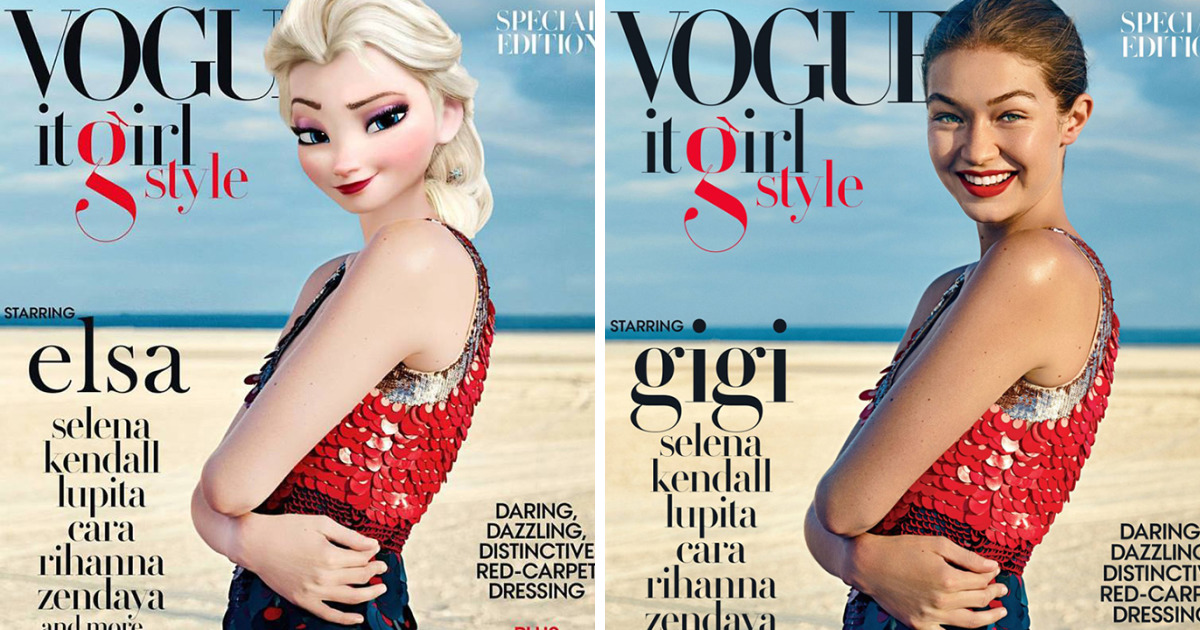
Online, you may see many images of Disney princesses, villains, and classic characters styled as Vogue, Elle, Harper’s Bazaar, or other fashion magazine cover stars. Some are fan art. Some are AI images. Some are parody covers. Some are unofficial illustrations designed for social media. They can be fun and visually clever, but they should not be confused with official magazine covers unless the publication, Disney, or a verified creative team confirms them.
This distinction matters for publishers. An article about Disney characters on fashion magazine covers should avoid claiming that every viral princess cover is real. The reliable story is even more interesting: Disney has built a long-running relationship with fashion culture through official covers, magazine editorials, designer collaborations, runway shows, retail campaigns, luxury capsules, and character-driven style projects. The cover is only one part of the bigger fashion ecosystem.
What Makes a Great Disney Fashion Magazine Cover?
1. A Clear Character Signature
The viewer should recognize the Disney character quickly. That can happen through ears, bows, color palettes, silhouettes, props, typography, or pose. A Minnie-inspired cover needs her bow or polka dots. A Mickey-inspired cover needs those legendary circular ears. A Belle-inspired cover can rely on gold, roses, books, and romantic structure.
2. Fashion First, Costume Second
The best covers avoid looking like a costume catalog. They use fashion logic: tailoring, texture, styling, lighting, composition, and attitude. A Cinderella cover could be modern and minimalist. A Cruella cover could be architectural. A Tiana cover could draw from New Orleans elegance, green tones, and refined eveningwear without simply recreating her animated dress.
3. A Little Humor
Disney fashion works best when it knows it is having fun. Minnie on a fashion cover is charming because the concept has a wink. Mickey at Fashion Week is delightful because it is both sincere and slightly absurd. Fashion can take itself very seriously, so a mouse in couture is a healthy reminder that style should occasionally giggle.
How Disney Characters Influence Real Fashion Trends
Disney fashion is not limited to magazine fantasy. It influences everyday wardrobes through collaborations with retailers and designers. Minnie Mouse-inspired collections have appeared with major retailers, and Disney has worked with fashion names across luxury, streetwear, accessories, bridal, and home design. Lazy Oaf created a Disney collaboration with pieces inspired by Cinderella, Marie from The Aristocats, Cruella de Vil, and Mickey Mouse. Zara and stylist Harry Lambert developed a Disney capsule inspired by Mickey, Minnie, Donald, Daisy, and Goofy, bringing character details into wearable jackets, tees, knits, accessories, and kidswear.
That range explains why Disney characters can move from magazine covers to closets. A reader may admire a couture Minnie editorial, then buy a polka-dot blouse, a character tee, a bow accessory, or a Mickey sweatshirt. The fantasy becomes wearable in degrees. Not everyone is going to wear a sculptural mouse-ear headpiece to brunch, although if someone does, please invite us.
Experiences: Seeing Disney Fashion Through a Real-World Lens
The most interesting thing about Disney characters in fashion is how personal the experience feels. You do not need to be a runway insider to understand Minnie’s style. You do not need a fashion degree to recognize Mickey’s silhouette. That accessibility is powerful. When people see Disney characters styled like magazine cover stars, they often react with both surprise and recognition: “Wait, why does this work so well?” The answer is that Disney’s characters are already designed like visual icons. Fashion simply turns up the lighting.
Imagine walking past a magazine stand and seeing Minnie Mouse on a glossy fashion cover. At first, it feels funny. Then you notice the styling. The bow is not just cute; it is architectural. The polka dots are not childish; they are graphic. The gloves feel vintage. The pose has confidence. Suddenly, Minnie is not only a cartoon mouse. She is a reminder that style can be joyful without being unserious.
The same experience happens with Disney princess fashion editorials. A Belle-inspired image might make someone remember watching Beauty and the Beast as a child, but the fashion treatment gives that memory a grown-up frame. The gown becomes less about wanting to be a princess and more about appreciating storytelling through clothing. A Tiana-inspired look might highlight ambition, elegance, and cultural setting. An Ariel-inspired cover might use oceanic color and fluid fabric to express freedom. These interpretations allow adults to revisit childhood characters without feeling trapped in childhood.
There is also a social element. Disney fashion images are highly shareable because they invite conversation. People debate which princess has the best style, whether Cruella is secretly the most editorial villain, whether Mickey belongs on luxury products, or whether Minnie’s bow is the greatest accessory in animation history. These debates are lighthearted, but they show how strongly visual storytelling connects with personal taste.
For content creators, the topic is especially rich. A blog post about Disney characters on fashion magazine covers can explore pop culture, design, branding, nostalgia, and style history all at once. It can analyze real examples like Minnie’s fashion cover moment, designer Minnie projects, Mickey’s runway celebrations, Disney bridal collections, and modern capsules. It can also explain why unofficial fan-made covers are popular without pretending they are official. That balance keeps the article fun, accurate, and useful.
For readers, the magic is simpler. Disney fashion lets them enjoy glamour without needing to decode every insider reference. A Minnie-inspired cover says, “Fashion can be polished and playful.” A Mickey collaboration says, “Classic icons can still evolve.” A princess editorial says, “Fantasy can grow up with you.” And a Cruella-inspired shoot says, “Drama is allowed, but please leave the puppies alone.”
Ultimately, Disney characters on fashion magazine covers work because they combine two kinds of fantasy: the fantasy of story and the fantasy of style. One gives us characters we love; the other gives us images we want to look at twice. Together, they create a glossy little spellpart nostalgia, part couture, part cartoon mischief.
Conclusion
Disney characters have earned their place in fashion media because they are more than entertainment figures. They are visual icons with instantly readable style signatures. Minnie Mouse proved that a cartoon character can hold her own in a fashion magazine cover conversation. Mickey Mouse continues to inspire designers, runway moments, and creative partnerships. Disney princesses remain natural sources for gowns, bridalwear, and editorial fantasy. Even villains like Cruella de Vil offer dramatic style language that fashion can reinterpret with modern values.
The best part is that Disney fashion does not ask readers to choose between sophistication and fun. It says you can appreciate couture, branding, nostalgia, and a giant bow at the same time. Honestly, that may be the most fashionable message of all.

