
Hair Care
15 Empty Tin Can Hacks That Will Make Your Home Look Amazing
Jun
Before you toss that empty soup can into the recycling bin, pause for one glorious second. That humble little cylinder has potential. With a quick rinse, a smooth edge, and a bit of creativity, an empty tin can can become a planter, a desk organizer, a candle holder, a wall-mounted storage cup, or the tiny hero your junk drawer has been secretly begging for.
Empty tin can hacks are the sweet spot where budget decorating meets eco-friendly living. They cost almost nothing, work in nearly every room, and give your home that “I’m stylish, but I also know how to use a glue gun” energy. Even better, tin can DIY projects are beginner-friendly. You do not need a workshop, a design degree, or a suspiciously perfect craft closet. You need clean cans, basic tools, paint, paper, fabric, twine, or whatever decorative scraps are already hiding in your home.
This guide covers 15 creative ways to repurpose empty tin cans into beautiful, practical home decor. From rustic farmhouse organizers to modern metallic planters, these ideas prove that good design does not always arrive in a fancy box. Sometimes it arrives packed with tomatoes.
Why Empty Tin Cans Are Perfect for Home Decor
Tin cans are sturdy, lightweight, easy to decorate, and naturally shaped for storage. Their round form makes them ideal for pencils, brushes, utensils, flowers, herbs, candles, and small household items. They also fit beautifully into popular decorating styles: farmhouse, cottagecore, industrial, vintage, minimalist, boho, and “I made this because buying another basket felt dramatic.”
Before starting any project, wash each can thoroughly, remove the label, and dry it completely. Check the rim for sharp edges. If needed, smooth the edge with sandpaper, cover it with folded tape, add a strip of fabric, or use a safety-style can opener that leaves a smoother rim. For planters, add drainage holes or use the can as a decorative sleeve around a nursery pot. For candles or lanterns, never leave flames unattended, and keep finished pieces away from curtains, paper, or anything else that gets too excited around fire.
15 Empty Tin Can Hacks That Will Make Your Home Look Amazing
1. Chic Herb Planters for the Kitchen Windowsill
Turn small tomato or bean cans into a neat row of kitchen herb planters. Paint them matte white, sage green, soft black, or brushed gold for a polished look. Add small labels for basil, parsley, mint, or chives. A windowsill herb garden adds freshness to the kitchen and makes even instant noodles feel like they have culinary aspirations.
For real plants, poke drainage holes in the bottom and place the can on a saucer. If you want a cleaner setup, keep the herb in its plastic nursery pot and slide it into the decorated can like a sleeve. This prevents rust, protects surfaces, and makes watering easier.
2. Desk Organizers That Actually Look Good
An empty tin can is practically born to hold pens. But instead of leaving it in its “crushed tomatoes” outfit, dress it up. Wrap it in peel-and-stick wallpaper, scrapbook paper, cork sheet, linen fabric, or thin rope. Group three to five cans together on a tray for pens, scissors, rulers, paintbrushes, and markers.
For a modern look, paint all the cans the same color. For a playful craft-room vibe, use different patterns in the same color family. This hack is especially useful for home offices, homework stations, and craft corners where supplies tend to scatter like they are training for a marathon.
3. Rustic Utensil Caddy for Parties and Picnics
Larger cans make excellent utensil holders for forks, spoons, napkins, and straws. Wrap them with burlap, jute twine, gingham fabric, or kraft paper labels for a rustic table setup. Attach three cans to a small wooden board and add a handle to create a portable picnic caddy.
This tin can hack is perfect for backyard barbecues, casual brunches, and buffet tables. It keeps everything organized while adding charm to the table. Nobody needs to know your centerpiece used to contain kidney beans.
4. Tin Can Lanterns with Punched Patterns
Punched tin can lanterns are classic for a reason: they are simple, inexpensive, and surprisingly beautiful. Fill a clean can with water and freeze it. The ice helps the can hold its shape while you punch holes with a nail and hammer. Create stars, hearts, dots, leaves, initials, or geometric patterns. After the ice melts, dry the can, paint it if desired, and place an LED tea light inside.
Use battery-operated candles for the safest and easiest version. The light shines through the punched holes and creates a cozy glow on patios, mantels, shelves, and dinner tables. It is basically mood lighting with a recycling backstory.
5. Bathroom Storage Cups for Small Essentials
Bathroom counters can quickly become a tiny city of toothbrushes, combs, cotton swabs, razors, makeup brushes, and mystery items nobody claims. Decorated tin cans can bring order to the chaos. Use waterproof paint or adhesive vinyl, then group cans on a tray or mount them to a small board.
Choose calm colors like cream, charcoal, clay, or dusty blue to create a spa-like look. For extra polish, add wooden beads, leather tabs, or simple printed labels. Just avoid using cans where standing water collects. Dry storage is the key to keeping them looking fresh.
6. Wall-Mounted Craft Supply Station
If your craft supplies are currently living in seventeen different drawers, tin cans can help. Screw clean cans to a wooden board, mount the board to the wall, and use the cans to store paintbrushes, scissors, glue sticks, markers, and yarn scraps. You can also use strong adhesive hooks or clamps if you want a renter-friendly version.
This idea works beautifully in craft rooms, kids’ art areas, garages, and sewing spaces. Paint the board and cans in coordinating colors to make the whole station look intentional instead of “I panicked at the craft store.”
7. Mini Flower Vases for Fresh or Faux Blooms
Tin cans make charming mini vases for wildflowers, grocery-store bouquets, dried flowers, or faux stems. Wrap the outside with lace, fabric, raffia, or decorative paper. For a farmhouse look, use chalk paint and lightly sand the edges after it dries. For a modern look, use metallic spray paint and keep the arrangement simple.
Because cans are lightweight, add a few pebbles to the bottom before arranging tall flowers. If using fresh flowers, place a glass jar or plastic cup inside the can to prevent moisture from sitting directly against the metal.
8. Coffee Can Storage for Laundry Rooms
Large coffee cans are excellent for laundry-room storage. Use them for dryer balls, clothespins, stain sticks, cleaning cloths, or spare buttons. Cover each can with contact paper or paint, then add bold labels. Suddenly, the laundry room looks organized enough to appear in a lifestyle magazine, even if the sock situation remains emotionally complicated.
This hack works especially well on open shelves. Matching containers create visual calm, and the sturdy metal shape holds up better than flimsy cardboard packaging.
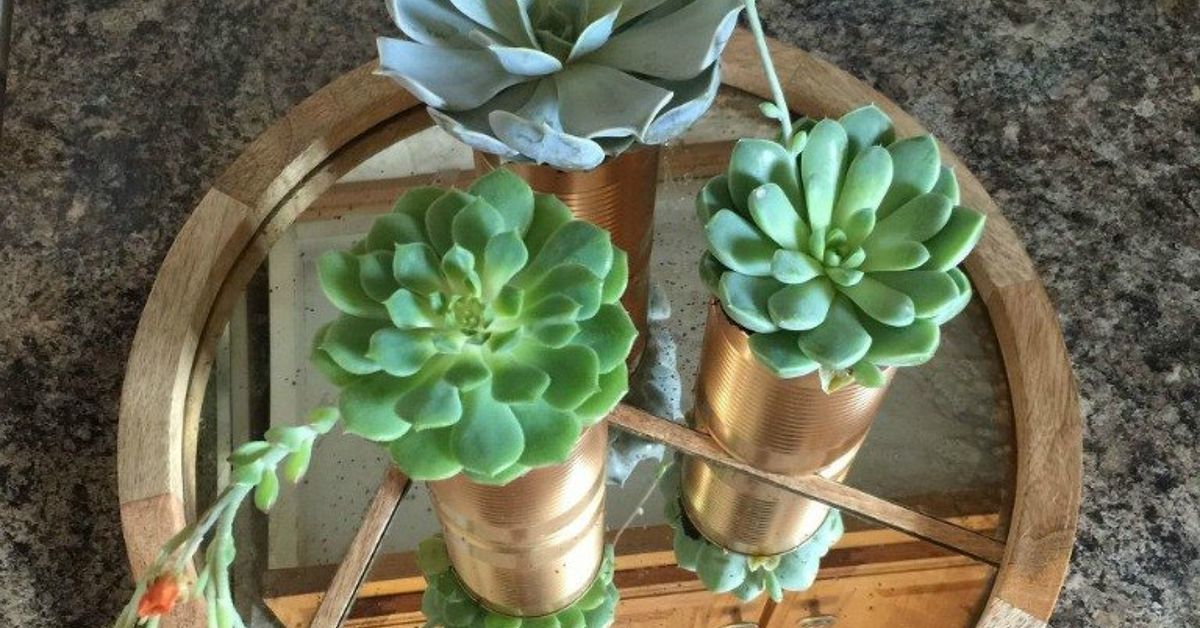
9. Tin Can Succulent Pots
Succulents and tin cans are a stylish pair. Small cans are just the right size for tiny succulents, and the metal gives them a clean, modern edge. Paint the cans in earthy neutrals, wrap them in leather cord, or leave them silver for an industrial look.
Drainage matters. Add small holes to the bottom or keep the succulent in a nursery pot inside the can. Use cactus soil and avoid overwatering. Succulents enjoy attention, but not the clingy kind.
10. Decorative Shelf Risers for Small Displays
Short, wide cans can become hidden risers for shelves, mantels, or table displays. Paint them to match your surface, flip them upside down, and place small objects on top: candles, mini plants, framed photos, or seasonal decorations. This creates height and layering, which instantly makes decor look more professional.
Use risers in odd-numbered groupings for a balanced display. A low can, medium can, and taller can can turn a flat shelf into a styled moment. The secret is elevation. Your decor simply wants a little stage time.
11. Entryway Catchall for Keys and Loose Change
A shallow tuna can can become a stylish catchall tray for keys, coins, lip balm, earbuds, or other pocket clutter. Cover the inside with felt, cork, or patterned paper. Paint the outside and glue small wooden beads or short dowel pieces to the bottom as feet.
Place it near the front door, on a console table, or beside your bed. This tiny project is practical, cute, and deeply satisfying because it gives loose change a home that is not the washing machine.
12. Garden Tool Holders for the Garage
Mount larger cans to a board in the garage or shed to hold garden gloves, plant labels, seed packets, twine, small hand tools, or paint stirrers. Use outdoor-friendly paint if the station will be exposed to humidity. You can also drill holes in the bottom so dirt and moisture do not collect.
This project keeps tools visible and easy to grab. It is also a great way to reuse cans that are too large for indoor decor but perfect for practical storage.
13. Boho Hanging Planters
For a soft boho look, turn tin cans into hanging planters. Paint each can, punch two or three holes near the top, and attach macrame cord, rope, or chain. Hang them near a sunny window or from a covered porch. Trailing plants like pothos or string of hearts look especially lovely spilling over the edges.
Keep the weight in mind. Soil, water, and plants can get heavy, so use strong hooks and secure knots. For a lighter version, use faux plants. No judgment. Faux plants never wilt, complain, or attract fungus gnats.
14. Kids’ Room Storage with Personality
Empty tin cans are great for organizing small toys, crayons, building blocks, hair accessories, stickers, and art supplies. Decorate them with bright paint, removable decals, animal faces, or superhero colors. For younger kids, make sure all edges are fully covered and the cans are used under appropriate supervision.
Attach several cans to a low shelf or place them in a basket so cleanup feels easier. When kids can see where things belong, there is at least a fighting chance the markers will not migrate under the couch.
15. Seasonal Centerpieces That Cost Almost Nothing
Tin cans are perfect bases for seasonal centerpieces. In spring, fill painted cans with tulips or daffodils. In summer, use bright colors and backyard flowers. In fall, wrap cans with plaid fabric and add dried wheat, leaves, or mini branches. In winter, use evergreen clippings, ribbon, pinecones, and battery lights.
Group several cans of different heights down the center of a dining table or cluster them on a tray. The look is layered, festive, and easy to change throughout the year. Best of all, you can refresh the entire arrangement without buying another bulky decoration that will spend eleven months judging you from a storage bin.
How to Make Tin Can Decor Look Expensive
Use a Consistent Color Palette
The fastest way to make DIY decor look intentional is to limit your colors. Choose two or three shades that already match your home. Black, white, brass, terracotta, sage, navy, and warm beige are easy winners. When several cans share the same palette, they look like a set instead of leftovers from taco night.
Add Texture
Texture makes simple projects feel richer. Try jute rope for a coastal or farmhouse look, linen for softness, cork for an office-friendly finish, or leather strips for a modern rustic detail. Even a thin band of ribbon can make a painted can look more finished.
Upgrade the Labels
Labels can be practical and decorative. Use handwritten kraft tags for a rustic style, clean printed labels for a modern pantry look, or chalkboard labels for containers that change purpose. Labeling also prevents confusion, which is important when one can holds paintbrushes and another holds breadsticks.
Group in Threes
Single cans can look random. Groups of three or five usually look styled. Use varying heights for planters, vases, and centerpieces. Repetition makes the design feel deliberate, while the different sizes add movement.
Safety and Prep Tips Before You Start
Good tin can crafts begin with clean, safe cans. Remove the lid completely, wash the inside with warm soapy water, and let the can dry. If the edge feels sharp, smooth it or cover it. Do not use rusty, bulging, or damaged cans for crafts that will sit near food, plants, or children’s spaces. If a can held strong-smelling food, baking soda and warm water can help remove lingering odors.
When drilling or punching holes, wear protective gloves and work on a stable surface. If painting, follow the paint label instructions and work in a well-ventilated area. For outdoor projects, choose paints and sealers designed for exterior use. For indoor decor, acrylic craft paint, spray paint, adhesive paper, fabric, and twine all work well.
of Real-Life Experience: What Tin Can Hacks Teach You About Decorating
The best thing about empty tin can hacks is that they make decorating feel approachable. Many home projects start with a shopping list that somehow turns into a receipt long enough to qualify as a scarf. Tin can projects begin with something you already have. That changes the mood immediately. Instead of asking, “What do I need to buy?” you ask, “What can this become?” That little shift is where creativity wakes up, stretches, and starts making bold claims about your pantry.
In real homes, the most useful tin can projects are usually the simplest ones. A painted can for pens on a desk can make a workspace feel less chaotic. A trio of cans holding wooden spoons beside the stove can free up drawer space. A coffee can on a laundry shelf can hide dryer balls or clothespins while making the room look calmer. These are not dramatic renovations, but they improve daily life in small, visible ways. And small visible wins matter, especially in rooms where clutter seems to regenerate overnight.
There is also something satisfying about customizing a can to match a room. In a bright kitchen, a glossy red tomato can might look cheerful with the original label left on. In a neutral bathroom, the same can might need soft beige paint and a strip of linen. In a kid’s room, it can become a crayon holder with googly eyes and a ridiculous smile. The material is the same, but the personality changes completely. That flexibility is what makes tin can decor so fun.
One helpful lesson is that DIY does not have to look homemade in the awkward sense. The trick is finishing. Cover rough edges. Let paint dry fully between coats. Use a tray under grouped cans. Repeat one color or material across multiple pieces. Add labels that look intentional. These tiny decisions separate “cute project” from “where did you buy that?” The answer, of course, is “from the recycling bin,” but you can reveal that after everyone has admired your good taste.
Tin can hacks also encourage seasonal decorating without waste. Instead of buying a new centerpiece for every holiday, you can reuse the same cans with different fillers. Spring flowers, summer herbs, fall branches, winter greenery, and year-round faux stems can all work in the same containers. This keeps decorating affordable and prevents storage closets from turning into museums of past impulse purchases.
Finally, these projects remind us that a beautiful home is not only about expensive pieces. It is about attention. A clean counter, a labeled container, a windowsill herb garden, a handmade lantern glowing softly at dinnerthese details make a home feel cared for. Empty tin cans are humble, but they invite you to notice possibilities hiding in plain sight. And honestly, any object that can hold soup on Monday and basil on Friday deserves a little respect.
Conclusion
Empty tin cans are proof that stylish home decor does not have to be expensive, complicated, or delivered in a box the size of a refrigerator. With a little paint, paper, rope, fabric, or imagination, you can transform cans into planters, lanterns, organizers, vases, storage cups, and seasonal centerpieces. These projects reduce waste, add personality, and help your home feel more organized without draining your wallet.
Start with one clean can and one small problem area: a messy desk, a crowded bathroom counter, a plain windowsill, or a party table that needs charm. Once you see how useful and good-looking a simple can can become, you may find yourself rinsing out every can with the enthusiasm of a person who has discovered free decor. Because you have.
Note: This article was created as original, publish-ready content based on a synthesis of practical home decor, DIY crafting, recycling, reuse, and household safety guidance from reputable U.S.-focused resources. Always smooth sharp edges, use safe tools, and choose materials suitable for the project location.

