
Body Care
“Disgusting”: New Doc On YouTuber Stauffer Family Who Rehomed Adopted Son From China Sparks Fury
Jun
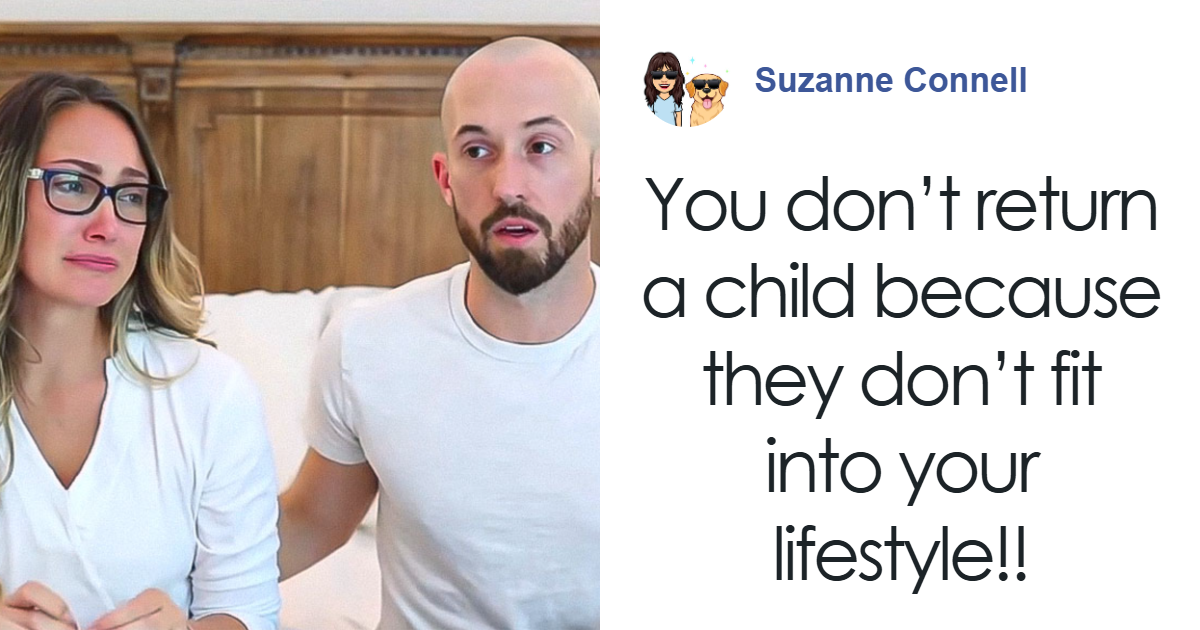
The internet loves a tidy family vlog. Matching pajamas, color-coded pantries, softly lit birthday pancakes, and parents who speak to the camera as if they are your calmest, best-organized neighbor. But HBO’s documentary series An Update on Our Family rips the gingham curtain off one of YouTube’s most infamous family-vlogging scandals: the story of Myka and James Stauffer, the Ohio couple who adopted a young boy from China, built years of content around their family journey, and later announced they had placed him with another family.
Online reaction to the documentary has been intense, with many viewers calling the case “disgusting,” heartbreaking, and deeply uncomfortable. The anger is not just about one family’s private crisis. It is about a much bigger question: what happens when a child’s life, trauma, disability, adoption story, and daily routines become monetized content before that child is old enough to understand the word “consent”?
The Stauffer case has never fit neatly into a single outrage box. It touches adoption ethics, disability care, transnational adoption, influencer culture, child privacy, sponsorship money, parasocial relationships, and the strange modern habit of turning family milestones into searchable, profitable episodes. In other words, it is not merely a scandal. It is a very shiny, very uncomfortable mirror.
What Is An Update on Our Family About?
An Update on Our Family is a three-part HBO documentary series directed by Rachel Mason. The series revisits the rise of family vloggers Myka and James Stauffer and the disappearance of their adopted son, publicly known during the family’s YouTube era as Huxley, from their videos. The title itself echoes the since-deleted 2020 YouTube video in which the couple announced that they were no longer parenting him.
The documentary does not simply rehash old internet drama for the digital equivalent of popcorn throwing. It examines how the Stauffers’ channel grew, how their adoption journey became part of their brand, and how viewers began noticing something was wrong when the child who had once appeared frequently in videos suddenly stopped appearing. The series also looks at the unregulated nature of family vlogging, where children can become central characters in a profitable business without the protections that child actors traditionally receive.
The Stauffers themselves did not participate in on-camera interviews for the HBO series. Instead, the documentary relies on archival footage, online commentary, experts, and people who followed the case. That absence matters. It leaves viewers sitting with the content the family chose to publish, the questions they did not answer, and the uneasy realization that the internet had already been invited into the home long before the family asked for privacy.
The Stauffer Family Timeline: From Adoption Content to Public Backlash
Myka and James Stauffer were successful family vloggers who shared parenting, lifestyle, cleaning, adoption, and home content across YouTube and social media. In 2017, they adopted a young boy from China. Their audience followed the process closely, from preparation videos to emotional travel footage to early adjustment updates. For many subscribers, the adoption became one of the most compelling storylines on the channel.
That is part of why the backlash later became so severe. Viewers felt they had been asked to emotionally invest in the adoption. They had watched, liked, subscribed, commented, and in some cases supported sponsored content featuring the child. Then, in May 2020, the couple revealed that they had dissolved the adoption and placed him with another family. They cited his special needs and said professionals had advised that another placement would better meet his needs.
The announcement landed like a dropped casserole at a church potluck: messy, shocking, and impossible to pretend nobody saw it. Critics argued that the couple had used the child’s adoption story to grow their platform and then retreated when parenting became difficult. Supporters or more cautious observers pointed out that adoption dissolution can involve complex, painful circumstances outsiders may not fully understand. But even many nuanced viewers struggled with one central fact: this child had been made public first, then quietly removed from the story.
Why Viewers Called the Documentary “Disgusting”
The word “disgusting” appears often in online reactions because the documentary forces viewers to confront how easily intimate childhood moments can be packaged as content. The discomfort does not come only from the adoption dissolution. It comes from the earlier monetization of the child’s image, needs, transition, and vulnerability.
One of the most criticized themes revisited in reporting around the docuseries is how the adoption journey overlapped with brand deals and audience growth. Family vloggers often insist that their content is simply “sharing life,” but once sponsorships, affiliate income, and ad revenue enter the room, the family home starts looking less like a home and more like a production set with throw pillows.
That tension is especially sharp when the “content” involves a child with disabilities and a transnational adoption story. A child cannot meaningfully consent to becoming a public symbol of parental generosity, resilience, or struggle. A toddler cannot negotiate usage rights. A child learning a new language, bonding with new caregivers, and adjusting to a new country cannot say, “Actually, I would prefer this deeply confusing chapter of my life not be edited into a monetized upload with upbeat background music.”
Family Vlogging and the Consent Problem
Family vlogging has always relied on a loophole of cuteness. A baby eating spaghetti is cute. A toddler mispronouncing a word is cute. A kid having a meltdown in Target is, depending on the parent’s editing style, “relatable.” But the child is not acting. The child is living. That distinction matters.
Traditional child performers work under at least some labor rules, studio expectations, and financial protections. Family-vlogging children often do not. Their workplace is their bedroom, kitchen, car seat, doctor’s visit, birthday party, or emotional breakdown. Their boss may also be the person tucking them in at night. That is a complicated human resources department, to put it mildly.
The Stauffer documentary highlights the central problem: parents control the camera, the edit, the upload, the sponsorship negotiation, and the delete button. Children featured in these videos may later inherit the consequences without ever receiving meaningful control or compensation. Their classmates, future employers, and strangers can potentially access years of childhood content. The internet does not forget; it just changes platforms and adds worse comment sections.
Adoption Dissolution Is Complicated, But Public Monetization Changes the Conversation
It is important to speak carefully about adoption dissolution. Some adoptions disrupt or dissolve because families lack adequate support, agencies fail to disclose needs, trauma is underestimated, or children require care that parents cannot safely provide. These situations can be devastating for everyone involved, especially the child. A responsible discussion should not pretend that every struggling adoptive family is evil or that love alone can replace specialized care, therapy, respite, and long-term support.
However, the Stauffer controversy is not only about whether a family reached a breaking point. It is also about what happened before that point. The family had already made the adoption a public story. They had already placed the child within a monetized content ecosystem. They had already trained viewers to see him as part of the family brand. That is why the later request for privacy felt, to many critics, like closing the barn door after the sponsored horse had bolted.
The phrase “rehoming” itself also triggered outrage. Critics argue that it sounds too casual for the gravity of moving a child from one legal and emotional family structure into another. People “rehome” furniture on Facebook Marketplace and pets when apartment rules change. Applying the word to a child can feel cold, even when the legal process is more formal and complex than the slang suggests.
The Disability Angle: Why Autism Became Central to the Debate
Public reporting has stated that the child was diagnosed with autism and had significant developmental needs. The Stauffers said they were not fully prepared for the extent of his care needs and that professionals helped guide the decision to place him with another family. That explanation did not satisfy many viewers, particularly because earlier videos had presented the family as willing to parent a child with special needs.
The backlash reveals a broader cultural failure around disability. Too often, disability is treated as either inspirational content or unbearable burden content, with little room for the ordinary reality: disabled children are children. They need privacy, stability, support, patience, skilled care, and adults who do not turn their challenges into dramatic plot points.
When disability becomes part of influencer storytelling, the risk of exploitation grows. A child’s therapy, diagnosis, communication struggles, sensory needs, or behavior should not automatically become public education material just because a parent owns a ring light. Awareness is valuable, but dignity is more valuable. The documentary’s fury comes from viewers sensing that dignity was not always centered.
Why Brands and Platforms Also Deserve Scrutiny
It is easy to focus all criticism on the parents, because they are the visible faces of the story. But the influencer economy is not powered by parents alone. Platforms reward watch time. Algorithms reward emotional escalation. Brands reward relatability. Audiences reward access. Everyone clicks, and then everyone acts shocked when the machine produces exactly what it was built to produce.
Family channels often perform best when they offer intimacy: birth announcements, adoption updates, medical news, discipline struggles, emotional reunions, first days of school, and tearful confessions. The more personal the content, the more powerful the engagement. The more powerful the engagement, the more attractive the channel becomes to advertisers. It is capitalism wearing a onesie.
Brands that sponsor family creators should ask harder questions. Is a child central to the campaign? Has the child’s privacy been protected? Is the content built around vulnerability, disability, grief, or trauma? Is the parent being paid because a child’s story makes the ad more emotionally persuasive? These questions may not fit neatly into a cheerful marketing deck, but neither does public outrage after the fact.
Child Influencer Laws Are Finally Catching Up
In the years since the Stauffer scandal first exploded, lawmakers have started paying closer attention to children in monetized online content. Illinois became a leader in requiring that child influencers receive a share of earnings from content in which they appear. California has also passed laws requiring parents who profit from social media posts featuring children to set aside money for those minors. Other states have considered or enacted similar protections.
These laws are an important beginning, but they do not solve everything. Money is only one piece of the problem. A trust account does not erase embarrassment, protect medical privacy, undo oversharing, or give a child back the right to experience childhood without a permanent searchable archive. Compensation matters, but consent and dignity matter too.
The next frontier is privacy. Children should have stronger rights to remove or restrict content posted about them before they were old enough to understand it. Platforms should make it easier to report exploitative child content. Brands should create stricter policies for campaigns involving minors. Parents should stop confusing “my child is cute” with “my child is content.” A refrigerator drawing is for the fridge; a meltdown does not need a thumbnail.
What the Documentary Gets Right
The strongest part of An Update on Our Family is not that it invites viewers to boo at old footage like a villain reveal in a reality show. Its real power is in showing how normal the machinery looked while it was operating. The family videos did not appear monstrous at first glance. They looked polished, wholesome, emotional, and familiar. That is exactly the point.
The documentary asks viewers to examine their own role. Why do strangers enjoy watching children grow up online? Why do people feel entitled to updates about a child they have never met? Why does the audience demand both intimacy and moral purity from creators? Why do platforms profit from family closeness while avoiding responsibility for family harm?
That is where the series becomes more than a Stauffer story. It becomes a story about digital spectatorship. The viewer is not outside the machine. The viewer is part of the machine. Every click says, “More of this, please.” Sometimes the algorithm is not the only thing needing a stern talking-to.
What Parents Can Learn From the Stauffer Backlash
Most parents are not influencers. They are not negotiating brand deals over breakfast or filming morning routines for hundreds of thousands of subscribers. But many parents still share children online casually, often without thinking through the long-term consequences. The Stauffer case is an extreme example, but it points to everyday questions every parent should consider.
Would your child want this posted at age 13? Does the post reveal medical, emotional, behavioral, or educational information? Are you sharing the moment because it helps your child, or because it helps your image? Could the content embarrass, endanger, or define your child later? Are you telling your child’s story, or are you using your child to tell a story about yourself?
Those questions do not require parents to vanish from the internet or pretend family life is top secret government material. But they do require humility. Children are not accessories to adult identity. They are not proof of moral goodness. They are not engagement tools. They are people whose future selves may have very different opinions about what their parents posted.
Extended Reflection: Experiences Related to the Stauffer Family Documentary
One reason this story continues to hit a nerve is that many viewers have personal experience with oversharing, even if not at the influencer level. Plenty of people remember a parent telling embarrassing stories at family gatherings and feeling their stomach drop. Now imagine that same story posted online, monetized, clipped, reacted to, archived, and discussed by strangers who feel qualified to diagnose your family from a seven-minute video. That is the emotional difference between a cringe moment at Thanksgiving and a childhood turned into searchable media.
For adoptive families, the documentary can feel especially heavy. Adoption is not a rescue fantasy. It is a lifelong relationship shaped by loss, identity, trauma, culture, paperwork, love, grief, and practical support. Families who adopt internationally or transracially must do more than celebrate arrival-day photos. They must prepare for language, culture, racism, attachment, medical uncertainty, and identity questions that may unfold over years. When adoption is presented mainly as heartwarming content, the harder parts can be edited out until they become impossible to ignore.
For disability advocates and parents of disabled children, the story is also familiar in a painful way. Many have seen children’s diagnoses used as public explanations for adult frustration. They know how quickly society turns from “special needs warrior” language to blame, pity, or abandonment narratives. A child with autism is not a plot twist. A child’s support needs are not a failed brand strategy. Families deserve help, but children deserve not to be framed as the problem.
For former “internet kids,” the documentary lands in another tender place. Some grew up with parents who posted every award, tantrum, medical update, and awkward haircut. Others were part of blogs, local news stories, church newsletters, or early YouTube channels before anyone understood what digital permanence would mean. Many adults now look back and wonder why privacy was treated as optional simply because they were young.
The practical lesson is not “never post your family.” That advice is too simple and, frankly, unlikely to survive contact with grandparents who demand birthday photos. The better lesson is to post with restraint. Share fewer vulnerable moments. Avoid medical details. Skip discipline content. Do not film tears for engagement. Do not build a business model that depends on a child being charming, wounded, funny, difficult, inspirational, or available on schedule.
The Stauffer documentary is disturbing because it shows what can happen when family, fame, faith, branding, adoption, disability, and money all collide in public. But it is useful because it pushes audiences to reconsider what they reward. Viewers can unsubscribe from exploitative content. Brands can refuse campaigns built around children’s private lives. Platforms can strengthen protections. Parents can choose dignity over clicks. None of that changes what happened, but it can change what becomes normal next.
Conclusion: The Fury Is Really About the Children
The outrage around An Update on Our Family is not just about Myka and James Stauffer. It is about the children who grow up inside content machines they never chose. It is about the awkward gap between what parents can legally post and what they ethically should post. It is about adoption stories being treated as entertainment, disability being turned into drama, and family intimacy being converted into revenue.
The documentary sparks fury because it forces a simple but uncomfortable question: when a family channel says “welcome to our life,” who gets to decide what parts of that life belong to the public? Adults may sign up for attention. Children do not. Until laws, platforms, brands, and audiences catch up, the safest rule is also the most human one: protect the child before protecting the content.

