
Makeup
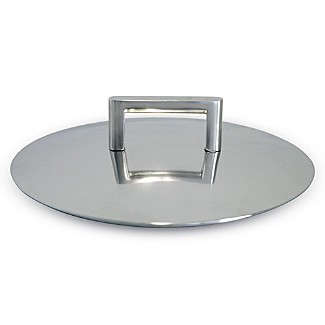
John Pawson Double-Sided Lids for Demeyere
Jun
Some kitchen tools shout for attention. They sparkle, beep, flip, spray steam, and generally behave like they are auditioning for a cooking show. Then there are the John Pawson Double-Sided Lids for Demeyere: calm, quiet, stainless steel objects that appear to have meditated before entering the kitchen. They are not flashy in the ordinary sense. They are more like a well-tailored suit, a perfectly sharpened pencil, or a door that closes with a satisfying hush. You notice the restraint first, and then you notice the intelligence.
Designed as part of John Pawson’s collaboration with Belgian cookware maker Demeyere, these lids represent a rare category of kitchen accessory: the lid as a serious design object. Not just a metal hat for a saucepan. Not merely the thing you grab when tomato sauce starts launching little red fireworks across the stovetop. These double-sided, or more accurately double-walled, lids were developed to complement professional-grade cookware with a minimalist form, strong material language, and practical cooking performance.
For cooks who care about heat retention, induction performance, durability, and visual harmony, the Demeyere John Pawson lid is a tiny architectural statement. It sits on the pan with the same composed confidence Pawson brings to houses, monasteries, furniture, and interiors. It is functional, yes. But it also suggests something surprisingly radical: even a pan lid can be beautiful without trying too hard.
What Are John Pawson Double-Sided Lids for Demeyere?
The John Pawson Double-Sided Lids for Demeyere are stainless steel lids created for the Demeyere John Pawson cookware collection. The phrase “double-sided” is often used in older product references, while “double-walled” is the clearer technical description. The lid is made with two layers of stainless steel that are sealed together, creating an insulating space between them.
This construction is the heart of the product. A regular metal lid traps steam and heat, but it can also become hot quickly and may lose heat faster once the pan is off the burner. A double-walled lid improves insulation. That helps keep food warm longer, supports more efficient simmering, and helps the handle remain cooler than a typical single-layer stainless steel lid. In practical kitchen terms, it is the difference between “nice lid” and “ah, someone actually thought about this.”
The lids were designed to match Demeyere cookware of the same diameter. That means a 20 cm lid fits a compatible 20 cm Demeyere pot or pan, and so on. Older product listings mentioned several sizes, roughly ranging from compact saucepan lids to larger 11-inch options. Availability can vary because some John Pawson for Demeyere items have been discontinued or are sold through specialty retailers, resale markets, or international stores.
John Pawson’s Design Philosophy in a Pan Lid
John Pawson is known for minimalist design, but “minimalist” can be a lazy word when it simply means “plain.” Pawson’s work is not plain in the bargain-bin sense. It is reduced, disciplined, and carefully proportioned. His best objects and spaces feel calm because unnecessary details have been removed, not because imagination has left the room.
That thinking translates unusually well to cookware. A pan lid is small, but it is not simple. It must sit securely, handle heat, allow control, clean easily, look appropriate on a stovetop, and ideally feel natural in the hand. Pawson’s cookware collaboration with Demeyere focused on formal simplicity, balance, material honesty, and the idea that a cooking vessel should look comfortable both over a flame and on the dining table.
The John Pawson lid reflects this design language. There is no decorative knob pretending to be jewelry. No busy ridges. No fussy visual noise. The handle is integrated in a restrained stainless steel form, and the lid’s profile is smooth and architectural. It looks like it belongs in a kitchen where the olive oil is decanted, the counters are clear, and the dish towel has never known chaos. Of course, it also works perfectly well in a real kitchen with onions on the counter and a spoon mysteriously stuck to the floor.
Why Demeyere Was the Right Partner
Demeyere is a Belgian cookware brand respected for stainless steel engineering, especially in the world of induction cooking. The company’s higher-end lines are known for details such as multi-layer construction, welded handles, tight-fitting lids, and surface treatments designed to keep stainless steel bright and easier to clean.
That engineering-minded background matters because Pawson’s design could not simply be sculptural. It had to perform. Demeyere cookware is often discussed in relation to technologies such as Silvinox, a surface treatment that helps stainless steel maintain a silvery finish, and InductoSeal or TriplInduc, technologies associated with efficient heat transfer and induction performance in certain Demeyere lines. While not every Demeyere piece uses the exact same construction, the John Pawson collection is firmly positioned as premium cookware rather than decorative kitchenware pretending to be useful.
In other words, this is not a celebrity-design situation where someone slapped a famous name on a shiny object and went to lunch. The Pawson-Demeyere collaboration is more interesting because it joins two kinds of precision: design precision and cooking precision.
The Double-Walled Construction: Small Detail, Big Difference
The standout feature of the John Pawson Double-Sided Lid is its double-walled construction. Two stainless steel surfaces are sealed together, creating an insulating layer between the inner and outer shell. This insulation helps the lid manage heat more intelligently.
When simmering rice, braising vegetables, cooking sauces, or keeping soup warm, the lid helps retain temperature inside the pan. Less heat escaping means the contents stay warm longer and cooking can feel more stable. It is not magic. It will not turn boxed pasta into handmade tagliatelle. But it does support the kind of gentle, controlled cooking that makes food taste like someone was paying attention.
The handle benefit is also important. Stainless steel handles can become hot, especially on gas burners or in the oven. The double-walled design helps the lid handle remain cooler during stovetop use than a simple single-layer lid might. Still, smart cooks use caution. If the lid has been in the oven or exposed to high gas flames, grab a towel or mitt. Minimalism is elegant; burned fingertips are not.
Materials: 18/10 Stainless Steel and Silvinox Appeal
The John Pawson for Demeyere cookware family is associated with high-grade stainless steel, often described as 18/10 stainless steel. This material is valued because it resists corrosion, handles daily kitchen use well, and does not react strongly with acidic foods. That matters when you are cooking tomato sauce, wine reductions, lemony pan sauces, or anything else that likes to test weaker metals.
Demeyere’s Silvinox finish is another major talking point. Stainless steel can discolor over time, especially after exposure to heat, minerals, salt, and acidic ingredients. Silvinox is designed to remove impurities from the surface and help the steel maintain its bright, silvery appearance. For home cooks, the benefit is simple: the cookware is easier to keep looking clean and polished without requiring the emotional commitment of a vintage car restoration.
On the lid, this matters because lids are constantly exposed to steam, condensed moisture, salt, and the occasional splash of enthusiastic stew. A good stainless finish helps preserve the refined appearance that makes the Pawson line so visually distinctive.
Fit, Function, and Everyday Cooking
A lid is only as good as its fit. If it rattles like a tambourine or lets steam escape wildly, it becomes more decorative than functional. The John Pawson lid is designed to fit Demeyere cookware of the matching diameter, creating a controlled cooking environment. This is especially useful for simmering, steaming, resting, and finishing dishes.
Imagine making a simple pot of rice. A poor lid loses too much steam, which can lead to uneven texture. A tight, insulating lid helps maintain the moisture and heat needed for predictable results. Or picture a pot of soup. Once the heat is turned off, a double-walled lid helps keep the soup warm while everyone wanders to the table at the speed of sleepy housecats.
The lid also works beautifully for presentation. Pawson’s design was intended to feel at home not only on the stove but also at the table. That may sound like a tiny luxury, but it changes the experience of serving food. A pot with a sculptural stainless lid can move from burner to dining table without looking like it got lost on the way to a restaurant kitchen.
Who Should Consider Buying One?
The John Pawson Double-Sided Lid for Demeyere is best suited for people who already own compatible Demeyere cookware or who are building a premium stainless steel cookware set. It is not a universal bargain lid for every pan in the cabinet. It is a specific accessory for a specific design and performance ecosystem.
It makes sense for design lovers
If you care about how objects look and feel, this lid has obvious appeal. It is calm, balanced, and visually refined. It does not scream “designer object,” which is exactly why it feels like one.
It makes sense for serious home cooks
If you cook often and value heat control, a well-made lid is not a minor detail. It helps with simmering, moisture retention, and resting food. Over time, those small advantages can make daily cooking smoother.
It makes sense for induction users
Demeyere is especially respected among induction cooks. While the lid itself does not generate induction heat, it complements cookware designed for efficient temperature management. A good pan and a good lid work as a team, like a quiet culinary buddy system.
Who Might Not Need It?
Not everyone needs a premium lid. If you cook once a month, mostly microwave leftovers, or view cookware as “the metal stuff under the spaghetti,” this may be more design poetry than practical purchase. There are also less expensive stainless steel lids that perform perfectly well for basic cooking.
Another consideration is availability. Because the John Pawson for Demeyere line has moved in and out of retail channels over the years, buyers may need to search specialty cookware shops, international retailers, or secondhand marketplaces. Prices can vary widely. That means the lid may appeal most to collectors, Demeyere enthusiasts, and people completing a matching set.
Finally, stainless steel is not featherlight. A double-walled lid can feel more substantial than a basic lid. Many users will appreciate that solid feel, but those who prefer ultra-light cookware may find it a little serious. This lid does not flutter. It lands.
How It Compares With Ordinary Stainless Steel Lids
An ordinary stainless steel lid can be durable and useful, but the John Pawson Double-Sided Lid adds three advantages: insulation, integrated visual design, and premium construction. The insulation helps retain heat. The visual design matches the Pawson cookware line. The construction feels more intentional than a generic replacement lid.
Compared with glass lids, stainless steel has different strengths. Glass lets you see the food, which is helpful if you enjoy watching pasta water threaten mutiny. But glass can be heavier, breakable, and less visually consistent with high-end stainless cookware. Stainless steel lids are generally tougher and better suited to oven use, depending on the manufacturer’s temperature guidelines.
The Pawson lid is for cooks who prefer durability and design cohesion over transparency. You cannot watch the stew bubble, but you can lift the lid and look. Humanity survived this way for centuries.
Care and Maintenance Tips
Stainless steel is durable, but good care keeps it handsome. Wash the lid with warm water, mild dish soap, and a non-scratch sponge. If mineral spots appear, a little diluted vinegar can help. For stubborn discoloration or cooked-on residue, a stainless steel cleaner suitable for cookware can restore brightness.
Avoid harsh scouring pads that may scratch the finish. Also avoid leaving salty water or acidic residue sitting on the lid for long periods. Stainless steel resists corrosion, but “resists” does not mean “enjoys being neglected in the sink overnight like a forgotten shipwreck.”
If the lid is dishwasher safe according to the retailer or manufacturer listing, the dishwasher may be acceptable. Still, hand washing is often the gentler route for premium cookware, especially if you want to preserve that elegant shine. Drying immediately after washing helps prevent water spots.
Design Value: Why This Lid Still Gets Attention
The reason people still search for John Pawson Double-Sided Lids for Demeyere is not just performance. Many cookware products perform well. This lid remains interesting because it occupies a rare overlap between industrial design, architectural minimalism, and daily kitchen function.
Most kitchens are full of compromise. The useful thing is ugly. The pretty thing is fragile. The expensive thing requires special treatment and possibly its own therapist. The Pawson lid avoids much of that drama. It is useful, durable, and beautiful in a restrained way.
That combination gives it long-term appeal. It is not trend-based. It does not depend on a color of the year or a seasonal design mood. Stainless steel, simple geometry, and thoughtful proportion age well. In a world of gadgets that become obsolete before the warranty card gets dusty, a well-designed lid is refreshingly low-tech.
Experience: Living With a John Pawson Double-Sided Lid
The experience of using a John Pawson Double-Sided Lid begins before the cooking does. You notice the weight first. It feels deliberate in the hand, not clumsy, but reassuring. There is a satisfying sense that the object has been engineered rather than merely manufactured. When placed on the matching pan, it settles with a neat, controlled presence. No wobbling performance. No dramatic clank. Just a quiet stainless steel “yes.”
During cooking, the lid rewards slower, more thoughtful methods. It is especially pleasant when preparing dishes that need steady heat: rice, lentils, brothy beans, poached chicken, vegetable stews, or a simple tomato sauce. The lid helps create a stable environment inside the pot, reducing the temptation to keep lifting and checking. That is useful because every unnecessary peek releases heat and steam. The food is trying to cook; sometimes the cook is the problem.
One of the nicest everyday experiences is using the lid after turning off the heat. A covered pot stays warm longer, which helps when dinner timing is imperfect. Maybe the vegetables are ready but the fish needs two more minutes. Maybe someone said “I’m coming” and then began an archaeological expedition for their phone charger. A well-insulated lid gives you a little buffer.
Serving is another pleasure. Many pots look purely functional at the table, but the John Pawson Demeyere combination has a calm, finished appearance. It can sit beside ceramic bowls, linen napkins, or a very normal Tuesday-night stack of plates and still look composed. That matters because cooking is not only about heat and ingredients. It is also about atmosphere. A beautiful tool can make an ordinary meal feel more intentional.
The lid also changes how you think about kitchen objects. Many people buy cookware based on the pan and treat the lid as an afterthought. With this design, the lid becomes part of the cooking system. It supports heat retention, protects the food, completes the form, and contributes to the sensory rhythm of cooking. Lift, stir, cover, wait. The motion feels simple and satisfying.
There are practical realities, of course. Stainless steel shows fingerprints. Water spots happen. The lid can feel substantial if you are used to thin, lightweight cookware. And because availability may be limited, replacing one is not as effortless as grabbing a generic lid from a supermarket shelf. But those drawbacks are part of the larger truth: this is a premium, specialized object.
For the right cook, that specialization is the charm. The John Pawson Double-Sided Lid for Demeyere is not trying to be everything to everyone. It is trying to be one thing very well: a beautifully reduced, highly functional lid for serious stainless steel cookware. In that role, it succeeds with admirable restraint. It is the rare kitchen accessory that makes you want to clean the stovetop before using it, which may be its most mysterious power of all.
Conclusion
The John Pawson Double-Sided Lids for Demeyere prove that even the most ordinary kitchen object can become extraordinary when design and engineering meet with discipline. These double-walled stainless steel lids are not just accessories; they are part of a larger cooking philosophy built around heat control, durability, visual calm, and everyday usefulness.
They are not the cheapest lids, and they are not always easy to find. But for owners of compatible Demeyere cookware, collectors of minimalist design, and cooks who appreciate tools that look as refined as they perform, they remain deeply appealing. They keep food warm, support efficient cooking, clean up well, and bring Pawson’s architectural restraint into the most practical room of the house.
In a kitchen world full of gadgets promising miracles, this lid offers something quieter: better design, better materials, and a better relationship with the pan beneath it. That may not sound dramatic, but then again, the best design rarely bangs a spoon on the table. It simply works, beautifully.

