
Body Care
When ‘A Charlie Brown Christmas’ Was Too Christmas For CBS
Jun
Sapo: Before A Charlie Brown Christmas became a warm blanket of holiday nostalgia, CBS executives reportedly worried it was too slow, too strange, too sincere, andyestoo openly Christmas. The 1965 special broke nearly every rule of prime-time television: no laugh track, real children’s voices, a jazz soundtrack, minimalist animation, a sad kid asking big questions, and Linus calmly reciting the Nativity story on national TV. Somehow, that “risky” little cartoon became one of the most beloved Christmas specials ever made.
The Little Tree That Made Network Executives Sweat
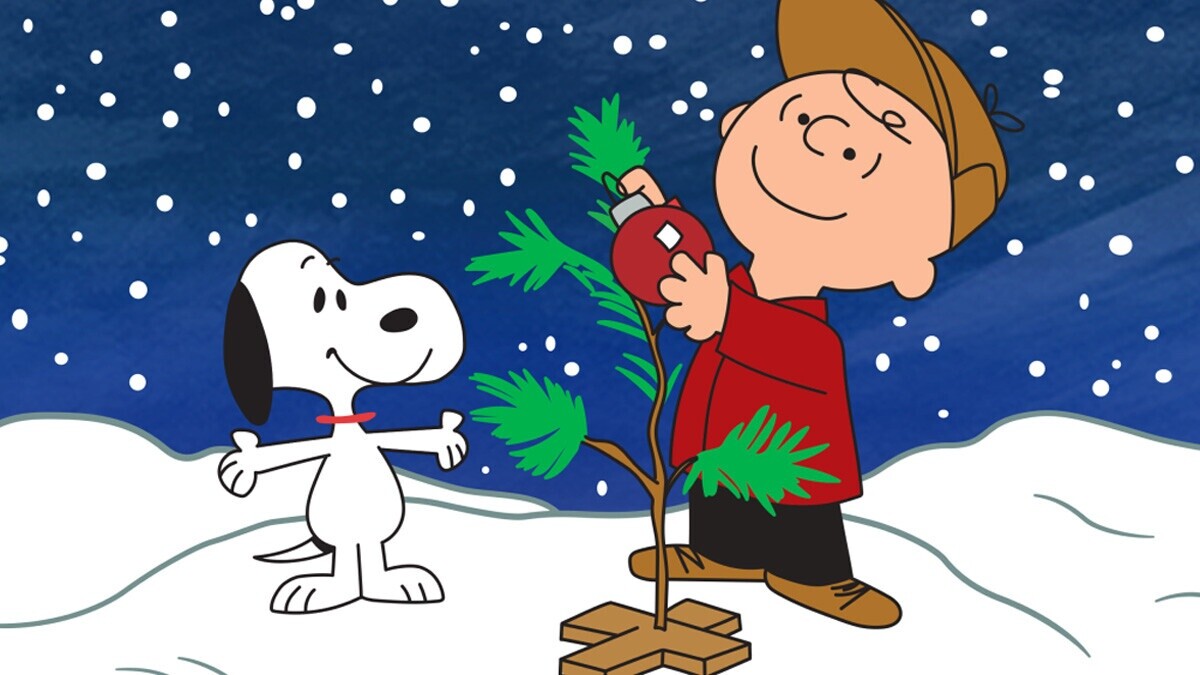
Today, A Charlie Brown Christmas feels inevitable. Of course Charlie Brown buys the scraggly tree. Of course Snoopy decorates his doghouse like a suburban Las Vegas. Of course Linus steps into the spotlight and explains the “true meaning of Christmas.” The special is so deeply stitched into American holiday culture that it is hard to imagine anyone watching it and thinking, “Well, this is television doom wrapped in a blanket.”
But in 1965, that was close to the reaction inside CBS. The network had reason to be nervous. Prime-time animated specials were still unusual. Peanuts was already a massively popular comic strip, but transferring Charles M. Schulz’s quiet, philosophical children from newspaper panels to television was not guaranteed to work. The strip lived in pauses, sighs, anxieties, and punchlines that often arrived like tiny emotional weather reports. Television executives preferred certainty, sparkle, and audience-tested cheer. Charlie Brown brought seasonal depression and a tree with the posture of a wet mop.
The special was sponsored by Coca-Cola and produced under a tight deadline by Lee Mendelson, Bill Melendez, and Schulz. They had only months to create a half-hour program, and they made several choices that seemed almost designed to raise corporate blood pressure. The children were voiced by actual children, not polished adult actors. Vince Guaraldi’s jazz score replaced the expected sleigh-bell orchestra. Schulz rejected a laugh track. The story moved slowly. The animation was spare. And at the center of it all was a direct Bible reading from the Gospel of Luke.
In other words, CBS had asked for a holiday special and received a gentle anti-commercial sermon with jazz piano, child existentialism, and a dog who understood brand merchandising better than most agencies.
Why CBS Thought It Was “Too Christmas”
The phrase “too Christmas” sounds odd now because the title is literally A Charlie Brown Christmas. What did CBS expectA Charlie Brown Lightly Seasonal Retail Opportunity? Yet network concerns were not simply about holiday content. They were about religious specificity. Schulz wanted the special to address Christmas directly, not as a shopping season, not as a vague winter celebration, and not as a decorative excuse for tinsel. He wanted to ask what Christmas meant.
That question becomes the emotional engine of the story. Charlie Brown begins the special feeling empty and confused. Everyone around him seems busy, distracted, or delighted by the wrong things. Lucy wants real estate. Sally wants Santa to send cash, preferably in tens and twenties. Snoopy enters a decorating contest. The school Christmas play becomes less a sacred pageant and more a chaotic committee meeting run by children with union-level confidence.
Then Charlie Brown finally cries out that he does not know what Christmas is all about. Linus, the blanket-carrying philosopher of the Peanuts universe, answers not with a joke but with scripture. He recites the Nativity passage from Luke 2, describing the shepherds, the angel, and the birth of Christ. For a mainstream 1960s television special, that was bold. Holiday episodes often included music, family, snow, gifts, and generalized goodwill. A child quoting the New Testament in prime time was something else entirely.
Mendelson and Melendez reportedly worried that the scene might be too religious for television. Schulz insisted it stay. His famous response“If we don’t do it, who will?”has become almost as legendary as the special itself. That line explains the spine of the program. Schulz was not trying to sneak religion past the network like contraband fruitcake. He believed that without the Nativity moment, the story would lose its purpose.
A Christmas Special With No Laugh Track? Good Grief
The Bible passage was not the only thing that made CBS uneasy. The entire production felt different from the television grammar of the time. Sitcoms and many animated programs used laugh tracks to cue the audience. Schulz hated the idea. Peanuts humor was dry, inward, and sometimes painfully honest. A laugh track would have stomped through the show wearing snow boots.
Imagine hearing canned laughter after Charlie Brown admits he feels depressed during the holidays. That would be like putting a whoopee cushion under a therapist’s chair. Schulz trusted the audience to know when something was funny, sad, or both. That trust became one of the special’s quiet strengths. It allowed viewers to sit with Charlie Brown’s loneliness instead of being told how to react every twelve seconds.
The use of real children’s voices added another risk. Some of the performances were imperfect, and that was exactly why they worked. The kids sounded like kids: uneven, sincere, occasionally awkward, and charmingly untrained. Their line readings gave the special a documentary-like innocence. The world of Peanuts was already strangechildren speaking in sophisticated emotional language while adults remained invisible trombone noisesso authentic child voices helped keep it grounded.
Then there was Vince Guaraldi’s music. Jazz was not the obvious choice for a children’s Christmas cartoon in 1965. Yet Guaraldi’s score gave the special its soul. “Christmas Time Is Here” floats in with melancholy beauty, while “Linus and Lucy” turns a simple dance scene into one of the most recognizable sequences in television history. CBS reportedly questioned the mix of jazz and classical music, but Guaraldi understood something crucial: Christmas is not only cheerful. It is nostalgic, lonely, hopeful, funny, and mysterious all at once.
The Anti-Commercial Christmas Paid For by a Sponsor
One of the funniest contradictions in television history is that A Charlie Brown Christmas criticizes holiday commercialism while being sponsored by Coca-Cola. The special gently mocks the way Christmas had become a shopping event, complete with contests, wish lists, aluminum trees, and children who already understand cash flow. Lucy’s complaint that Christmas is run by a “big Eastern syndicate” is a joke, but it lands because the adults in the room knew she had a point.
Schulz was not saying gifts, decorations, or festive fun were evil. The special is not anti-joy. It is anti-emptiness. Charlie Brown is surrounded by Christmas activity, but none of it gives him peace. His friends are busy, Snoopy is dazzling, and Lucy is open for psychiatric business, yet nobody can answer his deeper question until Linus does.
The tiny tree becomes the perfect symbol. It is weak, overlooked, and mockedbasically Charlie Brown with branches. Everyone wants something shiny and impressive. Charlie Brown chooses the little tree because he thinks it needs him. His choice looks foolish to the others, but the ending transforms that rejected tree into a sign of grace. With a little care, the pathetic tree becomes beautiful. It does not become beautiful because it was secretly perfect. It becomes beautiful because someone finally sees it with love.
The Network Was Wrong, and America Knew It Quickly
When CBS executives screened the finished program, they were reportedly unimpressed. They thought it was slow, flat, and uncertain. Some worried there would not be another Peanuts special. But the broadcast was already scheduled, and there was no time to replace it. So on December 9, 1965, CBS aired the show.
Then something extraordinary happened: audiences loved it. The special drew a huge share of viewers and became one of the top-rated programs of the week. Critics praised its freshness, sincerity, and unusual emotional tone. The supposed weaknesses became the very qualities people remembered. The lack of a laugh track made it feel honest. The children’s voices made it feel real. The jazz made it feel timeless. The Bible passage gave it moral clarity. The little tree made adults cry, though they might have blamed the onions in the holiday dip.
The special went on to win major honors, including an Emmy and a Peabody Award. CBS ordered more Peanuts specials, launching a long television legacy. What had looked like a one-time risk became a yearly ritual. For decades, families planned around the broadcast. Before streaming, before DVRs, before everyone could summon holiday content from a glowing rectangle in their pocket, missing A Charlie Brown Christmas meant waiting an entire year. That gave the special an almost ceremonial quality.
Why the Special Still Works
The reason A Charlie Brown Christmas still resonates is not just nostalgia. Plenty of old holiday programs now feel like museum exhibits with jingles. This one remains alive because it understands a truth many Christmas stories avoid: the holidays can make people feel worse before they feel better. Charlie Brown is not ungrateful. He is overwhelmed by the gap between what Christmas is supposed to feel like and what he actually feels.
That emotional honesty is why the special continues to connect with children and adults. Children recognize the humor, the dancing, Snoopy’s antics, and the strange authority of Lucy’s clipboard. Adults recognize the loneliness, the pressure to be cheerful, the exhaustion of commercial noise, and the need for a simple answer in a complicated season.
The show also benefits from restraint. It does not shout. It does not over-explain. It gives viewers room. Linus’s speech is delivered quietly, almost plainly, which makes it stronger. The final carol feels earned because the story has moved from confusion to community. Charlie Brown is not suddenly popular in a shallow way. His friends simply realize they have been unkind, and they repair what they can. That is a small miracle, but small miracles are exactly the kind Peanuts does best.
The “Too Christmas” Problem Looks Different Now
Looking back, the CBS concern that the program might be too religious is understandable in a narrow business sense. Networks wanted broad appeal. They feared alienating viewers. Television was expensive, advertiser-driven, and cautious. But what made the special risky also made it memorable. It did not try to sand down every edge until Christmas became a snowflake-shaped corporate memo. It had a point of view.
That does not mean every viewer experiences the special the same way. Some cherish it as a Christian statement. Others admire it as anti-commercial art, childhood philosophy, jazz history, or a beautifully odd piece of television craft. Its genius is that these layers do not cancel one another out. Schulz built a story specific enough to matter and gentle enough to welcome people in.
In modern SEO terms, the program has excellent “evergreen content.” In human terms, it has a beating heart. It answers holiday anxiety not with bigger decorations but with meaning, humility, friendship, and care for the smallest tree in the lot. That is why the special survived changing networks, changing viewing habits, and changing culture. A shiny aluminum tree may catch the eye, but Charlie Brown’s little tree keeps catching the heart.
Experiences and Reflections: Watching Charlie Brown in a Noisy Holiday World
For many viewers, watching A Charlie Brown Christmas is less like pressing play and more like opening a family ornament box. The special carries memories with it: living-room carpet, blinking lights, the smell of cookies, parents pretending not to be emotional, and siblings arguing over the best seat on the couch as though the United Nations should be called. Even people who did not grow up with the original CBS broadcasts often feel that the show belongs to some shared American holiday memory.
Part of the experience is the surprise of how quiet it is. Modern Christmas entertainment often arrives like a parade float with Wi-Fi: louder songs, brighter colors, faster jokes, bigger romance, and enough fake snow to bury a midsize sedan. A Charlie Brown Christmas asks viewers to slow down. Its pauses are part of the music. Its jokes are gentle. Its sadness is allowed to breathe. That can feel almost radical now, especially in a season when everyone is encouraged to buy more, post more, travel more, and smile harder.
The special also gives viewers permission to admit that Christmas is complicated. Charlie Brown’s sadness is not treated as a scandal. He is not told to cheer up because decorations exist. He is not fixed by shopping, applause, or social approval. He is helped by meaning and community. That is why the story remains useful. People can love Christmas and still feel tired by it. They can enjoy gifts and still dislike the pressure of commercial excess. They can admire beautiful decorations and still feel drawn to the crooked little tree that needs someone to believe in it.
Parents watching with children often notice different things than they did when they were young. As kids, they may have loved Snoopy’s dance or Lucy’s bossy confidence. As adults, they may find themselves quietly devastated by Charlie Brown’s line about not feeling happy during Christmas. The special grows with the viewer. It starts as a cartoon and becomes a mirror.
The Linus scene, whether approached from faith, cultural history, or storytelling craft, remains the turning point. It is striking because it does not behave like television trying to win attention. It behaves like a child telling the truth as he understands it. No flashy camera trick is needed. No orchestra swells into emotional overkill. Linus simply speaks, and the room changes.
That is the lasting experience of A Charlie Brown Christmas: it reminds viewers that sincerity can still cut through noise. The special was once considered too slow, too odd, and too Christmas. Yet those qualities are why people return to it. It is not perfect in a glossy way. It is perfect in the Charlie Brown way: humble, awkward, honest, and somehow exactly what was needed.
Conclusion
A Charlie Brown Christmas became a classic because it refused to act like a normal holiday special. CBS worried that its religious content, jazz score, slow pacing, child actors, and lack of laugh track would confuse or alienate audiences. Instead, those choices gave the program its identity. Charles M. Schulz believed a Christmas story should be about more than decorations and salesmanship, and his stubborn sincerity turned a network concern into a cultural landmark.
The irony is delicious enough to serve with cocoa: the special that seemed too Christmas for CBS became one of the most enduring Christmas programs in American television. Its message still works because it is simple without being shallow. In a season crowded with glitter, noise, and pressure, Charlie Brown’s little tree still whispers the same thing it did in 1965: maybe Christmas does not need to be bigger. Maybe it needs to be truer.
Note: This article synthesizes real historical information from reputable U.S. sources including the Charles M. Schulz Museum, Smithsonian Magazine, HISTORY, People, NPR, WVXU/Cincinnati Public Radio, Television Academy, Peabody Awards, Apple TV press materials, Associated Press, National Catholic Reporter, Los Angeles Times, The Atlantic, Concord/Craft Recordings, and PBS-related coverage.

