
Hair Care
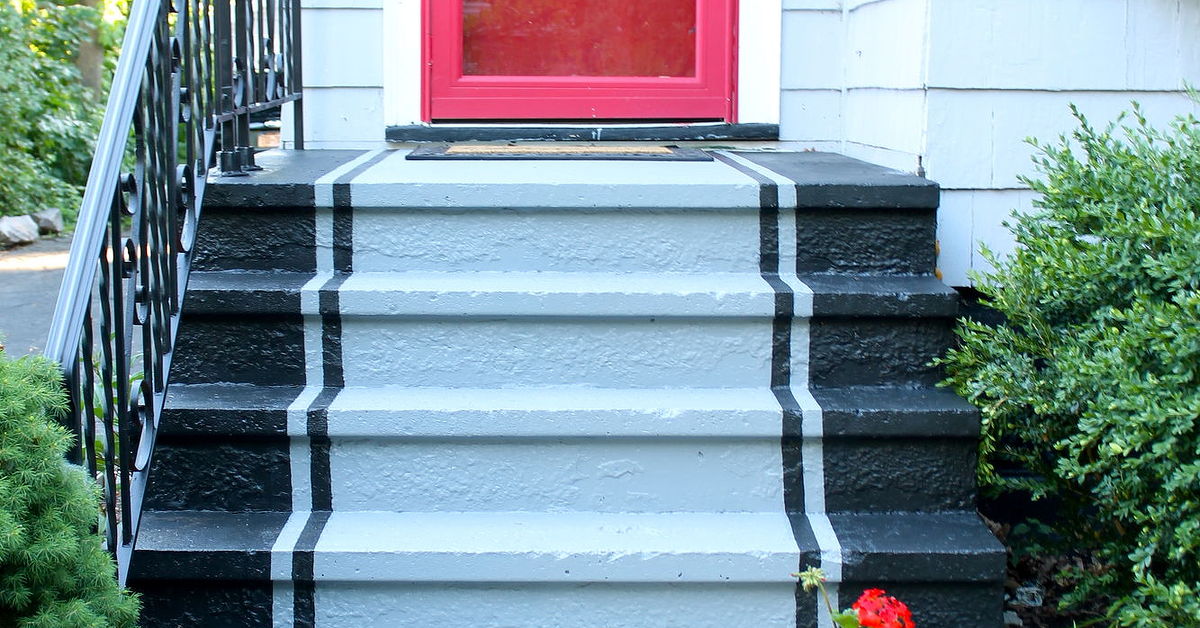
We Added Some More Curb Appeal
Jul
The front of our house was not exactly a disaster. The roof was where it belonged, the mailbox had not surrendered to gravity, and no mysterious vines were attempting to swallow the porch. Still, the exterior felt unfinished. It looked less like a warm welcome and more like the house was quietly hoping nobody would notice it.
That is how our latest curb appeal project began. We did not plan a dramatic exterior renovation or hire a television crew to gasp at the “before” photo. Instead, we focused on practical improvements that would make the entrance cleaner, brighter, easier to navigate, and more connected to the architecture of the house.
The result proved that improving curb appeal is rarely about one expensive feature. It is usually the combined effect of cleaning, repairing, planting, painting, lighting, and editing. Here is what we changed, why it worked, and what we learned along the way.
We Started With the View From the Street
Before buying paint or dragging home a collection of plants, we walked across the street and looked back at the house. This simple step was surprisingly useful. Up close, we tended to focus on individual details. From the curb, we could see the entire composition.
The front door disappeared into the facade. The planting beds looked narrow and disconnected. One shrub was doing its best impression of a green refrigerator, while another appeared to have resigned from landscaping altogether. The porch light was undersized, the house numbers were difficult to read, and the walkway needed a serious cleaning.
We Made a Curb Appeal Priority List
To keep the project from becoming an uncontrolled shopping expedition, we divided the work into three categories:
- Maintenance: cleaning, pruning, edging, weeding, and repairing.
- Visual upgrades: paint, lighting, hardware, house numbers, and planters.
- Long-term improvements: better landscaping, clearer walkways, drainage, and durable exterior materials.
This order mattered. New decorations cannot rescue dirty siding, peeling trim, or a flower bed occupied by more weeds than flowers. We decided to fix the background before adding accessories.
Cleaning Created the Fastest Transformation
The least glamorous part of adding curb appeal was also one of the most effective: washing everything. Dirt accumulates gradually, which means homeowners often stop seeing it. Unfortunately, visitors, delivery drivers, and that one neighbor with impossibly perfect boxwoods still notice.
We cleaned the siding, porch floor, steps, walkway, windows, light fixtures, and mailbox. A pressure washer helped with the concrete, but we used a lower-pressure method around painted wood, window seals, and delicate surfaces. Exterior cleaning should reveal the finish, not remove it at highway speed.
Small Repairs Made the Exterior Look Cared For
Once the grime was gone, minor problems became easier to spot. We tightened a loose railing, replaced cracked caulk around a trim joint, touched up chipped paint, and straightened a gutter extension. None of these jobs produced exciting photographs, but together they made the house feel maintained.
That is an important curb appeal lesson: condition communicates more than decoration. A simple home with clean surfaces and sound details often looks better than an elaborately decorated house with obvious neglect.
The Front Door Became the Focal Point
Every successful front elevation needs a clear destination. In our case, the front door blended into the surrounding colors so completely that guests could have mistaken it for a large, unusually confident wall panel.
We chose a richer door color that complemented the siding and trim while providing enough contrast to be visible from the street. Before painting, we cleaned the surface, lightly sanded rough areas, repaired small imperfections, and applied a suitable exterior primer where needed. We used weather-resistant exterior paint in an easy-to-clean finish.
We Coordinated the Entry Hardware
The old handle, knocker, and light fixture had different finishes and appeared to come from three unrelated decades. Replacing everything was not necessary, so we cleaned the pieces that were still in good condition and changed only the items that looked worn or out of scale.
A larger porch light gave the doorway more visual weight and improved nighttime visibility. New house numbers were installed where they could be read clearly from the street. We also added a simple doormat and avoided covering the door with enough seasonal decor to qualify as a small craft store.
Better Lighting Extended the Curb Appeal After Dark
A house should not lose all of its charm when the sun goes down. Exterior lighting helps guests find the entrance, makes steps and walkways safer, and highlights attractive architectural or landscape features.
We approached lighting in layers. The porch fixture provided general illumination near the door. Low pathway lights marked the route from the driveway, while a few carefully placed landscape lights added depth around the planting beds.
The goal was not to illuminate the yard like a sports stadium. We used warm, restrained lighting and aimed fixtures downward whenever possible. This reduced glare and kept the focus on the path, plants, and entrance rather than on the neighbors’ bedroom windows.
We Reshaped the Front Planting Beds
The existing beds were too narrow for the plants and looked like thin strips of mulch reluctantly attached to the house. We widened selected areas and created gentle curves that connected the porch, walkway, and corners of the facade.
Landscape beds do not need complicated shapes, but their proportions should make sense from the street. Broader beds gave us enough room to arrange plants in layers rather than forcing everything into a single row.
We Used Plants With Different Heights and Seasons
Our planting plan included low ground-level plants near the front edge, medium-height perennials in the middle, and compact shrubs toward the back. We also included evergreen structure so the yard would not look empty during colder months.
Instead of choosing plants only because they looked attractive at the garden center, we considered mature size, sunlight, soil drainage, regional climate, maintenance needs, and proximity to the house. A tiny shrub with an innocent nursery label can eventually become a window-blocking monster if its mature dimensions are ignored.
Native and climate-appropriate plants were especially useful because they generally fit local growing conditions better than thirsty, temperamental selections. We still wanted seasonal color, so we added a few flowering perennials and reserved annuals for containers where they could be changed easily.
Fresh Edging and Mulch Made Everything Look Finished
Clean bed edges created a visible boundary between the lawn and landscaping. We then applied mulch at an appropriate depth, keeping it away from siding, plant crowns, and tree trunks. Piling mulch against a tree in the shape of a volcano may be common, but trees have not requested this service.
The fresh mulch unified the beds, reduced the visual impact of bare soil, and helped conserve moisture. More importantly for immediate curb appeal, it made the entire landscape look intentional.
Containers Added Flexible Color
Two coordinated planters near the entrance gave the porch symmetry and softened the transition between the walkway and front door. Matching containers do not have to contain identical plants, but repeating colors, shapes, or materials creates order.
We used a simple container formula: one upright plant for height, fuller plants for body, and trailing plants to soften the edges. The selections were scaled to the pots and suited to the available sunlight.
Containers are particularly helpful for small porches, rental homes, or properties where permanent landscaping is limited. They can also be refreshed seasonally without redesigning the entire yard every three months.
We Improved the Walkway Without Rebuilding It
The walkway was structurally sound, so replacing it would have added cost without solving a meaningful problem. Cleaning the surface, removing weeds from the joints, and defining the edges made a major difference.
We also trimmed plants that leaned into the walking area. A beautiful entrance loses some of its charm when visitors must fight a shrub to reach the door. Clear circulation should always take priority over decorative abundance.
Where the path met the porch, we added planters and lighting to emphasize the direction of travel. This strengthened the visual connection between the sidewalk and entrance without requiring new concrete or masonry.
The Mailbox and House Numbers Finally Joined the Design
The mailbox had been treated as an isolated utility rather than part of the exterior. We cleaned and repainted the post, replaced worn hardware, and repeated a finish already used near the front door.
We kept the surrounding planting simple so it would not interfere with access or visibility. A compact border of low plants added color without creating a maintenance trap around the post.
House numbers received similar attention. They needed to be large enough, contrasting enough, and positioned clearly enough to be seen by guests and emergency responders. Decorative lettering is lovely until nobody can determine whether the address says 36, 86, or “possibly a swan.”
We Added a Small Porch Seating Area
Our porch did not have room for a full outdoor living room, but it could accommodate a compact chair and side table without blocking the door. This small addition made the entrance feel more welcoming and suggested that the porch was meant to be used.
We selected outdoor furniture sized to the available space and left a comfortable path for entering and exiting. One cushion introduced color already present in the planters, helping the entry feel coordinated rather than randomly furnished.
The key was restraint. A tiny porch packed with furniture, signs, baskets, lanterns, pillows, and decorative ladders can become visually exhausting. We chose a few useful pieces and allowed some empty space to remain.
How We Controlled the Curb Appeal Budget
Curb appeal projects can expand quickly because nearly every improvement reveals another possible improvement. Painting the door makes the light fixture look old. Replacing the light fixture makes the house numbers seem small. New numbers make the mailbox look as if it has been through several difficult winters.
We controlled costs by prioritizing high-visibility areas and reusing anything that remained functional. Cleaning, pruning, painting, and rearranging came before replacement. We spent more on durable items exposed to weather, such as exterior paint and lighting, and less on accessories that could be changed later.
A Practical Order for Exterior Improvements
- Remove clutter and complete basic cleaning.
- Repair damaged, loose, or unsafe elements.
- Prune overgrown plants and restore lawn and bed edges.
- Refresh paint on the door, trim, shutters, or mailbox.
- Update lighting, hardware, and address numbers.
- Add mulch, climate-appropriate plants, and containers.
- Finish with restrained furniture and seasonal decor.
This sequence reduced wasted effort. There is little sense in installing new planters before pressure washing the wall behind them or spreading mulch before repairing drainage that will wash it into the driveway.
What Made the Biggest Difference
Looking at the completed project, the most effective improvement was not the most expensive one. The transformation came from consistency. The door, lighting, hardware, planters, and mailbox now felt related. The landscaping framed the house instead of hiding it, and the walkway led clearly to the entrance.
Color repetition also helped. Rather than introducing a different accent at every opportunity, we repeated a limited palette across the door, flowers, containers, and porch textile. This gave the exterior a calmer, more cohesive appearance.
Finally, we stopped before the design became cluttered. Curb appeal is not measured by the number of decorative objects visible from the street. It is created through proportion, maintenance, clarity, and a few memorable details.
Our Experience Adding More Curb Appeal
The most valuable part of this project was discovering how differently we saw the house once we began working from the outside in. We had spent plenty of time improving interior rooms, where changes were immediately visible in daily life. The front yard was easier to postpone because we usually hurried through it carrying groceries, packages, tools, or all three at once.
During our first street-side inspection, we took photographs from several angles. The camera noticed things our brains had politely edited out: uneven shrubs, a dark entry, stained concrete, and a collection of small objects on the porch that did not form anything resembling a design. Viewing the pictures in grayscale was also helpful because it revealed where the facade lacked contrast.
We originally assumed the project would begin with landscaping. Instead, the cleaning phase changed our priorities. Once the walkway and siding were washed, the house looked brighter, and we realized that several items did not need replacement. The porch floor, for example, was not as worn as we thought; it was simply carrying several seasons of dirt.
Painting the front door produced the most satisfying single-day result. Choosing the color, however, required more thought than expected. A small paint sample looked cheerful in the store but became startlingly bright in direct afternoon sun. We tested larger samples and checked them in morning light, shade, and evening conditions before making the final decision. That extra step prevented the front door from becoming visible from neighboring counties.
Landscaping taught us another useful lesson: mature plant size matters more than the size of the container at purchase. We removed one shrub that had been planted too close to the walkway and relocated another that was blocking part of a window. After spacing the new plants properly, the beds looked slightly sparse at first. We resisted the temptation to fill every gap, knowing the plants would need room to grow.
We also learned to plan maintenance while designing. A complicated landscape might photograph beautifully on installation day, but we wanted something we could keep attractive without devoting every weekend to pruning and watering. Repeating a smaller number of dependable plants created a more unified design and simplified care.
The lighting installation changed how we used the entrance. Previously, the porch felt dim and the walkway disappeared after sunset. With a properly scaled porch fixture and subtle path lighting, the front of the house became more inviting at night without feeling overlit. We adjusted the fixtures several times to eliminate glare, proving that outdoor lighting involves at least as much aiming as installing.
Not every decision worked immediately. One decorative planter was too small for the porch and looked like it had arrived by mistake. A doormat with a busy pattern competed with the door color. We returned the planter, replaced the mat, and accepted that editing is part of the process. Removing an item can improve curb appeal just as effectively as adding one.
The project also changed our relationship with the neighborhood. Spending time in the front yard led to more conversations with neighbors than we had during months of backyard work. People stopped to ask about the plants, compliment the door color, or offer opinions about mulch with the intensity normally reserved for national elections.
Most importantly, the refreshed exterior made coming home feel different. The entrance was no longer just a transition point between the driveway and the living room. It became a pleasant, organized space that reflected the care we had already given the interior.
Our experience confirmed that adding curb appeal does not require changing everything at once. Start with what is dirty, damaged, overgrown, hidden, or difficult to navigate. Create a clear focal point, repeat a few materials and colors, and choose improvements that make the property easier to maintain. A house does not need to be the loudest one on the block. It simply needs to look welcoming, cared for, and confidently itself.

