
Skincare
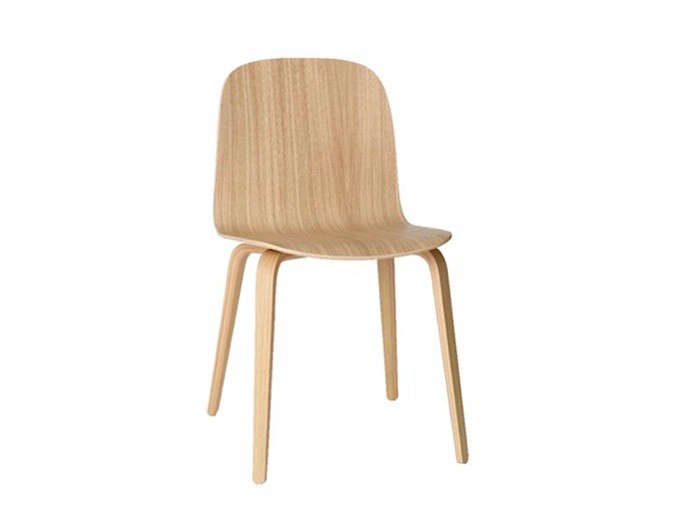
Visu Chair Wood Base
Jul
The Visu Chair Wood Base is what happens when Scandinavian restraint meets a stubborn refusal to make “simple” look boring. Designed by Finnish designer Mika Tolvanen for Muuto, this contemporary wooden chair combines a softly curved veneer shell with slender, form-pressed wooden legs. The result is light, clean, and quietly distinctiverather like the best-dressed person at a dinner party who never needs to mention where the jacket came from.
Its appeal extends beyond appearance. The Visu Chair was created as a modern interpretation of the familiar plywood chair, balancing recognizable materials with careful proportions, ergonomic shaping, and a surprisingly versatile personality. It can sit around a dining table, face a compact writing desk, welcome guests in a conference room, or bring warmth to a café without looking like it was chosen from the “commercial furniture” aisle.
This guide explores the Visu Chair Wood Base in detail, including its design story, materials, dimensions, comfort, styling possibilities, maintenance needs, advantages, limitations, and realistic everyday ownership experience.
What Is the Visu Chair Wood Base?
The Visu Chair Wood Base is a molded-veneer side chair manufactured by Danish design brand Muuto. It belongs to the broader Visu family, which includes wood-base, tube-base, sled-base, lounge, counter-stool, bar-stool, swivel, and upholstered variations.
Finnish designer Mika Tolvanen developed the collection in the early 2010s. His goal was not to reinvent sitting as though humanity had been doing it incorrectly for thousands of years. Instead, he focused on refining the plywood chair: improving its character, proportions, construction, and comfort without making it visually loud. Tolvanen has described the design as familiar but not boring, with function and ergonomics treated as essential rather than decorative afterthoughts.
The chair’s visual identity comes from the relationship between two elements:
- A curved, form-pressed veneer shell that supports the seat and back.
- A slender wooden base that feels sturdy without looking heavy.
There are no unnecessary flourishes, ornamental joints, or dramatic angles trying to win an architecture award on their own. Every line contributes to the chair’s gentle, unified silhouette.
Design Philosophy: Quiet, Precise, and Approachable
A Modern Interpretation of the Plywood Chair
Molded plywood chairs have been central to modern furniture design for decades. Their popularity is easy to understand: thin layers of wood veneer can be pressed into curved shapes that would be difficult to create from a single solid board. The process allows designers to make a shell that feels light while providing useful support.
The Visu Chair respects that tradition but avoids looking like a museum reissue. Its back curves inward gently, its seat has a controlled scoop, and the edges are carefully softened. From the front, it appears open and friendly. From the side, the subtle bend of the shell becomes more noticeable. From behind, the connection between the shell and base is clean enough to satisfy people who inspect restaurant chairs while everyone else is reading the menu.
A Chair That Does Not Shout
Tolvanen has explained that he prefers products with character and playfulness but a quiet presence. That description fits the Visu Chair Wood Base remarkably well. It is recognizable without becoming a visual distraction, making it easier to use in rooms where other pieces deserve attention.
This quietness is valuable in contemporary interiors. A set of six highly sculptural chairs can make a dining area resemble a furniture showroom. Six Visu Chairs, by contrast, create rhythm and consistency without overwhelming the table, lighting, artwork, or people using the space.
Materials and Construction
Form-Pressed Wood Veneer
The non-upholstered Visu Chair uses a form-pressed veneer shell and a form-pressed veneer base. Depending on the selected finish, versions may feature oak or ash veneer covered with a water-based lacquer. The layered veneer construction makes the broad curves of the seat and back possible while preserving a relatively slim profile.
Muuto uses water-based lacquer on the Visu series. The company states that this finish emits fewer chemicals than conventional lacquers during production and supports healthier indoor environments and improved production conditions. Natural veneer may show small variations in tone and grain, which should be viewed as part of the material rather than evidence that the chair had a difficult journey through the warehouse.
A Base That Looks Lighter Than It Feels
The wooden legs have a slim, tapered appearance, but the base is designed to provide stable everyday support. Because the shell and legs share similar material language, the chair feels visually continuous instead of appearing like a molded seat placed on an unrelated frame.
This unity is particularly attractive in the all-oak and tone-on-tone colored models. A two-tone option, such as a pale shell paired with a natural oak base, creates slightly more contrast while retaining the chair’s understated identity.
Visu Chair Wood Base Dimensions
Dimensions can vary slightly between production periods, configurations, and regional listings. Muuto’s current professional product information lists the chair at approximately the following measurements:
| Measurement | Approximate Size |
|---|---|
| Overall height | 31.5 inches |
| Overall width | 18.1 inches |
| Overall depth | 19.7 inches |
| Seat height | 18.1 inches |
| Seat depth | 16.1 inches |
Some retailer listings show an overall height closer to 31 inches and a depth near 20 inches. Buyers should therefore confirm the measurements attached to the exact finish and product number they are ordering.
The compact width makes the chair useful around smaller dining tables. Its approximately 18-inch seat height also works with most standard dining tables, which are commonly around 28 to 30 inches high. Remember to measure the available space between table legs, not merely the tabletop. Chairs are famously uncooperative when asked to pass through solid wood.
How Comfortable Is the Visu Chair?
Support From Shape Rather Than Padding
The non-upholstered Visu Chair does not rely on foam cushions. Its comfort comes from the contour of the veneer shell, including the gently scooped seat and curved backrest. This construction supports a natural seated position while preserving the crisp look of a wooden dining chair.
For meals, conversations, meetings, homework, and occasional desk use, the shape should feel more accommodating than a completely flat wooden chair. The shell is broad enough to feel welcoming but compact enough to avoid dominating a small room. Retailers commonly position the chair for dining rooms, home offices, cafés, restaurants, and shared workspaces.
Where Its Comfort Has Limits
This is still a non-upholstered chair. Someone planning to sit for an eight-hour workday may prefer an adjustable office chair with lumbar support, armrests, and a seat cushion. The Visu can work beautifully at a writing desk or in a hybrid room, but it is not pretending to be a task chair with seventeen levers and a user manual the size of a novella.
For longer dining sessions, a thin seat pad can add softness. However, adding a bulky cushion may hide the shell’s carefully shaped surface and change the seating position. Buyers who prioritize softness should also consider the upholstered Visu Chair rather than forcing the wooden version to wear a pillow permanently.
Where the Visu Chair Wood Base Works Best
Dining Rooms
The dining table is the chair’s natural habitat. Its narrow footprint allows several chairs to fit comfortably around rectangular, round, or oval tables. Natural oak creates a warm, cohesive look with wooden tables, while colored versions can introduce contrast without making the room feel chaotic.
For a balanced Scandinavian dining room, combine oak Visu Chairs with a simple table, soft pendant lighting, linen textiles, and one slightly unruly houseplant. The plant is optional, although interior-design photography may attempt to convince you otherwise.
Compact Home Offices
The Visu Chair is a practical option when a desk sits in a bedroom, living room, or hallway where a conventional rolling office chair would feel too mechanical. When work is finished, it still looks like intentional furniture rather than equipment waiting for the next video call.
It is best suited to shorter work sessions, writing, studying, or occasional computer use. People who work from home full time should prioritize adjustable ergonomic support, even when the office chair is less photogenic.
Restaurants, Cafés, and Meeting Spaces
The combination of a wipeable shell, compact dimensions, quiet design, and stackable construction makes the Visu Chair relevant to hospitality and contract interiors. Muuto presents the family for residential and professional settings, and the collection has been tested across multiple base configurations. The Visu family also carries GreenTag certification according to Muuto’s current product information.
Bedrooms and Entryways
A single Visu Chair can function as an occasional seat, a place to put on shoes, or a civilized alternative to the bedroom chair that slowly becomes a mountain of clothing. Its compact silhouette works especially well where an armchair would consume too much floor space.
Choosing the Right Finish
Natural Oak
Natural oak is the most versatile choice for buyers who want visible wood grain and a warm Scandinavian character. It pairs easily with white walls, neutral rugs, black lighting, and both pale and dark tables.
Black or Dark Brown
Darker finishes give the chair a more architectural presence. Black can sharpen a minimalist dining room, while stained dark brown offers depth without the visual severity of solid black. Dark finishes may reveal dust more quickly, but they also make crumbs dramatically easier to identify. Every design choice has a gift.
Soft and Saturated Colors
Availability changes by retailer and market, but listings have included options such as dusty green, dark green, dark plum, light blue, white, midnight blue, and various tone-on-tone combinations. Muted colors work particularly well when the room needs personality but not a full theatrical production.
A mixed set can also be effective. Keep the chair model consistent while selecting two or three related finishes. This creates variety while preserving visual order.
Care and Maintenance
The Visu Chair Wood Base is relatively easy to maintain, but veneer and lacquer still appreciate basic manners.
- Wipe the chair regularly with a clean, damp cloth.
- Remove spills promptly to reduce the risk of discoloration.
- Use a mild mixture of water and gentle detergent for stubborn marks.
- Remove excess moisture with a dry cloth.
- Avoid abrasive cleaners, harsh chemicals, and rough scrubbing pads.
- Keep sharp objects away from the shell and legs to prevent scratches.
- Use suitable glides or floor protection when necessary.
Do not leave the chair wet after cleaning. Water-resistant lacquer is not an invitation to give the furniture a bath. Muuto’s care guidance emphasizes immediate spill removal, mild cleaning solutions, and protection from sharp objects.
Advantages and Possible Drawbacks
Key Advantages
- Timeless appearance: The silhouette feels modern without depending on a short-lived trend.
- Compact footprint: Its narrow width is useful in apartments and smaller dining areas.
- Material continuity: The veneer shell and wooden base create a cohesive appearance.
- Versatility: It can work in dining rooms, offices, cafés, bedrooms, and meeting spaces.
- Easy cleaning: The non-upholstered surface requires less maintenance than fabric.
- Stackability: Chairs can be stored more efficiently when additional floor space is needed.
- Finish selection: Natural and colored options support different interior palettes.
Possible Drawbacks
- No padded softness: The wooden shell may feel firm during very long sitting sessions.
- Premium positioning: Authentic designer furniture costs more than mass-market look-alikes.
- Limited task-chair ergonomics: There are no adjustable components or armrests.
- Potential surface marks: Lacquered veneer can scratch when treated carelessly.
- Natural variation: Wood grain and tone may differ slightly between chairs.
Is the Visu Chair Wood Base Worth Buying?
The Visu Chair Wood Base makes the most sense for someone who values authentic design, visual longevity, compact proportions, and everyday versatility. It is not the cheapest route to acquiring four objects that prevent dinner guests from sitting on the floor. Its value lies in the careful shaping, recognizable design language, material quality, and ability to remain relevant as surrounding décor changes.
It is especially appealing for buyers who dislike choosing between attractive furniture and usable furniture. The Visu Chair is polished enough for a carefully designed dining room, yet practical enough for routine meals, work sessions, family gatherings, and commercial settings.
Before ordering, verify the current finish, dimensions, shipping terms, warranty, return policy, and minimum order quantity. Some retailers sell the chair individually, while others package or require matching pairs.
Everyday Experience With the Visu Chair Wood Base
The following scenario-based experience translates the chair’s specifications into realistic daily use rather than claiming a private laboratory test involving clipboards, stopwatches, and a suspicious quantity of pasta.
First Impressions in the Room
The first noticeable quality is usually not a dramatic feature but the absence of visual weight. Even with several Visu Chairs around a table, the room does not feel crowded. The slim legs leave plenty of visible floor, while the curved shells produce a repeated, gentle rhythm. Natural oak makes the room feel warmer; a dark or colored finish gives the chairs stronger definition against pale walls.
The chair also photographs well from multiple angles, but its practical advantage is more important: it does not require a perfectly styled room. It can sit beside an old farmhouse table, a minimal laminate desk, or a contemporary round table without appearing lost. The design has enough character to be noticed and enough restraint to cooperate.
Breakfast, Work, and Dinner
During a quick breakfast, the curved shell feels supportive without demanding attention. There are no cushions to straighten and no fabric waiting nervously beside the coffee cup. Crumbs wipe away easily, which becomes increasingly attractive after the third time someone treats toast like a confetti cannon.
Moved to a desk, the Visu feels more domestic than a standard office chair. For answering email, studying, paying bills, or working through a short creative session, its upright shape encourages a reasonably attentive posture. After several hours, however, the limitations of a fixed wooden chair become more apparent. Anyone working a full day may want to alternate seats or use a dedicated ergonomic chair.
At dinner, the chair performs best in the role for which its proportions are naturally suited. The backrest offers support without rising so high that it blocks sightlines across the room. Guests can pull the chair out without wrestling with an oversized frame, and its compact width leaves useful elbow room around the table.
Living With the Finish
Natural veneer gradually becomes part of the room rather than a decorative statement that needs constant coordination. Grain variations make each chair slightly different, particularly when viewed in bright daylight. Colored lacquered versions feel more uniform and can hide some natural variation, although darker surfaces may display dust, fingerprints, or dried water spots more readily.
Routine maintenance is straightforward. A damp cloth handles most marks, followed by a dry wipe to prevent moisture from lingering. The main habit to develop is responding quickly to spills. Red wine, tomato sauce, and permanent marker are all extremely confident substances; they do not need additional time to consider their next move.
Moving and Rearranging
The Visu Chair feels visually and physically manageable when rearranging a room. One person can move it between a dining table and desk without treating the task as strength training. Stackability is helpful when clearing space for a gathering, cleaning the floor, or converting a dining area into a temporary project zone.
Because the chair has a consistent design from every direction, it also works well when left away from the table. A spare chair against a wall looks intentional rather than abandoned. Add a folded throw or place it beside a small table, and it becomes an occasional reading or guest seat.
Long-Term Impression
After the novelty of a new purchase fades, the Visu Chair’s strongest quality is likely to be its adaptability. It does not depend on a single decorative trend, and it can move from a first apartment to a larger dining room, home office, or guest bedroom. Its simple profile makes future changes in wall color, lighting, rugs, and tables easier.
The ownership experience is therefore less about being continually impressed by a spectacular chair and more about rarely being annoyed by it. It fits, supports, cleans easily, moves without drama, and keeps the room looking considered. In furniture, quiet competence is often the feature that ages best.
Conclusion
The Visu Chair Wood Base succeeds because it does not confuse simplicity with a lack of effort. Its form-pressed veneer shell, slender wooden base, controlled curves, and compact proportions reflect extensive refinement. The design is comfortable enough for dining and occasional desk use, versatile enough for residential or commercial interiors, and restrained enough to coexist with many decorating styles.
Choose the natural oak version for warmth and maximum flexibility, a dark finish for architectural contrast, or a muted color for a more playful Scandinavian mood. Whichever finish you select, confirm the current product dimensions and care information for that specific configuration.

