
Hair Care
Treatments for GERD: Lifestyle Changes, Medications, and More
Jun
Note: This article is for educational purposes only and does not replace medical advice. If you have chest pain, trouble breathing, vomiting blood, black stools, unexplained weight loss, or difficulty swallowing, seek medical care promptly.
GERD, short for gastroesophageal reflux disease, is what happens when stomach contents repeatedly travel the wrong wayup into the esophagus instead of staying politely in the stomach where they belong. Occasional heartburn after a giant plate of nachos is common. But when acid reflux becomes frequent, disruptive, or damaging, it may be GERD.
The good news? GERD treatment is not a one-size-fits-all mystery. Many people improve with lifestyle changes, smarter eating habits, and over-the-counter or prescription medications. Others may need testing, long-term treatment, or procedures that strengthen the barrier between the stomach and esophagus. Think of GERD management like fixing a leaky faucet: sometimes tightening one small habit works; sometimes you need a full repair kit.
What Makes GERD Different From Occasional Heartburn?
Heartburn is a symptom: a burning feeling behind the breastbone that may rise toward the throat. Acid reflux is the movement of stomach contents back into the esophagus. GERD is the ongoing condition in which reflux happens repeatedly and causes symptoms, irritation, or complications.
Common GERD symptoms include heartburn, sour or bitter regurgitation, chest discomfort, burping, nausea, sore throat, hoarseness, chronic cough, bad breath, and the feeling of a lump in the throat. Symptoms often worsen after large meals, when bending over, or when lying down at nightbecause gravity, unfortunately, does not clock in for the night shift unless you help it.
First-Line GERD Treatment: Lifestyle Changes That Actually Matter
Lifestyle changes are often the first step in GERD treatment. They may not sound as dramatic as a new medication, but for many people, daily habits are the difference between sleeping peacefully and waking up at 2 a.m. feeling like a tiny dragon moved into the chest.
Eat Smaller, More Frequent Meals
Large meals stretch the stomach and increase pressure against the lower esophageal sphincter, the muscular valve that helps keep stomach acid down. Smaller meals reduce that pressure. Instead of eating one massive dinner, try a lighter plate and add a planned snack earlier in the day if needed.
Avoid Lying Down After Eating
One of the most useful GERD habits is also one of the simplest: do not lie down soon after meals. Waiting at least two to three hours before bed gives the stomach time to empty. Late-night pizza may taste like happiness, but for GERD, it can become a midnight complaint department.
Raise the Head of the Bed
For nighttime reflux, elevating the head of the bed can help. A wedge pillow or bed risers may work better than stacking regular pillows, which can bend the body at the waist and increase pressure on the stomach. The goal is to raise the upper body so gravity helps keep reflux down.
Identify Personal Food Triggers
Not everyone with GERD reacts to the same foods. Common triggers include spicy foods, fatty meals, fried foods, chocolate, peppermint, coffee, acidic foods, tomato-based sauces, citrus, carbonated drinks, and alcohol. Instead of banning everything forever, keep a simple food and symptom diary for two weeks. Patterns usually show up like a detective in a trench coat.
Reach a Healthy Weight If Needed
Extra abdominal pressure can worsen reflux by pushing stomach contents upward. Weight loss is not a quick fix or a moral lecture; it is simply one evidence-based tool that may reduce GERD symptoms for people who are overweight. Even modest progress can help some patients.
Quit Smoking and Avoid Tight Clothing
Smoking can weaken the lower esophageal sphincter and irritate the digestive tract. Tight belts, waistbands, and shapewear may also increase pressure on the stomach. If your pants feel like they are negotiating a hostage situation with your abdomen, GERD may object.
Over-the-Counter Treatments for GERD
Over-the-counter GERD medications can be helpful, especially for mild or occasional symptoms. The right choice depends on how often symptoms happen, how severe they are, and whether the goal is fast relief or longer acid control.
Antacids: Fast but Short-Term Relief
Antacids neutralize acid already in the stomach. They may work quickly for occasional heartburn, making them useful after a trigger meal. However, antacids do not prevent acid production, heal significant esophageal irritation, or provide long-lasting control for chronic GERD.
H2 Blockers: Longer Relief Than Antacids
H2 blockers reduce the amount of acid the stomach makes. They usually last longer than antacids and may help with mild to moderate symptoms, especially when taken before a known trigger meal or at night. Examples include famotidine and cimetidine. People taking other medications should check with a healthcare professional because drug interactions can matter.
Proton Pump Inhibitors: Stronger Acid Suppression
Proton pump inhibitors, or PPIs, are among the most effective medications for frequent GERD symptoms and healing erosive esophagitis. Common examples include omeprazole, esomeprazole, lansoprazole, pantoprazole, and rabeprazole. PPIs reduce acid production more powerfully than H2 blockers.
Timing matters. PPIs generally work best when taken 30 to 60 minutes before a meal, often before breakfast. They are not instant fire extinguishers like antacids; they work best when used consistently as directed. If a PPI “doesn’t work,” incorrect timing is one of the first things doctors often review.
Prescription Medications for GERD
If lifestyle changes and over-the-counter options do not control symptoms, a healthcare provider may recommend prescription-strength treatment. This may include a higher-dose PPI, twice-daily therapy for a limited period, an H2 blocker at night, or a medication plan based on testing results.
Some patients with regurgitation related to frequent relaxation of the lower esophageal sphincter may be considered for other medications, but these are not usually first-line treatments. Medication choices depend on symptoms, medical history, pregnancy status, age, other prescriptions, and whether complications such as esophagitis or Barrett’s esophagus are present.
When GERD Needs Testing
Many cases of GERD are treated based on symptoms, especially when classic heartburn and regurgitation respond to therapy. However, testing may be needed when symptoms are severe, unusual, persistent, or associated with warning signs.
A doctor may recommend upper endoscopy to look for inflammation, narrowing, ulcers, Barrett’s esophagus, or other problems. Ambulatory pH monitoring can measure acid exposure in the esophagus. Esophageal manometry may evaluate muscle function before certain procedures. These tests help confirm whether reflux is truly the problem or whether another condition is pretending to be GERD in a very convincing costume.
Surgical and Endoscopic Treatments for GERD
Some people do not get enough relief from medication, cannot tolerate long-term medication, or prefer a procedural option after proper evaluation. In those cases, anti-reflux procedures may be considered.
Fundoplication
Fundoplication is a surgical procedure that strengthens the barrier between the stomach and esophagus. The surgeon wraps the upper part of the stomach around the lower esophagus to help reduce reflux. It is often performed laparoscopically through small incisions.
LINX Magnetic Sphincter Augmentation
The LINX device is a ring of magnetic beads placed around the lower esophageal sphincter. It is designed to help the valve stay closed while still allowing food to pass into the stomach. Not everyone is a candidate, and careful testing is needed before considering it.
Transoral Incisionless Fundoplication
Transoral incisionless fundoplication, often called TIF, is an endoscopic procedure performed through the mouth. It aims to rebuild or tighten the anti-reflux valve without external incisions. It may be an option for selected patients, particularly those without a large hiatal hernia.
Natural Remedies: Helpful, Harmless, or Hype?
Many people search for natural GERD remedies. Some strategies, such as eating slowly, avoiding late meals, maintaining a healthy weight, and sleeping with the upper body elevated, are genuinely useful. Others are less certain.
Ginger tea, chewing sugar-free gum, and low-acid meals may help some people feel better. However, “natural” does not always mean safe or effective. Baking soda, for example, can contain a lot of sodium and may not be safe for people with certain health conditions. Herbal supplements can interact with medications. Before trying supplements for GERD, it is wise to ask a healthcare provideryour stomach should not be the testing lab for every internet trend.
What to Eat With GERD
A GERD-friendly diet is not about eating bland cardboard with a side of sadness. It is about choosing foods that reduce symptoms while still making meals enjoyable.
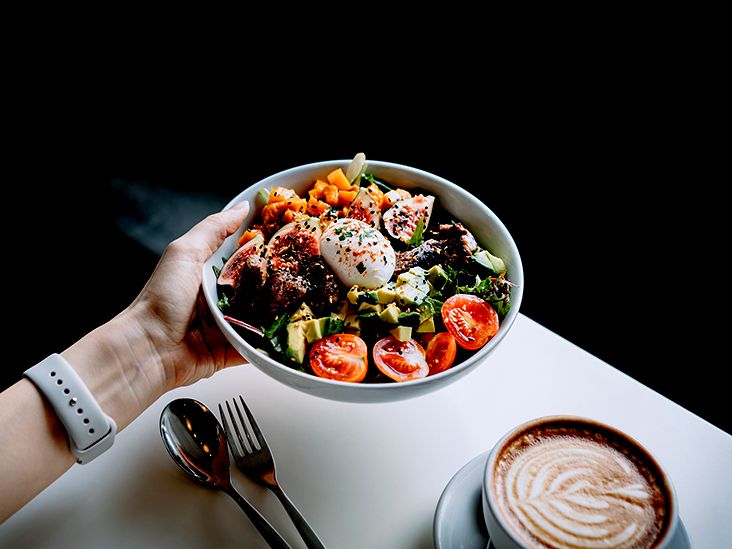
Many people do well with oatmeal, bananas, melons, lean poultry, fish, eggs, rice, potatoes, green vegetables, non-citrus fruits, low-fat yogurt, whole grains, and soups that are not tomato-heavy or spicy. Baking, grilling, steaming, and roasting are often better tolerated than frying.
Practical swaps can help. Choose grilled chicken instead of fried chicken, oatmeal instead of a buttery pastry, herbal tea instead of late-night coffee, and a smaller dinner instead of a giant meal right before bed. Small changes can be surprisingly powerful when repeated daily.
What to Avoid With GERD
Trigger foods vary, but some common offenders appear again and again: high-fat meals, fried foods, peppermint, chocolate, coffee, spicy sauces, onions, garlic, citrus, tomatoes, carbonated drinks, and alcohol. The goal is not to fear food. The goal is to notice what your body is reporting.
A useful method is the “remove and test” approach. Remove one likely trigger for two weeks, track symptoms, then reintroduce it carefully. If symptoms return, you have a clue. If nothing changes, that food may not be your villain.
GERD Treatment Mistakes to Avoid
Stopping Medication Too Early
Some people stop PPIs as soon as they feel better. That may be fine for certain mild cases, but people with erosive esophagitis or complications may need a longer plan. Always follow the schedule recommended by a healthcare professional.
Taking PPIs at the Wrong Time
PPIs work best before meals, not randomly at bedtime with a half-finished cookie. If symptoms continue, ask a clinician whether the timing, dose, or diagnosis needs review.
Ignoring Warning Symptoms
GERD should not cause progressive trouble swallowing, vomiting blood, black stools, unexplained weight loss, or severe chest pain. These symptoms need medical attention.
Assuming Every Chest Symptom Is GERD
Heartburn can feel like chest discomfort, but chest pain can also be related to the heart, lungs, or other serious conditions. When in doubt, get urgent medical care. It is better to be checked and safe than to let “probably reflux” make an unsafe decision.
Living With GERD: Long-Term Management
GERD can be a long-term condition, but it is manageable. The best treatment plan is usually personalized. Some people need only lifestyle changes and occasional antacids. Others need prescription medication, monitoring, or procedures. The most effective plan is the one that controls symptoms, protects the esophagus, fits daily life, and is reviewed regularly.
Doctors may also reassess treatment over time. If symptoms are controlled and there are no complications, a provider may suggest reducing medication, switching to on-demand therapy, or using the lowest effective dose. On the other hand, patients with severe esophagitis, Barrett’s esophagus, strictures, or recurring symptoms may need ongoing care.
Personal Experiences and Practical Lessons From GERD Management
Many people with GERD describe the same frustrating pattern: symptoms begin as “just heartburn,” then slowly start affecting sleep, meals, workouts, social plans, and even mood. One common experience is nighttime reflux. A person may eat dinner at 9 p.m., lie down at 10 p.m., and wake up with burning in the chest or a sour taste in the throat. The solution is not glamorous, but it works for many: earlier dinners, smaller portions, and elevating the upper body at night.
Another real-world lesson is that GERD triggers can be sneaky. Coffee may be fine on Monday but terrible when combined with stress, a fried lunch, and a late dinner. Tomato sauce may cause symptoms only when eaten in a large portion. Chocolate may be harmless at noon but troublesome right before bed. This is why a symptom diary can be more useful than a generic forbidden-food list. GERD likes patterns, and a diary helps expose them.
Medication experiences also vary. Some people expect PPIs to work instantly and feel disappointed after one dose. In reality, PPIs usually need consistent use and proper timing. Taking a PPI before breakfast every day as directed may work much better than taking it randomly after symptoms start. Antacids can help with quick relief, while PPIs are better viewed as longer-term acid control. Knowing the difference prevents a lot of frustration.
Social eating can be challenging too. A person managing GERD may worry about restaurant meals, family dinners, or travel. The practical approach is preparation, not panic. Choose grilled or baked options, request sauces on the side, avoid overeating, and stop before feeling stuffed. At restaurants, the stomach does not know that the bread basket was complimentary. It only knows pressure.
Stress is another overlooked piece. Stress does not create stomach acid out of thin air, but it can change eating patterns, increase sensitivity, disrupt sleep, and make symptoms feel worse. People often notice flare-ups during exams, work deadlines, family problems, or travel. Gentle walking after meals, slow breathing, regular sleep, and planned meals can help reduce reflux-friendly chaos.
One of the most encouraging experiences is that improvement often comes from stacking small wins. A person may raise the bed, move dinner earlier, reduce fried foods, take medication correctly, and lose a small amount of weight if needed. No single step feels magical, but together they can reduce symptoms dramatically. GERD treatment is rarely about perfection. It is about building a routine your esophagus can live with.
Finally, many people learn that asking for medical help sooner is better than silently managing symptoms for months. Persistent reflux deserves evaluation, especially when symptoms happen several times a week, interfere with sleep, or require frequent medication. GERD is common, but common does not mean harmless. With the right plan, most people can eat, sleep, and live with far fewer fiery interruptions.
Conclusion
GERD treatment usually begins with lifestyle changes: smaller meals, avoiding late-night eating, raising the head of the bed, identifying food triggers, quitting smoking, and reaching a healthy weight when needed. Medications such as antacids, H2 blockers, and proton pump inhibitors can reduce symptoms and help heal irritation. For people with persistent or complicated GERD, diagnostic testing and procedures such as fundoplication, LINX, or TIF may be considered.
The best GERD treatment is practical, personalized, and consistent. You do not have to live like every meal is a risky science experiment. With the right habits, the right medication plan, and medical guidance when needed, GERD can usually be controlledand your esophagus can finally stop filing complaints.

