
Makeup
The Ultimate Basket Book – Lyn Siler
Jul
A practical, charming, and surprisingly deep look at one of the most beloved basket-making guides for crafters who like their projects useful, beautiful, and only mildly rebellious toward plastic storage bins.
Introduction: Why a Basket Book Still Matters
In a world where almost everything arrives in a cardboard box, wrapped in plastic, and tracked by three delivery apps, a handmade basket feels wonderfully human. It is sturdy. It is tactile. It smells faintly of reed, wood, or fiber. It can hold apples, yarn, napkins, mail, picnic sandwiches, or the vague collection of keys and batteries that every household mysteriously grows by itself.
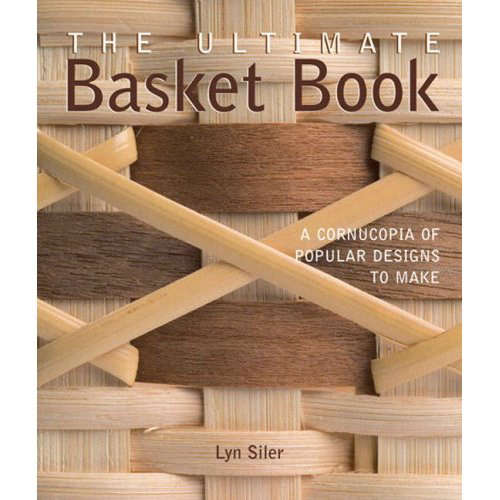
The Ultimate Basket Book – Lyn Siler is one of those craft books that earns the word “ultimate” the old-fashioned way: by being useful. Published as The Ultimate Basket Book: A Cornucopia of Popular Designs to Make, this volume brings together Lyn Siler’s approachable teaching style, traditional basketry techniques, and a generous collection of projects designed for real hands and real homes. It is not just a pretty book for the shelf. It is a book that wants to be opened flat on a worktable, surrounded by damp reed, clothespins, a measuring tape, and perhaps one cup of coffee placed dangerously close to the materials.
For anyone interested in basket weaving, handmade baskets, reed basketry, splint baskets, rib-frame baskets, coiling, twining, plaiting, or functional craft projects, this book offers a clear path into a craft that is ancient, practical, and still deeply satisfying. It speaks to beginners who need structure, intermediate makers who want variety, and experienced crafters who enjoy returning to classic patterns with fresh eyes.
What Is The Ultimate Basket Book?
The Ultimate Basket Book is a 192-page paperback craft guide by Lyn Siler, published in 2006 by Lark Books, now associated with Union Square & Co. Its full subtitle, A Cornucopia of Popular Designs to Make, is accurate without being shy. The book gathers a wide range of basket-making projects and instruction into one substantial volume.
One of the biggest reasons this book has remained relevant is its two-in-one nature. It brings together material from two of Lyn Siler’s earlier basketry titles, The Basket Book and Handmade Baskets, and adds extra projects and updated color photography. In other words, it is not a thin sampler pretending to be a feast. It is more like a basketry buffet, minus the sneeze guard.
The book covers tools, materials, foundational techniques, basket structures, decorative approaches, and practical finishing details such as rims, bases, and handles. It includes projects ranging from everyday market baskets to lidded picnic baskets and decorative pieces. The result is a guide that feels both instructional and inspirational: you can learn how a basket works, then immediately try making one that belongs in your kitchen, garden room, craft corner, or gift pile.
Who Is Lyn Siler?
Lyn Siler is best known in craft circles for her basket-making books, especially The Basket Book, Handmade Baskets, Basketmaker’s Baskets, and The Ultimate Basket Book. Her work has been appreciated because it combines clear pattern writing with respect for traditional basketry forms. She does not treat baskets as generic containers. She treats them as small pieces of architecture: base, wall, rim, handle, proportion, tension, and purpose all matter.
That practical attitude is part of what makes Siler’s books appealing. Many craft books are beautiful but vague. Others are technical but about as cozy as a tax manual. Siler’s style lands in the friendly middle. Her projects explain what to do, when to soak materials, how to shape the form, and why small details can make the difference between “rustic handmade charm” and “my basket is slowly becoming a canoe.”
Core Basketry Techniques Covered in the Book
Basketry has many regional styles and material traditions, but several techniques appear again and again across cultures. The Ultimate Basket Book introduces the reader to major basket-making methods that remain central to the craft.
Weaving
Weaving is the broad foundation of basket making. In simple terms, it involves interlacing materials to build a surface or structure. In practice, it teaches patience, rhythm, and humility. A basket will absolutely tell you when your tension is uneven. It may not use words, but the leaning sidewall is a strong message.
Plaiting
Plaiting usually uses flat elements woven over and under each other, often at right angles. It is common in mats, bases, and certain basket bodies. Plaiting can look simple, but it rewards precision. Even spacing and consistent tension create the clean geometry that makes a handmade basket look intentional rather than “I wrestled a bundle of reed and lost.”
Coiling
Coiling builds a basket by wrapping or stitching around a core material, then joining each round to the previous one. The technique is excellent for rounded and sculptural forms. Coiled baskets can feel meditative because the work grows slowly, one spiral at a time. It is the craft equivalent of walking around a small, useful planet.
Twining
Twining uses two or more weft elements that twist around vertical stakes or warps. It creates strength, texture, and pattern. Twining can stabilize a basket and add visual interest, especially when makers use contrasting colors or materials.
Waling
Waling is often used to strengthen the sides of a basket and create a firm transition between sections. It can help a basket hold its shape and gives the finished piece a more professional structure. Think of it as the craft version of good posture.
Why the Book Works for Beginners
Beginner basket makers need more than pretty photos. They need clear instructions, sensible projects, and reassurance that soaking reed is not some secret ritual known only to people with dedicated craft sheds. The Ultimate Basket Book is helpful because it breaks the craft into understandable parts.
The book introduces tools and materials before moving into projects, which is important. A new maker needs to know what flat reed, round reed, spokes, stakes, weavers, rims, handles, and bases are before trying to make a basket that can survive actual use. Siler’s method helps readers build confidence gradually. You learn the language of basketry while doing the work.
Another strength is project variety. A beginner can start with simpler forms, then move toward more structured designs. This progression matters because basket making is physical knowledge. Your hands learn what your brain cannot fully understand from reading alone. The first basket may wobble. The second basket wobbles with dignity. By the third, you begin to understand tension, spacing, shaping, and why experienced basket makers own so many clothespins.
Why Experienced Crafters Still Appreciate It
Intermediate and advanced crafters often return to classic books because strong fundamentals never expire. The Ultimate Basket Book offers enough variety to serve as a pattern library, a refresher, and a source of design ideas. Makers can follow the instructions closely or adapt shapes, colors, handles, and decorative details to suit their own style.
The book’s emphasis on functional baskets is especially valuable. Decorative baskets are lovely, but there is a special pleasure in making something that works hard. A market basket should carry produce. A picnic basket should protect lunch. A storage basket should sit on a shelf without collapsing into a sad reed pancake. Siler’s projects help makers think about use, not just appearance.
For crafters who already sew, knit, quilt, garden, or work with wood, basketry can become a natural extension of existing skills. It involves measuring, pattern reading, material preparation, shaping, and finishing. It also invites creative improvisation. Once you understand the framework, a basket becomes a place to experiment with dyed reed, seagrass, handles, rims, or decorative weaves.
Materials: Reed, Splint, Cane, and Natural Texture
One reason basketry remains appealing is the honesty of its materials. Reed, cane, splint, bark, grasses, raffia, pine needles, and similar fibers all have personality. Some are smooth and obedient. Some are springy. Some seem to have attended a seminar titled “How to Resist Human Plans.”
The Ultimate Basket Book focuses heavily on accessible basket-making materials, especially those suitable for splint and rib-frame baskets. Commercial reed is popular because it is widely available, consistent, and easier for beginners than harvesting and preparing wild materials. Flat reed can be used for spokes and weavers, round reed for ribs and structural elements, and seagrass or other fibers for decorative accents.
Material preparation is part of the process. Many basketry materials need soaking before use so they become flexible rather than brittle. Too dry, and they crack. Too wet, and they may feel limp or difficult to control. The sweet spot is learned through practice. Like pancakes, houseplants, and email tone, basket reed has a window where everything works better.
Popular Project Types in the Book
The book includes a broad range of basket designs, with projects suitable for different purposes and skill levels. While the exact experience varies by maker, several project categories stand out.
Market Baskets
Market baskets are among the most satisfying projects because they are beautiful and useful. A well-made market basket can hold produce, flowers, craft supplies, or the ambitious fantasy version of your grocery shopping where you buy exactly what you planned.
Picnic Baskets
Lidded picnic baskets add complexity because they require careful shaping, structure, and finishing. A picnic basket has to look charming while also protecting sandwiches from gravity, weather, and overly enthusiastic family members.
Rib-Frame Baskets
Rib-frame baskets are graceful and sculptural. They often begin with hoops or frames, then build shape through ribs and weaving. These projects teach form in a very direct way because the basket’s skeleton is visible from the beginning.
Decorative Baskets
Decorative baskets allow makers to explore shape, color, and texture without worrying quite as much about heavy-duty function. They are excellent for gifts, seasonal displays, shelves, and those corners of the house that need something handmade but not another candle.
What Makes This Basket Book Different?
Many craft books teach a handful of projects. The Ultimate Basket Book feels more ambitious because it functions as both a project book and a technique guide. It does not merely say, “Make this basket.” It helps readers understand the parts that make a basket successful.
The book’s biggest strength is its balance of beauty and practicality. The color photography gives readers a reason to get excited, while the instructions bring the project back down to the worktable. That combination matters. Inspiration gets you started; clear instruction keeps you from throwing damp reed across the room.
Another difference is Siler’s respect for traditional forms. The book draws on classic basket-making ideas rather than chasing trends. That gives it staying power. A good basket design from decades ago can still be useful today because human beings continue to need containers. We may have smartphones, smart speakers, and smart refrigerators, but somehow nobody has improved on a sturdy handmade basket for holding onions.
How to Use The Ultimate Basket Book Effectively
The best way to use this book is not to rush. Basketry rewards patience. Before starting a project, read the instructions all the way through. Check the materials list. Identify the base, sides, rim, and handle instructions. Look at the photos and diagrams carefully. Then read it again, because future-you will appreciate present-you’s responsibility.
Start with a simpler project if you are new to basket weaving. Focus on learning how materials behave. Practice soaking reed, measuring accurately, keeping stakes evenly spaced, and maintaining steady tension. Do not judge the first basket too harshly. The first basket is not a final exam. It is a handshake with the craft.
As you gain skill, use the book as a springboard. Try changing colors, adjusting proportions, or experimenting with handles. Keep notes in the margins or in a separate craft journal. Record what worked, what did not, and which step made you mutter under your breath. Those notes become your private basketry wisdom.
Best Audience for the Book
The Ultimate Basket Book – Lyn Siler is ideal for several types of readers. It suits beginners who want a serious introduction to basket making. It also suits hobbyists who have tried a class or kit and want a deeper resource. Teachers, craft group leaders, and workshop organizers may appreciate the range of projects and techniques. Collectors of traditional craft books will also find it valuable because it preserves a practical, hands-on approach to basketry.
The book may be less ideal for someone looking only for ultra-modern sculptural basketry or quick five-minute crafts. This is not a glitter-glue shortcut book. It is a make-something-real book. That is exactly its charm.
Buying and Collecting Notes
Because The Ultimate Basket Book has been around since 2006, availability can vary. New, used, and collectible copies may appear through bookstores, used-book marketplaces, craft suppliers, and library networks. Buyers should check the ISBN, publisher, condition, and edition details when shopping.
The ISBN-13 commonly associated with the book is 978-1579907891, and the ISBN-10 is 157990789X. The book is generally listed as a paperback with 192 pages. Since some Lyn Siler titles have similar names, it is smart to confirm the full title before buying. The Basket Book, Handmade Baskets, and The Ultimate Basket Book are related, but they are not identical listings.
Experience Section: Living With a Basket Book on the Craft Table
There is a particular kind of optimism that arrives when you open a basket-making book. You see the finished photo first: a handsome basket with a strong rim, even sides, and a handle that looks as if it belongs in a country market where everyone knows how to choose peaches. Then you look at your own pile of reed, and it looks less like a basket and more like a group of noodles that joined a gym.
That is where a book like The Ultimate Basket Book – Lyn Siler earns its place. It slows the process down. It reminds you that baskets are built step by step: prepare the materials, lay out the base, weave carefully, shape the sides, secure the rim, finish the handle, trim the ends. The magic is not really magic. It is sequence, tension, and repetition.
Working from a classic basket book also changes how you look at everyday objects. After making even one small basket, you begin noticing rims in antique shops, handles at farmers markets, and woven textures in museum displays. You start asking questions: How was that base started? Is that twining? Are the stakes evenly spaced? Could I make something like that? This is how a hobby becomes a friendly obsession. One day you are making a small storage basket; the next day you are explaining reed sizes to someone who only asked where you bought the apples.
The experience is also wonderfully physical. Basket making asks your hands to cooperate with natural material. The reed bends, resists, softens, tightens, and dries. You learn not to force every movement. Sometimes the best solution is to rewet a piece, adjust the angle, or pause before continuing. This makes basketry feel calmer than many modern activities. There are no notifications. No software updates. No password reset emails. Just material, pattern, and the quiet satisfaction of watching a useful form emerge.
Of course, there are comic moments. A spoke slides out at the wrong time. A weaver ends exactly where it should not. The rim refuses to sit politely. Clothespins become heroic. But these small frustrations are part of the experience. Handmade work carries evidence of learning. A slightly uneven first basket is not a failure; it is a record of the moment your hands began understanding the craft.
The real reward comes later, when the basket enters daily life. It holds napkins on the table, yarn beside a chair, garden tools by the door, or mail that should have been sorted three days ago. It becomes useful, and that usefulness gives it dignity. Unlike many decorative projects, a handmade basket does not need to sit behind glass. It wants to work.
That is the lasting appeal of Lyn Siler’s book. It teaches a craft that connects beauty with purpose. You are not just making an object; you are learning a way of building with your hands. In an age of disposable containers and instant purchases, that feels refreshingly grounded. Also, a handmade basket makes even ordinary potatoes look charming, which is not a small achievement.
Conclusion: A Classic Basketry Guide Worth Keeping
The Ultimate Basket Book – Lyn Siler remains a valuable guide because it respects both the beginner and the craft. It offers clear instruction, a broad range of basket designs, useful technique explanations, and enough inspiration to keep makers returning project after project. Whether you want to learn basket weaving from scratch, improve your handmade baskets, explore reed basketry, or build a small library of traditional craft books, this volume deserves serious consideration.
Its greatest strength is simple: it helps people make baskets that are beautiful enough to admire and strong enough to use. That combination is the heart of good craft. A basket is not just a container. It is structure, pattern, tradition, patience, and practicality woven together. Lyn Siler understood that, and this book continues to pass that understanding from one pair of hands to the next.
SEO Tags

