
Beauty Tools & Accessories
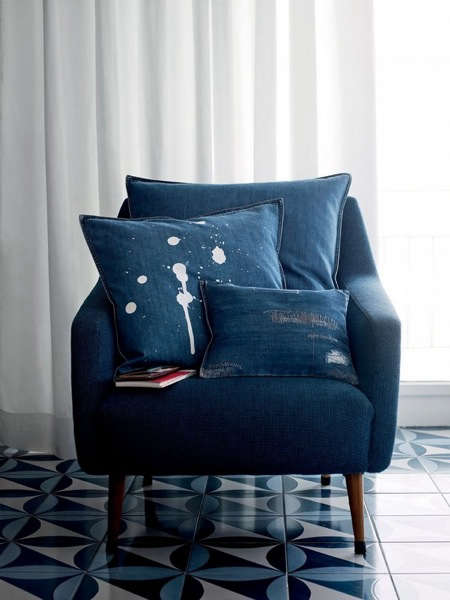
Tailored Denim Pillow Shams
Jun
Note: This article is written for web publication and is based on real bedding, fabric-care, interior design, and DIY home décor practices, rewritten in a fully original style.
Why Tailored Denim Pillow Shams Deserve a Place on Your Bed
Denim has officially escaped the closet. Once reserved for jeans, jackets, and the occasional heroic tote bag, denim is now making itself comfortable in the bedroomand frankly, it looks like it belongs there. Tailored denim pillow shams bring together the best parts of casual American style: structure, softness, durability, and that “I didn’t try too hard, but yes, my room looks fantastic” confidence.
A pillow sham is not just a pillowcase wearing a fancy name tag. It is a decorative cover designed to give pillows a more finished look. While regular pillowcases are mostly about sleeping, shams are about styling. They frame the bed, add texture, protect pillows, and make a bedroom feel intentionally designed instead of accidentally assembled at 11:47 p.m.
Tailored denim pillow shams take that idea further. They combine the rugged character of denim with crisp construction details such as flange edges, knife-edge seams, envelope closures, zipper backs, topstitching, and sometimes patchwork or contrast piping. The result is bedding that feels relaxed but not sloppy, casual but not careless, and stylish without behaving like it needs its own security detail.
What Are Tailored Denim Pillow Shams?
Tailored denim pillow shams are decorative pillow covers made from denim, chambray, denim-look cotton, or washed cotton twill. The word “tailored” matters. It suggests clean seams, thoughtful proportions, strong stitching, and a polished silhouette. These shams may be soft and lived-in, but they should not look like someone wrapped an old pair of jeans around a pillow and hoped for applause.
Most denim shams are made from cotton or cotton-rich fabrics. True denim is usually a sturdy twill weave with diagonal ribbing, which gives it strength and a distinctive surface texture. Washed denim shams often feel softer than raw denim because the fabric has been treated or laundered for a broken-in hand. Chambray-inspired shams are lighter and smoother, offering the blue-jean look without the heavier weight.
Common Features of Denim Pillow Shams
Tailored denim pillow shams often include details borrowed from both bedding and apparel. You may see double stitching, contrast thread, hidden zippers, envelope backs, button closures, mitered corners, flange borders, or panel seams. Some designs are minimal and modern, while others lean farmhouse, coastal, rustic, or vintage.
The best versions feel intentional. A simple dark indigo sham with clean edges can anchor a modern bed. A faded blue sham with visible stitching can warm up a farmhouse bedroom. A patchwork denim sham made from reclaimed jeans can add personality to a guest room, reading nook, dorm bed, or sofa.
Why Denim Works So Well in Bedding
Denim has a rare design superpower: it goes with nearly everything. Think about your favorite jeans. They can handle a white T-shirt, a blazer, sneakers, boots, or a sweater with mysterious laundry instructions. Denim pillow shams work the same way in a room. They pair beautifully with white sheets, linen duvets, striped quilts, plaid throws, leather accents, wood furniture, brass lamps, rattan baskets, and even floral bedding.
Another reason denim works in bedding is texture. A bedroom with only smooth fabrics can look flat, even if every piece is expensive. Denim adds visual weight and tactile contrast. It gives the eye somewhere to land. Against crisp cotton percale, airy linen, or a fluffy comforter, denim shams create balance.
Denim also has emotional familiarity. It feels American, approachable, and lived-in. It does not demand perfection. A wrinkle here, a softened edge there, a little fading over timethese details usually make denim better. That is excellent news for anyone who loves good design but does not want a bedroom that looks terrified of human contact.
Best Bedroom Styles for Tailored Denim Pillow Shams
Modern Farmhouse
Denim shams are a natural fit for modern farmhouse bedrooms. Pair medium-wash denim shams with white bedding, a ticking stripe throw, a wood bench, and black metal lighting. The denim adds a practical, workwear-inspired layer without making the room feel themed.
Coastal Casual
For a coastal room, choose lighter washed denim or chambray shams. Style them with white sheets, a sandy beige quilt, woven shades, and natural textures like jute or seagrass. The effect is breezy and relaxed, like a beach house that owns books, not just seashells.
Industrial Loft
Dark indigo denim shams look sharp in industrial spaces. Combine them with charcoal bedding, exposed brick, metal lamps, and leather accents. Clean seams and zipper closures help the shams feel tailored rather than rustic.
Cottage and Vintage
Patchwork denim pillow shams can bring charm to cottage bedrooms. Look for mixed washes, visible seams, or repurposed fabric details. Add a floral quilt, antique nightstand, painted furniture, and a soft lamp glow. Suddenly, your bed looks like it has storiesand none of them involve assembling flat-pack furniture at midnight.
Minimalist Bedrooms
Minimalism does not have to mean all-white everything. A pair of solid denim shams can introduce color and texture without clutter. Choose a refined design with no extra embellishment, then pair it with a neutral duvet and one lumbar pillow.
How to Choose the Right Denim Pillow Sham
1. Pick the Right Size
Pillow shams typically come in standard, king, and Euro sizes. Standard shams usually fit standard pillows around 20 by 26 inches. King shams are longer, commonly around 20 by 36 inches. Euro shams are square, often 26 by 26 inches, and are used as decorative back pillows on the bed.
For a twin bed, one standard sham may be enough. For a full or queen bed, two standard or queen-sized shams usually look balanced. For a king bed, two king shams or three Euro shams can create a fuller backdrop. If you prefer a cleaner look, use fewer pillows and let the denim make the statement.
2. Consider the Fabric Weight
Not all denim is equal. Heavy denim feels structured and durable, but it may be too stiff for a soft bedroom look. Lightweight denim or chambray feels easier and more breathable. Washed cotton denim often lands in the sweet spot: sturdy enough to hold its shape, soft enough to invite actual use.
3. Look Closely at the Closure
Envelope closures are common and easy to use. They hide the pillow insert behind overlapping fabric. Zipper closures give a cleaner fit and help keep the insert secure. Button closures can add charm, especially if the design leans vintage or handcrafted. For a tailored look, the closure should lie flat and not bulge awkwardly.
4. Check Stitching and Seams
Good stitching matters with denim because the fabric has more body than many bedding textiles. Look for straight seams, reinforced edges, neat corners, and strong thread. Contrast stitching can be decorative, but it should still look precise. If the seam looks wavy online, imagine it after three washes and a pillow fight with your laundry basket.
5. Choose the Right Wash
Dark indigo feels polished and modern. Medium blue feels classic and casual. Light washed denim feels airy, coastal, and relaxed. Gray denim works well in minimalist or industrial rooms. Patchwork denim adds character but should be used thoughtfully so the bed does not look like it is auditioning for a craft fair booth.
How to Style Tailored Denim Pillow Shams
With White Bedding
White bedding and denim shams are a nearly foolproof combination. The white keeps the bed fresh, while the denim adds depth. Add a woven throw at the foot of the bed and one small patterned pillow for interest.
With Linen
Denim and linen are excellent roommates. Linen brings softness and natural rumple; denim adds structure. Try denim shams with oatmeal, ivory, flax, sage, or muted clay linen. The mix feels organic, relaxed, and quietly expensive.
With Stripes
Blue denim shams pair beautifully with ticking stripes, navy stripes, or thin gray stripes. This combination works especially well in coastal, farmhouse, or traditional bedrooms. Keep the stripe scale modest so the bed feels layered instead of loud.
With Leather and Wood
If your bedroom has a wood headboard, leather bench, or vintage trunk, denim shams can pull everything together. Denim naturally complements materials that age well. It does not mind a little patina; in fact, it invites it to dinner.
With Bold Patterns
Denim can calm down busy prints. If you love floral quilts, geometric duvets, or colorful throws, denim shams can act as a visual pause. They give the eye a break while still contributing texture and color.
DIY Tailored Denim Pillow Shams: A Smart Upcycling Project
One of the best things about denim pillow shams is that they can be made from old jeans, denim jackets, thrifted skirts, or leftover fabric. Upcycling denim is practical, budget-friendly, and environmentally thoughtful. It also gives you a custom look that mass-produced bedding cannot fully copy.
For a basic DIY denim sham, start by measuring your pillow insert. Add seam allowance on all sides, and add extra fabric for an envelope back if you do not want to install a zipper. Cut your denim panels, arrange them if you are using patchwork pieces, sew the front panel together, then attach the back panels with right sides facing. Turn the sham right side out, press the seams, insert the pillow, and admire your work like you just won a tiny home décor championship.
DIY Design Ideas
Use jeans pockets as decorative details on the sham front. Create a patchwork pattern with different denim washes. Add piping around the edge for a more tailored finish. Use the original jean seams as design lines. Keep one button fly section as a playful closure. For a cleaner look, use large panels from denim yardage instead of recycled clothing.
The trick is restraint. One pocket? Charming. Six pockets? Your pillow is now cargo shorts. Use denim details as accents, not as a desperate cry for storage.
Care and Cleaning Tips for Denim Pillow Shams
Denim is durable, but it still deserves proper care. Wash denim shams with similar colors, especially during the first few washes, because indigo dye can bleed. Cold water is usually safest for preserving color, while low heat or air drying helps reduce shrinking and fading. Always check the care label, because some tailored or embellished shams may require gentler handling.
Turn denim shams inside out before washing to protect the surface. Avoid harsh bleach unless the care label specifically allows non-chlorine bleach. Remove the shams promptly from the dryer to reduce deep wrinkles. If needed, press with a warm iron, especially along flange edges or seams.
If the shams are purely decorative and not slept on, washing once a month may be enough. If they are used for lounging, reading, napping, or by pets who believe the bed is legally theirs, wash them more often. A removable sham is always easier to clean than an upholstered headboard, which is another point in denim’s favor.
Common Mistakes to Avoid
Choosing Denim That Is Too Heavy
Very heavy denim can feel stiff on a bed. It may look more like upholstery than bedding. Unless you want a pillow sham that doubles as emotional armor, choose a softened or medium-weight denim.
Ignoring Color Transfer
Dark denim can transfer dye, especially when new. Wash it separately before placing it against white sheets or pale upholstery. This small step can prevent a dramatic laundry betrayal.
Using Too Many Denim Pieces
A denim sham is stylish. A denim sham, denim duvet, denim curtains, denim rug, and denim lampshade may start to feel like your bedroom joined a rodeo-themed boy band. Mix denim with other textures for balance.
Forgetting Insert Quality
A beautiful sham needs the right insert. A flat insert makes even expensive fabric look tired. Choose an insert that fills the corners well. For a plump designer look, some decorators size up slightly, using an insert a bit larger than the sham cover when appropriate.
Are Tailored Denim Pillow Shams Worth It?
Yes, tailored denim pillow shams are worth considering if you want bedding that is stylish, durable, versatile, and easy to live with. They are especially useful for people who like a layered bed but dislike anything too delicate. Denim shams do not feel precious. They can handle real life: morning coffee, late-night reading, weekend laundry, guest room traffic, and the occasional pet inspection.
They also offer excellent seasonal flexibility. In spring and summer, light denim looks fresh with white cotton and linen. In fall and winter, dark denim pairs beautifully with wool throws, plaid blankets, and warm wood tones. Unlike trendy prints that may feel dated quickly, denim has staying power because it behaves more like a neutral texture than a loud pattern.
For shoppers, tailored denim shams are available across a range of budgets, from handmade marketplace finds to premium bedding collections. For DIY enthusiasts, they are one of the most satisfying ways to repurpose denim into something useful and attractive. Either way, they bring character to a room without demanding a complete redesign.
Real-Life Experiences With Tailored Denim Pillow Shams
The first time many people try denim pillow shams, they expect them to feel too casual. Then they put them on the bed and realize the room suddenly looks more grounded. That is the quiet magic of denim. It does not shout. It settles in, adds texture, and makes the rest of the bedding look more intentional.
In a guest bedroom, tailored denim pillow shams can be especially useful. Guests usually appreciate a room that feels comfortable rather than overly formal. A pair of medium-wash denim shams against white sheets creates a clean, welcoming look. Add a folded quilt at the foot of the bed, a small vase on the nightstand, and a reading lamp, and the room feels finished without looking like a hotel tried too hard.
In a primary bedroom, denim shams can solve the “too plain but not too fussy” problem. Many people want their bed to look styled, but they do not want fifteen pillows that must be removed every night like a decorative obstacle course. Two tailored denim shams and one lumbar pillow can be enough. The bed looks polished, but bedtime does not require project management software.
For families, denim shams are practical because they hide small wrinkles and everyday wear better than many smooth fabrics. A white sham may show every crease and smudge. A denim sham is more forgiving. It has texture, variation, and a casual spirit. It understands that real bedrooms contain books, chargers, socks, pets, snacks, and people who occasionally sit on the bed while folding laundry.
DIY denim shams create a different kind of experience. Making a pillow sham from old jeans can feel surprisingly personal. A faded knee panel, a pocket, or a seam from a favorite pair of jeans gives the piece memory. It is not just décor; it is a small textile scrapbook. This works beautifully in kids’ rooms, dorm rooms, craft rooms, and cozy reading corners. The finished sham may not be perfectly symmetrical, but that imperfection often becomes part of its charm.
One practical lesson from using denim shams is that pre-washing matters. New denim can release dye, and recycled denim may shrink differently depending on its age and fiber content. Washing the fabric before sewing or styling helps prevent surprises. Nobody wants to discover that their crisp white pillowcase has developed a mysterious blue shadow. That is not a design trend; that is laundry drama.
Another experience-based tip is to mix denim with softness. Denim looks best when it has contrast. Pair it with a fluffy duvet, a nubby throw, linen sheets, or a velvet accent pillow. The contrast makes the denim feel designed rather than utilitarian. A room with too much denim can feel heavy, but one or two tailored shams can make the whole bed feel balanced.
Finally, denim shams age well. Over time, they may soften, fade slightly, and relax at the edges. For many fabrics, aging is a flaw. For denim, it is character development. Like a good pair of jeans, tailored denim pillow shams often become better the more they are used. That makes them a smart choice for anyone who wants a bedroom that looks stylish on day one and even more comfortable by year three.
Conclusion
Tailored denim pillow shams are a simple way to give a bedroom more personality, texture, and structure. They combine the relaxed appeal of denim with the polished shape of decorative bedding. Whether you buy them from a bedding brand, choose handmade covers, or sew your own from old jeans, denim shams can work across farmhouse, coastal, modern, rustic, industrial, cottage, and minimalist interiors.
The key is choosing the right wash, size, fabric weight, and construction. Look for clean seams, reliable closures, and denim that feels soft enough for the bedroom. Style the shams with white cotton, linen, stripes, wood, leather, or natural textures for a balanced look. Care for them properly by washing with similar colors, avoiding high heat, and respecting the fabric’s tendency to fade beautifully over time.
In the end, denim pillow shams prove that good design does not have to be fragile, formal, or fussy. Sometimes the most stylish thing in the room is simply a well-made piece of fabric that knows how to relax.
SEO Tags

