
Body Care
Tabletop: Nesting Bowls & Vessels
Jun
Some kitchen objects earn their cabinet space. Others simply squat there, collecting dust like tiny ceramic landlords. Nesting bowls and vessels belong firmly in the first group. They are practical, beautiful, stackable, giftable, and surprisingly good at making a table look intentional even when dinner is “whatever is left in the fridge plus heroic confidence.”
In tabletop design, nesting bowls are more than mixing bowls that learned yoga. They are graduated bowls, cups, dishes, and vessels designed to fit inside one another for compact storage. On the table, they create layers, rhythm, and a sense of abundance. In the kitchen, they handle prep, serving, storage, snacking, sauce-holding, fruit-displaying, and the occasional emergency popcorn mountain. That is a strong résumé for something shaped like a rounded shrug.
This guide explores how to choose, style, use, and care for tabletop nesting bowls and vessels, with practical advice for modern American homes, small kitchens, open shelving, casual entertaining, and everyday dining.
What Are Nesting Bowls and Vessels?
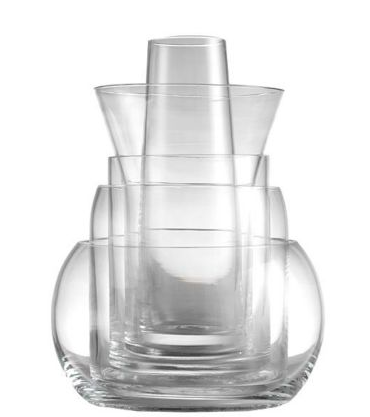
Nesting bowls are sets of bowls made in graduated sizes so each smaller piece fits neatly inside the next larger one. The same idea applies to vessels: stackable cups, condiment bowls, serving dishes, glass tumblers, prep bowls, and decorative containers that can be stored as one compact unit.
The genius is simple: one footprint, many uses. A five-piece set might include a tiny pinch bowl for salt, a mid-size bowl for chopped herbs, a larger bowl for salad, and a generous vessel for dough, pasta, or serving roasted vegetables. When dinner is done, the pieces tuck into one another like a ceramic family photo.
Nesting Bowls vs. Regular Bowls
Regular bowls may stack, but nesting bowls are designed to stack efficiently. Their proportions, rim width, base shape, and depth are intentionally coordinated. This makes them easier to store and often more visually harmonious when used together on a tabletop.
For anyone with limited cabinet space, nesting bowls are a small miracle. For anyone with unlimited cabinet space, congratulations, please invite us over so we can observe this rare architectural phenomenon.
Why Nesting Bowls Belong on the Modern Tabletop
The modern tabletop has become less formal and more flexible. People want pieces that move from prep counter to dining table, from weekday breakfast to holiday spread, from kitchen shelf to coffee table. Nesting bowls and vessels fit that lifestyle perfectly.
They Save Space Without Looking Boring
Storage is the obvious win. A set of six nesting bowls can occupy roughly the space of the largest bowl. That matters in apartments, small homes, dorm kitchens, RVs, and any household where cabinet doors are opened slowly because something might leap out.
But nesting bowls are not merely space-saving. They can also be beautiful. Ceramic nesting bowls bring warmth and texture. Glass nesting bowls feel clean and timeless. Stainless steel sets look professional and efficient. Wood vessels add natural softness. Colorful bowls create a cheerful tablescape without needing a centerpiece large enough to block eye contact.
They Make Serving Easier
A well-chosen nesting set gives you multiple sizes for different foods. Use the smallest bowls for olives, flaky salt, lemon wedges, salsa, nuts, dips, or sauces. Use medium bowls for grains, chopped fruit, slaws, and side dishes. Use the largest bowl for salad, pasta, bread, popcorn, or the dramatic pile of tangerines you bought because they looked charming at the market.
Because the pieces usually share a design language, your table looks coordinated without becoming stiff. Matching is optional. Harmony is the goal.
Best Materials for Nesting Bowls and Vessels
The best nesting bowls depend on how you cook, serve, store, and clean. No single material wins every category. The trick is choosing the right material for the job instead of asking one bowl to be a mixing bowl, soup tureen, heirloom sculpture, microwave container, and toddler-proof helmet.
Ceramic and Stoneware
Ceramic and stoneware nesting bowls are tabletop favorites because they look warm, substantial, and handmade even when they are part of a polished collection. They are excellent for serving salads, grains, vegetables, fruit, snacks, soups, and desserts. Stoneware often has a cozy weight that makes it feel grounded on the table.
The trade-off is weight and fragility. Ceramic bowls can chip or crack if dropped, and some glazes require more careful handling. When buying ceramic vessels for food, look for pieces clearly labeled food-safe. Avoid using decorative pottery for acidic foods or hot liquids unless the maker confirms it is intended for food use.
Porcelain and Bone China
Porcelain nesting bowls are elegant, dense, and often thinner than stoneware. They work beautifully for refined table settings, noodle bowls, desserts, soups, and small side dishes. White porcelain is especially versatile because it lets food provide the color. A tomato salad looks like a magazine spread; cereal looks slightly more ambitious than usual.
Bone china is lightweight and graceful, though usually more common in dinnerware than heavy prep bowls. For everyday use, porcelain offers a strong balance of beauty, durability, and easy styling.
Glass
Glass nesting bowls are practical classics. They let you see ingredients while mixing, which is helpful for batters, dressings, layered desserts, and mise en place. Many glass bowls are dishwasher-safe, microwave-safe, and refrigerator-friendly, though always check the manufacturer’s instructions.
Tempered glass is especially useful in busy kitchens. Clear glass also moves easily from prep to table because it visually disappears, allowing colorful food to shine. The downside is weight and breakability. Glass is not the friend you want tumbling from a high shelf at 7 a.m.
Stainless Steel
Stainless steel nesting bowls are the kitchen workhorses. They are lightweight, durable, easy to clean, and ideal for whisking, tossing, marinating, chilling, and mixing. They are also excellent for cooks who need bowls that can handle rough treatment without sighing dramatically.
Stainless steel is not microwave-safe, and it may feel less decorative on a formal table. Still, high-quality stainless bowls can look sleek and professional, especially when used for chilled salads, seafood, fruit, or outdoor entertaining.
Wood
Wooden vessels bring organic beauty to the table. A wood nesting bowl set is wonderful for bread, fruit, nuts, wrapped candies, dry snacks, and leafy salads. Wood adds warmth next to stone, glass, linen, and ceramic.
However, wood needs gentler care. It should not soak in water, go in the dishwasher, or hold very wet foods for long periods unless properly finished. Occasionally conditioning wooden bowls with food-safe oil can help maintain their surface.
Melamine and Outdoor-Friendly Materials
Melamine nesting bowls are lightweight, shatter-resistant, and useful for patios, picnics, poolside meals, and households with kids. They often come in bright colors and playful patterns. The main limitation is heat. Melamine is generally not meant for microwaves, and it should be used according to the manufacturer’s safety directions.
How to Choose the Right Nesting Bowl Set
A good nesting bowl set should feel useful before it feels decorative. Beauty matters, but if the bowl cannot hold dressing without sloshing, stack without wobbling, or survive your dishwasher routine, it may become a very pretty regret.
Start With Size Range
Look for a set that includes at least three useful sizes: small, medium, and large. A practical kitchen-and-table set might include bowls around 1 cup, 2 cups, 1 quart, 2 quarts, and 4 to 5 quarts. Tiny bowls are great for prep and condiments. Mid-size bowls handle snacks and sides. Large bowls serve salads, pasta, bread, or fruit.
If you cook for one or two people, a compact three-piece set may be enough. If you entertain often, choose a larger set with at least one generous serving bowl.
Check the Shape
Deep bowls are good for mixing and tossing. Wide shallow bowls are better for serving composed salads, roasted vegetables, pasta, and fruit. Straight-sided vessels look modern and stack neatly, while rounded bowls feel softer and more traditional.
For tabletop use, consider how food will look inside the bowl. A wide vessel gives ingredients room to show off. A deep bowl keeps saucy foods contained. A flared rim makes serving easier. A tiny footed base adds elegance but may be less stable during vigorous mixing.
Look for Useful Details
Small design details can make nesting bowls much more practical. Lids turn bowls into storage containers. Pour spouts help with batters and dressings. Non-slip bases reduce counter skating. Handles improve grip. Measurement marks are useful for prep. Smooth rims make pouring cleaner.
For serving vessels, pay attention to weight and hand feel. A bowl that looks gorgeous but requires two hands and a motivational speech may not be ideal for passing around the table.
Styling Nesting Bowls on the Table
Nesting bowls are natural styling tools because they create height, repetition, and scale. You can use them as a coordinated set or mix them with other tabletop pieces for a collected look.
For Casual Dinners
Place a large bowl in the center for salad or pasta, then use smaller bowls for toppings: toasted nuts, grated cheese, herbs, lemon wedges, chili crisp, pickled onions, or croutons. Suddenly dinner feels interactive, like a tiny buffet with better lighting.
For Entertaining
Use nested vessels to organize snacks across a grazing table. Small bowls can hold dips, olives, nuts, jams, mustards, or chocolate. Medium bowls can hold crackers, fruit, or vegetables. A large bowl can anchor the arrangement with bread, citrus, or a dramatic salad.
To avoid visual clutter, repeat one color or material. For example, use white ceramic bowls with wooden boards and linen napkins, or clear glass bowls with stainless utensils and colorful food.
For Open Shelving
Nesting bowls look great on open shelves because they read as both functional and decorative. Stack them by size, place the largest at the bottom, and let the rims create a layered line. If the set has varied colors, rotate the most attractive shade to the front.
Keep the shelf practical. If the bowls are used daily, store them within easy reach. If they are mostly decorative, place them higher and let them enjoy retirement as shelf celebrities.
How to Mix Nesting Bowls With Other Tableware
You do not need a perfectly matched dinnerware collection. In fact, nesting bowls often look more interesting when mixed thoughtfully with plates, platters, trays, glassware, and flatware.
Use Color as the Connector
If your nesting bowls are blue, repeat blue in napkins, a platter pattern, or glassware. If your bowls are neutral, let food provide color. White, cream, charcoal, and stone-colored bowls are extremely flexible because they can dress up or down.
Balance Texture
Pair glossy ceramic bowls with matte plates. Use wood bowls beside linen textiles. Combine clear glass vessels with hand-thrown stoneware. The table feels richer when surfaces are not all doing the same thing.
Vary the Heights
A tabletop with only flat plates can look a little sleepy. Bowls add dimension. Use taller vessels for breadsticks, flowers, utensils, or wrapped treats. Use low bowls for spreads and salads. The eye likes movement, even when the mashed potatoes do not.
Care and Maintenance Tips
Good bowls last longer when treated according to their material. Always follow the maker’s care instructions, especially for handmade ceramics, glass, wood, and pieces with metallic finishes.
For Ceramic and Stoneware
Avoid sudden temperature changes unless the bowl is specifically rated for them. Do not move a cold ceramic bowl directly into a hot oven. Wash gently if the glaze is delicate. Use wood, silicone, or plastic utensils if you are worried about scratches.
For Glass
Check whether the glass is tempered and whether it is safe for the microwave, freezer, oven, or dishwasher. Even durable glass can break from thermal shock, so avoid extreme temperature swings.
For Stainless Steel
Stainless steel is low-maintenance. Wash by hand or dishwasher if permitted. Dry promptly to prevent water spots. Avoid harsh abrasives if you want to preserve the shine.
For Wood
Hand-wash quickly, dry immediately, and condition occasionally with food-safe mineral oil or a recommended wood-care product. Never soak wooden bowls unless you are auditioning them for a tragic kitchen drama.
Specific Examples of Smart Uses
A nesting bowl set can solve small tabletop problems beautifully. Use the smallest vessel for flaky salt next to a butter dish. Use a medium bowl for citrus wedges at taco night. Use a large ceramic bowl for a family-style Caesar salad. Use a glass nesting bowl for tiramisu or layered trifle. Use a stainless steel bowl over ice to keep shrimp cocktail chilled. Use wooden vessels for bread rolls at brunch.
For a dinner party, try a three-bowl centerpiece: a large shallow bowl filled with oranges, a medium bowl with walnuts, and a tiny bowl with wrapped chocolates. It looks intentional, smells fresh, and requires no floral-arranging skills. That is tabletop design for people who own scissors but cannot always find them.
Common Mistakes to Avoid
Buying for Looks Only
A beautiful bowl that cannot go in the dishwasher, cannot hold food safely, and chips when someone whispers near it may not be the best everyday choice. Reserve delicate vessels for decorative use or special occasions.
Ignoring Cabinet Height
Before buying a tall nesting set, measure your shelf clearance. A stack that almost fits is just a ceramic argument waiting to happen.
Choosing Too Many Tiny Bowls
Small condiment bowls are charming, but a practical set needs at least one bowl large enough for salad, pasta, popcorn, or mixing. Otherwise, you own a village of adorable sauce holders and still need somewhere to put the potatoes.
Experience Notes: Living With Nesting Bowls and Vessels
The charm of nesting bowls becomes obvious after a few weeks of real use. At first, they seem like a tidy storage idea. Then they quietly take over half the kitchen jobs. One small bowl catches lemon seeds while cooking. Another holds chopped garlic. A medium bowl becomes the official home of Tuesday-night salad. The large bowl appears whenever guests arrive, looking calm and capable, like it has hosted people before and knows where the napkins are hidden.
The most useful nesting bowls are the ones that do not feel too precious. A set can be stylish and still work hard. In everyday cooking, stainless steel bowls are the easiest to grab because they are light, nearly unbreakable, and forgiving. They are excellent for tossing vegetables with olive oil, whisking eggs, marinating chicken, or chilling whipped cream. They may not look as romantic as handmade stoneware, but they perform like kitchen athletes. Nobody writes poetry about stainless steel until the day a bowl bounces off the counter and survives without drama.
Glass bowls create a different experience. They make preparation feel organized because you can see everything clearly. When baking, glass prep bowls are wonderful for measuring flour, sugar, spices, eggs, and melted butter before starting. This makes the process smoother and prevents the classic “I forgot the baking powder” tragedy, which is how muffins become doorstops. Glass also looks clean on the table, especially for fruit, layered desserts, colorful salads, and sauces.
Ceramic nesting vessels are where function meets mood. They make snacks feel curated and leftovers feel slightly less like surrender. A simple ceramic bowl filled with rice, soup, berries, or roasted carrots adds visual comfort. The weight feels grounding. The glaze catches light. Even instant noodles seem to stand a little taller. For entertaining, ceramic bowls are often the best choice because they bring warmth and presence to the table without needing much styling.
The biggest lesson is that nesting bowls reduce friction. They make it easier to set out ingredients, serve family-style meals, and clean up afterward. A table with several bowls invites sharing. People pass things around. They add toppings. They build their own plates. The meal becomes less rigid and more generous. This is especially helpful for casual hosting, where the goal is not perfection but ease.
Another practical advantage is emotional: a well-organized stack of bowls makes the kitchen feel under control. Even if the junk drawer contains batteries from 2011 and a mysterious key, the nesting bowls sit there looking serene. They prove that at least one corner of life can be stacked by size.
For anyone building a tabletop collection, start with one versatile nesting set in a neutral material, then add personality. A clear glass set is excellent for prep and storage. A ceramic set adds beauty for serving. A stainless steel set handles heavy cooking. A few small decorative vessels can finish the table. Together, they create a flexible system that works for breakfast, dinner, parties, holidays, and quiet snacks eaten directly over the sink. No judgment. The bowl understands.
Conclusion
Tabletop nesting bowls and vessels are among the rare home objects that combine practicality, beauty, and everyday pleasure. They save cabinet space, simplify prep, elevate serving, and create a layered table without requiring professional styling skills. Whether you prefer ceramic, porcelain, glass, stainless steel, wood, or outdoor-friendly melamine, the best nesting bowl set is the one that fits your cooking habits, storage space, cleaning routine, and personal style.
Choose a useful size range, pay attention to material and care instructions, and think about how each piece will move from kitchen to table. A good nesting set should work hard, look good, and make meals feel a little more gathered. In other words, it should be the quiet hero of the cabinet: compact, dependable, and ready for salsa.
Note: This article is original, plagiarism-free editorial content synthesized from reputable U.S. food, home, kitchenware, design, and safety references, then rewritten in a natural American English style for web publishing.

