
Makeup
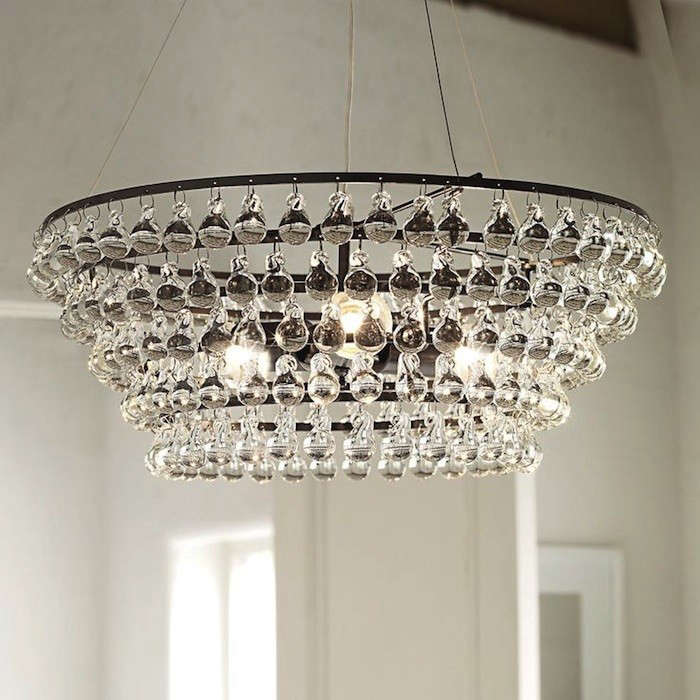
Solid Glass Orb Ceiling Light
Jul
A solid glass orb ceiling light sounds simple at first: a sphere, a ceiling, a glow. Done. But anyone who has ever stood under a bad overhead light knows that ceiling lighting can either make a room feel like a boutique hotel lobby or a dentist’s waiting room where magazines go to retire. The glass orb ceiling light belongs firmly in the first category when chosen well. It is round, sculptural, soft, timeless, and just fancy enough to make guests assume you have a “design philosophy,” even if your current philosophy is mostly “please hide the clutter before people arrive.”
In modern American homes, the solid glass orb ceiling light has become a favorite because it balances beauty and practicality. It works in hallways, bedrooms, kitchens, entryways, powder rooms, dining nooks, and living spaces. Its globe shape gives it visual calm, while its glass shade can diffuse light, show off decorative bulbs, or create a warm ambient mood. Whether you love mid-century modern interiors, minimalist rooms, transitional decor, or a slightly vintage look, the orb ceiling light is a small fixture with big personality.
This guide explores what makes a solid glass orb ceiling light worth buying, how to choose the right size and finish, where to use it, what bulb works best, and how to avoid common mistakes. We will also look at real-life experience and styling tips so your ceiling does not end up looking like it lost a fight with a hardware aisle.
What Is a Solid Glass Orb Ceiling Light?
A solid glass orb ceiling light is a ceiling-mounted light fixture built around a spherical glass shade. The word “solid” usually refers to the substantial, high-quality presence of the glass form rather than a completely solid ball of glass with no hollow space. Most orb lights use a glass globe shade that surrounds a bulb or integrated LED module. The fixture may sit flush to the ceiling, hang slightly as a semi-flush mount, or suspend lower as a pendant-style globe.
The orb may be clear glass, frosted glass, opal glass, smoked glass, seeded glass, ribbed glass, or hand-blown glass. Each version changes the mood. Clear glass feels crisp and airy. Opal glass creates a soft milk-white glow. Smoked glass adds drama, especially with black, bronze, or brass hardware. Seeded glass gives a subtle handmade texture. Frosted glass is the lighting equivalent of speaking in a calm voice: it reduces glare and makes everything feel more civilized.
Why Glass Orb Ceiling Lights Are So Popular
The round shape is the secret. A globe has no awkward corners, no visual heaviness, and no fussy decorative details. It feels balanced from every angle. In design terms, that means it plays well with other shapes in the room: rectangular tables, square tile, arched doorways, straight cabinetry, and soft upholstery.
Another reason is versatility. A solid glass globe ceiling light can look modern, vintage, Scandinavian, industrial, Art Deco, coastal, or classic depending on the finish and glass type. A brass fixture with opal glass feels warm and elegant. Matte black with clear glass feels modern and slightly industrial. Polished nickel with white glass feels fresh and bathroom-friendly. Bronze with seeded glass can lean farmhouse or transitional without screaming “I own twelve mason jars.”
These fixtures also solve a common design problem: low ceilings. Many homes have eight-foot ceilings, especially in bedrooms, hallways, and apartments. A full chandelier may look dramatic in theory and like a forehead hazard in practice. A flush mount or semi-flush glass orb ceiling light gives you style without requiring everyone in the household to duck.
Flush Mount vs. Semi-Flush Mount vs. Pendant Orb Lights
Flush Mount Glass Orb Ceiling Lights
A flush mount fixture sits close to the ceiling. This is usually the best choice for hallways, closets, laundry rooms, smaller bedrooms, and rooms with lower ceilings. It keeps the profile clean while still adding a decorative touch. If your ceiling is eight feet high or lower, flush mount is often the safest and most practical option.
Semi-Flush Mount Glass Orb Ceiling Lights
A semi-flush mount drops slightly below the ceiling, often by a few inches. This gives the fixture more dimension and makes it feel more intentional. Semi-flush orb lights are excellent for entryways, bedrooms, breakfast nooks, and living rooms where you want the light to be noticed but not to start a dramatic relationship with the top of your head.
Glass Orb Pendant Lights
A pendant hangs lower from the ceiling, usually by a cord, rod, or chain. Pendant globe lights work beautifully over kitchen islands, dining tables, nightstands, and stairwells. However, they require more vertical space. If the light is placed in a walkway, measure carefully. A stunning glass orb pendant becomes less stunning when someone bumps it while carrying soup.
Choosing the Right Glass Type
Opal Glass
Opal glass is one of the most popular choices for a solid glass orb ceiling light. It has a smooth, milky appearance that hides the bulb and softens the light. This makes it ideal for bedrooms, dining areas, bathrooms, nurseries, and anywhere you want a flattering glow. Think of opal glass as a beauty filter for your room, except it does not make the sofa look suspiciously poreless.
Clear Glass
Clear glass is bright, crisp, and visually lightweight. It works best when paired with an attractive bulb, such as a filament LED or decorative globe bulb. Because the bulb is visible, the choice matters. A harsh, overly bright bulb inside clear glass can turn your charming fixture into a tiny interrogation device.
Frosted Glass
Frosted glass reduces glare and creates a smooth wash of light. It is practical for everyday spaces and especially useful in rooms where the ceiling light is the main source of illumination. Frosted glass works well in hallways, bathrooms, bedrooms, and family rooms.
Smoked or Tinted Glass
Smoked glass is stylish, moody, and modern. It adds contrast without feeling bulky. However, tinted glass usually reduces light output, so it is better for accent lighting or rooms with additional lamps, sconces, or recessed lights. If your room already feels dark, smoked glass may look cool in photos but gloomy in real life.
Seeded, Ribbed, or Textured Glass
Textured glass adds movement and character. Seeded glass has tiny bubbles that catch the light. Ribbed glass creates vertical lines and a slightly vintage mood. These options are great when you want the fixture to feel handcrafted rather than mass-produced.
Best Rooms for a Solid Glass Orb Ceiling Light
Entryway
An entryway is one of the best places for a glass orb ceiling light. It gives visitors an immediate impression of style without taking up floor space. A semi-flush opal globe with brass hardware can make even a modest foyer feel polished. Add a mirror underneath and suddenly your entryway has main-character energy.
Hallway
Hallways are often ignored, which is unfair because they do a lot of work. A row of small flush mount glass orb lights can transform a plain corridor into a clean, architectural passage. Use matching fixtures for consistency, especially in long hallways.
Bedroom
In a bedroom, choose opal or frosted glass with a warm LED bulb. The goal is comfort, not stadium lighting. A semi-flush orb fixture above the bed can look elegant, but check scale carefully. A fixture that is too tiny will look like it wandered in from a closet. A fixture that is too large may feel heavy overhead.
Kitchen
Glass orb lights can work in kitchens, especially over islands or breakfast areas. For general kitchen lighting, choose brighter bulbs and consider clear or opal glass depending on the amount of light you need. If grease and dust are likely to collect, choose a design that is easy to remove and clean. Beauty is wonderful, but so is not needing a ladder, three tools, and a motivational speech to wipe the shade.
Bathroom
A bathroom glass orb ceiling light should be rated for the location. Damp-rated fixtures are commonly used in bathrooms where moisture is present but the light is not directly exposed to water. Opal glass is especially flattering in bathrooms because it softens shadows. Your mirror lighting still matters, but a gentle ceiling glow makes the room feel more finished.
Living Room
In a living room, a single orb ceiling light may not be enough by itself unless the room is small. Use it as part of layered lighting with table lamps, floor lamps, wall sconces, or recessed lights. The orb provides ambient light while the other fixtures add task and accent lighting.
How to Choose the Right Size
Scale can make or break a ceiling light. A too-small fixture disappears. A too-large fixture looks like it is auditioning to be a planet. For small hallways, closets, and compact bedrooms, a globe around 7 to 10 inches wide may be enough. For larger bedrooms, entryways, or dining nooks, 12 to 18 inches often feels more balanced. For a statement piece in a living area or foyer, a larger globe or multi-globe design can work beautifully.
Ceiling height matters just as much as room size. For eight-foot ceilings, look for flush mount or low-profile semi-flush options. For nine- or ten-foot ceilings, a semi-flush mount with a modest drop can add style without crowding the room. For vaulted ceilings, stairwells, or high foyers, a pendant or clustered orb fixture can create drama.
Choosing the Right Finish
The metal finish determines the personality of the light. Brass feels warm, classic, and slightly glamorous. Matte black feels modern and graphic. Polished nickel is bright and clean. Brushed nickel is practical and understated. Oil-rubbed bronze feels traditional or rustic. Chrome leans sleek and contemporary.
For a cohesive look, repeat the finish somewhere else in the room. A brass orb light can connect with cabinet pulls, mirror frames, or picture frames. A black globe fixture can echo black window frames, door hardware, or furniture legs. Matching every metal exactly is not required, but repeating at least one finish helps the room feel intentional.
Bulb Selection: Lumens, Color Temperature, and Dimming
When buying bulbs for a solid glass orb ceiling light, think in lumens, not just watts. Lumens measure brightness. Watts measure energy use. Modern LED bulbs can produce strong brightness while using far less energy than old incandescent bulbs. For many small fixtures, an LED bulb in the 450- to 800-lumen range may be appropriate. Larger rooms or multi-light fixtures may need more total lumens.
Color temperature also matters. Warm white bulbs around 2700K create a cozy, traditional glow. A 3000K bulb feels slightly cleaner while still warm. Bulbs around 3500K to 4000K feel brighter and more neutral, which can work well in kitchens, bathrooms, and workspaces. Very cool daylight bulbs can feel harsh in living areas unless you enjoy the atmosphere of a laboratory with throw pillows.
If the fixture is dimmable, use a compatible dimmer switch and dimmable LED bulbs. This gives you flexibility. Bright light for cleaning. Soft light for dinner. Very soft light for pretending you did not see the laundry pile.
Installation and Safety Considerations
Always check whether the fixture is designed for your intended location. Dry-rated lights are for dry indoor spaces. Damp-rated lights can handle moisture in areas such as bathrooms, covered porches, or laundry rooms, depending on the fixture. Wet-rated fixtures are built for direct exposure to water and outdoor weather. For bathrooms and covered outdoor areas, rating matters more than looks.
Also confirm the fixture weight, canopy size, bulb base, maximum wattage, and ceiling box compatibility. If you are replacing an old fixture, turn off power at the breaker before doing anything. If wiring is old, unclear, or mysterious in the “why are there so many wires?” sense, hire a licensed electrician. Lighting should create ambiance, not sparks.
Styling Ideas for Solid Glass Orb Ceiling Lights
Modern Minimalist
Choose a single opal glass globe with matte black or brushed nickel hardware. Keep the surrounding decor simple with clean lines, neutral colors, and minimal accessories. The fixture becomes a quiet focal point without shouting for attention.
Mid-Century Modern
Go for brass, bronze, or black hardware with a round opal globe. Pair it with walnut furniture, tapered legs, geometric rugs, and warm textiles. The globe shape naturally fits mid-century design because it feels both playful and refined.
Classic Transitional
Use polished nickel, aged brass, or bronze with frosted or opal glass. This works well in homes that mix traditional furniture with updated finishes. A glass orb light can make a room feel fresh without fighting crown molding, panel doors, or antique pieces.
Industrial Softened
Pair clear glass with matte black or bronze hardware. Add an LED filament bulb for character. This look works in kitchens, loft-style spaces, and casual dining rooms. To keep it from feeling too stark, bring in warm wood, woven textures, or soft curtains.
Cleaning and Maintenance
Glass orb lights are beautiful, but glass does show dust, fingerprints, and the occasional mystery smudge. Clear glass requires the most maintenance because every speck is visible. Opal and frosted glass are more forgiving. To clean, turn off the light and let the bulb cool. Remove the globe if the fixture design allows it. Use a soft microfiber cloth and mild glass cleaner or warm soapy water, then dry thoroughly before reinstalling.
Avoid harsh abrasive cleaners, especially on metal finishes. Brass, bronze, and black finishes can scratch or discolor if treated roughly. For high fixtures, use a stable ladder and patience. Do not attempt acrobatics with a cleaning cloth unless you are also insured as a circus performer.
Common Mistakes to Avoid
The first mistake is choosing the wrong glass type. Clear glass may look gorgeous online, but if you dislike visible bulbs or glare, opal glass is usually better. The second mistake is ignoring scale. Measure before ordering. The third mistake is forgetting ceiling height. A fixture with a long drop may look elegant until someone tall moves in.
Another mistake is relying on one ceiling light to do everything. A glass orb ceiling light is excellent for ambient lighting, but many rooms need layers. Add lamps, sconces, under-cabinet lights, or task lighting where needed. Finally, do not overlook bulb temperature. The same fixture can look cozy, cold, glamorous, or weirdly haunted depending on the bulb.
Is a Solid Glass Orb Ceiling Light Worth It?
Yes, especially if you want a fixture that feels timeless but not boring. The glass orb has staying power because it is based on a simple geometric form. It does not depend on a trend that will feel dated in two years. It can adapt to many interiors, and it offers real functional benefits: diffused light, compact shape, and a polished look.
It is also a smart upgrade for replacing builder-grade dome lights. A new glass orb flush mount can make a hallway, bedroom, or entryway look instantly more thoughtful. It is one of those changes that guests may not identify immediately, but they will feel the difference. The room simply looks better, like it finally found its earrings.
Personal Experience: Living With a Solid Glass Orb Ceiling Light
There is something surprisingly emotional about changing a ceiling light. Before installing a glass orb fixture, many people assume lighting is just a practical necessity. You flip a switch, the room becomes visible, and everyone moves on with their lives. But once you replace a tired old dome light with a solid glass orb ceiling light, the room suddenly feels intentional. The ceiling stops being a forgotten white rectangle and becomes part of the design.
One of the best experiences with this type of fixture happens in small spaces. A hallway, for example, can go from “passage to somewhere better” to “small architectural moment” with one opal glass globe. The light spreads softly, the round shape breaks up all the straight walls and doors, and the space feels warmer. It is not dramatic in the chandelier sense, but it is noticeable in the way a good haircut is noticeable. Nobody may shout about it, but everyone senses improvement.
In a bedroom, the effect is even more personal. A frosted or opal orb ceiling light creates a calm glow that feels much better than harsh overhead lighting. When paired with warm LED bulbs and a dimmer, it can move from practical morning brightness to soft evening light. This is where the fixture earns its keep. You can fold laundry, read, tidy the room, or simply lie there questioning why fitted sheets exist, all under light that feels gentle rather than aggressive.
Cleaning is the one honest drawback. Glass is glass. It collects dust, and clear glass especially does not keep secrets. If the fixture is in a kitchen, the globe may need more frequent cleaning because airborne grease can cling to the surface. Opal glass is easier to live with because it hides minor dust better. A removable globe is worth choosing if maintenance matters to you. A beautiful light that requires heroic effort to clean may slowly become a decorative dust museum.
Another lived-in lesson: bulb choice changes everything. A clear glass orb with a cheap bright-white bulb can look cold and exposed. Swap in a warm filament-style LED, and suddenly the same fixture feels charming. An opal globe with a dimmable warm bulb feels cozy and expensive, even if the fixture itself was reasonably priced. Lighting is one of the few home upgrades where a small technical choice can completely change the emotional result.
The solid glass orb ceiling light also works well because it does not demand a full room makeover. You can install one in a rental-style bedroom, a newly renovated bathroom, a classic hallway, or a modern kitchen and it usually fits. It does not require matching furniture, bold wallpaper, or a design degree. It simply adds shape, glow, and polish. That makes it one of the most forgiving upgrades for homeowners and renters who want a better-looking space without turning the house into a construction documentary.
After living with a glass orb fixture, the old builder-grade ceiling lights start to look even sadder. They still work, of course, but they feel like placeholders. A globe light feels chosen. It gives the room a center point and makes the ceiling part of the atmosphere. In the best cases, it does what good design should do: improve daily life quietly, beautifully, and without requiring anyone to explain what “visual rhythm” means at dinner.
Conclusion
A solid glass orb ceiling light is one of the easiest ways to upgrade a room with both style and function. Its spherical shape is timeless, its glass shade can soften or showcase light, and its many finish options make it suitable for nearly every interior style. Choose flush mount for low ceilings, semi-flush for extra dimension, and pendant orb lights where height allows. Select opal or frosted glass for soft ambient light, clear glass for brightness and bulb display, and smoked or textured glass for mood and character.
The best results come from thoughtful choices: correct scale, warm LED bulbs, proper safety ratings, and finishes that connect with the rest of the room. Done well, a glass orb ceiling light does more than illuminate. It gives the room shape, warmth, and a little quiet confidence. And honestly, any fixture that makes your hallway look less like an afterthought deserves applause.

