
Body Care
Simple Ways to Unclog a Toilet with Dish Soap: 8 Steps
Jul
A clogged toilet has a special talent for appearing at the exact worst moment: five minutes before guests arrive, right after the hardware store closes, or when you are emotionally unprepared to negotiate with porcelain. The good news is that a mild clog caused by toilet paper and ordinary bathroom waste can often be handled with something sitting beside your kitchen sink: dish soap.
Learning how to unclog a toilet with dish soap is not magic, although it may feel like a tiny household miracle when the water finally drops. Dish soap acts as a lubricant. When paired with hot waternot boiling waterit can help loosen a soft blockage, reduce friction inside the trap, and encourage the clog to move along. This method is especially useful when you do not have a plunger nearby or when you want to try a gentler first step before reaching for tools.
Before we begin, let’s be clear: dish soap is not a superhero in a cape. It will not dissolve a plastic toy, rescue a toothbrush, or politely escort a flushed washcloth out of your plumbing. But for simple clogs, it is cheap, easy, low-risk, and surprisingly effective when done correctly.
When the Dish Soap Method Works Best
The dish soap and hot water method works best for a toilet that is clogged by too much toilet paper or normal organic waste. These clogs are usually soft, slow-moving, and located in the toilet trap or the first section of the drain. If the bowl is draining slowly instead of staying completely full forever, that is a good sign.
This method is less likely to work if the clog is caused by wipes, paper towels, cotton swabs, dental floss, feminine hygiene products, toys, hair tools, or anything else that should never have gone on a water slide through the bathroom. “Flushable” wipes are especially suspicious characters. Many plumbers will tell you they are flushable in the same way a couch is “movable”technically possible, but not recommended.
Safety First: What Not to Do
Before you pour anything into the bowl, pause for a quick safety check. If the toilet bowl is already close to the rim, do not flush again. A second flush can turn a plumbing problem into a floor-mopping festival. Remove the tank lid and be ready to lift the float or shut off the water supply valve near the base of the toilet if the water starts rising.
Never pour boiling water into a toilet. Porcelain can crack from sudden temperature shock, and some seals or older plumbing parts may not appreciate the surprise spa treatment. Use hot tap water or water heated until steaming, then let it cool slightly. Think “hot bath,” not “pasta night.”
Also avoid mixing dish soap with chemical drain cleaners. Chemical cleaners can create fumes, damage plumbing, splash back, or make the situation more dangerous for you or a plumber. For toilet clogs, mechanical methods like plunging or using a toilet auger are usually safer and more reliable than harsh drain chemicals.
Simple Ways to Unclog a Toilet with Dish Soap: 8 Steps
Step 1: Stop the Water Before It Overflows
If the toilet water is rising, stop the flow immediately. Take the tank lid off and gently lift the float to stop more water from entering the bowl. You can also turn the shutoff valve clockwise. It is usually located on the wall or floor behind the toilet.
This step matters because the dish soap method needs room in the bowl for hot water. If the bowl is already near the top, scoop out some water with a disposable cup or small container and pour it into a bucket. Glamorous? No. Effective? Absolutely.
Step 2: Add Dish Soap to the Bowl
Pour about one-quarter to one-half cup of liquid dish soap directly into the toilet bowl. Aim for the water, not the rim. Grease-cutting dish soap is a good choice because it is designed to reduce friction and break down oily residue, but ordinary liquid dish soap is usually fine.
The soap needs time to sink and work around the clog. It helps coat the blockage and the inside of the toilet trap, making it easier for the clog to slide through. Imagine the clog has been wearing shoes with rubber soles, and the dish soap hands it a pair of socks on a polished floor.
Step 3: Let the Soap Sit for 10 to 20 Minutes
Patience is the secret ingredient here. Let the dish soap sit for at least 10 minutes. For a stubborn but still soft clog, 20 to 30 minutes may work better. During this time, the soap can seep downward and start loosening the blockage.
If the bowl level slowly drops while you wait, celebrate quietly. That means the clog may be breaking up. Do not rush to flush yet. Give the soap a little more time to do its slippery little job.
Step 4: Prepare Hot WaterNot Boiling Water
Fill a bucket or large container with hot water. Hot tap water is often enough. If you heat water on the stove, remove it before it boils or let it cool for several minutes before using it. The water should be hot and steamy, but not bubbling.
You will usually need about half a gallon to one gallon of water, depending on how much room is available in the bowl. Do not overfill the toilet. If the bowl is already high, remove some water first. The goal is to add pressure and warmth, not recreate a bathroom version of Niagara Falls.
Step 5: Pour the Hot Water Slowly from Waist Height
Pour the hot water into the toilet bowl slowly and steadily. Pouring from about waist height can add a little force, but do not splash. Aim toward the drain opening at the bottom of the bowl.
The heat helps soften the clog, while the added water pressure encourages movement through the trap. Combined with dish soap, this can be enough to free a simple blockage. If the water level begins to rise too high, stop pouring immediately.
Step 6: Wait Again and Watch the Water Level
After adding hot water, wait another 10 to 15 minutes. If the water level drops noticeably, the clog is likely loosening. You may hear a gurgle or see the bowl suddenly drain. That sound, in this particular situation, is basically applause.
If nothing happens after 15 minutes, give it a little more time, especially if the water is slowly moving. Some clogs do not surrender dramatically. They just quietly reconsider their life choices and leave.
Step 7: Test with a Careful Flush
Once the water level has gone down, try a cautious flush. Keep one hand near the tank float or shutoff valve in case the bowl starts filling too much. If the toilet flushes normally, congratulations. You have defeated the clog with soap, hot water, and emotional restraint.
If the flush is weak or the water rises again, stop. Do not keep flushing. Repeated flushing can cause overflow and may push the clog farther down the line. At this point, try a flange plunger or move to a toilet auger.
Step 8: Repeat Once, Then Use a Better Tool
You can repeat the dish soap and hot water method one more time if the clog seems close to clearing. Add a smaller amount of dish soap, wait, add hot water, and watch the level. However, do not repeat the process endlessly. Too much soap can create foam, mess, and false hope.
If two rounds do not work, use a flange plunger. A flange plunger is designed for toilets and creates a better seal than a flat sink plunger. If plunging fails, use a toilet auger, which is made to navigate the toilet trap without scratching the porcelain when used carefully. If the auger does not solve the problem, it is time to call a plumber.
Why Dish Soap Helps Unclog a Toilet
Dish soap is a surfactant, which means it reduces surface tension and helps water spread and move more easily. In toilet terms, that means it can help slick up the inside of the bowl and trap. When a clog is made of toilet paper and waste, reducing friction may be enough to help it slide forward.
The hot water adds another benefit. It can soften toilet paper and help loosen compacted material. Together, hot water and dish soap create a gentle one-two punch: heat softens, soap lubricates, gravity does its thing, and everyone tries not to make eye contact with the toilet.
This is why the method works best on soft blockages. It does not truly “melt” a clog, and it will not dissolve foreign objects. If something solid is lodged in the toilet, the dish soap method may only make the object shinier.
How Much Dish Soap Should You Use?
For most clogged toilets, one-quarter cup is enough to start. For a larger or more stubborn clog, use up to one-half cup. More is not always better. Dumping half a bottle into the bowl may create bubbles and make cleanup harder without improving results.
If you only have a small amount of dish soap, use what you have and give it more waiting time. Shampoo can sometimes work in a pinch because it is slippery, but dish soap is usually preferred. Avoid dishwasher detergent, especially powdered or pod-style products, because they are stronger and not intended for this use.
Dish Soap vs. Plunger: Which Works Better?
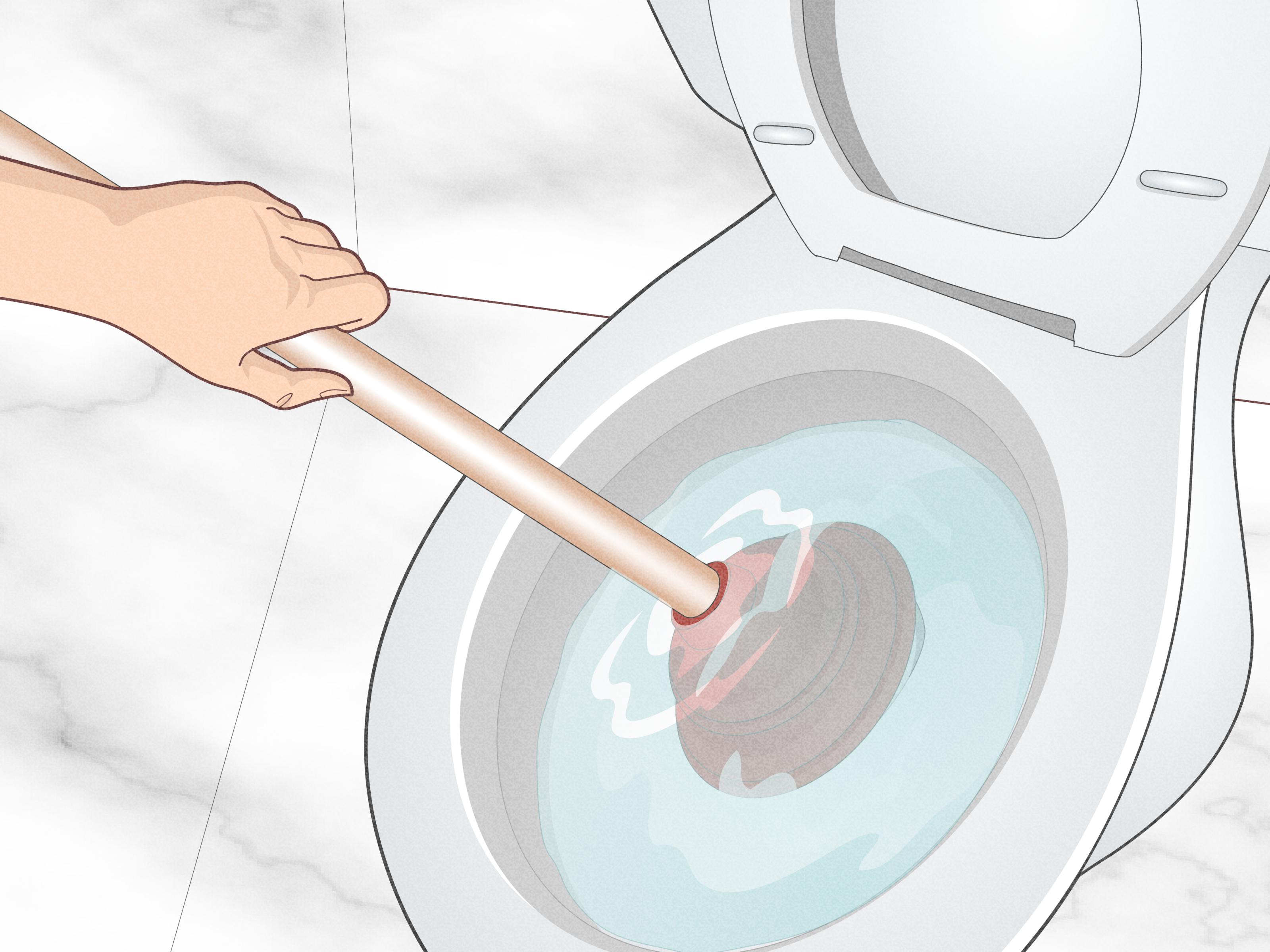
A plunger is still the best first tool for most toilet clogs. It uses pressure and suction to move the blockage. Dish soap is best when you do not have a plunger, when the clog is mild, or when you want to lubricate the clog before plunging.
For the best results, combine the two methods. Add dish soap, let it sit, add hot water, then use a flange plunger if the clog does not clear. The soap may make plunging more effective because it reduces friction inside the trap.
Common Mistakes to Avoid
Using Boiling Water
Boiling water is too risky for toilets. It can crack porcelain or damage seals. Use hot water only.
Flushing Again and Again
If the bowl is full, repeated flushing is the fastest route to an overflow. Stop, wait, and control the water supply.
Using Too Much Soap
A little dish soap helps. A lot of dish soap creates a bubble bath your toilet did not request.
Ignoring Recurring Clogs
If the toilet clogs often, the issue may be deeper than a simple blockage. You could have a low-flow toilet problem, a partial drain obstruction, a venting issue, tree root intrusion, or a main sewer line problem.
When to Call a Plumber
Call a plumber if more than one drain in your home is backing up, if you hear gurgling from other fixtures, if wastewater comes up in a tub or shower, or if the toilet keeps clogging even after careful plunging and augering. These signs may point to a deeper drain or sewer line issue.
You should also call a professional if a solid object was flushed. Toys, toothbrushes, combs, and cleaning tools can lodge in the trap or drain. Trying to force them through may make the repair more expensive. Toilets are excellent at handling toilet paper. They are less enthusiastic about becoming a lost-and-found department.
How to Prevent Future Toilet Clogs
The easiest way to prevent toilet clogs is to flush only toilet paper and human waste. Use moderate amounts of toilet paper, especially with older toilets or low-flow models. If needed, flush twice during use rather than sending one giant paper parade down the drain.
Keep a covered trash can in the bathroom for wipes, cotton products, dental floss, and hygiene items. Even products labeled “flushable” can contribute to clogs because they may not break down quickly enough in real plumbing systems.
It also helps to keep a flange plunger in every bathroom. Nobody wants to run through the house holding a plunger like an Olympic torch during an emergency. A toilet auger is another smart tool for homeowners, especially if clogs happen more than once or twice a year.
Extra Experience: What Real-Life Toilet Clogs Teach You
After dealing with a few clogged toilets, most people learn one important truth: panic is not a plumbing tool. The first instinct is usually to flush again, stare into the bowl, and hope the universe has a customer service department. Unfortunately, hope does not lower water levels. The best first move is always to stop, breathe, and make sure the toilet will not overflow.
In real homes, the dish soap method is most helpful when the clog is fresh. For example, if someone used too much toilet paper and the flush became weak right away, dish soap and hot water may work beautifully. Add the soap, wait, pour hot water, wait again, and the clog may move through without drama. This is the bathroom equivalent of solving a problem before it becomes a family meeting.
However, the method becomes less reliable when the toilet has been clogged for hours or days. A clog that sits too long may become compacted. Toilet paper can swell, waste can settle, and the blockage can become more stubborn. In that case, dish soap may still help as a lubricant, but a plunger or auger will probably be needed.
One practical tip from experience: always protect the floor before you start. Put old towels around the base of the toilet, especially if the bowl is high. Even careful people spill water when dealing with a clogged toilet. The towels are not a sign of defeat. They are a sign that you have matured as a homeowner, renter, or brave bathroom visitor.
Another useful habit is to listen to the toilet. A normal flush has a confident sound. A struggling toilet sounds slow, heavy, or incomplete. If the bowl fills higher than usual and drains lazily, do not flush again right away. Give the dish soap method a chance, or use a plunger before the situation turns into a splashy documentary.
It is also worth learning the difference between a toilet clog and a bigger drain problem. If only one toilet is clogged, the problem is probably local. If the toilet, tub, and sink are all acting strange, the issue may be farther down the drain line. Dish soap will not fix a main line clog. At that point, the smartest move is not braveryit is calling a professional.
Many people also discover that the quality of the plunger matters. A flat plunger may work on sinks, but toilets need a flange plunger. The fold-out rubber flange helps form a seal inside the bowl opening. Without a seal, you are mostly just stirring unpleasant soup, which is not a recommended hobby.
For families, prevention matters more than heroic unclogging. Teach everyone what can and cannot be flushed. Keep wipes out of the toilet, even if the package makes bold promises. Use less toilet paper per flush. Place a small bathroom trash can nearby so nobody is tempted to treat the toilet like a garbage disposal with a lid.
The dish soap trick is a good skill to have because it is simple, affordable, and gentle. It is not perfect, but it can save time and stress when used on the right kind of clog. Think of it as the first polite suggestion before the plunger enters the conversation with more authority.
Conclusion
Unclogging a toilet with dish soap is one of the simplest DIY plumbing tricks for mild clogs. Add one-quarter to one-half cup of liquid dish soap, wait, pour in hot but not boiling water, and give the clog time to loosen. If the water level drops, test with a careful flush. If it does not work after one or two tries, switch to a flange plunger or toilet auger.
The key is knowing when this method makes sense. Dish soap can help with soft toilet paper clogs, but it will not remove solid objects or fix deeper plumbing problems. Use it wisely, avoid boiling water, never mix it with chemical drain cleaners, and call a plumber when the signs point beyond a simple toilet clog.
Note: This guide is intended for simple household toilet clogs caused by ordinary waste and toilet paper. For recurring clogs, multiple backed-up drains, sewage odors, or suspected foreign objects, contact a licensed plumber.

