
Skincare
Side Yard Makeover: Creating Curb Appeal
Jul
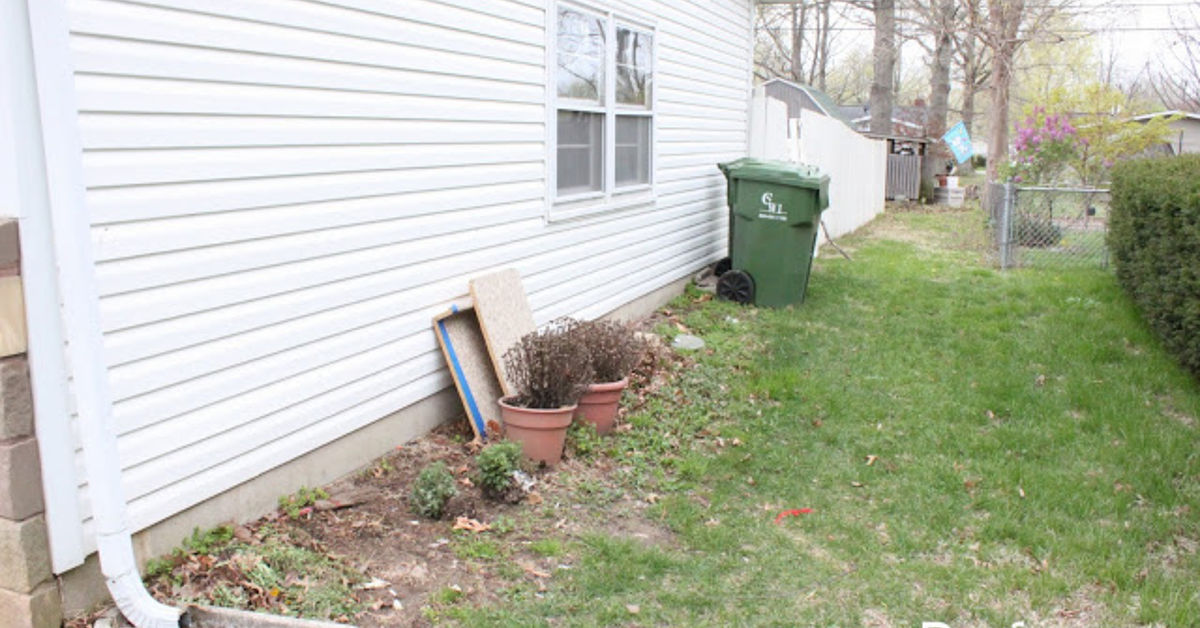
A side yard is often the forgotten middle child of residential landscaping. The front yard gets flowers, fresh mulch, and flattering lighting. The backyard gets the patio, grill, and comfortable chairs. Meanwhile, the narrow strip beside the house becomes a parking lot for trash cans, tangled hoses, muddy footprints, and one rake nobody remembers buying.
That overlooked passage, however, may be visible from the street and directly connected to your home’s first impression. A thoughtful side yard makeover can strengthen curb appeal, improve drainage, create a safer walkway, conceal utilities, and make traveling between the front and backyard considerably less adventurous.
The best transformation does not require a mansion-sized budget or a landscaping crew with its own television show. It requires a clear purpose, suitable materials, regionally appropriate plants, and a design that looks intentional from the curb.
Begin With a Practical Side Yard Assessment
Before ordering pavers or falling emotionally in love with an expensive Japanese maple, study the space. Side yards frequently contain practical complications that are easy to overlook during the inspiration-board stage.
Measure the entire area
Record the length and width of the side yard, including narrow points near air-conditioning equipment, gates, downspouts, utility meters, and window wells. Measure gate openings as well. A beautiful path loses some of its charm when the lawn mower cannot fit through it.
Mark anything that must remain accessible. Utility technicians need room to reach meters and equipment, while homeowners need access to faucets, electrical panels, foundation vents, and cleanouts. Avoid surrounding these features with thorny shrubs or permanent structures.
Observe sunlight and moisture
Watch the area at several times of day. A north-facing passage between two buildings may receive deep shade, while a south- or west-facing side yard can become surprisingly hot because walls and paving reflect heat. Plant selection should follow actual growing conditions rather than the cheerful optimism printed on a nursery sign.
Check the soil after rainfall. Standing water, eroded mulch, exposed roots, or mud near the foundation may indicate a grading or drainage problem. Resolve water movement before installing decorative features. Otherwise, your elegant new garden path may become an elegant new canal.
Garden Design recommends evaluating side-yard light carefully because these spaces can range from deeply shaded corridors to hot areas exposed to reflected heat.
Decide what the space should do
A side yard can serve several purposes, but narrow spaces usually perform best when one function takes priority. It might become:
- A welcoming path from the driveway to the backyard
- A shade garden with layered foliage
- A utility zone for bins, hoses, and gardening equipment
- A dog run or pet-safe passage
- A compact herb or vegetable garden
- A drainage corridor with a dry creek bed
- A private sitting nook
Choose the main purpose first. Secondary features can support it, but trying to install a path, greenhouse, dining area, storage shed, fountain, compost system, and miniature vineyard in six feet of width tends to produce outdoor clutter rather than curb appeal.
Create a Strong Connection to the Front Yard
For maximum curb appeal, the side-yard design should appear to continue naturally from the front landscape. It should not look like two unrelated yards met at the corner of the house and agreed never to speak again.
Make the entrance inviting
A gate is often the first visible side-yard feature. Repair sagging hinges, replace rusty hardware, and paint or stain weathered surfaces. A simple wood gate can feel custom when its color coordinates with the front door, shutters, porch posts, or garage.
An arbor can create an architectural transition between the public front yard and the more private backyard. In a tight space, choose a narrow structure and a well-behaved climber suited to the local climate. Avoid aggressive vines that may invade gutters, siding, roofing, or the neighbor’s satellite dish.
Bob Vila recommends using a welcoming gate and a defined stepping-stone route to turn a neglected passage into a purposeful transition between outdoor areas.
Extend existing materials
Repeating materials creates visual continuity. If the front walk uses brick, incorporate brick edging or a few brick accents in the side yard. If the house has natural stone, choose gravel or stepping stones with compatible coloring. Modern homes generally benefit from cleaner lines and fewer materials, while cottages can comfortably support looser planting and more irregular paths.
You do not need an exact match. In fact, trying to match aged brick or weathered stone perfectly can result in a patchwork appearance. Choose materials with related color, scale, or texture instead.
Build a clear pathway
A path immediately communicates that the space has a purpose. Common side-yard walkway materials include gravel, stepping stones, brick, concrete pavers, decomposed granite, and permeable paving.
For a frequently traveled route, prioritize a firm, stable surface. Space stepping stones according to a natural walking stride and set them level to reduce tripping. Gravel should have solid edging so it does not migrate into planting beds or across the driveway like tiny geological confetti.
A gentle curve can make a long, narrow space feel more interesting, but avoid exaggerated bends that force people to zigzag while carrying groceries, garden tools, or a tray of hamburgers.
Address Drainage Before Decorating
Side yards are common drainage trouble spots. Roof runoff, compacted soil, neighboring structures, and limited sunlight can keep the ground wet long after the rest of the property has dried.
Start with gutters and grading
Clean gutters and confirm that downspouts discharge away from the foundation. Soil should not slope toward the house. Minor grading corrections may be manageable as a do-it-yourself project, but recurring foundation moisture, severe erosion, or runoff crossing property lines deserves professional evaluation.
Never redirect water onto a neighboring property or public walkway. Local drainage rules vary, so review municipal and homeowners association requirements before changing the direction of runoff.
Use attractive drainage features
A shallow swale can direct runoff while remaining part of the landscape. Line it with river rock to create a dry creek bed, then soften the edges with plants that tolerate occasional moisture. The result can look decorative even when the weather is dry.
Other possibilities include a rain garden, catch basin, French drain, dry well, or permeable path. The correct solution depends on soil, slope, rainfall, available discharge points, and the amount of water involved. Permeable surfaces can reduce puddling by allowing some water to enter the soil rather than racing across solid pavement.
The Home Depot identifies swales, dry streambeds, rain gardens, berms, dry wells, and permeable paving as potential runoff-management methods. The suitability of each option depends on site conditions.
Choose Plants That Fit a Narrow Space
Successful side yard landscaping depends less on buying dramatic plants and more on choosing plants that will still fit after several growing seasons.
Follow the “right plant, right place” rule
Match plants to the site’s light, moisture, soil, hardiness zone, and available width. Read the mature size on the label rather than judging the innocent-looking plant in its one-gallon container.
Compact shrubs, clumping ornamental grasses, ferns, sedges, heucheras, hostas, hellebores, and shade-tolerant ground covers may work in cooler shaded passages. Sunny spaces may support lavender, salvia, catmint, ornamental grasses, succulents, or drought-tolerant native perennials, depending on the region.
Native plants adapted to local conditions can reduce maintenance and provide resources for pollinators and other wildlife. “Native,” however, does not automatically mean tiny or polite. Confirm mature dimensions before planting.
EPA WaterSense promotes water-efficient landscape choices, while horticultural guidance from Penn State Extension emphasizes plant selection, clear borders, appropriate spacing, and designs that remain orderly near neighboring properties and walkways.
Use layers without crowding the path
Place taller, narrow plants against fences or blank walls, medium-height plants in the middle, and low ground covers along the walkway. Repeating a limited selection of plants creates rhythm and makes the passage appear longer and more cohesive.
Foliage is especially valuable in shade. Combine broad, fine, glossy, matte, light, and dark leaves so the garden remains interesting when little is flowering. A restrained palette usually looks more polished than a collection of unrelated plants purchased during six separate nursery visits.
Take advantage of vertical space
Trellises, wall planters, hanging baskets, narrow shelves, espaliered plants, and columnar shrubs add greenery without consuming much ground area. Vertical elements can also disguise a plain fence or long wall.
Keep plants away from siding and provide airflow. Moist foliage pressed against a building can encourage staining and maintenance problems. Use freestanding supports when possible rather than drilling into siding without understanding the wall assembly.
Small-space design guidance commonly recommends compact plants, strong foliage structure, vertical gardening, and raised containers where soil quality or drainage makes in-ground planting difficult.
Add Lighting, Edging, and Finishing Details
Install subtle pathway lighting
Low-voltage or solar fixtures can improve safety and make the side yard attractive after dark. Place lights near gates, steps, changes in elevation, and curves rather than lining the path with so many fixtures that it resembles an airport runway.
A shielded fixture aimed at a textured wall, small ornamental tree, or architectural feature can add depth. Keep light directed downward and away from neighboring windows. Fixtures should illuminate the route without turning nighttime into an interrogation scene.
Landscape lighting is frequently recommended for safer walkways and stronger nighttime curb appeal.
Create crisp boundaries
Edging prevents gravel and mulch from wandering and gives beds a finished appearance. Steel edging creates a clean modern line, while brick, stone, or timber may better suit traditional homes.
Fresh mulch provides quick visual improvement, conserves soil moisture, and suppresses weeds. Keep it several inches away from siding, wood posts, and plant crowns. Do not pile mulch against tree trunks; trees do not need mulch volcanoes, regardless of how popular they appear in shopping-center parking lots.
Screen clutter without blocking access
A narrow slatted enclosure can conceal trash and recycling bins while allowing ventilation. Lattice panels, decorative screens, or evergreen shrubs can soften views of air-conditioning units and utility equipment.
Leave the clearance specified by the equipment manufacturer and maintain a removable access panel. The goal is to disguise utilities, not place them inside an escape room.
Side Yard Makeover Ideas for Different Budgets
Budget refresh: approximately $100 to $500
Begin by removing clutter, pulling weeds, pruning overgrown plants, cleaning siding, and repairing the gate. Add fresh mulch, simple edging, several coordinated containers, and a few solar lights. Repositioning existing plants and repeating one container style can create a surprisingly unified result.
Midrange makeover: approximately $500 to $2,500
Install a gravel or stepping-stone path, upgrade the gate, add a trellis, create defined planting beds, and introduce a modest irrigation system. This range may also accommodate a simple dry creek bed or decorative screening, depending on labor and material costs.
Major transformation: $2,500 and above
Professional grading, drainage systems, masonry, custom fencing, extensive lighting, retaining walls, or large specimen plants can quickly increase the total. Obtain multiple written estimates and ask whether permits, utility marking, excavation, drainage calculations, and material hauling are included.
The National Association of REALTORS reports that many real estate professionals encourage curb-appeal improvements before a home is listed, while its outdoor remodeling research connects landscape upgrades with both resale considerations and homeowner satisfaction.
A Step-by-Step Side Yard Makeover Plan
- Photograph the existing space. Take pictures from the street, driveway, gate, and backyard.
- Measure and map the area. Mark utilities, doors, windows, downspouts, equipment, and property boundaries.
- Choose one primary function. Decide whether the area is mainly a passage, garden, utility zone, or retreat.
- Investigate drainage. Observe the space during rainfall and address water problems first.
- Select a material palette. Limit the project to two or three compatible hardscape materials.
- Install underground components. Complete drainage, irrigation, conduit, or low-voltage wiring before building the path.
- Construct the walkway and edging. Establish circulation before adding plants.
- Improve the gate and screens. Coordinate visible structures with the house.
- Plant according to mature size. Leave enough room for growth, airflow, and maintenance access.
- Add mulch and lighting. Finish with restrained details rather than unnecessary decorations.
- Photograph the result again. Before-and-after pictures are excellent evidence that the muddy corridor was not merely a strange dream.
Common Side Yard Makeover Mistakes
Ignoring drainage
Decorative gravel cannot correct every water problem. If runoff is entering the foundation, eroding soil, or remaining for extended periods, diagnose the cause before installing plants and paving.
Choosing plants that become too large
A shrub that reaches eight feet wide does not become a three-foot shrub simply because you planted it in a three-foot bed. Constant pruning creates extra work and often leaves plants looking awkward.
Making the path too complicated
A side-yard walkway should be easy to follow, comfortable underfoot, and practical for moving equipment. Elaborate patterns and sharp curves may look impressive in a drawing but annoying during everyday use.
Using too many decorative objects
One sculpture or attractive planter can become a focal point. Twelve wind spinners, three fountains, five signs, and a ceramic frog orchestra become a yard sale with irrigation.
Forgetting the street view
Walk to the curb and evaluate the entrance. The gate, edging, path, and nearest plants should complement the front facade. The entire side yard does not need to be visible, but the visible portion should suggest that something pleasant lies beyond it.
Conclusion: Small Space, Significant First Impression
A successful side yard makeover combines appearance with function. A defined path creates order, appropriate plants soften narrow boundaries, good drainage protects the property, and well-placed lighting makes the passage safer after sunset.
Begin with maintenance and problem-solving before spending heavily on decorative features. Repeat materials from the front yard, control clutter, leave room for mature growth, and make every element earn its place. When those decisions work together, a neglected strip of land can become one of the most polished and useful parts of the property.
Experience Notes: What Side Yard Makeovers Teach Homeowners
The most common surprise during a side yard renovation is how different the area looks after it has simply been emptied. Removing old pots, broken edging, unused hoses, weeds, and mystery lumber often reveals more usable room than expected. Homeowners may begin the project convinced that the passage is hopelessly narrow, only to discover that years of accumulated clutter were occupying a meaningful percentage of the space.
Another frequent lesson is that water determines the project schedule. A side yard may appear dry during a sunny planning weekend, yet behave very differently during the next storm. Watching where water enters, pools, and exits can prevent expensive rework. It is far less enjoyable to lift newly installed pavers because a downspout was sending runoff beneath them. Experienced renovators therefore delay permanent construction until they have observed at least one substantial rainfall or tested drainage with a hose.
Material samples also look different outdoors. A gravel that appears warm and subtle in a store may look bright orange beside cool gray siding. Pavers that seem moderately textured under showroom lighting may feel visually busy across a long path. Bringing several samples home and viewing them in morning light, afternoon shade, and wet conditions often leads to a better choice.
Plant spacing requires similar patience. New gardens can look sparse because responsible spacing leaves room for mature growth. The temptation is to add more plants immediately, but crowded beds soon create pruning work, blocked pathways, and poor airflow. Using temporary annuals or containers can fill visual gaps while slower-growing shrubs and perennials become established.
Homeowners also learn that the most appreciated improvement is not always the most dramatic one. A properly hung gate, a stable path, a conveniently placed hose holder, or a motion-activated light may deliver more daily satisfaction than an expensive ornamental feature. Function creates a quiet form of luxury: the trash bins roll smoothly, shoes stay clean, visitors know where to walk, and nobody has to use a phone flashlight to find the latch.
Budget expectations often change once disposal, delivery, base materials, and edging are considered. Gravel itself may be affordable, but landscape fabric, compacted base, restraints, hauling, and labor still affect the total. Successful projects reserve part of the budget for these unglamorous necessities rather than spending everything on visible finishes.
Finally, side yard projects demonstrate the value of restraint. Narrow spaces magnify every decision. Repeating three plant varieties usually looks calmer than planting fifteen unrelated ones. One handsome gate makes a stronger statement than several competing decorations. A simple path with clean edging can outperform a complicated design that demands constant maintenance.
The best experience comes from treating the makeover as an improvement to everyday life, not merely a photograph. When the finished side yard drains correctly, supports healthy plants, hides necessary clutter, and feels pleasant to walk through, curb appeal becomes more than cosmetic. It becomes evidence that the entire property has been thoughtfully cared for.

