
Beauty Unlocked
Restaurant Visit: Seesaw Cafe in San Francisco
Jun
Note: This article is based on publicly available information about Seesaw Cafe’s original Hayes Valley concept, design coverage, neighborhood mentions, and restaurant listings. Because the Seesaw name and 600A Octavia Street address have evolved over time, readers should verify current hours and services before planning a visit.
A Small Cafe With a Big Personality
San Francisco has never been shy about turning a simple cup of coffee into a full-blown lifestyle statement. In some cities, a cafe is just a place to buy caffeine. In San Francisco, a cafe can be a design studio, a neighborhood clubhouse, a parenting survival station, a mini gallery, and a quiet rebellion against bad lightingall before lunch. That is exactly why Seesaw Cafe in San Francisco remains an interesting name for food, design, and neighborhood-culture lovers.
Located at 600A Octavia Street in Hayes Valley, Seesaw Cafe was not built like a standard coffee shop with a few tables, a pastry case, and a barista who has silently judged your milk choice since 8 a.m. It was conceived as a hybrid cafe, play studio, and shopa place where adults could sip coffee while children explored a supervised creative space. In a city where square footage is treated like precious metal, this was a clever idea: one address, multiple uses, and a calm Scandinavian-inspired interior that made parenting look almost minimalist.
The original concept combined coffee, light food, family programming, design objects, books, toys, and a sense of community. It was especially memorable because it did not simply tolerate children. It actually designed around them. That may sound obvious, but anyone who has tried to maneuver a stroller through a tiny cafe aisle while balancing a latte knows that “family-friendly” often means “we have one highchair and a mild sense of panic.” Seesaw aimed higher.
Where Seesaw Fit Into Hayes Valley
Hayes Valley is one of San Francisco’s most walkable, stylish, and pleasantly snackable neighborhoods. It sits near the Civic Center, Lower Haight, and Alamo Square, making it an easy stop for locals, visitors, shoppers, opera-goers, design fans, and people who claim they are “just browsing” before buying a very serious candle.
What makes Hayes Valley special is the way it blends residential calm with high-energy food and retail streets. Around Hayes Street and Octavia Boulevard, cafes, bakeries, boutiques, parks, and restaurants create the feeling of a small urban village. Patricia’s Green, Ritual Coffee, Blue Bottle’s historic Linden Street presence, Souvla, Miette, and other local favorites have helped shape the neighborhood’s identity as a place where food is casual but considered.
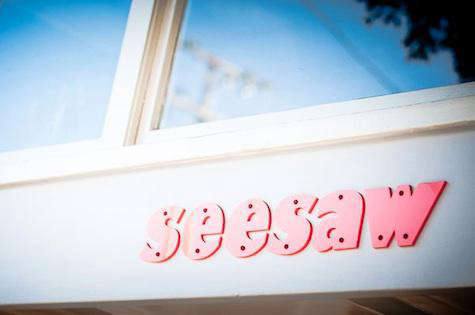
Seesaw Cafe belonged naturally to that environment. It was not trying to be the loudest restaurant in San Francisco or the most dramatic brunch reservation in town. Instead, it offered something quieter and more specific: a design-conscious refuge for families and coffee drinkers, with enough visual charm to make architecture fans slow down outside the window.
First Impressions: Bright, Calm, and Very Un-San-Francisco-Crowded
The strongest impression associated with Seesaw Cafe is its airy interior. Design coverage of the space highlighted expansive white walls, natural wood, modernist chairs, Danish modern seating, sheepskins, a rolling barn door, and thoughtful lighting. In other words, it looked like the kind of cafe where even your backpack would sit up straighter.
The interior mixed Scandinavian restraint with Asian-influenced warmth. That combination helped Seesaw feel polished without becoming cold. The white walls opened the room visually, while the wood tones softened the space. Instead of cramming every corner with furniture, the layout gave breathing room to adults and children alike. The result was a cafe that understood one of the golden rules of hospitality: people relax when the room does not feel like it is trying to eat them.
There was also a strong sense of separation between adult seating and the children’s play area. That detail mattered. The supervised play space allowed kids to be kids without turning the entire cafe into a tiny indoor weather event. Parents could drink coffee, work, talk, or simply stare into the middle distance with the sacred expression of someone enjoying five uninterrupted minutes.
The Menu: Danish, Korean, Coffee, and Light Bites
Seesaw Cafe’s food identity was compact but distinctive. Public descriptions mention Danish and Korean snacks, Four Barrel coffee, tea, juices, cookies, organic sweets and savories, and Danish-inspired items such as smørrebrød, a lingonberry sparkler, and a Danish hot dog. That mix gave the cafe a personality beyond the usual muffin-and-latte script.
The Danish influence made sense within the space’s clean design language. Smørrebrød, the classic open-faced sandwich, fits beautifully into a cafe setting because it is simple, structured, and visually appealing. It is also proof that bread can have ambitions. Meanwhile, the Korean notes added a personal, multicultural layer that reflected San Francisco’s broader food culture, where menus often thrive by crossing borders instead of guarding them.
Four Barrel coffee was another important detail. During the era when Seesaw was getting attention, San Francisco’s specialty coffee scene was becoming a defining part of the city’s dining personality. Serving respected local coffee helped position Seesaw as more than a family activity space. It was also a real coffee stop for grown-ups who cared about what was in the cup.
What to Expect From the Food Experience
Seesaw was not the kind of place built around a huge menu. Its charm came from curation. The cafe worked best as a breakfast, lunch, snack, or coffee stop rather than a formal dinner destination. Think espresso, tea, cookies, light bites, sandwiches, and small savory itemsfood that supports conversation and play rather than demanding a spotlight and a steak knife.
That approach matched the rhythm of Hayes Valley. People often visit the neighborhood between errands, before a performance, after boutique shopping, or while wandering with children. A compact cafe menu suits that style perfectly. It gives people a reason to stay without requiring a full production.
Why the Play Studio Made Seesaw Different
The play studio was the feature that separated Seesaw from typical San Francisco cafes. Public neighborhood coverage described it as a cafe, play studio, and shop that hosted workshops for children. Parents or guardians could bring children to activities while adults relaxed, worked, or enjoyed the cafe. At various points, the space also hosted classes, family programs, private events, and creative workshops.
This model solved a real urban problem. Parents want beautiful places too. They want good coffee, clean design, conversation, and maybe one pastry that does not come from the bottom of a diaper bag. Children, meanwhile, need stimulation, movement, and permission to be curious. Seesaw tried to serve both audiences without making either feel like an afterthought.
In that sense, the name “Seesaw” was especially fitting. The cafe balanced adult calm with child energy, food with creativity, and design with function. It was a reminder that hospitality is not only about what is served. It is also about who feels welcome once they walk through the door.
Design Analysis: Why Seesaw Looked So Memorable
Many cafes are decorated. Seesaw was designed. That difference matters. Decoration can be added at the end with a few plants and a framed print. Design begins with how people move through a space, how light falls across surfaces, how furniture supports the intended mood, and how different users share the same room.
The use of natural wood and white walls created visual calm. Modernist chairs gave the dining area a curated feel. The barn door hardware and lighting details added architectural interest. Shelves of books and toys made the children’s area feel intentional rather than improvised. Instead of hiding the family-friendly function, Seesaw made it part of the aesthetic.
That design-forward approach helped the cafe appeal to multiple audiences. Parents saw practicality. Children saw toys and books. Design lovers saw Scandinavian restraint, warm materials, and clever spatial planning. Coffee drinkers saw a pleasant place to sit. In a crowded cafe market, that kind of layered appeal is valuable.
The Service Mood: Gentle, Local, and Community-Based
Seesaw’s public mentions give the impression of a family-owned, community-oriented business. The cafe was associated with Niels and Sabrina Gabel, and older neighborhood notes describe it as a new, unique local business focused on curiosity, creativity, and connection. That language matters because it points to a hospitality style built around relationships, not just transactions.
The best small cafes often feel like extensions of their owners’ values. You can sense when a place was created because someone wanted to fill a gap in the neighborhood. Seesaw felt like that kind of project. It was not simply selling coffee; it was offering a solution for families, a creative space for children, and a calmer kind of gathering place for Hayes Valley.
In restaurant terms, that gave Seesaw a strong emotional hook. A visitor might remember the coffee, but they were just as likely to remember the light, the furniture, the playroom, or the relief of finding a space where children were not treated like tiny public-relations emergencies.
Who Would Love Seesaw Cafe?
Seesaw Cafe’s ideal visitor was someone who enjoyed thoughtful spaces and low-pressure dining. Parents with young children were the obvious audience, especially those looking for a cafe where kids could engage in creative play. But the cafe also appealed to design enthusiasts, coffee fans, neighborhood explorers, and travelers searching for a more local San Francisco experience.
If your idea of a perfect cafe includes strong coffee, clean lines, natural light, and a menu that can jump from Danish inspiration to Korean touches without making a fuss, Seesaw would have been your kind of place. If you prefer giant portions, loud music, bottomless mimosas, and a server yelling “birthday shots” over a fog machine, this was probably not your spiritual home.
That specificity is part of what made Seesaw interesting. Great neighborhood cafes do not need to appeal to everyone. They need to understand exactly who they serve and then serve those people well.
Seesaw as a San Francisco Food Story
Seesaw Cafe also tells a broader story about San Francisco dining culture. The city has long supported hybrid spaces: cafes that double as galleries, bakeries that feel like laboratories, restaurants that act like community centers, and coffee shops where half the room appears to be building an app. Seesaw belonged to that tradition, but with a family-centered twist.
It showed how a restaurant or cafe can be more than a menu. It can respond to neighborhood needs. It can reflect personal heritage. It can make smart use of limited urban space. It can create a setting where different generations share the same environment comfortably.
That is why Seesaw remains worth writing about even as the address and brand identity have changed over time. Some restaurants matter because they become famous. Others matter because they capture a moment in a neighborhood’s evolution. Seesaw fits the second category: a small, thoughtful cafe that reflected Hayes Valley’s design-minded, family-aware, creatively urban personality.
Planning a Hayes Valley Food Walk Inspired by Seesaw
For readers interested in the Seesaw Cafe story, the best way to turn that curiosity into a modern San Francisco outing is to explore Hayes Valley with the same spirit: coffee first, design second, snacks always. Start near Octavia and Hayes, then walk through the neighborhood slowly. This is not a place to rush. Hayes Valley rewards wandering.
Look for cafes with strong local character, bakeries with serious pastry programs, and small shops that feel curated rather than mass-produced. Stop at Patricia’s Green, peek into boutiques, and let the neighborhood’s mix of architecture and street life do the entertaining. If you are traveling with children, check current family-friendly options in advance, because San Francisco businesses change faster than fog patterns.
What Seesaw offered at its best was not just food. It offered a model for how to enjoy a city neighborhood with attention. Notice the interiors. Notice how people use public space. Notice which cafes invite lingering and which are built for quick turnover. When you visit Hayes Valley this way, you begin to understand why small cafes can become part of a city’s memory.
Extra Experience Notes: A Longer Visit Inspired by Seesaw Cafe
A visit inspired by Seesaw Cafe should begin with the mood of the neighborhood. Imagine arriving in Hayes Valley on a cool San Francisco morning, when the air is bright but still carrying that familiar coastal chill. Octavia Street has a softer rhythm than the city’s busier corridors. There is traffic, yes, because this is still San Francisco and the cars did not all move to a meditation retreat. But there is also a neighborhood scale that makes walking feel natural.
The first experience to pay attention to is the transition from street to interior. Seesaw’s original appeal came from that contrast: outside, the city; inside, calm. A good cafe visit is partly about crossing a threshold. You enter carrying the noise of the day, and the room either adds to it or gently takes it from your shoulders. Seesaw’s white walls, wood surfaces, modern chairs, and organized play area created the second effect. It was the visual equivalent of lowering your voice.
For parents, the experience would have been especially meaningful. Instead of negotiating with children to “sit still” in a space never designed for them, families could settle into an environment where play was part of the plan. That changes the entire meal. Coffee tastes better when it is not consumed in emergency mode. A cookie becomes more enjoyable when nobody is using it as a bargaining chip. The simple act of sitting down becomes luxurious when the space understands your life.
For design lovers, Seesaw offered a different pleasure: observation. The rolling barn door, the modernist furniture, the sheepskin-draped seating, the books and toys arranged with carethese details invited slow looking. Many restaurants spend heavily on decoration but forget function. Seesaw’s experience worked because beauty and usefulness were not enemies. The room looked good because it worked well, and it worked well because someone had clearly thought about real people using it.
Food-wise, the ideal Seesaw-style visit would be light and leisurely. Order coffee, something sweet, and something savory if available. Let the Danish and Korean influences guide expectations toward small, flavorful items rather than oversized plates. This is not the place to arrive demanding a mountain of pancakes large enough to qualify for zoning review. It is the kind of cafe where a good espresso, a cookie, a sandwich, or a simple snack can feel complete because the environment does half the hospitality work.
The final part of the experience happens after leaving. Hayes Valley is built for the post-cafe stroll. Walk toward Patricia’s Green, browse local shops, look for dessert, or continue to another cafe for what researchers may someday classify as “second coffee.” The neighborhood makes it easy to turn a short visit into a half-day outing. That lingering quality is part of why Seesaw’s story still resonates. It belonged to a version of San Francisco dining that valued atmosphere, community, and the small rituals of urban life.
Final Verdict: Why Seesaw Cafe Still Deserves Attention
Seesaw Cafe in San Francisco was memorable because it understood balance. It balanced adult needs with children’s curiosity, design beauty with practical use, and cafe culture with family programming. Its menu of coffee, sweets, light bites, and Danish-Korean influences gave it culinary character, while its Hayes Valley location placed it in one of the city’s most charming food-and-design neighborhoods.
For SEO readers searching “Restaurant Visit: Seesaw Cafe in San Francisco,” the key takeaway is simple: Seesaw was not just another cafe. It was a small but thoughtful experiment in what a neighborhood hospitality space could be. It offered coffee, snacks, creativity, and calm in a city that often runs on noise, speed, and very expensive toast. That alone makes it worth remembering.

