
Beauty Unlocked
Muscle Spasticity: Symptoms, Causes, and Treatments
May
Muscle spasticity is what happens when muscles tighten, stiffen, or contract in a way that feels stubbornly out of your control. Imagine trying to bend your arm, but your biceps suddenly decide they are the security guard at a nightclub: “Sorry, no movement allowed.” That is the daily frustration many people experience with spasticity.
Spasticity is not simply “being tight.” It is usually linked to a problem in the communication system between the brain, spinal cord, nerves, and muscles. When those messages become disrupted, the muscles may remain contracted, resist stretching, or respond with exaggerated reflexes. The result can be stiffness, pain, spasms, trouble walking, difficulty with posture, and challenges with everyday activities like dressing, bathing, writing, sleeping, or transferring from a chair.
This guide explains the common symptoms of muscle spasticity, the most likely causes, how doctors evaluate it, and the treatment options that can help people move more comfortably and live with more independence.
What Is Muscle Spasticity?
Muscle spasticity is a movement disorder marked by increased muscle tone. In plain English, the muscle is “switched on” too strongly or for too long. It may feel tight, rigid, heavy, or jumpy. In some people, it is mild and appears only during certain movements. In others, it can be severe enough to pull joints into fixed positions or make normal movement extremely difficult.
Spasticity often appears after damage to the central nervous system, especially the brain or spinal cord. Conditions such as stroke, multiple sclerosis, cerebral palsy, traumatic brain injury, and spinal cord injury are common causes. Because the nervous system is involved, spasticity is different from an ordinary muscle cramp after exercise. A cramp may be annoying, but spasticity is usually part of a larger neurological picture.
Common Symptoms of Muscle Spasticity
The symptoms of muscle spasticity can vary widely. Some people describe it as tightness. Others describe sudden jerks, painful spasms, or muscles that feel as if they are “fighting back.” Symptoms may affect one limb, one side of the body, both legs, both arms, or several muscle groups at once.
1. Muscle Stiffness and Tightness
The most recognizable symptom is stiffness. A leg may feel difficult to bend. A hand may stay clenched. The ankle may point downward, making walking harder. This tightness can become worse after sitting for a long time, during stress, after poor sleep, or when another health issue is present.
2. Muscle Spasms
Spasms are sudden, involuntary muscle contractions. They may feel like quick jerks, repeated pulsing movements, or painful tightening. Some spasms are brief. Others last longer and interfere with movement, comfort, or sleep.
3. Exaggerated Reflexes
People with spasticity may have overactive reflexes. For example, when a healthcare provider taps the knee, the leg may kick more strongly than expected. This happens because nerve signals that normally regulate reflexes are not working smoothly.
4. Pain or Discomfort
Spasticity can hurt. Tight muscles may pull on joints, strain tendons, and make stretching uncomfortable. Pain may be sharp during spasms or dull and persistent throughout the day. The pain can also lead to less movement, which may make stiffness even worse. It is a very unhelpful circle, like a group chat that refuses to stop buzzing.
5. Reduced Range of Motion
When muscles remain tight for long periods, joints may become harder to move through their full range. Over time, this can contribute to contractures, which are fixed shortening of muscles, tendons, or soft tissues. Contractures can make walking, sitting, hygiene, and dressing more difficult.
6. Walking and Balance Problems
Spasticity in the legs can affect gait. A person may walk on their toes, drag a foot, cross the knees while walking, or feel unstable. Spasticity in the ankle, knee, or hip can increase the risk of falls and fatigue.
7. Problems With Daily Activities
Spasticity may affect brushing teeth, using utensils, typing, bathing, getting dressed, or sleeping comfortably. For caregivers, severe spasticity can make transfers, positioning, and personal care more challenging.
What Causes Muscle Spasticity?
Muscle spasticity usually happens when nerve pathways between the brain, spinal cord, and muscles are disrupted. These pathways normally help control voluntary movement and prevent muscles from contracting too much. When the system is damaged, muscles may receive confusing signals or lose the “braking system” that keeps movement smooth.
Stroke
Spasticity is common after stroke, especially when the stroke affects areas of the brain that control movement. It may appear in the arm, wrist, hand, leg, or ankle. A person may notice a clenched fist, bent elbow, stiff knee, or pointed foot.
Multiple Sclerosis
Multiple sclerosis can damage nerve signaling in the brain and spinal cord. Spasticity in MS often affects the legs and may cause stiffness, spasms, pain, walking difficulty, or fatigue. Symptoms may fluctuate, sometimes worsening with heat, infection, or stress.
Cerebral Palsy
Spastic cerebral palsy is one of the most common forms of cerebral palsy. It causes increased muscle tone and stiffness, often beginning in infancy or early childhood. Children may have tight leg muscles, toe walking, scissoring of the legs, or difficulty with fine motor tasks.
Spinal Cord Injury
After spinal cord injury, communication between the brain and muscles can be interrupted. Spasticity may develop below the level of injury and can affect posture, movement, sleep, and comfort. In some cases, mild spasticity may help with standing or transfers, but severe spasticity can be painful and limiting.
Traumatic Brain Injury
A traumatic brain injury can disrupt movement control and lead to spasticity in the arms, legs, neck, or trunk. Treatment often requires a rehabilitation team because symptoms may change as recovery progresses.
Other Neurological Conditions
Spasticity may also occur with brain tumors, infections affecting the nervous system, certain genetic conditions, neurodegenerative disorders, or other illnesses that damage upper motor neuron pathways.
Triggers That Can Make Spasticity Worse
Even when the underlying cause is stable, spasticity can flare. Common triggers include urinary tract infections, constipation, skin irritation, pressure sores, pain, tight clothing, poor positioning, fatigue, emotional stress, extreme temperatures, and lack of stretching or movement.
This is why a sudden increase in spasticity should not be ignored. Sometimes the muscle is not “misbehaving” randomly; it may be waving a tiny red flag that something else in the body needs attention.
How Muscle Spasticity Is Diagnosed
Diagnosis begins with a medical history and physical exam. A doctor may ask when stiffness began, which muscles are affected, what makes symptoms better or worse, and how spasticity affects daily life. They may check reflexes, muscle tone, strength, sensation, posture, walking pattern, and range of motion.
Healthcare providers may use assessment tools to grade muscle tone and track progress over time. Imaging tests, such as MRI or CT scans, may be used when the cause is unclear or when doctors need to evaluate the brain or spinal cord. In many cases, diagnosis and treatment involve a team that may include a neurologist, physiatrist, physical therapist, occupational therapist, orthopedic specialist, neurosurgeon, nurse, and primary care provider.
Treatments for Muscle Spasticity
Treatment depends on the cause, severity, affected muscles, goals, age, overall health, and how much spasticity interferes with function. The best plan is usually not one magic pill. It is more like a well-organized toolbox: therapy, home routines, medications, injections, devices, and sometimes surgery.
Physical Therapy
Physical therapy is often a foundation of spasticity management. A therapist may use stretching, strengthening, range-of-motion exercises, gait training, balance work, positioning, and functional movement practice. The goal is to maintain flexibility, reduce stiffness, improve mobility, and prevent complications.
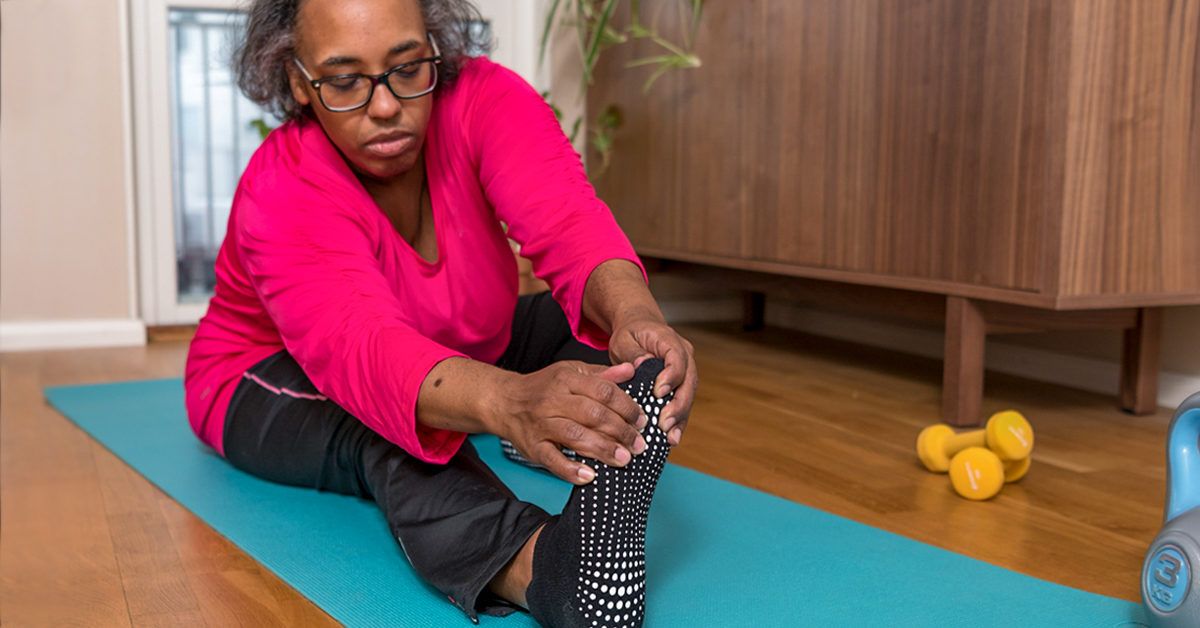
Stretching should be gentle and consistent. Fast, forceful stretching can sometimes trigger more tone. Slow movements, supported positions, and regular routines are usually more helpful. For many people, a little movement every day works better than one heroic workout followed by three days of soreness and regret.
Occupational Therapy
Occupational therapy focuses on daily function. An occupational therapist may help with hand positioning, splints, adaptive tools, dressing techniques, bathing safety, wheelchair positioning, and strategies for work or school. If spasticity affects the hand or arm, therapy may focus on opening the hand, protecting the skin, improving hygiene, and making tasks easier.
Braces, Splints, and Orthotic Devices
Braces and splints can support joints, maintain alignment, reduce contracture risk, and improve walking or hand positioning. An ankle-foot orthosis, for example, may help control foot drop or toe walking. Hand splints may help keep fingers from curling tightly into the palm.
Oral Medications
Doctors may prescribe medications to reduce muscle tone or spasms. Common options include baclofen, tizanidine, dantrolene, diazepam, and other muscle relaxants or nerve-calming medications. These medicines can help, but they may also cause side effects such as sleepiness, weakness, dizziness, dry mouth, confusion, or liver-related concerns depending on the medication. That is why dosing should be carefully supervised by a healthcare professional.
Botulinum Toxin Injections
Botulinum toxin injections may be used when spasticity is focused in specific muscles. The medication is injected directly into overactive muscles to reduce tightness. Effects are temporary and often last for several months, so repeat treatments may be needed. This option can be especially useful for a clenched fist, stiff elbow, tight calf, or pointed foot.
Nerve Blocks
Some patients may benefit from nerve blocks using medications such as phenol or alcohol. These procedures target specific nerves contributing to spasticity. They are typically considered when focal spasticity interferes with comfort, hygiene, positioning, or function.
Intrathecal Baclofen Therapy
For severe spasticity that does not respond well to oral medication, an intrathecal baclofen pump may be considered. The pump is surgically implanted and delivers medication directly into the fluid around the spinal cord. Because the medication goes close to the target area, lower doses may be effective compared with oral treatment. The pump requires refills and careful monitoring.
Surgery
Surgery may be an option for selected cases. Procedures may include tendon lengthening, orthopedic surgery to improve joint position, or neurosurgical procedures such as selective dorsal rhizotomy in certain children with cerebral palsy. Surgery is usually considered after careful evaluation and when other treatments are not enough.
Home Management and Lifestyle Tips
Home care can make a meaningful difference. Daily stretching, proper positioning, hydration, skin checks, regular movement, and managing triggers may help reduce flare-ups. People who use wheelchairs should pay attention to pressure relief and posture. Those who walk should use recommended assistive devices instead of pretending furniture surfing is an Olympic sport.
Warm baths, gentle massage, relaxation techniques, and consistent sleep habits may also help some people feel more comfortable. However, any new routine should be discussed with a healthcare provider, especially after stroke, spinal cord injury, surgery, or a new neurological diagnosis.
When to Seek Medical Help
Talk with a healthcare provider if muscle stiffness is new, worsening, painful, interfering with daily activities, causing falls, affecting sleep, or making hygiene difficult. Seek urgent care if spasticity suddenly worsens along with fever, severe pain, new weakness, confusion, breathing difficulty, loss of bladder or bowel control, or signs of infection.
For people already diagnosed with a neurological condition, sudden changes in spasticity may signal another problem such as infection, constipation, injury, medication changes, or skin breakdown. Treating the trigger may reduce the spasticity flare.
Living With Muscle Spasticity: Real-World Experiences and Practical Lessons
Living with muscle spasticity is not just a medical issue; it is a daily logistics puzzle. One person may wake up with a hand that refuses to open before coffee. Another may find that their calf tightens every time they stand, turning a short walk to the kitchen into a careful negotiation. A child with cerebral palsy may need extra time to stretch before school. A stroke survivor may feel frustrated because the arm that once moved automatically now needs patience, therapy, and planning.
One common experience is the surprise factor. Spasticity can behave differently from day to day. A person may feel fairly loose on Monday, stiff on Tuesday, and like their hamstrings signed a long-term contract with concrete on Wednesday. Weather, sleep, stress, infections, sitting too long, or even an uncomfortable shoe can change the way muscles respond. Keeping a symptom diary can help identify patterns. For example, if spasms become worse every time sleep is poor or after long car rides, the treatment plan can be adjusted around those triggers.
Another real-life lesson is that small routines matter. Five to ten minutes of gentle stretching several times a day may be more realistic than one long session that nobody wants to repeat. Positioning pillows, wearing prescribed braces, checking skin, drinking enough water, and moving at regular intervals may sound boring, but boring can be powerful. In spasticity care, consistency often beats drama.
Communication is also important. People sometimes underreport spasticity because they assume it is “just part of the condition.” But if stiffness affects sleep, dressing, transfers, walking, hygiene, or pain levels, it deserves attention. A physical therapist may adjust stretching. A doctor may change medication. An occupational therapist may recommend a splint or adaptive tool. A caregiver may learn safer ways to help with movement. The best results often come when everyone understands the same goal: not perfect muscles, but better comfort, safer movement, and more independence.
It is also helpful to remember that treatment goals are personal. One person may want to walk more smoothly. Another may want less pain at night. Another may need easier hand hygiene or better wheelchair positioning. Mild spasticity can sometimes assist with standing or transfers, so the goal is not always to eliminate every bit of muscle tone. The goal is to manage spasticity in a way that improves life.
Emotionally, spasticity can be exhausting. It can make people feel betrayed by their own body. That frustration is valid. But progress does happen, often in practical steps: a better brace, fewer spasms, easier stretching, safer walking, more comfortable sleep, or a hand that opens enough for cleaning. Those wins count. They may not come with confetti, but honestly, they should.
Conclusion
Muscle spasticity is a complex condition that causes stiffness, spasms, pain, exaggerated reflexes, and movement challenges. It often results from neurological conditions such as stroke, multiple sclerosis, cerebral palsy, traumatic brain injury, or spinal cord injury. While spasticity may not always be curable, it can often be managed with a thoughtful treatment plan.
The most effective approach usually combines medical care, physical therapy, occupational therapy, stretching, positioning, medications, injections, assistive devices, and sometimes surgical treatment. Early evaluation matters because untreated spasticity can lead to pain, reduced mobility, contractures, skin problems, and loss of independence.
If you or someone you care for has muscle stiffness that is painful, worsening, or interfering with daily life, do not simply “push through it.” Spasticity is treatable, and the right plan can make movement safer, sleep easier, and daily routines much less like wrestling with your own nervous system.
SEO Tags

